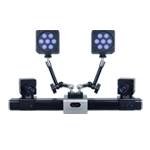
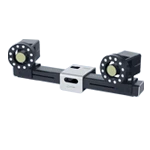
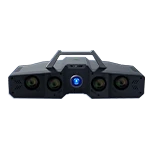
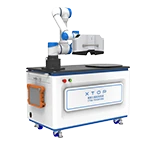
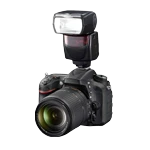
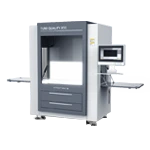
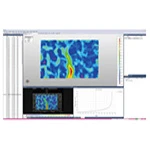
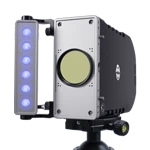
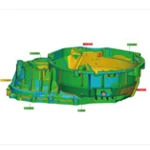
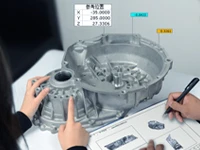
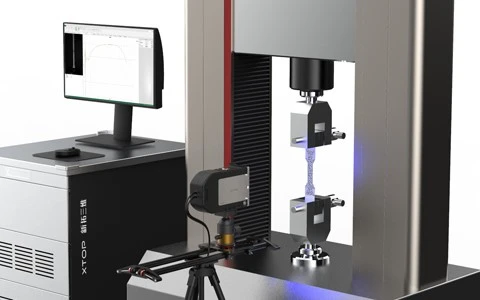
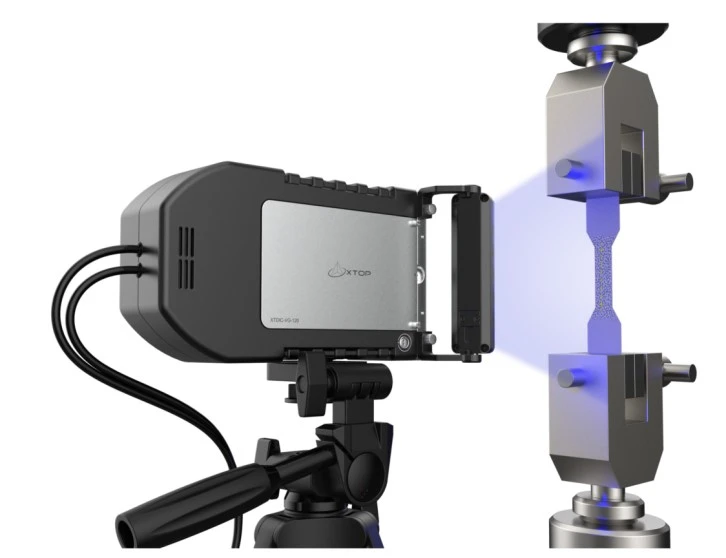
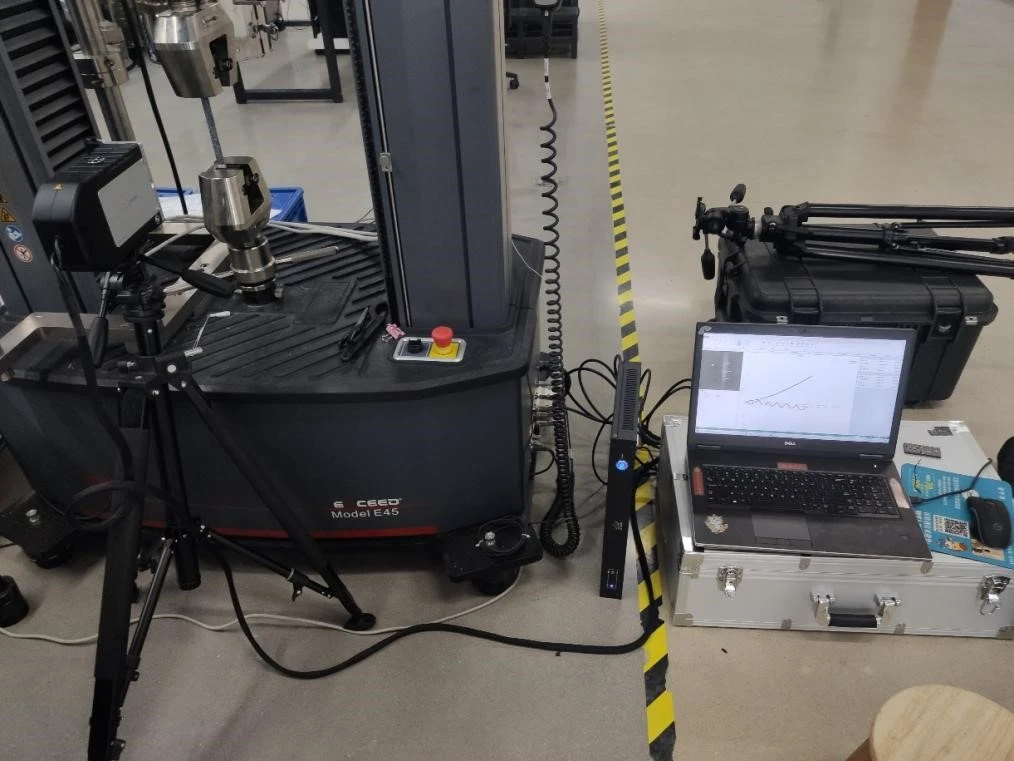
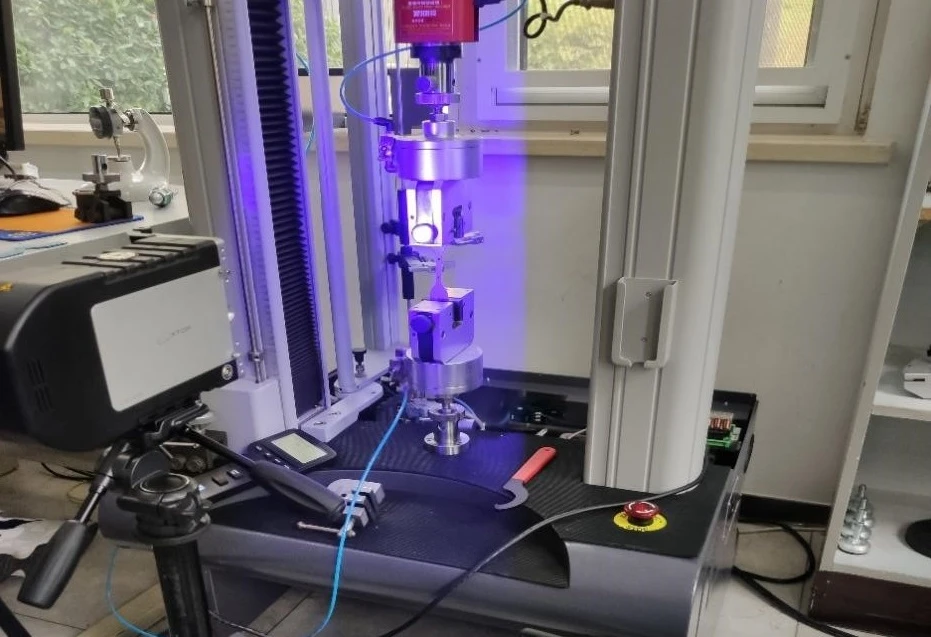
In October 2022, the XTOP3D XTDIC-VG series video extensometer was officially launched. Upon its release, this non-contact specimen strain measurement product was enthusiastically received by customers and quickly became a focal point of industry attention.
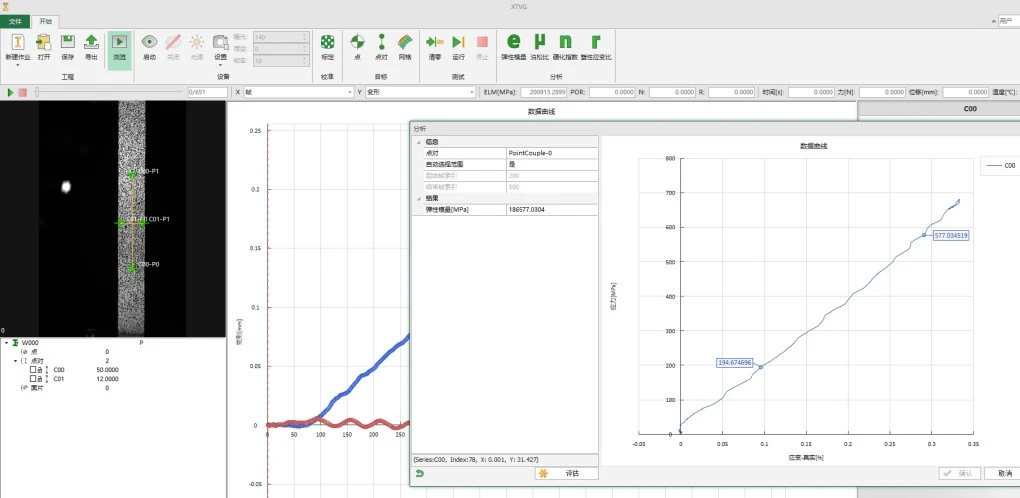
In the months following its launch, the XTDIC-VG series has found widespread application in the field of materials mechanics testing, thanks to its unique and powerful capabilities—such as single-camera 2.5D and binocular 3D measurement, Class 0.2 accuracy standards, and an exceptionally large field of view. It has proven its reliability under real-world operating conditions across a diverse range of materials—including metals, plastics, ceramics, concrete, flexible materials, composites, and biological specimens—and in varying temperature environments. It effortlessly handles the output of critical parameters such as stress-strain curves, Young's modulus, Poisson's ratio, as well as n-values and r-values.
Below, we present several real-world case studies from customer and partner sites to illustrate the new possibilities the XTDIC-VG video extensometer brings to materials testing.
Mechanical Testing and Evaluation of New Materials
Practical applications reveal that engineering components of all types are susceptible to crack-like defects—whether inherent to the material itself or introduced during processing. The presence of such defects can significantly compromise a material's load-bearing capacity.
Consequently, conducting fracture mechanics tests to evaluate mechanical properties allows for an accurate assessment of a material's fracture characteristics, providing a basis for developing preventive measures against material failure.
To meet the growing and diverse demands of materials testing, XTOP3D has introduced the XTDIC-VG series—a next-generation video extensometer that serves as a powerful alternative to traditional mechanical extensometers and strain gauges.
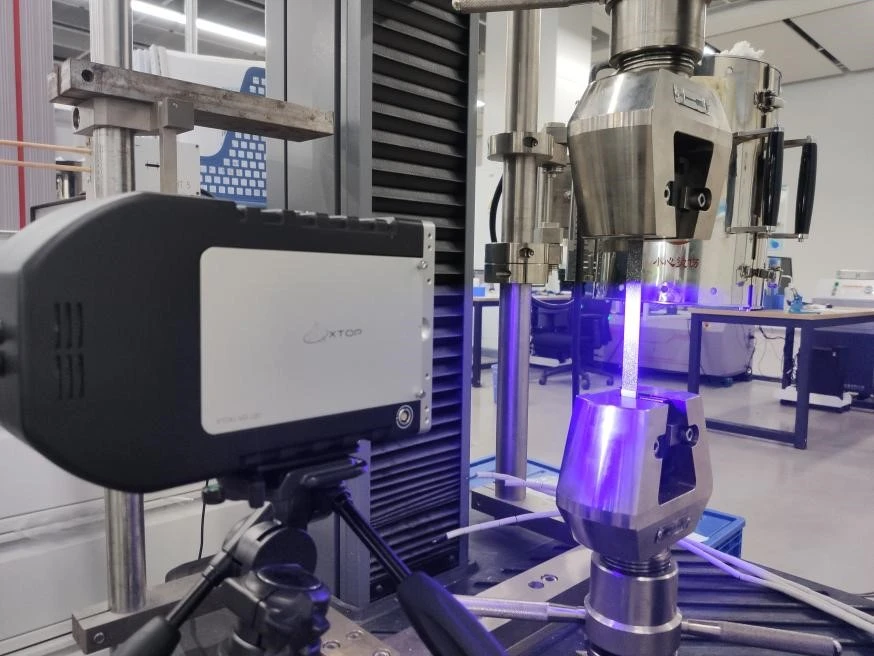
Verifying Material Mechanical Properties with XTDIC-VG
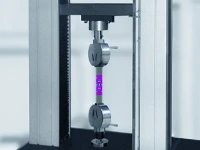
Based on the principles of Digital Image Correlation (DIC) technology, the XTDIC-VG video extensometer system utilizes a single-camera optical design and sub-pixel displacement measurement algorithms to perform high-precision, real-time measurement of transverse and longitudinal strains during material tensile tests.
By applying a speckle pattern to the specimen surface and using the resulting grayscale matrix to track displacement and strain, this system offers a non-contact, non-interfering, full-field optical strain measurement method.
XTDIC-VG is available in models with fields of view (FOV) of 60 mm, 120 mm, and 240 mm, meeting the majority of material testing requirements; the measurement FOV can be adjusted—scaled up or down—according to the magnitude of material deformation in the specific testing scenario.
Mechanical Testing of Carbon Fiber Materials
Due to the small size of carbon fiber specimens, the two-point strain calculation method used by traditional extensometers can lead to significant errors. The XTDIC-VG video extensometer enables multi-point, full-field strain measurement, allowing for the real-time monitoring of strain, displacement, elastic modulus, and Poisson's ratio, thereby greatly enhancing the accuracy of tensile measurements for carbon fiber materials.
Parameters such as elastic modulus and Poisson's ratio of carbon fiber material specimens
Large Deformation Testing of Rubber Materials
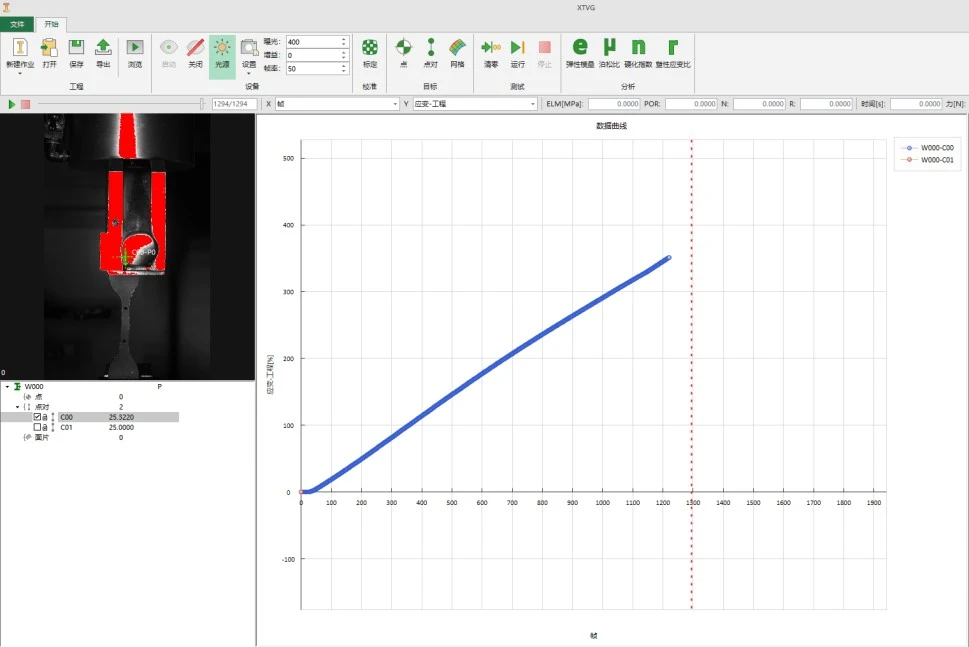
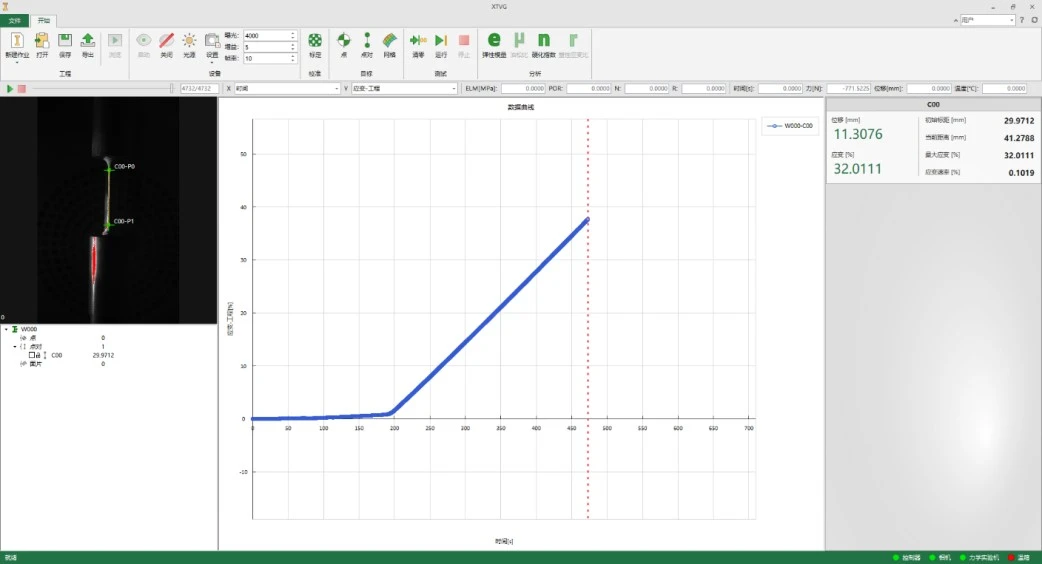
Rubber materials exhibit low resistance to tensile deformation; consequently, with traditional contact-based measurement methods, the weight of the extensometer and the clamping force can induce additional deformation in the specimen, thereby compromising the accuracy of performance measurements. The XTDIC-VG video extensometer employs non-contact measurement technology to precisely track tensile deformation in real time. When integrated with a testing machine, it enables the real-time measurement of parameters required by standards—such as elongation, elongation at break, and Poisson's ratio—throughout the process of large deformation.
Tensile deformation test parameters for rubber materials; deformation reaches 350%.
High-Temperature Testing of Rod-Shaped Materials
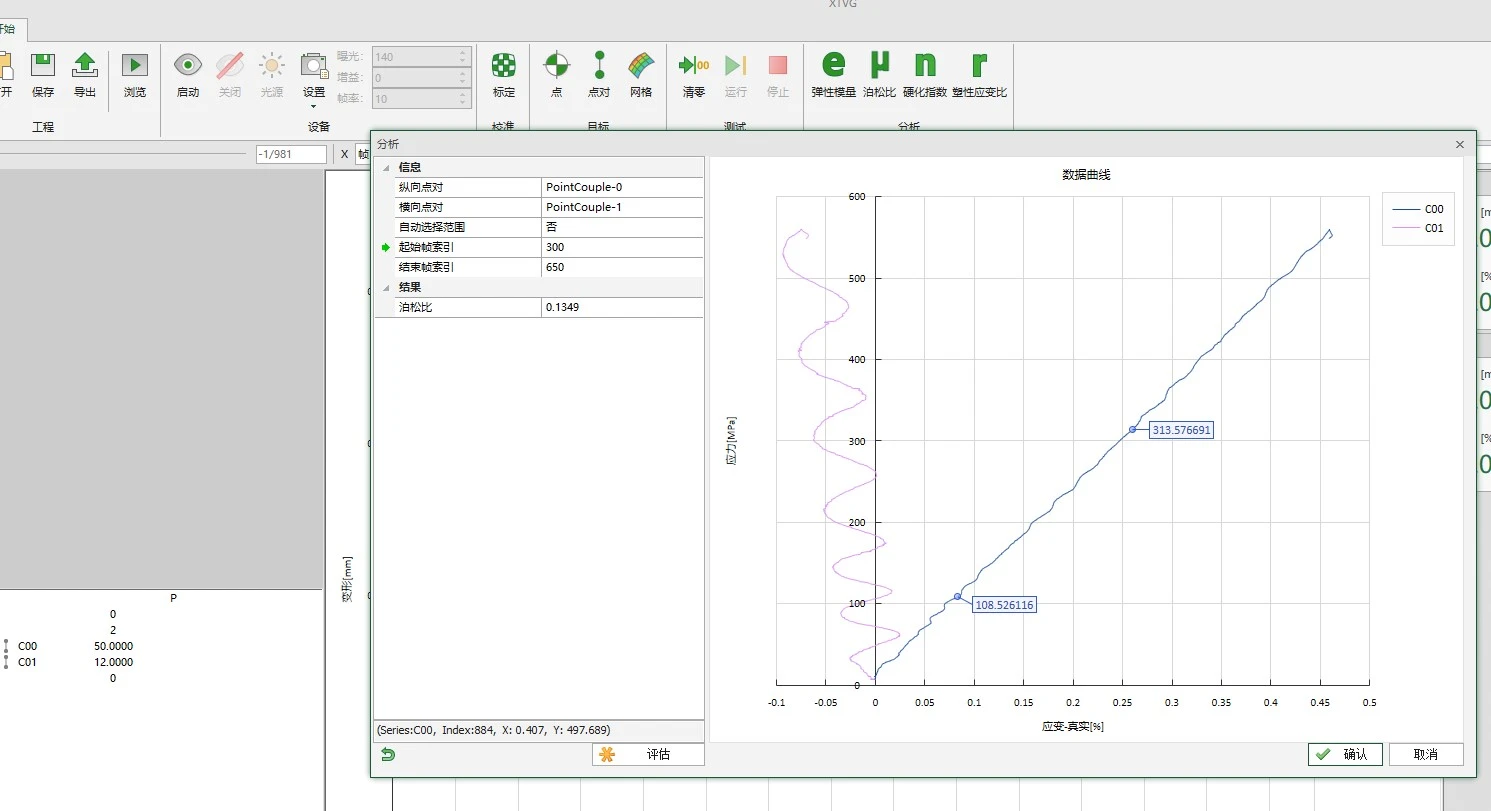
High-temperature test chambers are essential testing equipment in fields such as materials research; they are used to evaluate and determine the parameters and performance of products and materials subjected to high-temperature or constant-temperature environments. The XTDIC-VG video extensometer is capable of capturing clear images even in high-temperature environments, enabling the mechanical property testing of materials and the output of parameters such as stress-strain curves, Young's modulus, and Poisson's ratio.
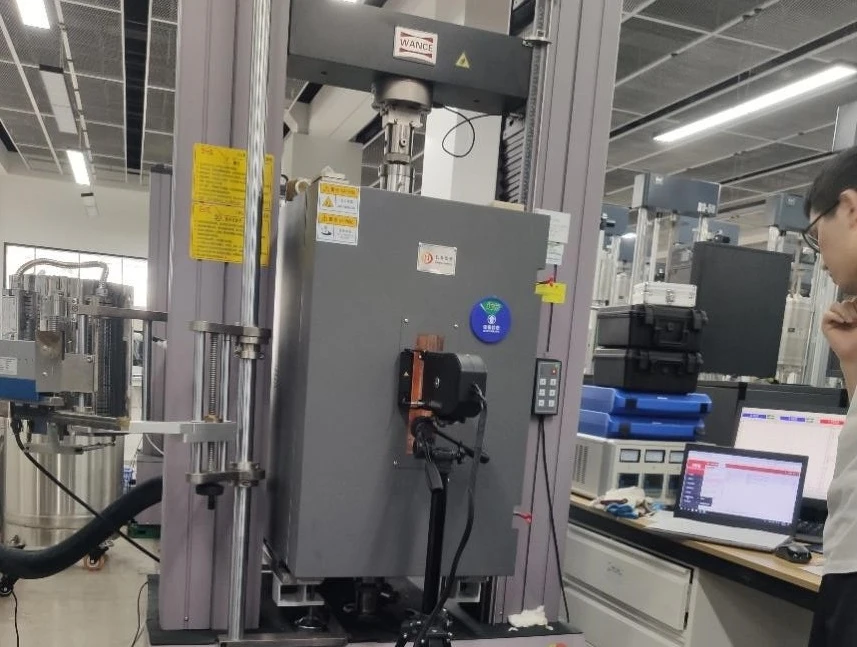
Displacement and strain testing of rod-shaped materials at various temperatures
Poisson's ratio parameter for rod-like materials
Tensile Testing of Filamentous Materials
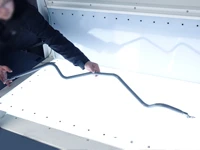
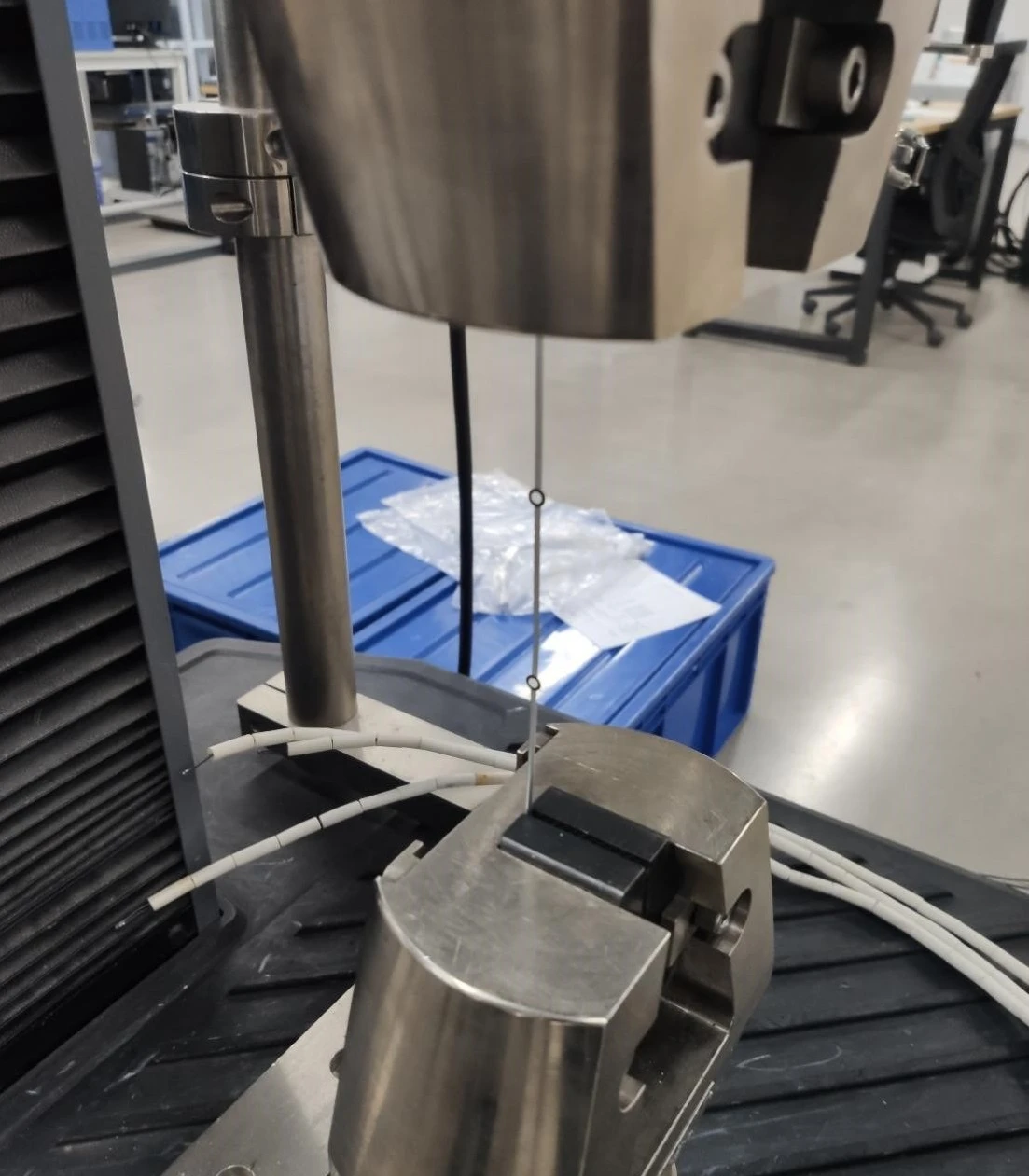
Due to constraints such as their small volume, testing the mechanical properties—such as yield, strength, and elongation—of filamentous materials requires equipment capable of handling small-scale measurements, in addition to ensuring compatibility between the grips and the loading system. The XTDIC-VG video extensometer employs a non-contact measurement method that imposes minimal restrictions regarding specimen size or material, making it ideally suited for testing small-scale specimens.
Tensile data curve for filamentary materials
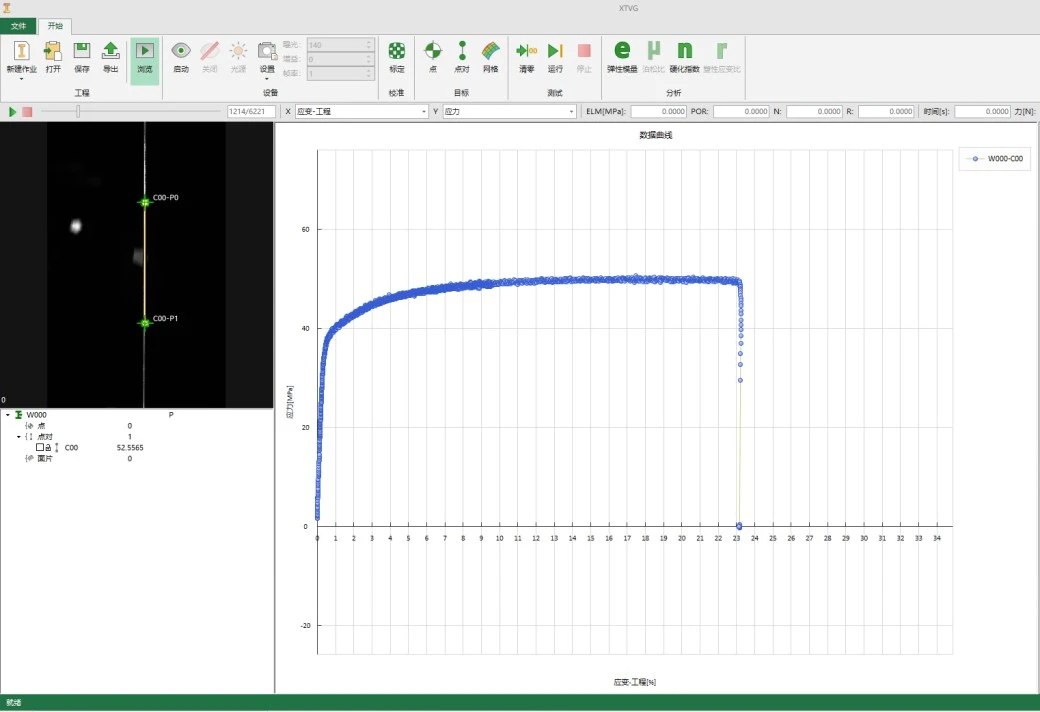
Real-time full-field strain testing
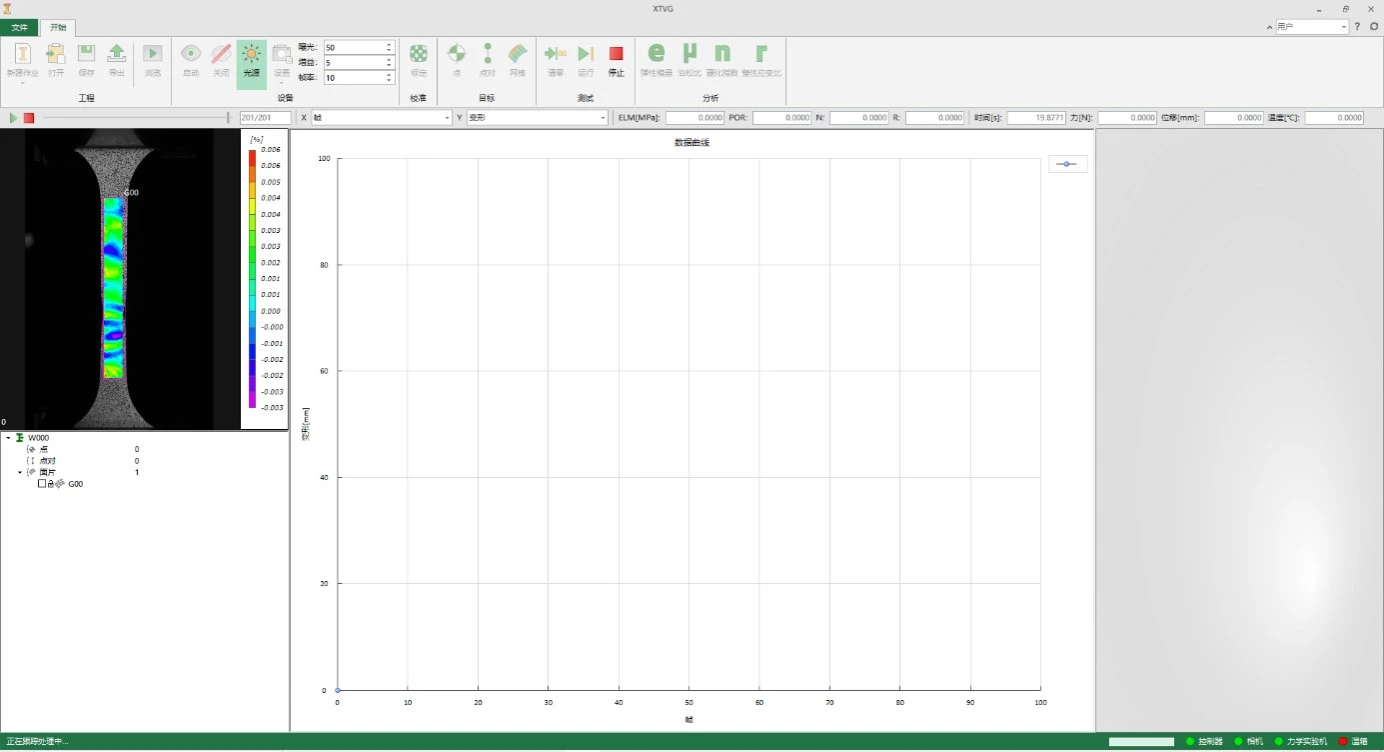
Novel materials exhibit diverse properties and operate in complex environments, presenting new challenges for performance testing. Video extensometers serve as vital tools in mechanical property testing, providing robust data to support the practical application of these materials.
The XTOP3D XTDIC-VG video extensometer is suitable for a wide range of mechanical tests, capturing high-precision, real-time strain data. It supports communication with loading devices—such as testing machines and in-situ stages—making it an excellent solution for measuring strain in both soft and rigid materials under complex conditions.