I. Overview
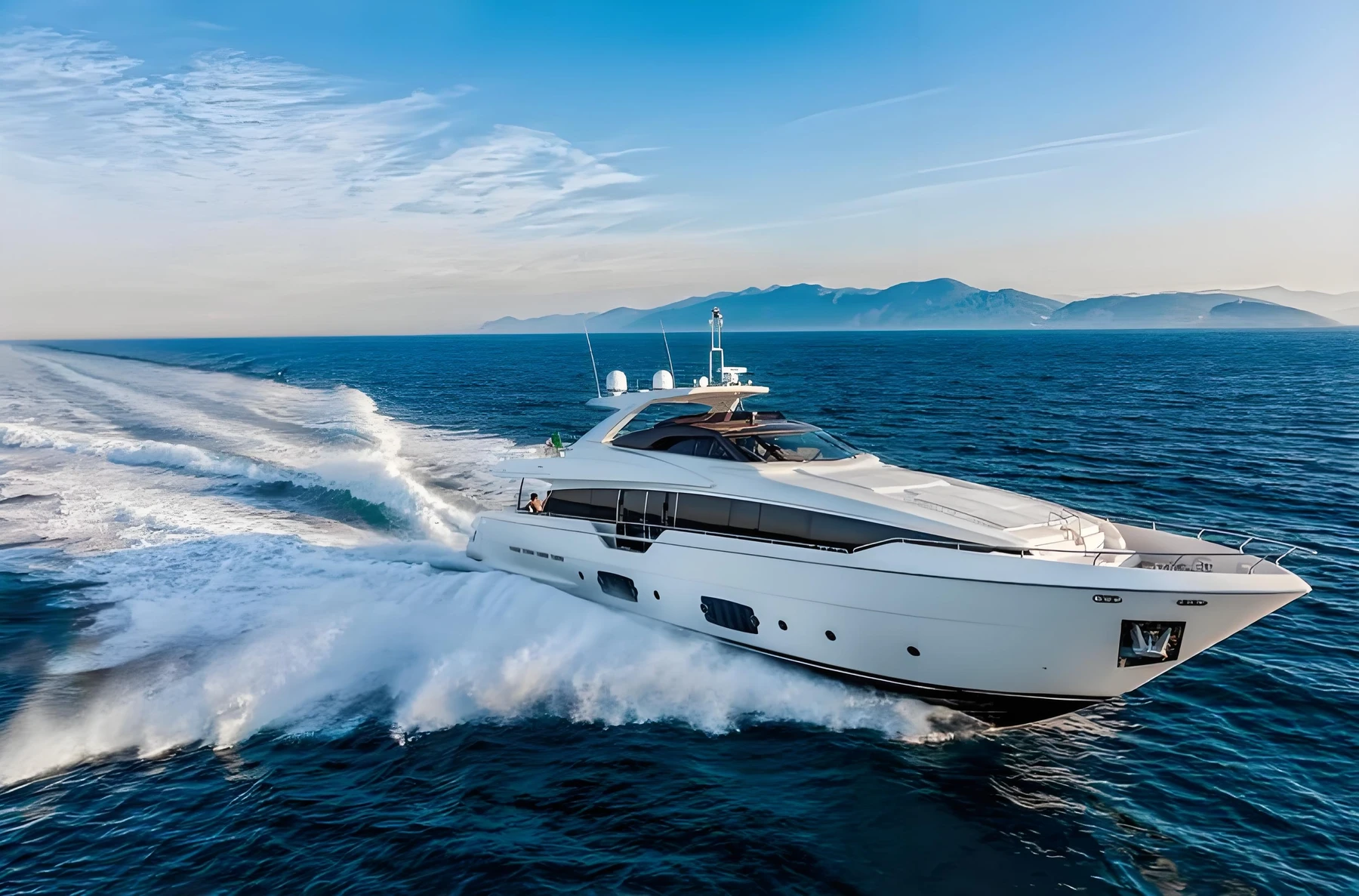
The yacht industry is rapidly evolving towards personalized customization, lightweighting, domestic production, and the refurbishment of older vessel models. Traditional methods—such as 2D surveying, manual modeling, and conventional 3D scanning—are no longer adequate for the reverse engineering requirements associated with yachts, which are characterized by large dimensions, complex curved surfaces, specialized materials, and stringent assembly precision standards.
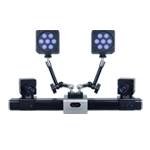
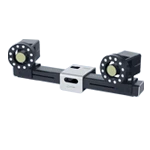
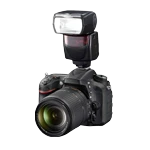
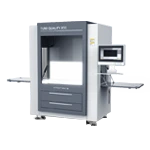
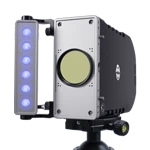
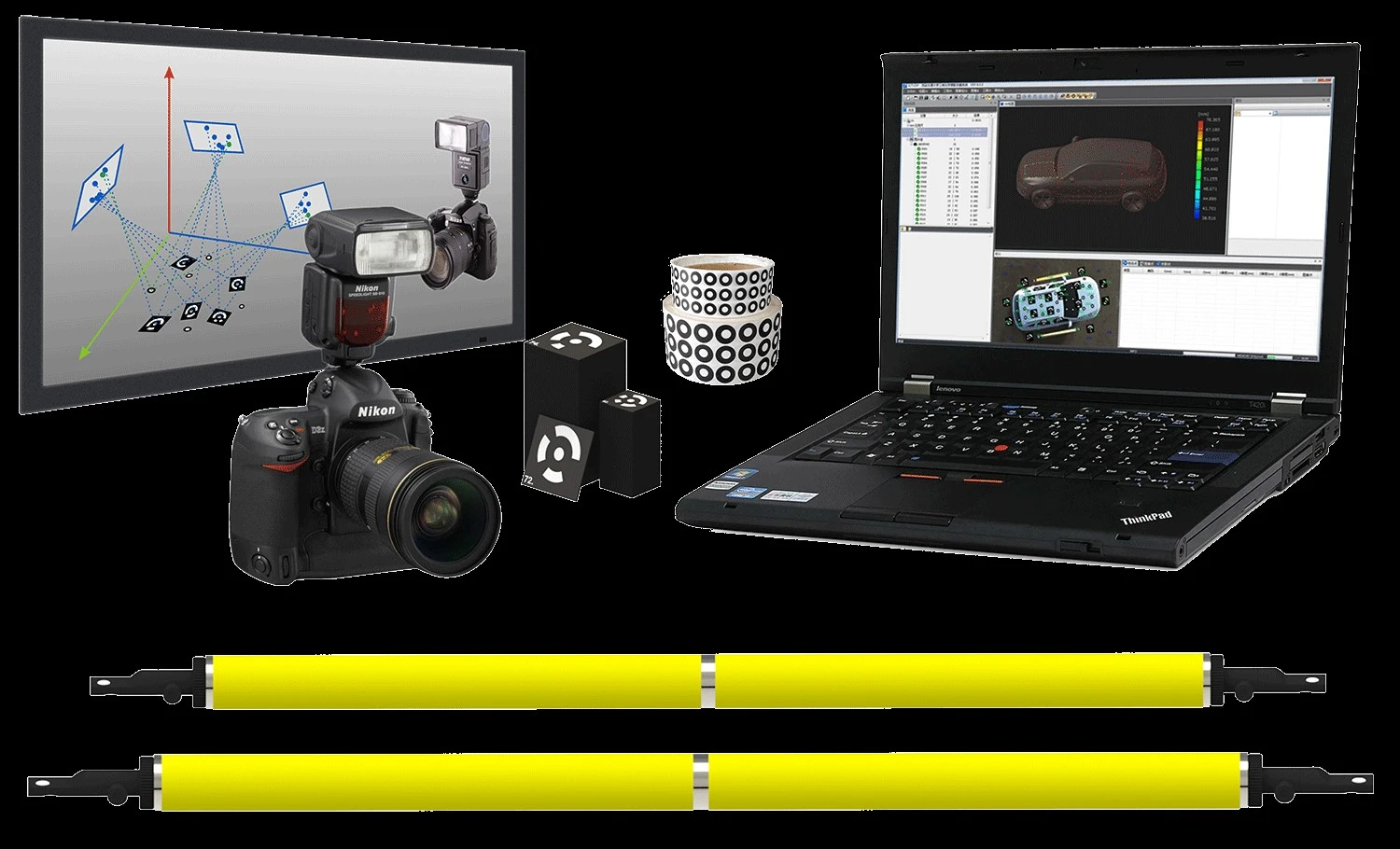
The XTOP3D XT-DP 3D photogrammetry system is an industrial-grade close-range photogrammetry device. Leveraging core advantages such as high precision, broad applicability, portability, high efficiency, and non-contact measurement, it provides a one-stop solution for the full-scale reverse engineering of yachts.
For yacht components such as complete hulls, curved cabin structures, propellers, and fiberglass skins, the system rapidly acquires high-precision 3D coordinate data to perform point cloud acquisition, model reconstruction, dimensional verification, and design optimization. It addresses industry pain points—such as insufficient accuracy and low efficiency in reverse modeling, as well as measurement limitations for large components—thereby enabling yacht manufacturers to accelerate replication and modification, new product development, domestic substitution, and quality upgrades.
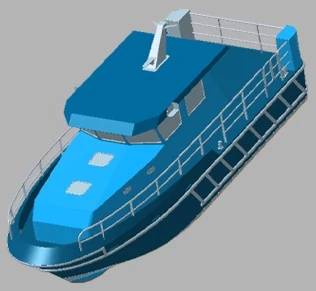
II. Pain Points in the Yacht Reverse Engineering Industry
Yachts are high-end marine vessels characterized by large dimensions, complex curved surfaces, and a variety of materials; their hulls are primarily constructed from flexible composite materials such as fiberglass and carbon fiber. Traditional reverse engineering methods face numerous bottlenecks that constrain the efficiency of research, development, and modification:
-
Challenges in reverse engineering large-scale components: Yacht dimensions range from several meters to thirty meters, yet traditional measuring tools cannot meet the high-precision reverse modeling requirements for hull surfaces, profiles, and curvature.
-
Material compatibility issues: Yacht materials—such as fiberglass and carbon fiber—feature smooth, reflective finishes, while flexible skins are prone to deformation; contact-based measurement risks compressing or damaging components.
-
Low efficiency and high costs: Traditional workflows involving point-by-point mapping and segmented scanning/stitching are cumbersome, labor-intensive, and time-consuming; reverse modeling a large yacht can take weeks, making rapid design modifications unfeasible.
-
Limitations on outdoor operations: On-site yacht environments are complex with variable lighting, whereas most precision measuring equipment demands strict environmental conditions, lacks portability, and offers poor interference resistance, rendering them unsuitable for outdoor reverse engineering scenarios.
III. Advantages of XT-DP 3D Photogrammetry (Suitable for Yacht Reverse Engineering Scenarios)
Addressing the specific challenges associated with yacht reverse engineering, the XT-DP 3D photogrammetry system overcomes the limitations of traditional measuring equipment. Its core performance capabilities precisely align with the requirements for measuring large-scale yachts with high precision across diverse scenarios and materials. Its key advantages are as follows:
-
Industrial-grade precision to prevent error accumulation: The system achieves a maximum measurement accuracy of ±0.015 mm/m, making it ideal for the reverse modeling of large yacht components; it overcomes accuracy degradation issues associated with measuring large hulls and long, curved surfaces, ensuring precise modeling lines and curvature that faithfully matches the physical object.
-
Compatible with yacht materials: Utilizing non-contact optical measurement, the system eliminates the need to touch the yacht's surface, thereby preventing deformation from pressure or damage to the paintwork; it effectively mitigates data loss and noise caused by reflections on smooth, curved surfaces, ensuring exceptional data integrity.
-
Ultra-portable design for versatile operations: The lightweight, portable equipment can be carried and operated by a single person; eliminating the need for a fixed measurement station, it enables on-site 3D photogrammetry directly at dry docks or marinas, demonstrating outstanding environmental adaptability.
-
Efficient reverse modeling to shorten R&D cycles: Multi-angle imaging allows for the rapid calculation of global 3D coordinates and the batch acquisition of data on key points and surface features, significantly reducing the time required for yacht modeling and design modifications.
IV. Implementation Process of the Comprehensive Solution
Integrating a standardized R&D workflow for yacht reverse engineering and utilizing the XT-DP 3D photogrammetry system, the reverse engineering solution for yacht 3D model reconstruction is executed through the following steps:
Step 1: Preliminary Preparation and On-site Marker Placement
Define the measurement scope based on the specific yacht components (e.g., the entire hull, specific curved surfaces, precision fittings, or interior structures). Affix coded markers to the component surfaces and use high-precision scale bars to establish a calibration reference.
Step 2: Multi-angle Image Data Acquisition
Capture images from multiple angles and all directions around the yacht components, ensuring full coverage of key features such as hull curvatures, edges, assembly reference points, and complex geometries. A single operator can complete the data capture for a full-sized yacht, ensuring a highly efficient and convenient workflow.
Step 3: Fully Automated 3D Data Processing
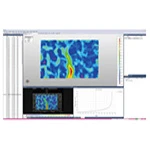
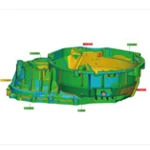
Import the captured images into the XT-DP measurement software to automatically identify coded markers, match images, and calculate 3D coordinates, rapidly generating point cloud data. The output data includes comprehensive information on dimensions, curvature, and spatial positioning, meeting the high-precision standards required for luxury yacht R&D.
Step 4: Point Cloud Optimization and Model Reconstruction
Import the optimized point cloud data into professional reverse modeling software to reconstruct hull surfaces, fit structural elements, and model fittings. This process accurately reproduces the lines, curvatures, and assembly relationships of the physical prototype, effectively resolving issues such as surface distortion and structural misalignment often encountered in traditional modeling methods.
V. Core Industry Application Scenarios
1. Reverse Engineering and Redesign of New Vessel Models
For the reverse engineering and iterative upgrading of yachts and classic vessel models, the XT-DP 3D photogrammetry system is used to rapidly acquire comprehensive 3D data models. This allows for the precise reconstruction of streamlined hull surfaces, cabin structures, deck layouts, and waterline designs, facilitating dimensional fine-tuning, aesthetic redesigns, and structural optimizations, thereby reducing R&D costs for new products.
2. Refurbishment and Retrofitting of Existing Yachts
Older yacht hulls are prone to issues such as surface deformation, paint degradation, and structural wear, making precise refurbishment difficult without original 3D blueprints. The XT-DP 3D photogrammetry system enables the non-destructive capture of accurate 3D data from aging hulls; by comparing this data against original design standards, it provides the necessary information to support hull repair, surface reshaping, and structural reinforcement.
3. Reverse Engineering and Repair of Yacht Molds
Yacht hulls (typically fiberglass) and carbon fiber components rely on molds for formation, yet traditional molds are susceptible to wear over time. The XT-DP 3D photogrammetry system is utilized to rapidly reverse-engineer the mold's original standard model and analyze current deformation deviations. This facilitates mold repair, replication, and optimization, ensuring surface accuracy and dimensional consistency in the manufactured yacht components.
6. Summary of the solution
Relying on the core advantages of high precision, high portability, strong environmental adaptability, and full material adaptation, the XT-DP 3D photogrammetry system solves the core pain points of reverse surveying and mapping of large-scale, complex curved surfaces, and flexible components in the yacht industry, and builds a set of efficient, accurate, low-cost, and full-scenario yacht reverse engineering solutions. This solution can fully cover business scenarios such as new yacht product development, ship model modification, and old renovation, helping yacht companies improve R&D efficiency, optimize product quality, reduce production costs, and help the yacht industry develop high-quality in the direction of digitalization, high-end, and localization.