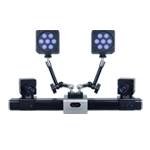
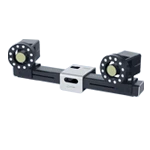
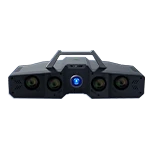
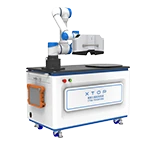
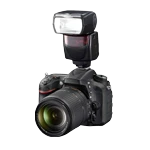
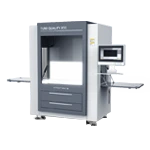
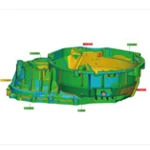
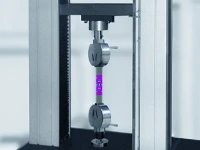
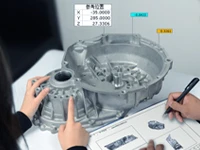
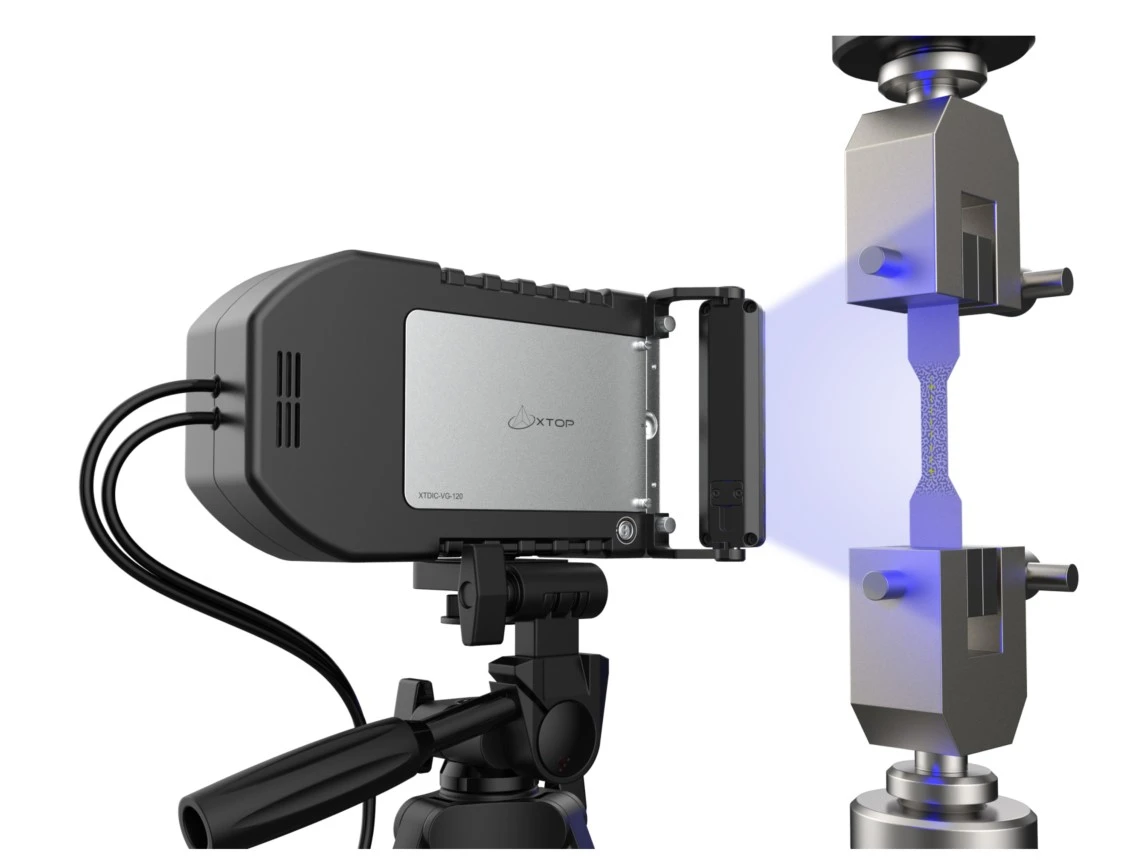
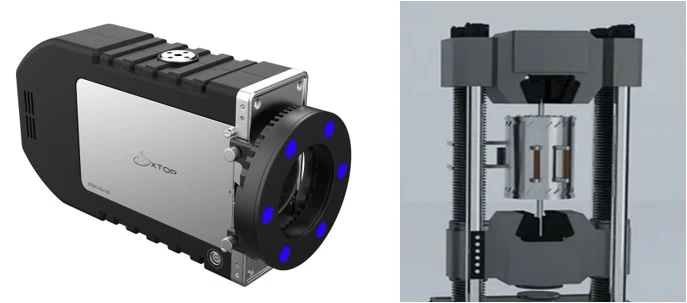
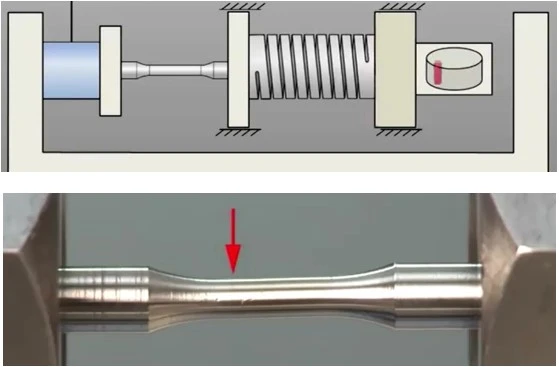
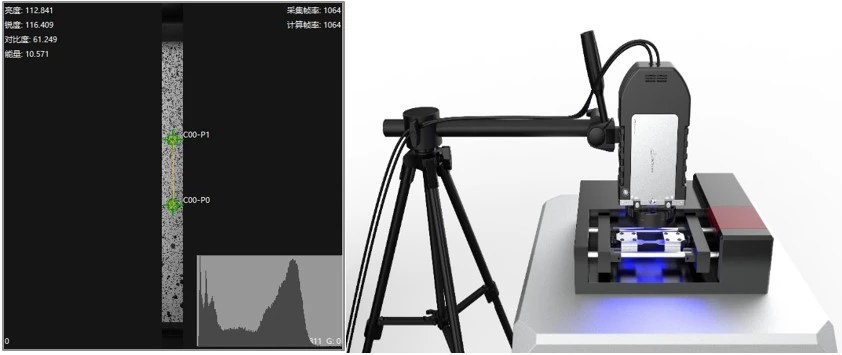
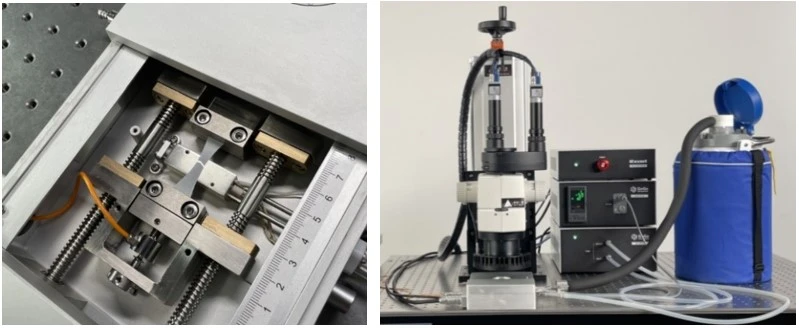
A video extensometer is a non-contact instrument for measuring deformation; it neither touches nor damages the specimen, enabling high-precision measurement right up to the point of specimen failure. Utilizing optical imaging technology, it magnifies the image for clear visibility and records data synchronously, allowing for simultaneous transverse and longitudinal measurements. It is easy to calibrate and compatible with standard testing machine software.
So, what are the key features of the XTDIC-VG series video extensometers independently developed by XTOP3D, and what are their typical application scenarios? To provide a clearer understanding of the functional modules, typical use cases, and operational advantages of the XTDIC-VG video extensometer, we have prepared this article—let’s take a closer look!
Introduction to the XTDIC-VG Video Extensometer
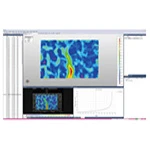
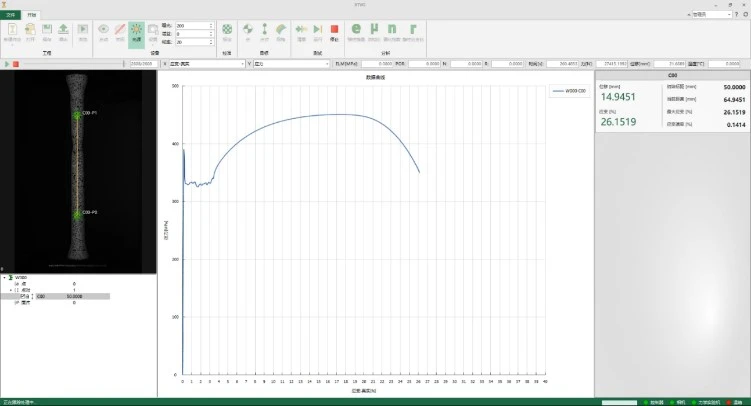
The XTDIC-VG video extensometer is based on Digital Image Correlation (DIC) technology. By capturing continuous images of a specimen during loading and tracking marked features in real time, it achieves rapid, reliable measurements with sub-pixel precision. The system calculates and outputs various data types, including target coordinates, displacement, and strain.
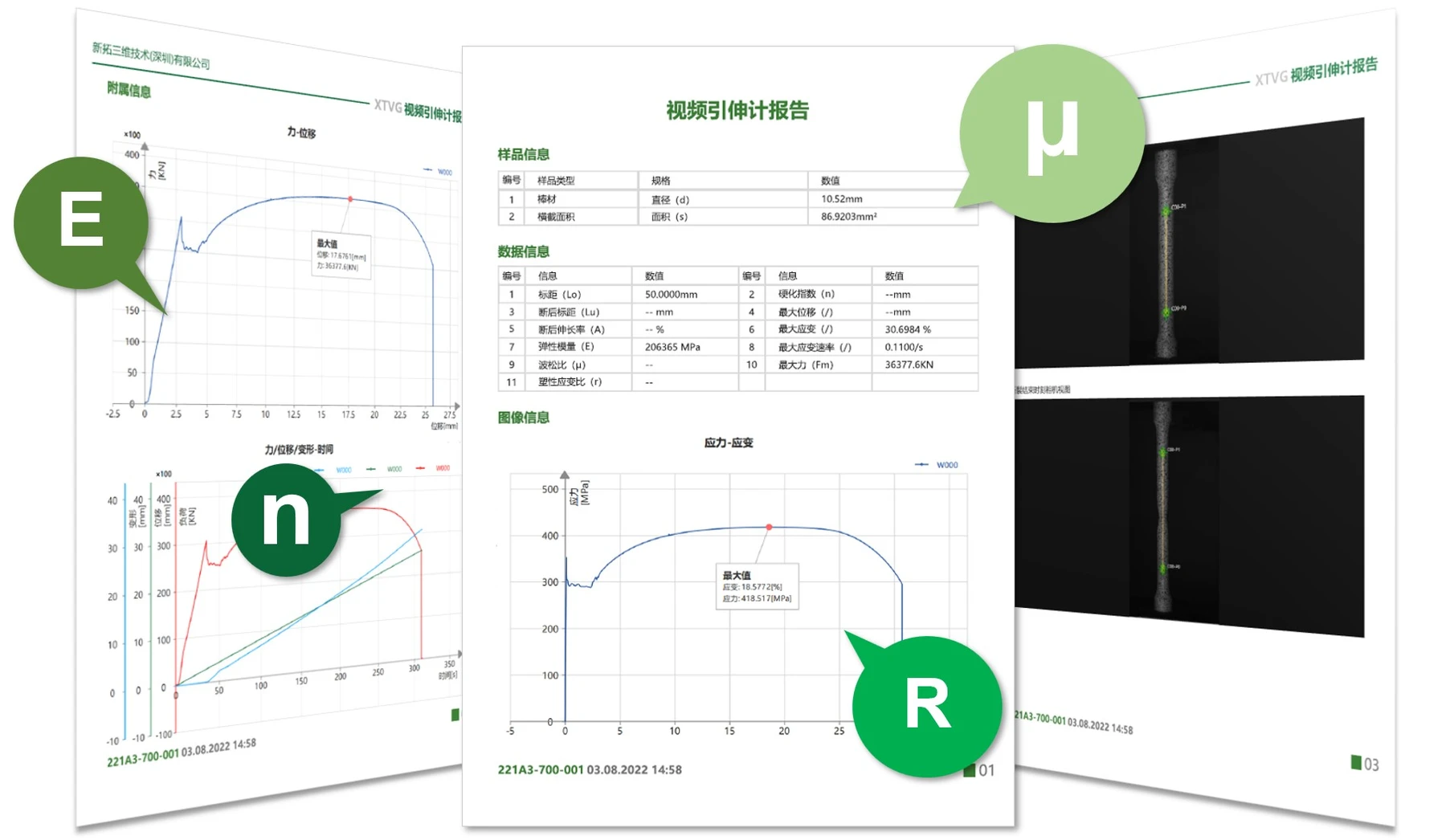
The XTDIC-VG offers convenient calibration and does not require precise alignment with the test specimen. It communicates with various testing machines to acquire force data and output strain measurements. Developed using DIC technology, the system is suitable for testing scenarios involving large deformations, 3D deformations, thermal deformations, and internal cavity deformations; it is particularly well-suited for characterizing material properties during tensile testing—such as stress-strain curves, Young's modulus, Poisson's ratio, the strain-hardening exponent (n-value), and the plastic strain ratio (r-value).
Compared to traditional contact-type electronic extensometers, the XTDIC-VG video extensometer offers the following advantages:
It eliminates operational issues such as slippage caused by manual clamping, and allows for the flexible setting of gauge lengths and tracking ranges;
It analyzes mechanical properties—such as stress-strain curves and Young's modulus—based on the specimen's inherent features and images captured during deformation;
The testing process is fully traceable and allows for retrospective analysis, achieving measurement precision at the micrometer (μm) level.
Compared to conventional video extensometers on the market, the XTDIC-VG video extensometer offers the following advantages:
It utilizes a "2.5D" underlying algorithm, meaning the camera does not need to be perfectly aligned with the specimen during testing—an industry-first innovation that enables testing from an oblique angle;
Using the XTDIC-VG video extensometer significantly reduces operational complexity and human error, while enhancing testing efficiency and data stability.
Application areas:
-
Application Areas: Suitable for testing small-scale specimens, compression tests, fatigue tests, high-temperature tests, high-speed impact fracture mechanics measurements, concrete material testing, and micromechanical testing;
-
Testing Environments: Ranges from low to high temperatures, including extreme ultra-high-temperature conditions; covers everything from low-cycle fatigue to high-frequency testing;
-
Applicable Materials: Ranges from conventional metals to unconventional materials such as composites, ceramics, rubber, concrete, plastic films, and biological bone and muscle tissues.
Typical application scenarios
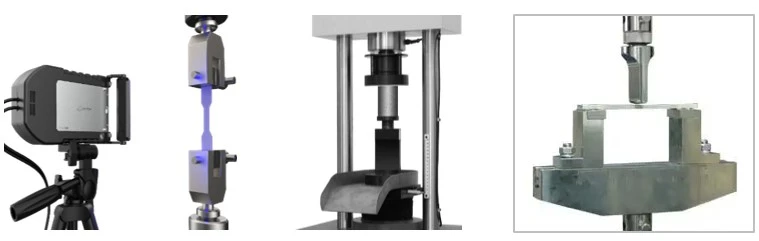
Classic tension-compression-bending test
-
Standard mechanical tests for tension, compression, and bending
-
Simultaneously output load values, specimen elongation, and strain data from the testing machine;
-
Capture images to document the material's condition, recording the entire process—including the elastic, plastic, necking, and fracture stages;
-
Export test data, calculate the material's elastic modulus and Poisson's ratio, and analyze material properties.
High-Temperature Measurement Solution
-
Non-contact high-temperature material testing applications
-
Surface patterning techniques for high-temperature material testing: high-temperature paint, natural surface texture
-
450nm LED light source + narrowband filter
-
Coaxial illumination to address challenges associated with narrow observation windows
Fatigue testing
-
With acquisition rates reaching thousands of frames per second, it is well-suited for periodic measurements in fatigue testing scenarios.
-
Supports peak-to-valley phase-shift acquisition, full-frequency acquisition, and discrete sampling.
-
Suitable for metal fatigue and high/low-temperature fatigue testing.
Micro-field-of-view scheme
-
Material testing with a 1–10 mm field of view using microscopic/telecentric lenses
-
3D stereo microscope calibration technology
-
Micron-scale speckle patterning process
-
Integration with temperature control units for high- and low-temperature material testing
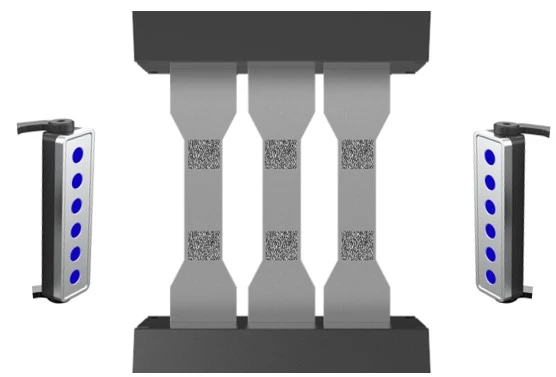
Simultaneous Tensile Measurement Scheme for Multiple Specimens
-
Suitable for tensile testing scenarios involving batch sampling
-
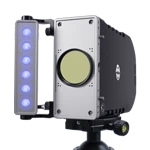
Features a blue-light strobe illumination system that ensures uniform brightness across the entire field of view, enhancing testing accuracy
-
Allows for the simultaneous tracking of multiple point pairs, with analysis results exported in real-time
-
Supports image playback to verify the consistency of tensile properties across the material batch
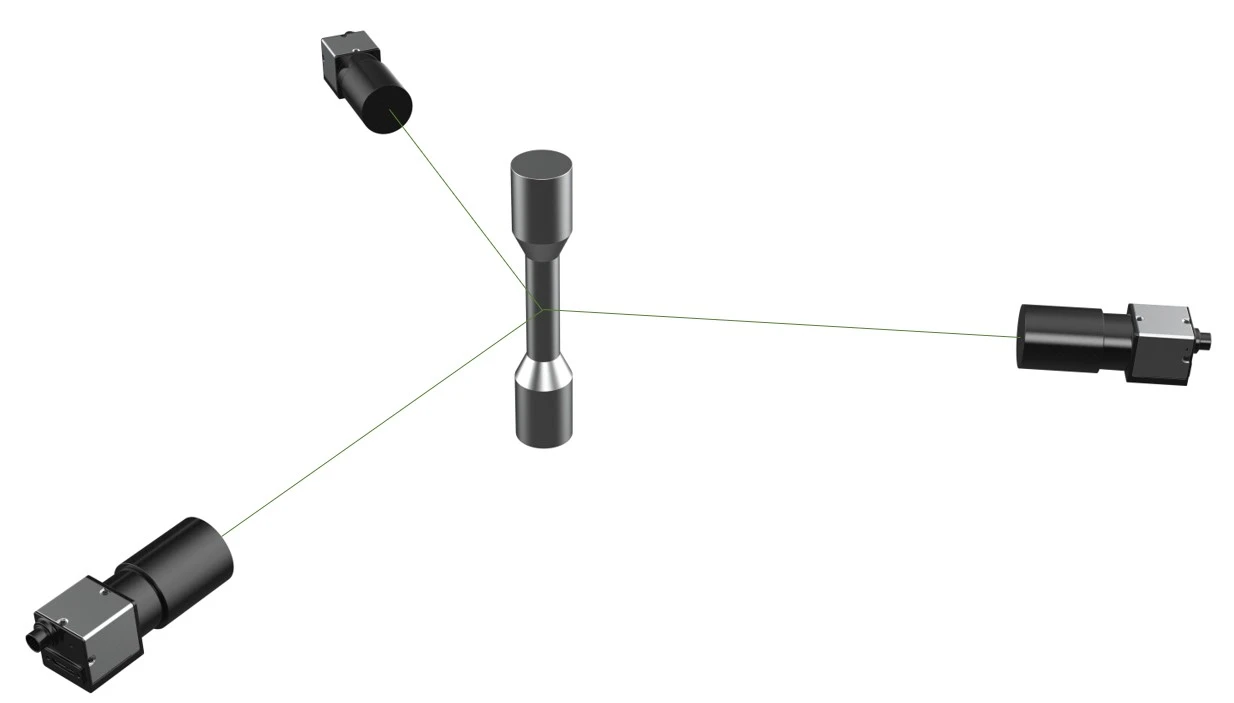
360° Combined Stretching Solution for Rod-Shaped Profiles
-
Three measurement heads are evenly distributed in the same horizontal plane and operate independently to perform 2D data acquisition and analysis; by calculating the average tensile strain, the results are more accurate.
-
The three measurement heads are used in combination within the same horizontal plane to analyze material necking and changes in cross-sectional parameters—such as the major and minor axes of the ellipse and roundness—during the tensile testing of rod-shaped profiles.
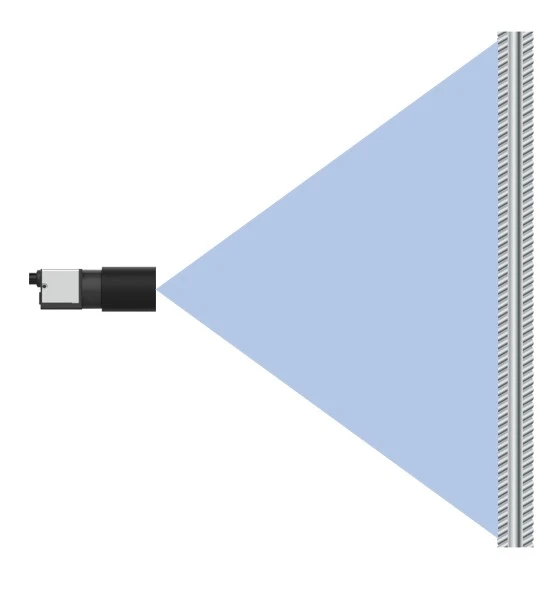
Wide-Field-of-View Single-Probe Measurement Solution
-
Suitable for wide-field-of-view materials testing
-
Offers options for high-resolution camera adapters
-
Flexible and simple installation facilitates equipment setup and maintenance
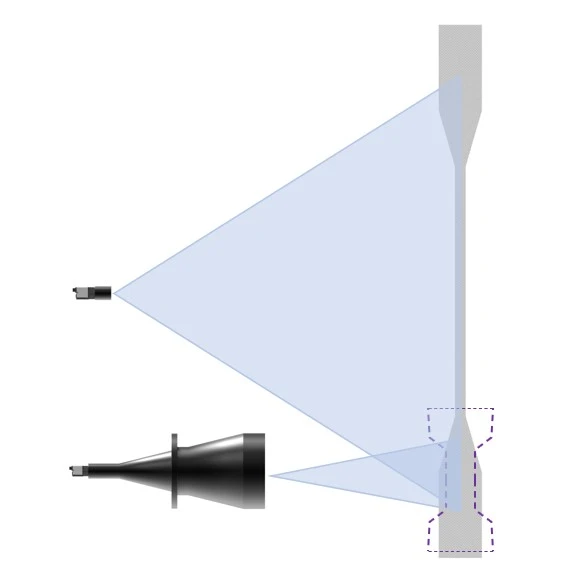
Dual-range probe combination solution
-
Suitable for tensile testing of highly ductile materials, such as rubber, carbon fiber, gels, and polymers.
-
For the low-strain phase, the system employs a dedicated camera paired with a telecentric lens to enhance measurement precision. For the large-deformation phase, a separate camera with a standard lens is used to capture the material's complete deformation process. Seamless data stitching between these two phases is achieved through a feature-based handover mechanism, enabling simultaneous high-precision low-strain measurement and full-field large-deformation analysis of a single specimen in a single test run.
Wide-field multi-probe stitching
-
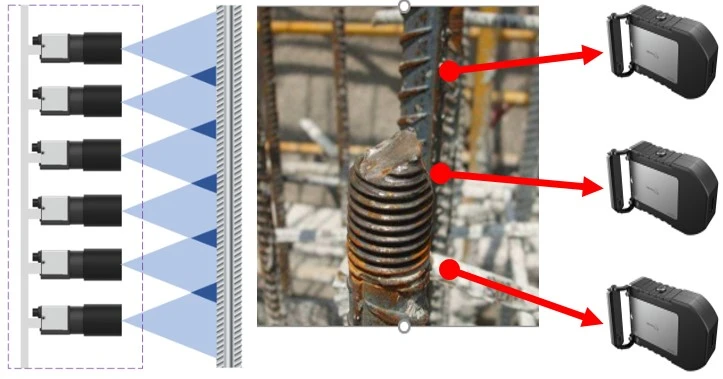
Suitable for large-field-of-view measurement requirements in material testing (e.g., rebar) where the gauge length exceeds 600 mm.
-
Combines single-camera calibration with global error elimination across six (or more) cameras, achieving measurement accuracy meeting the Class 0.5 video extensometer standard.
-
Seamless image stitching between adjacent sensor heads is achieved via feature-based relay, ensuring continuous recording throughout the test.
-
Fully compatible with XTDIC-VG software; requires the use of corresponding multi-camera stitching measurement heads.