When using similar-material models to quantitatively analyze fracture development and failure patterns during the excavation process, conventional methods involve capturing images of fracture evolution with digital cameras and subsequently describing or representing them through techniques such as manual sketching or digital image processing (e.g., binarization). However, binarization can affect image analysis; it may lead to the loss of image details and introduce errors when extracting morphological information regarding fine fractures.
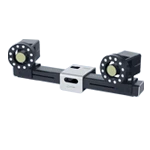
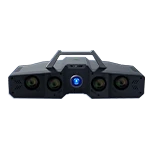
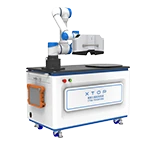
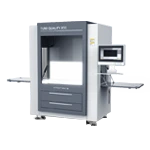
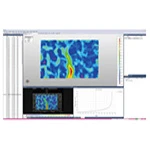
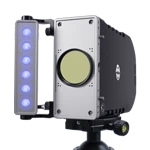
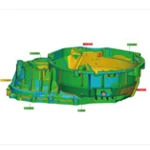
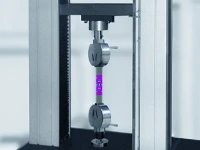
The XTOP3D XTDIC 3D full-field strain measurement system is a non-contact measurement technology. It captures speckle images of an object under varying loads and employs correlation-matching algorithms to analyze the images, thereby quantitatively extracting full-field displacement and strain response data. This system is utilized for measuring full-field displacement and deformation, as well as for the quantitative analysis of fracture development and failure patterns.
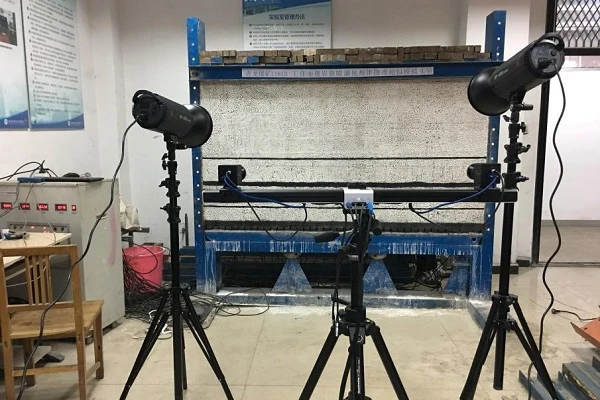
Due to advantages such as non-contact operation, real-time dynamic measurement, and high resolution, Digital Image Correlation (DIC) is widely applied to study the fracture processes of standard rock specimens and materials containing defects like pre-existing cracks. DIC technology facilitates the study of displacement fields associated with model deformation and the extraction and analysis of strain field data; it also offers distinct advantages for crack detection.
① For models made of similar materials—which are characterized by material heterogeneity, surface roughness, and dimensions far exceeding those of standard rock specimens—creating a high-quality speckle pattern on the model surface is crucial for ensuring measurement accuracy.
② DIC technology allows for the optimal selection of subset size and spacing tailored to specific crack monitoring requirements, thereby enhancing measurement accuracy and reliability.
③ By quantitatively analyzing speckle pattern quality and optimizing DIC computational parameters—and specifically addressing the heterogeneity of similar materials and the non-uniform, large-scale deformations of the models—a dual-parameter threshold method for subset size selection is employed.
Through the proper configuration of the DIC measurement system, careful preparation of speckle patterns, and optimized selection of parameters such as subset size and spacing, this approach effectively detects and quantitatively characterizes crack initiation and propagation in similar-material simulation tests. This provides essential data support for analyzing crack development and failure modes in such experiments.