The precise measurement and control of the coefficient of thermal expansion (CTE) of single-crystal silicon are crucial for ensuring device performance and stability. In semiconductor device manufacturing, where single-crystal silicon serves as the substrate material, its CTE must match that of the crystalline thin film to prevent stress-induced deformation during temperature fluctuations, which could otherwise compromise device performance. In MEMS devices, single-crystal silicon often functions as a structural material; consequently, its CTE significantly influences the dimensional and performance stability of the device.
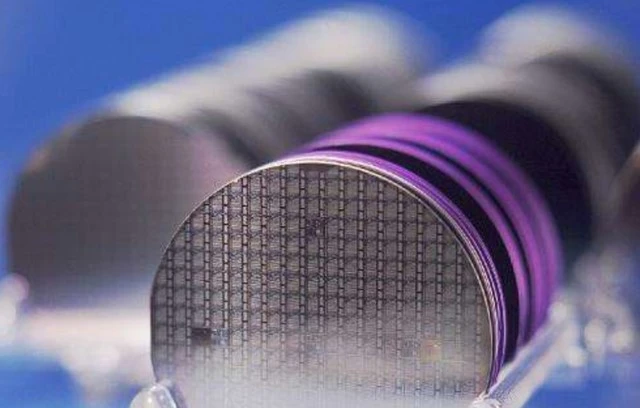
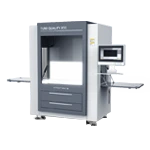
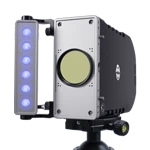
The XTOP3D XTDIC-MICRO microscopic strain measurement system can be paired with an optical heating/cooling stage (–190°C to 600°C) for micromechanical testing of materials, as well as for the testing and analysis of parameters—such as the coefficient of thermal expansion (CTE), warpage, displacement, and strain—in semiconductor chips, materials, and devices. It offers advantages such as high precision and a compact footprint.
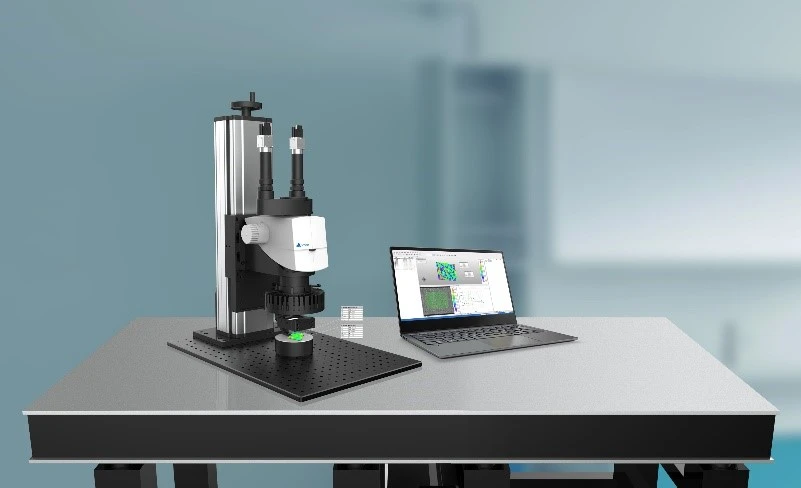
XTDIC-MICRO Micro-scale Strain Measurement System Technical Specifications:
-
Measurement dimensions: 2D, 3D
-
Field of view: 1 mm – 10 mm
-
Measurement accuracy: Up to 20 με; range: 0.005% – 500%
-
Thermal chamber heating unit: -190°C – 600°C
-
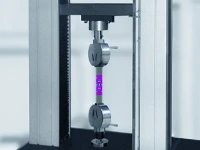
Micro-scale mechanical testing: Testing machine (5000 N)
Micro-DIC Technology for Measuring the Coefficient of Thermal Expansion (CTE)
The CTE of single-crystal silicon can vary with temperature. Therefore, in practical applications, it is necessary to select a suitable single-crystal silicon material based on the specific operating temperature range and to conduct appropriate CTE testing and control.
To determine the CTE of single-crystal silicon, the XTDIC-MICRO microscopic strain measurement system is employed in conjunction with a digitally controlled optical thermal stage, enabling non-contact measurement of the expansion parameter under high-temperature conditions.
Test Objective
A microscopic DIC strain measurement system is used to evaluate the coefficient of thermal expansion (CTE) of single-crystal silicon across various temperature environments. The testing process and results are recorded, and the relevant experimental data can be used to validate the accuracy of analytical models.
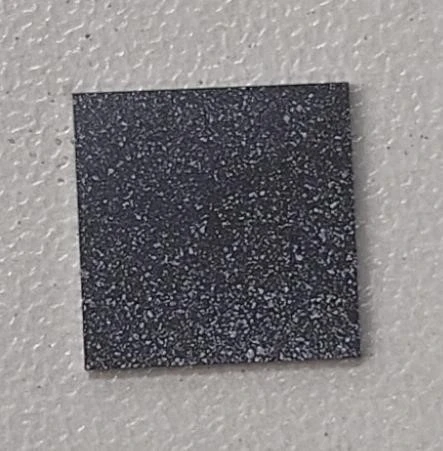
Creating a speckle pattern on the surface of a monocrystalline silicon specimen
Verification of Micro-DIC Measurement Accuracy
Before the experiment, the accuracy of the micro-DIC measurement system was analyzed using a crystalline silicon specimen. The known Coefficient of Thermal Expansion (CTE) for single-crystal silicon is 2.62 × 10⁻⁶/°C (sourced from *Introduction to Integrated Circuits*, p. 13); this value served as the benchmark for verifying the accuracy of the micro-DIC measurements.
The XTOP3D micro-DIC measurement system demonstrated high measurement precision. Data obtained from the initial state comparison are as follows:
-
Average distribution in the X-direction: 2.75E-06 to 2.94E-06
-
Average distribution in the Y-direction: 2.65E-06 to 2.88E-06
CTE Testing Procedure for Monocrystalline Silicon
(1) Before testing, subject the monocrystalline silicon sample to a preliminary heat treatment to eliminate the effects of internal stress.
Heat treatment conditions: Using an optical heating/cooling system, cool the monocrystalline silicon sample to 20°C (using liquid nitrogen), then raise the temperature sequentially to 50°C, 75°C, 100°C, and 125°C. Maintain each temperature for 2–5 minutes; once the temperature stabilizes, use the DIC microscopic measurement system to capture 10 images at an acquisition rate of 1 Hz.
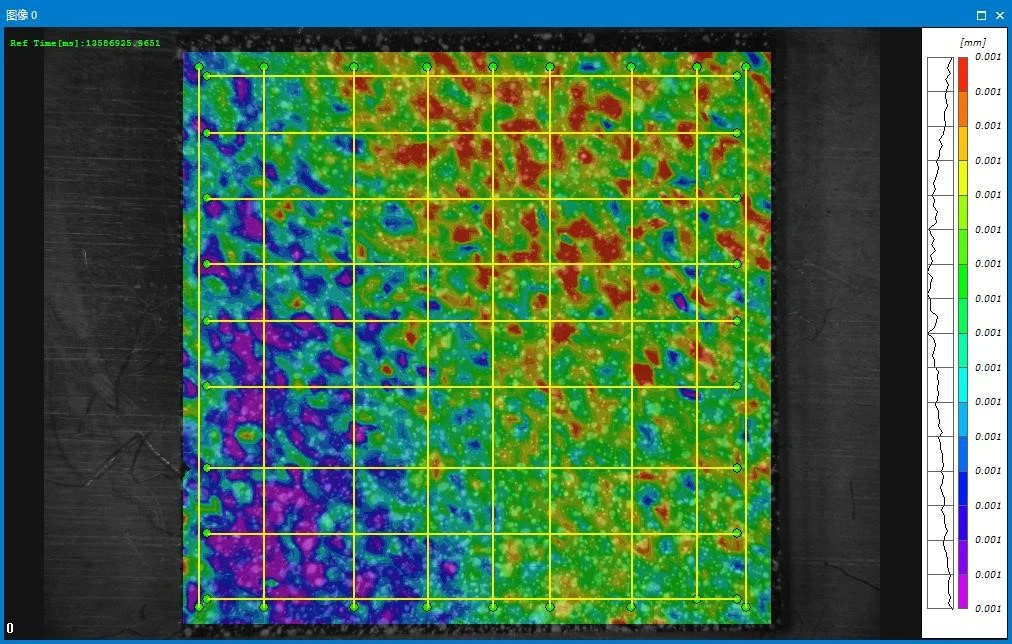
Arrange 9 equidistant points along both the X and Y axes, leaving a 100 μm margin from the edge; orient the sample so the circular marker points to the right. Calculate and record the CTE at various positions along the X and Y axes (once the temperature reaches 125°C and stabilizes for 2 minutes, use the average of the 10 data points).
Analyze the captured images using DIC software to determine the CTE at different locations along the X and Y axes. The Coefficient of Thermal Expansion (CTE)—typically measured as the linear expansion coefficient—is defined as the ratio of the change in length to the original length per unit change in temperature. A lower CTE value indicates better dimensional stability, whereas a higher value indicates poorer stability.
DIC Software CTE Analysis: X-Direction Data Analysis
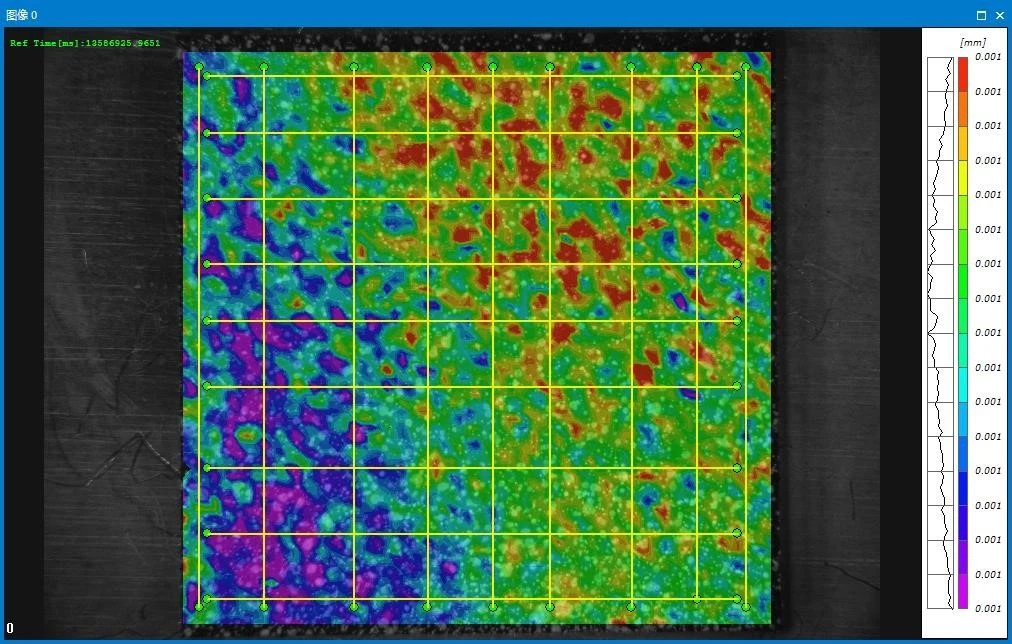
Data analysis involves two computational approaches: one compares data against the preceding state to analyze CTE, while the other compares each state against the initial state to analyze CTE.
X-direction (transverse direction)
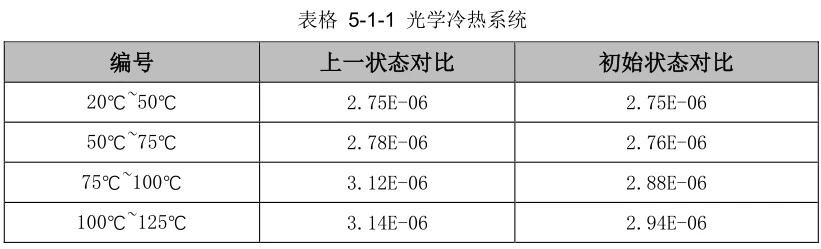
Comparative analysis of CTE against the previous state
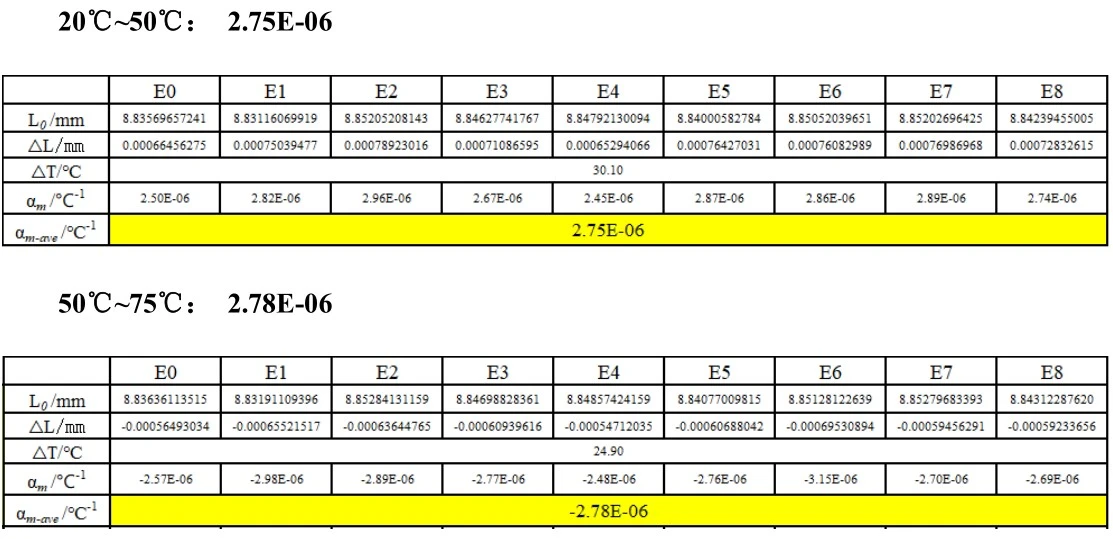
75℃~100℃: 3.12E-06
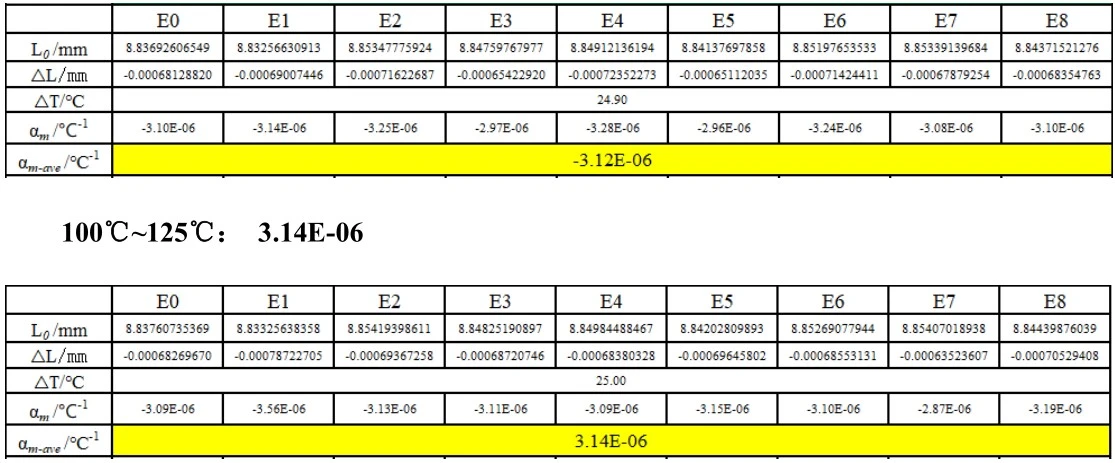
Comparative analysis of CTE against the initial state
20℃~50℃: 2.75E-06

50℃~75℃: 2.76E-06

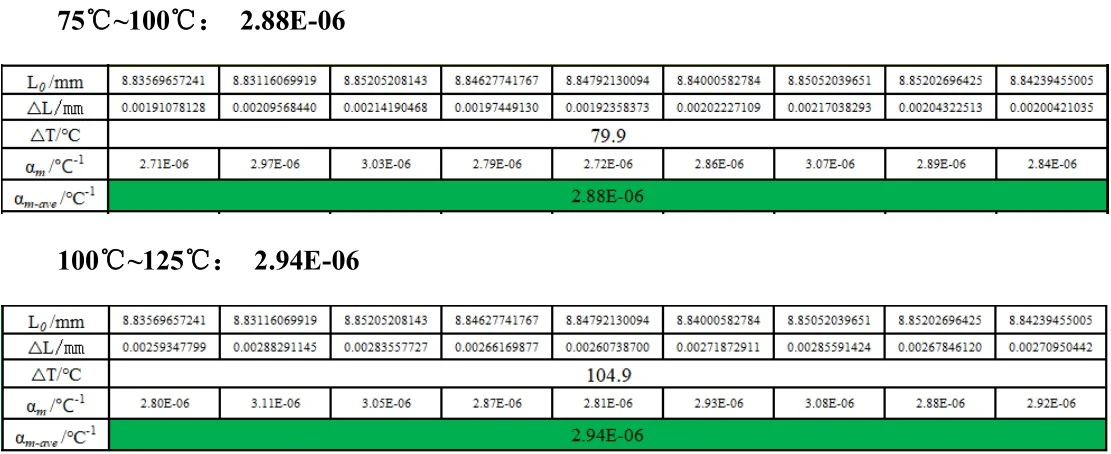
Y-axis data analysis
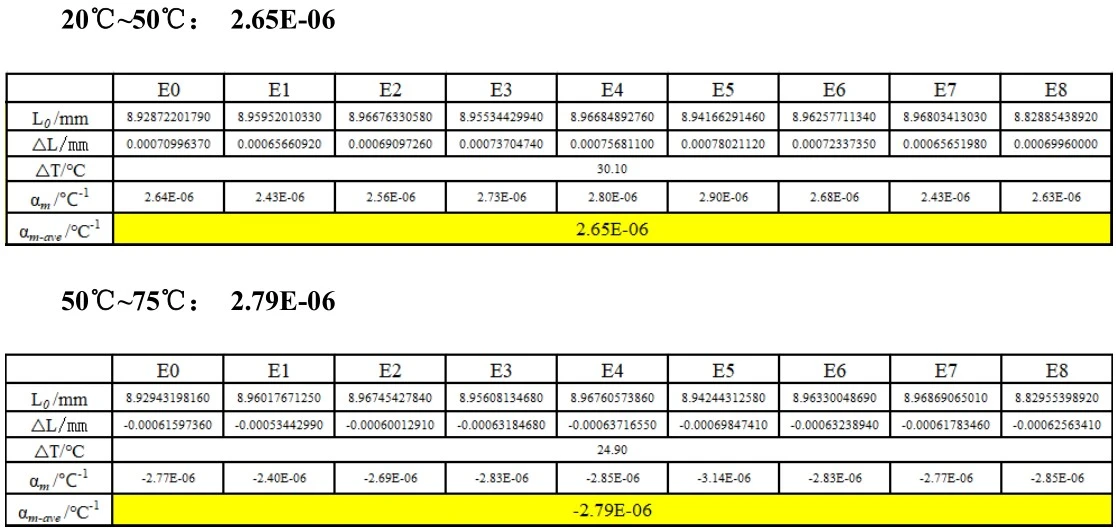
Data analysis involves two computational approaches: one compares data against the preceding state to analyze CTE, while the other compares each state against the initial state to analyze CTE.
Y-direction (transverse direction)
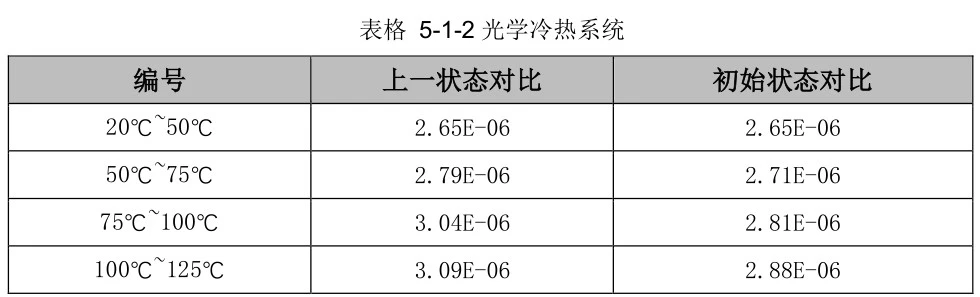
Comparative analysis of CTE against the previous state
75℃~100℃: 3.04E-06
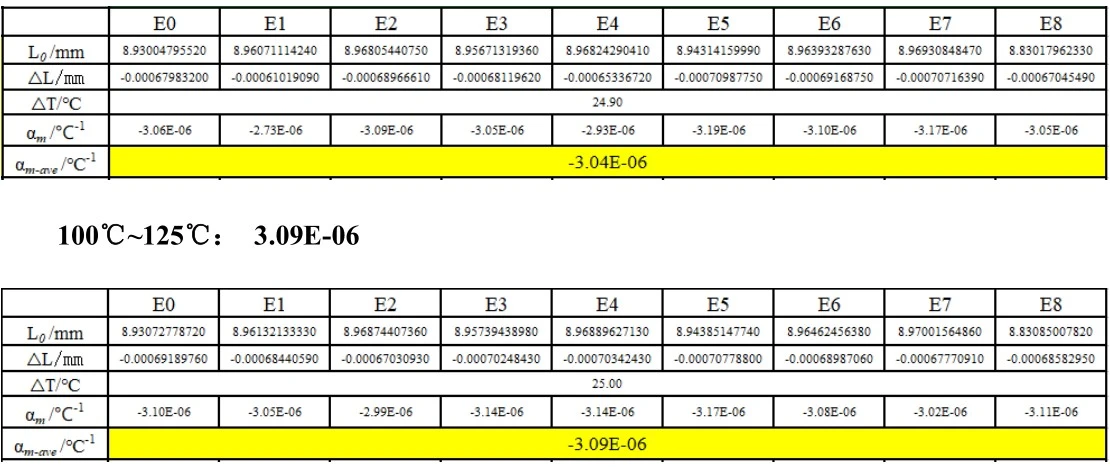
Comparative analysis of CTE against the initial state
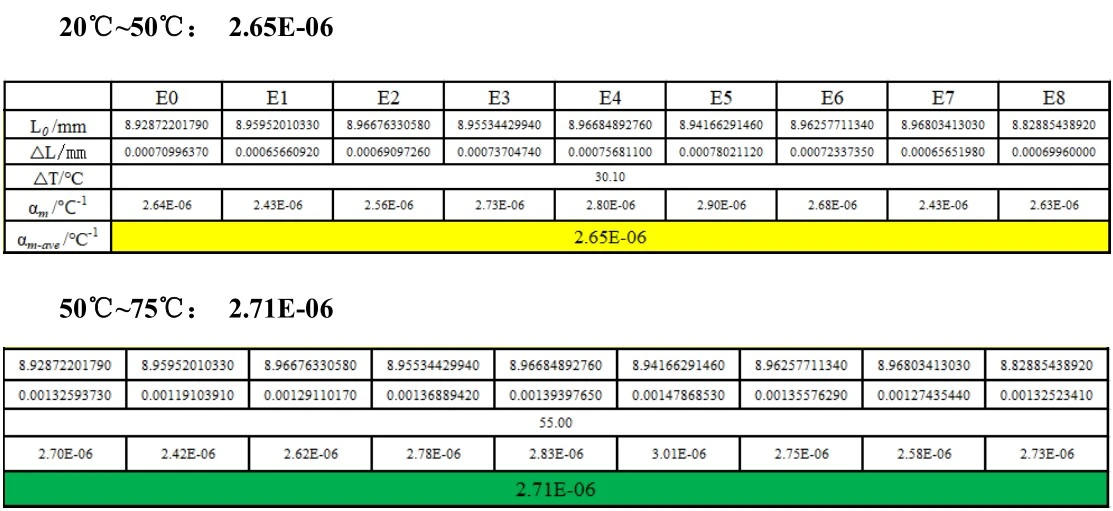
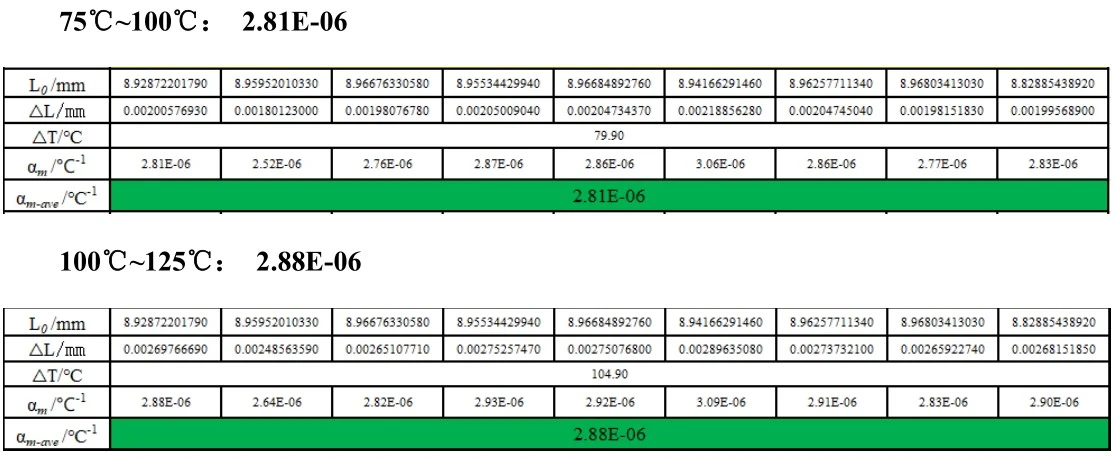
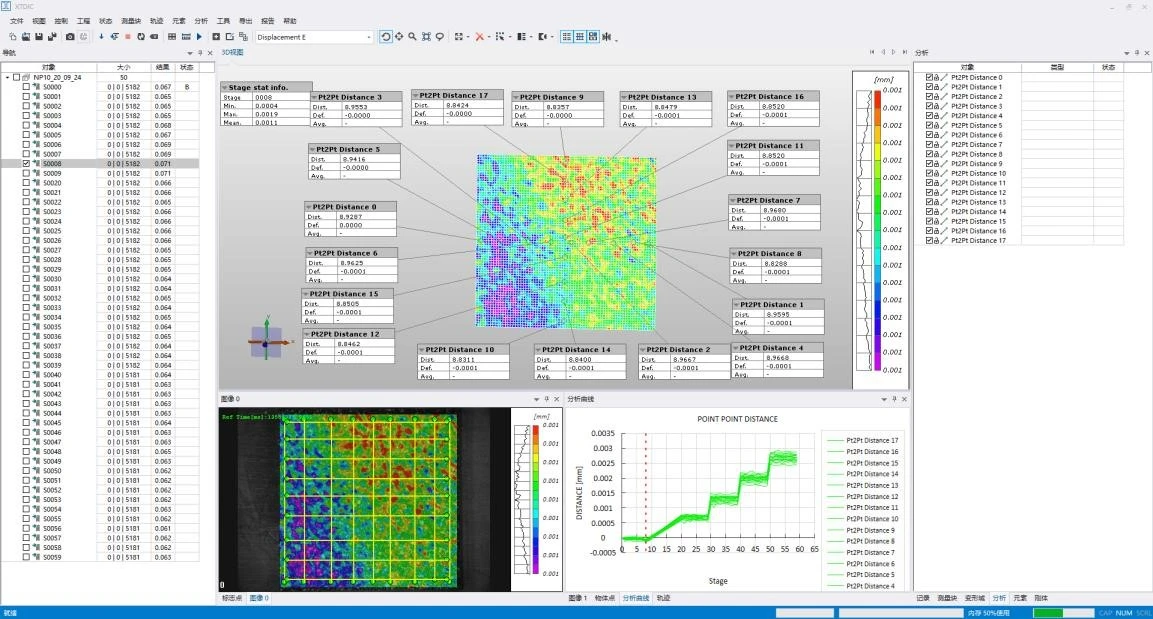
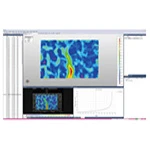
Software interface of the microscopic DIC measurement system:
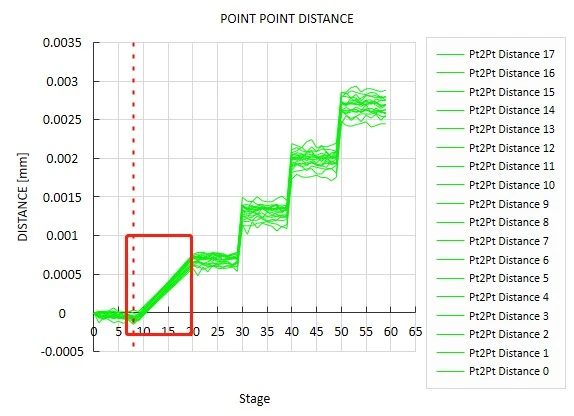
Graph showing the relationship between the variable and temperature/strain:
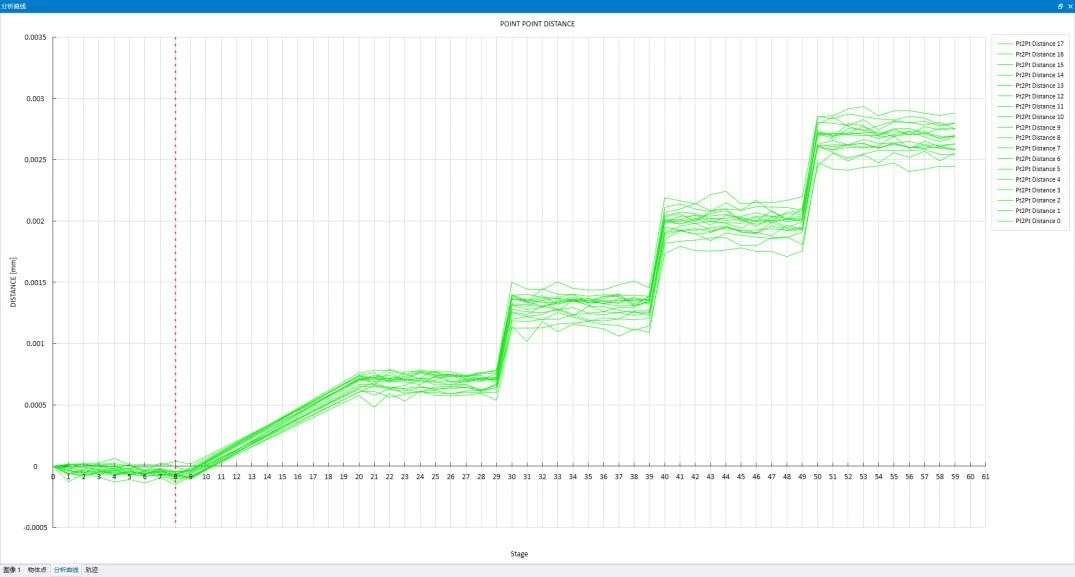
Note: Due to the deletion of 10 photos from the middle section, some images are missing, resulting in a steep gradient.
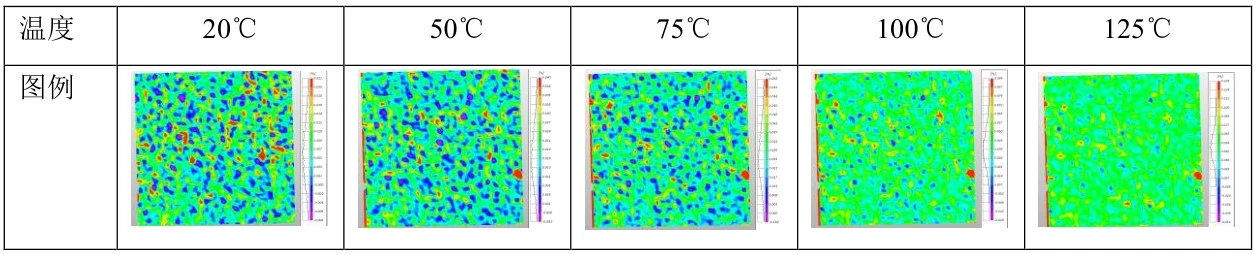
Strain distribution maps of monocrystalline silicon specimens at temperatures of 25°C, 50°C, 100°C, and 125°C.
The coefficient of thermal expansion (CTE) of monocrystalline silicon is a critical parameter, the value of which is closely linked to the crystal's structure. In both manufacturing and scientific research, a thorough understanding of the thermal expansion characteristics of monocrystalline silicon is essential to minimize deformation and damage caused by thermal expansion during practical applications.
By utilizing the XTOP3D XTDIC-MICRO microscopic strain measurement system in conjunction with an optical thermal stage, CTE testing was conducted on monocrystalline silicon across a range of high and low temperatures. DIC software was employed to analyze and output CTE values at various locations along the X and Y axes—specifically calculating the ratio of length increase to original length per unit change in temperature—thereby providing reliable data for the analysis of the material's thermal expansion coefficient.












 Video Center