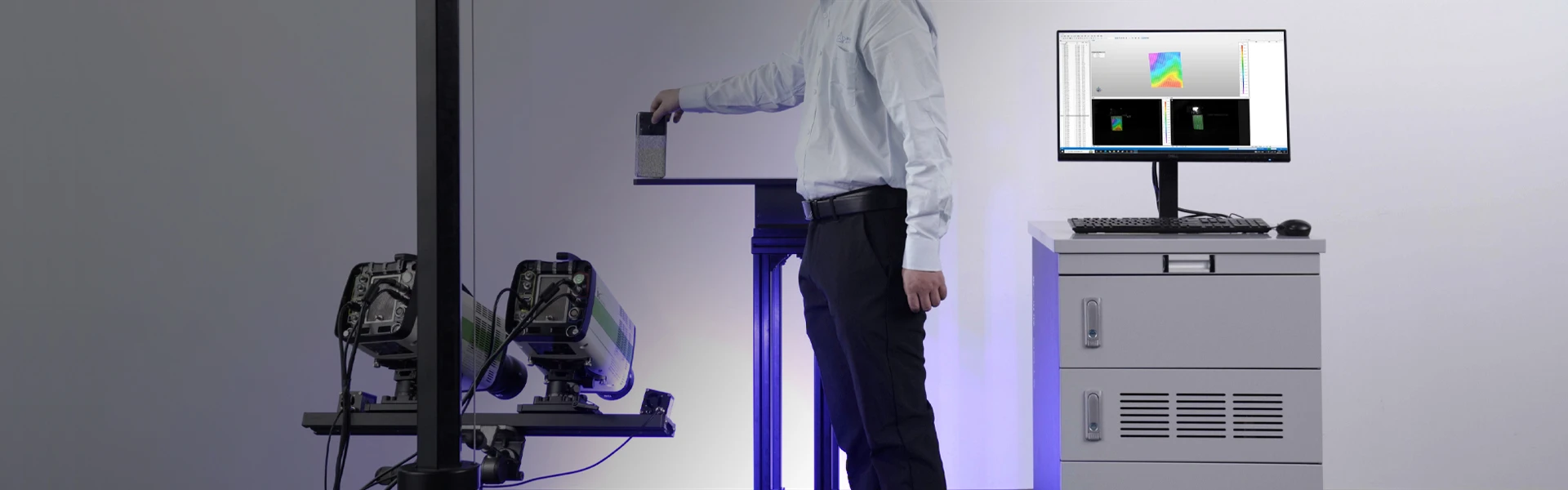
The outer cover glass and the housing play a critical role in protecting a mobile phone's touchscreen and display. To meet the trend toward thinner and lighter devices, the outer cover glass has become increasingly thin, placing greater demands on its structural strength. Consequently, accurately assessing the mechanical strength of this glass has become essential.
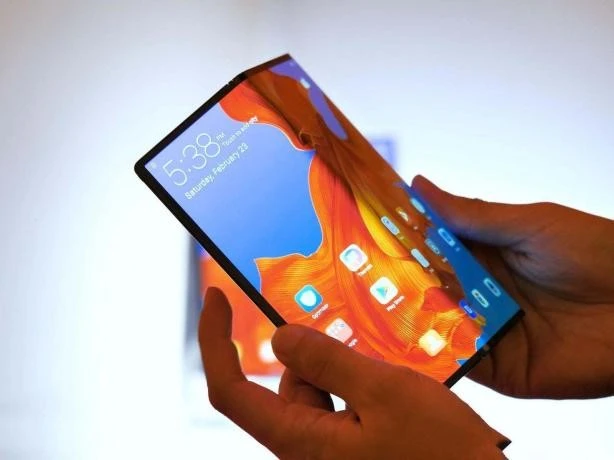
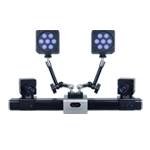
Drop tests and flexural/compressive strength tests are employed to evaluate the mechanical properties of a mobile phone's outer screen glass and reinforced casing. The XTOP3D XTDIC-SRPAR 3D high-speed measurement system and the XTDIC 3D full-field strain measurement system are used to acquire critical data—such as deformation characteristics during a drop, flexural modulus, and maximum flexural/compressive stress and strain—which are vital for assessing the reliability of the phone's casing and screen.
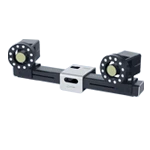
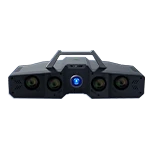
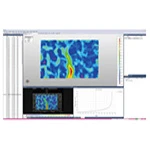
The XTDIC 3D full-field strain measurement system captures the displacement and deformation of materials and components with high precision. When paired with high-speed cameras, the system records images of transient deformation or dynamic motion; combined with the system's powerful Digital Image Correlation (DIC) software, it provides accurate analysis of strain, displacement, and rotation, enabling precise observation and study of deformation at the moment of impact.
Mobile Phone Reliability Testing
The experiments utilize the XTOP3D XTDIC 3D full-field strain measurement system to conduct dynamic and quasi-static reliability tests on mobile phones using non-contact optical measurement methods.
Dynamic tests primarily analyze deformation at the moment of a drop—specifically focusing on the drop-resistance and deformation of the hinge area in foldable phones—and calculate surface strain and displacement fields. Quasi-static tests primarily measure flexural and compressive performance under static loads, calculating surface displacement and strain fields.
Mobile Phone Drop and Impact Dynamic Testing
For dynamic drop and drop-ball impact tests, two high-speed cameras capture images at the moment of impact. These images are imported into the XTDA software to analyze the surface displacement and strain fields during the drop event.
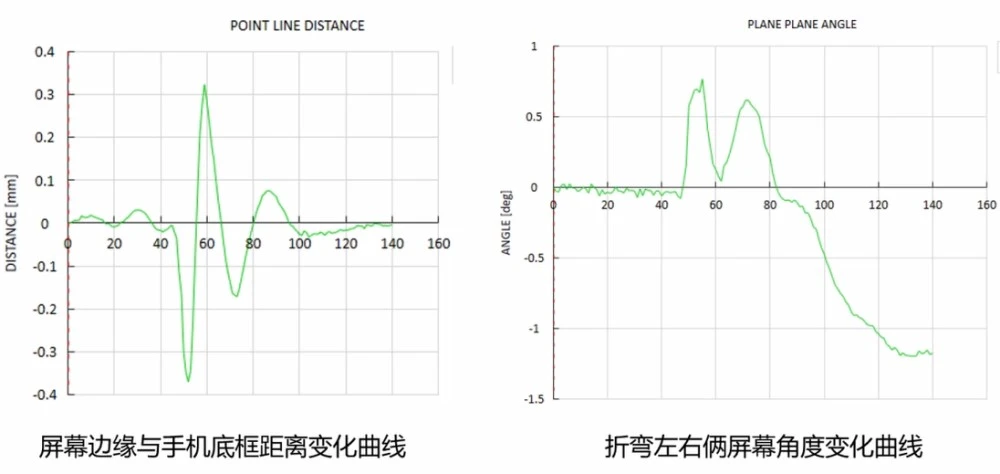
Foldable Phone Drop Dynamic Test
The foldable phone is mounted on the test rig for a drop test. High-speed cameras capture images at a rate of 4,000 frames per second to record the moment of impact. The XTDIC system software is then used to analyze changes in the transient displacement fields at the impact site and the hinge area.
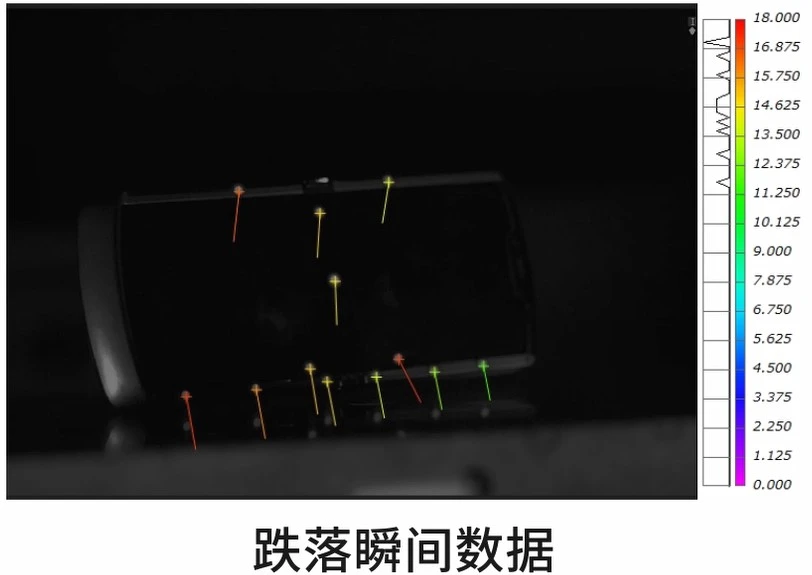
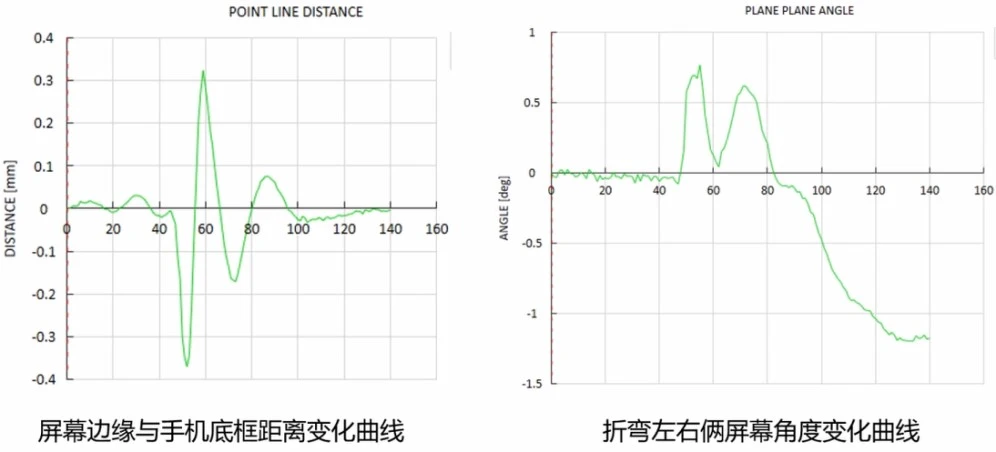
Dynamic Drop-Ball Impact Test for Mobile Phones
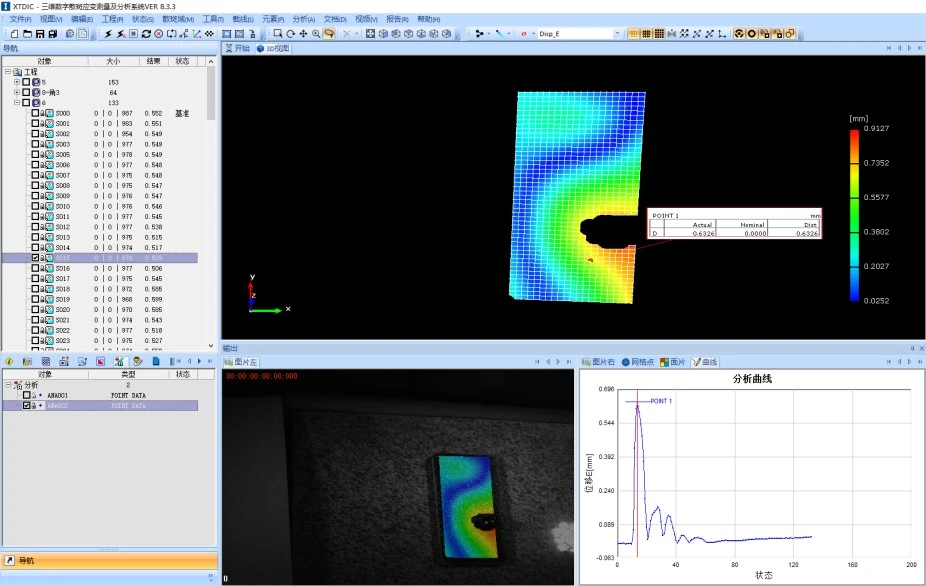
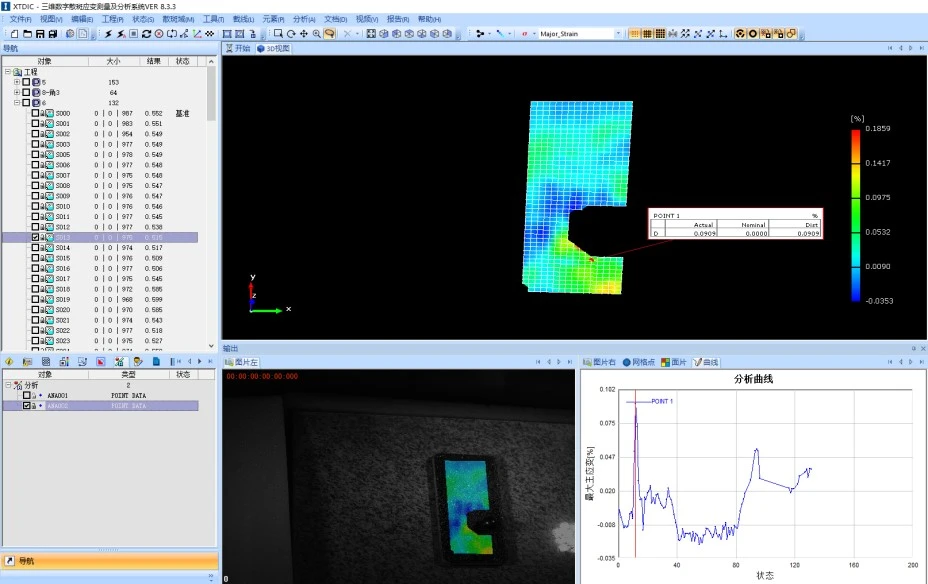
The mobile phone drop-ball impact test involves dropping a steel ball of a specified weight from a predetermined height onto the device to assess quality based on the resulting damage. The XTDIC-SPARK 3D high-speed measurement system utilizes high-speed Digital Image Correlation (DIC) to directly control two high-speed cameras; it captures images at the moment of impact to analyze the phone's dynamic deformation and the progression of damage, thereby verifying the durability of materials—such as the tempered glass screen and casing—as well as test coatings.

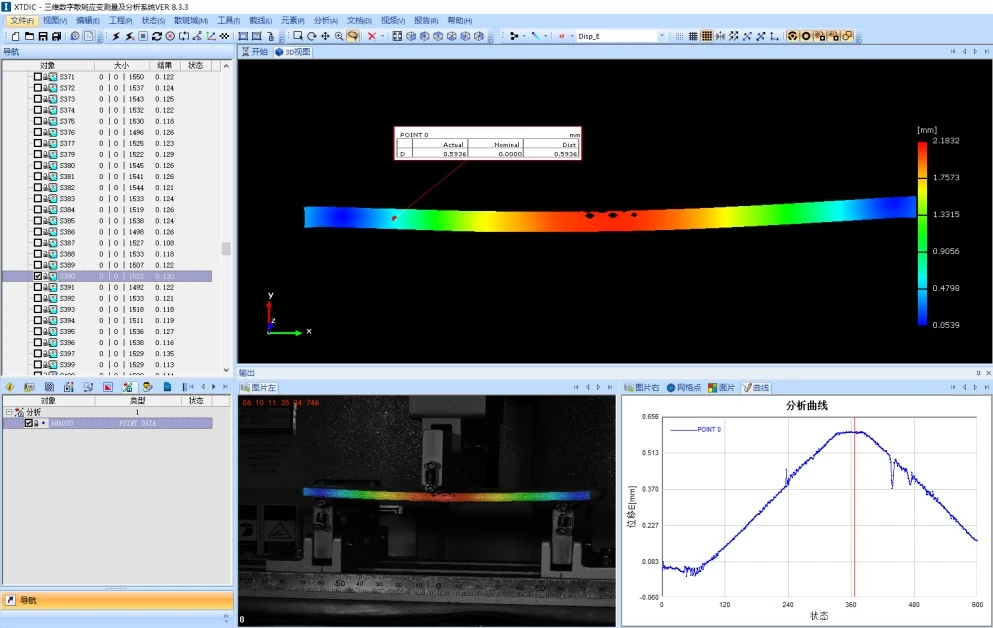
Mobile Phone Three-Point Bending Test
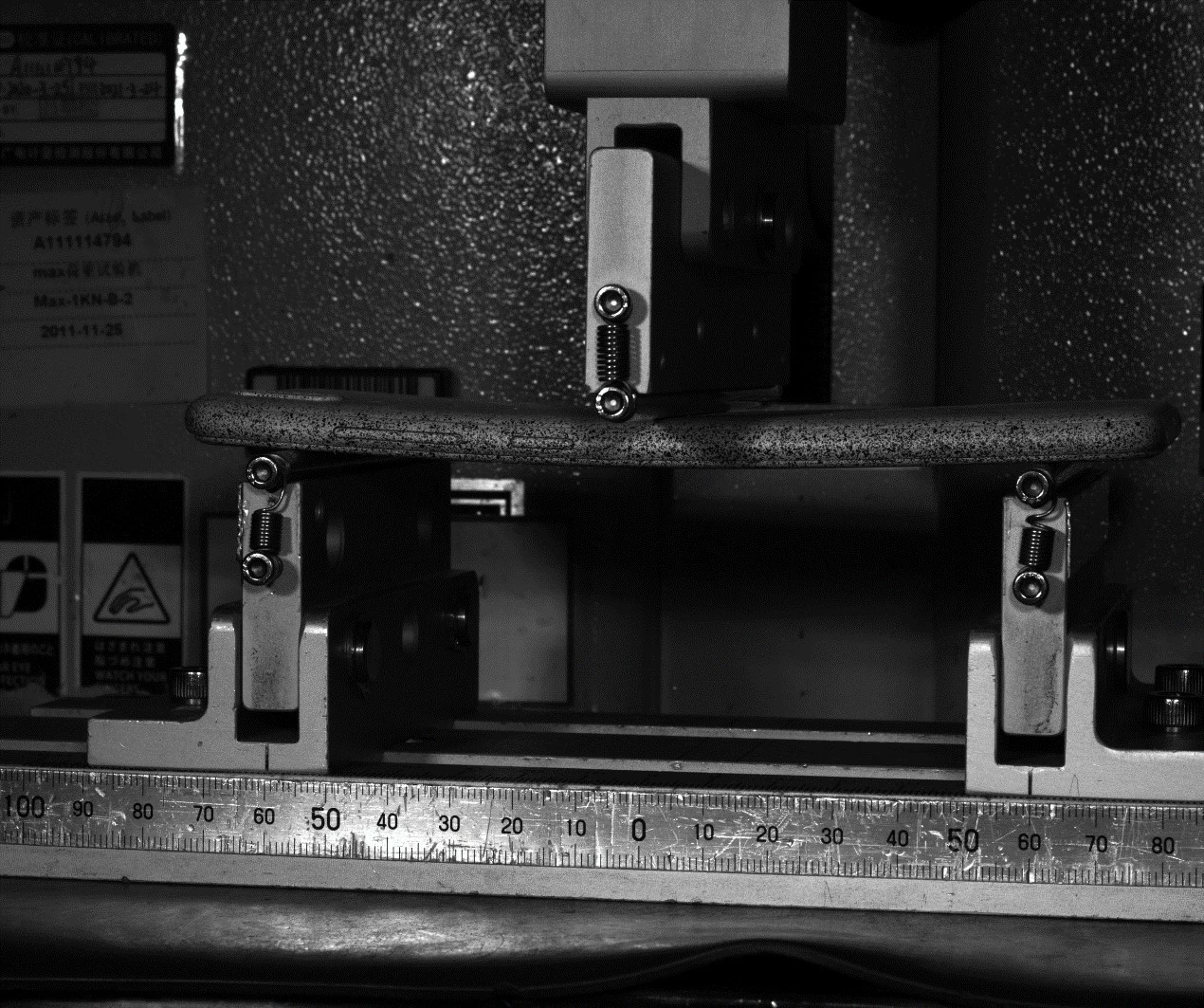
A three-point bending test is conducted to evaluate the mechanical properties of high-strength mobile phone glass. The XTDIC 3D full-field strain measurement system is employed to acquire key data—such as bending stress and strain—from the outer display glass, thereby verifying whether the glass meets product development specifications regarding Young's modulus, maximum strength, maximum strain, and Vickers hardness.
Cylindrical Loading Compression Test for Mobile Phones
The outer cover glass of a mobile phone provides structural support and protection for the display panel. The cylindrical loading test is used to evaluate the mechanical properties of the glass; by employing the XTDIC 3D full-field strain measurement system, the displacement and strain fields on the glass surface are measured during the loading process. The resulting data assists manufacturers in optimizing the mechanical characteristics of the glass and developing outer cover glass with superior compressive strength.
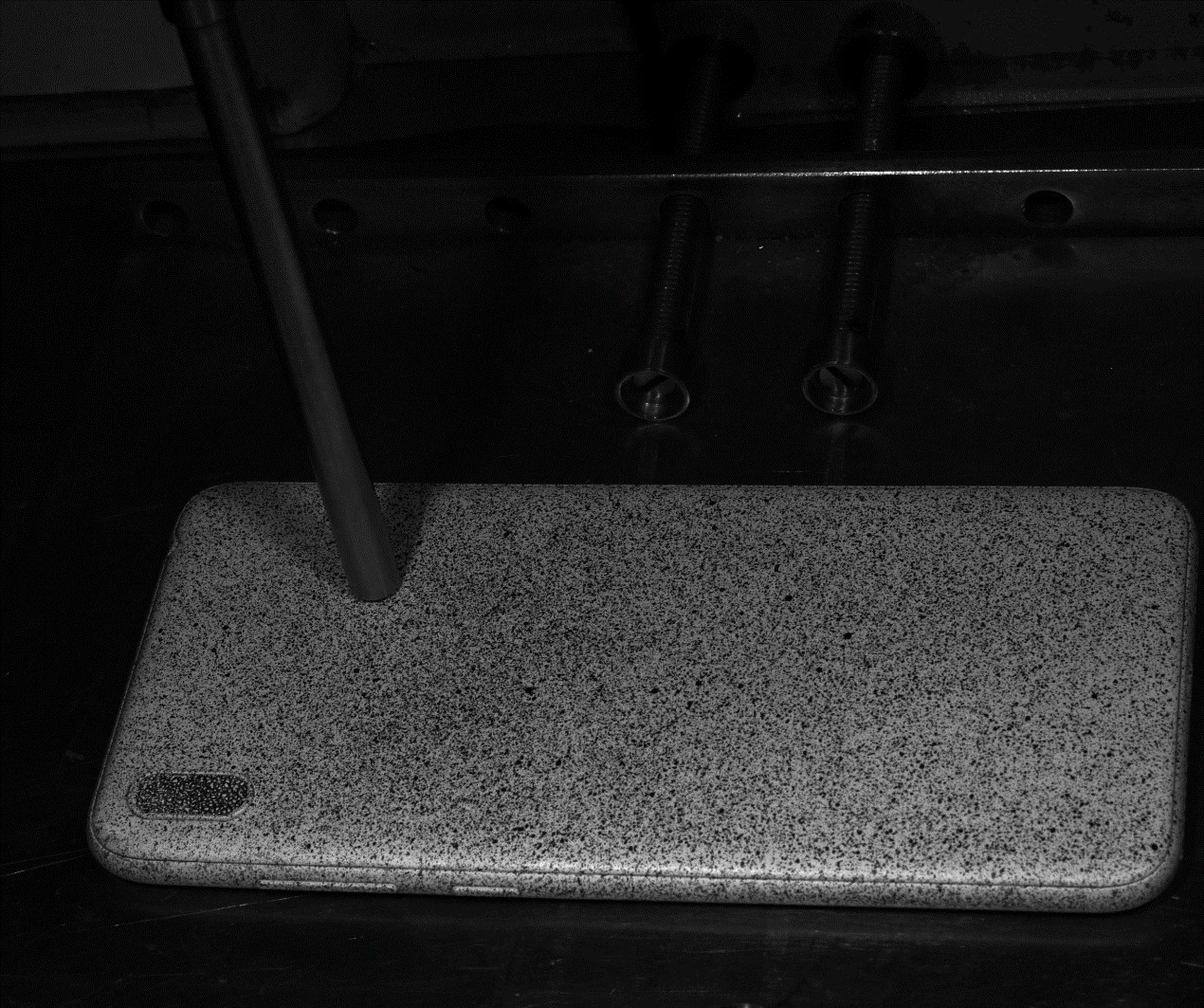
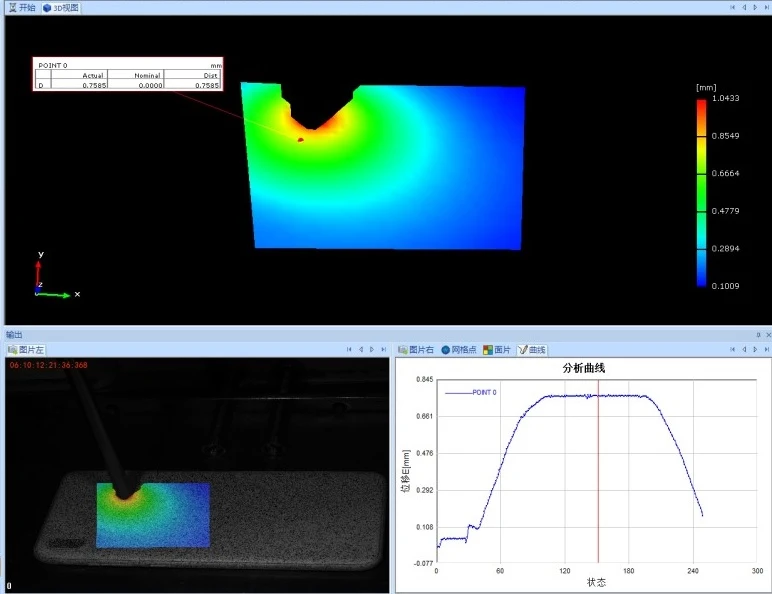
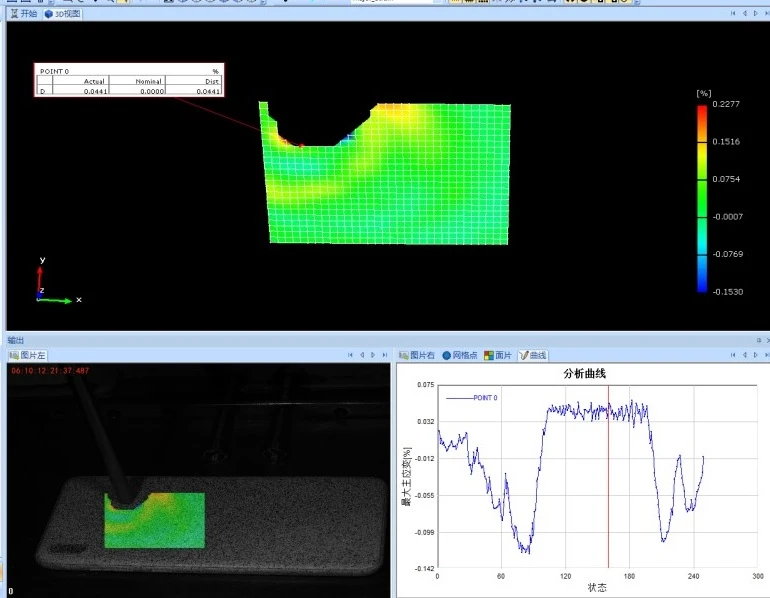
Competition in the mobile phone market is fierce, and consumers are increasingly demanding regarding product quality and durability. By utilizing the XTOP3D XTDIC 3D full-field strain measurement system during free-drop and bending/compression tests, manufacturers can capture real-time data on surface displacement and strain fields. This data facilitates product reliability verification, design improvements, and quality control, ultimately enhancing the competitiveness and market acceptance of their mobile phones.








 Video Center