The consumer electronics industry has now entered a new phase characterized by incremental innovation and rapid iteration. Products such as TWS earbuds, smartphones, laptops, and AR glasses integrate complex free-form surfaces, ultra-thin structures, and miniaturized components; while simultaneously prioritizing lightweight design and ergonomics, the entire design process is continuously pushing the boundaries of engineering limits.
I. Core Pain Points in Consumer Electronics Design
Traditional design methodologies struggle to accommodate the demands of modern, high-precision, complex, and ultra-thin products. The core bottlenecks are concentrated in four key stages:
1. Conceptual Design:Digital Distortion of Curved Surfaces
After designers create physical prototypes using clay or foam, traditional methods can only capture sparse feature points, making it impossible to accurately reconstruct Class A Surfaces. Manual tracing of contours often leads to severe digital distortion of critical styling features—such as fillet radii (R-corners) and character lines—thereby compromising the aesthetic integrity of the design.
2. Reverse Engineering:Inefficient and Destructive Data Acquisition
The teardown analysis of competitor products relies heavily on manual physical measurements, resulting in extremely low efficiency. Furthermore, these methods fail to capture data regarding intricate, micro-level features such as snap-fit mechanisms, antenna slots, and camera clearance cutouts. Destructive sectioning and sampling techniques damage the physical sample, precluding subsequent verification and creating significant blind spots in the acquired data.
3. Structural Design:Experience-Dependent Spatial Stacking Prone to Interference Issues
Stacking design relies on 2D drawings and empirical judgment to perform spatial deductions. Critical issues—such as fractured screw bosses, insufficient interference in snap-fits, or misalignment gaps between the screen and mid-frame—are often exposed only after fitting and testing physical CNC prototypes. This leads to high design rework rates and significantly extended development cycles.
4. Mold Design:Delayed Deformation Prediction and High Mold Modification Costs
In mold design, material shrinkage rates are typically estimated based solely on past experience. Actual deformation can only be observed after the initial (T0) mold trial parts have been produced. If the observed deformation exceeds tolerance limits, the subsequent costs and lead times for mold modification are substantial, resulting in a costly and time-consuming "trial-and-error" development paradigm.
II. Blue Light 3D Scanning Technology Solutions
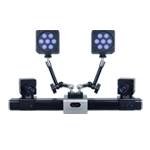
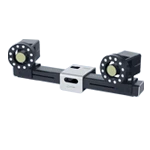
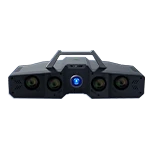
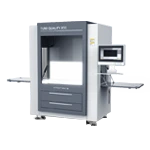
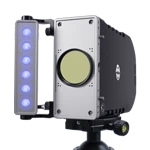
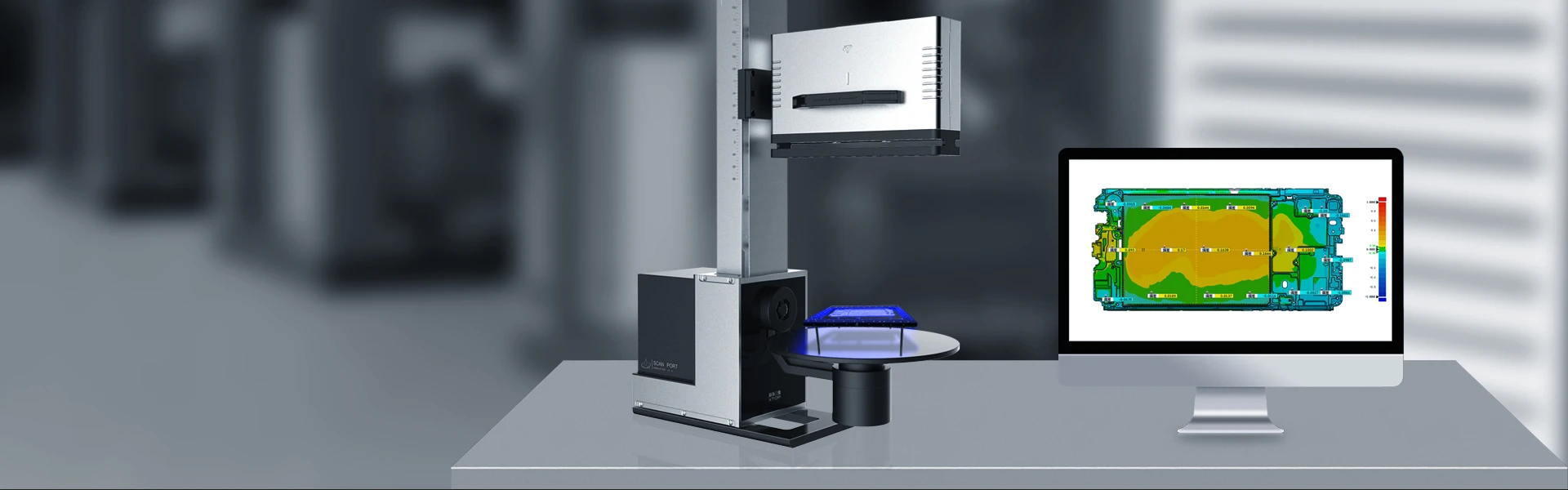
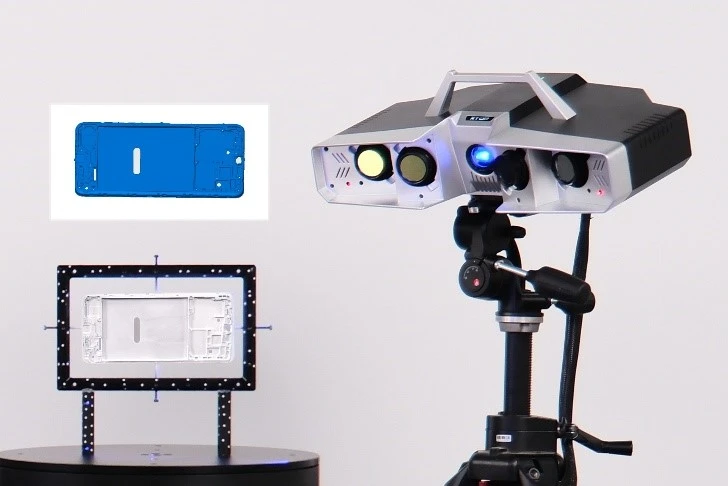
The XTOP3D XTOM photographic blue light 3D scanner operates by projecting narrow-band blue light stripes onto the surface of the object being measured; high-resolution industrial cameras then capture the resulting deformation patterns to generate a high-density 3D point cloud. With its non-contact measurement capabilities, micron-level precision, rapid—seconds-long—data acquisition, and full-scale coverage, this technology perfectly meets the design requirements of consumer electronics—specifically their small form factors, lightweight and slim profiles, high precision, and complex curved surfaces—establishing itself as a core digital tool that spans the entire product design lifecycle.
XTOM blue light 3D scanning technology systematically empowers the entire value chain of consumer electronics design: from reverse engineering and competitor analysis to rapid prototyping and validation, data input for molds and structural components, and the optimization of aesthetic and structural surface modeling—thereby realizing a fully digitized closed-loop design process.
III. Typical Application Scenarios for 3C Product Design
1. Conceptual Design and Class A Surface Validation
Scenario: High-precision digitization of physical prototypes and verification of shape deviations.
Traditional Limitations: Limited to simple photography or sparse point sampling, making it impossible to capture high-quality, continuous surface data.
Technical Applications:
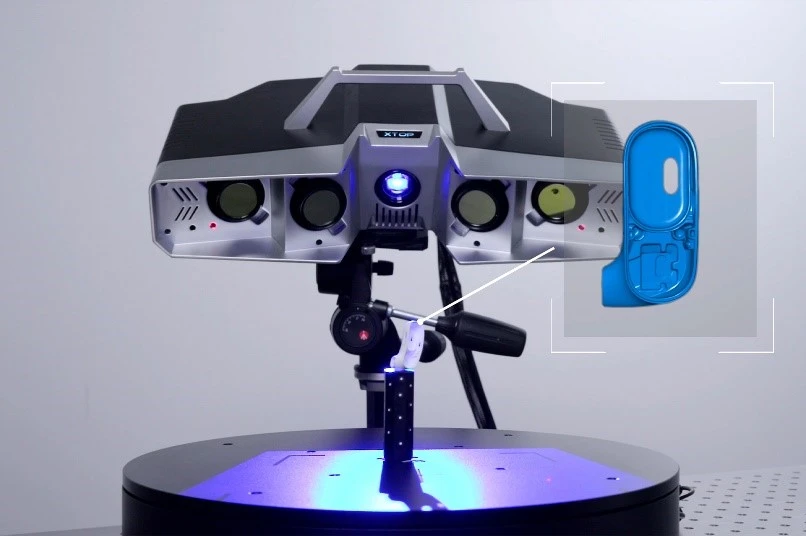
Full-Scale, High-Precision Scanning: Complete a 360° scan of a physical prototype within 5 minutes, generating an STL mesh model comprising millions of point cloud data points to fully capture every detail of the form.
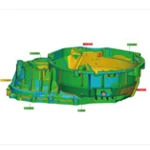
A-Surface Digital Comparison: Align the scanned physical data in 3D with the theoretical Class A digital surface model to quantitatively analyze form deviations and precisely verify the fidelity of the design reproduction.
Application Value: Enable the lossless digital conversion of design concepts, eliminate the need for iterative revisions caused by surface distortions, and significantly shorten the design iteration cycle.
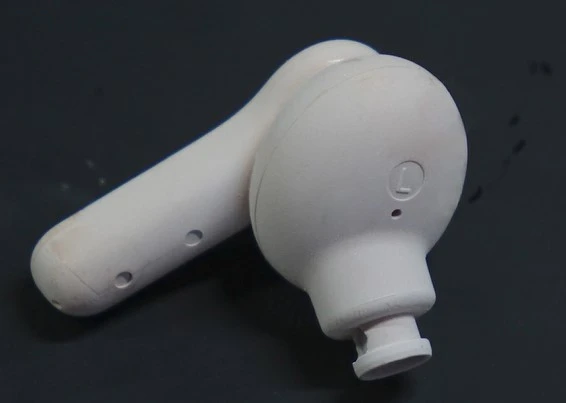
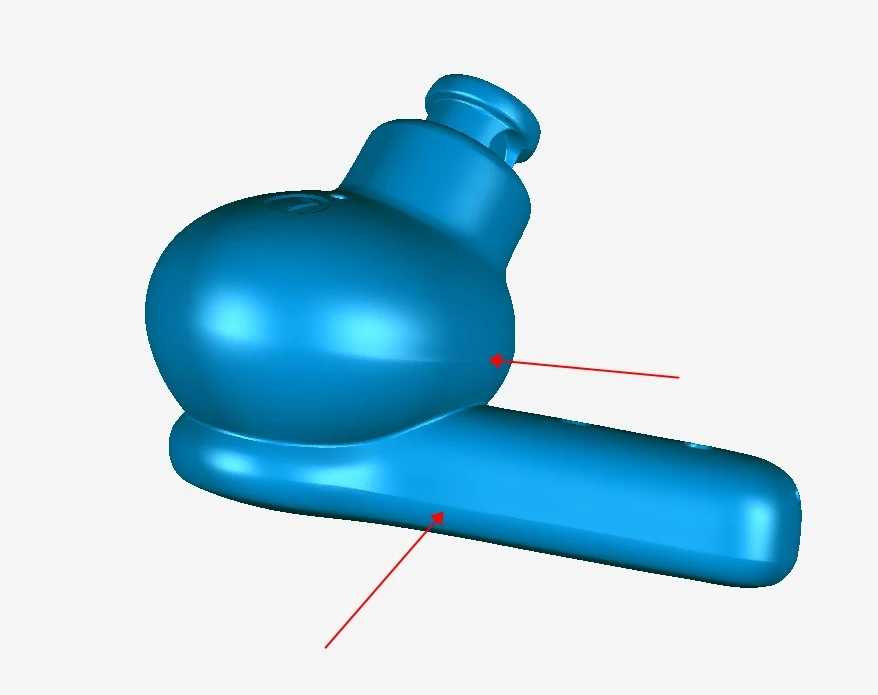
3D scan data of the outer contour of the headphones (contour details, edges and mating lines are clear).
2. Reverse Engineering and Competitor Digital Reconstruction
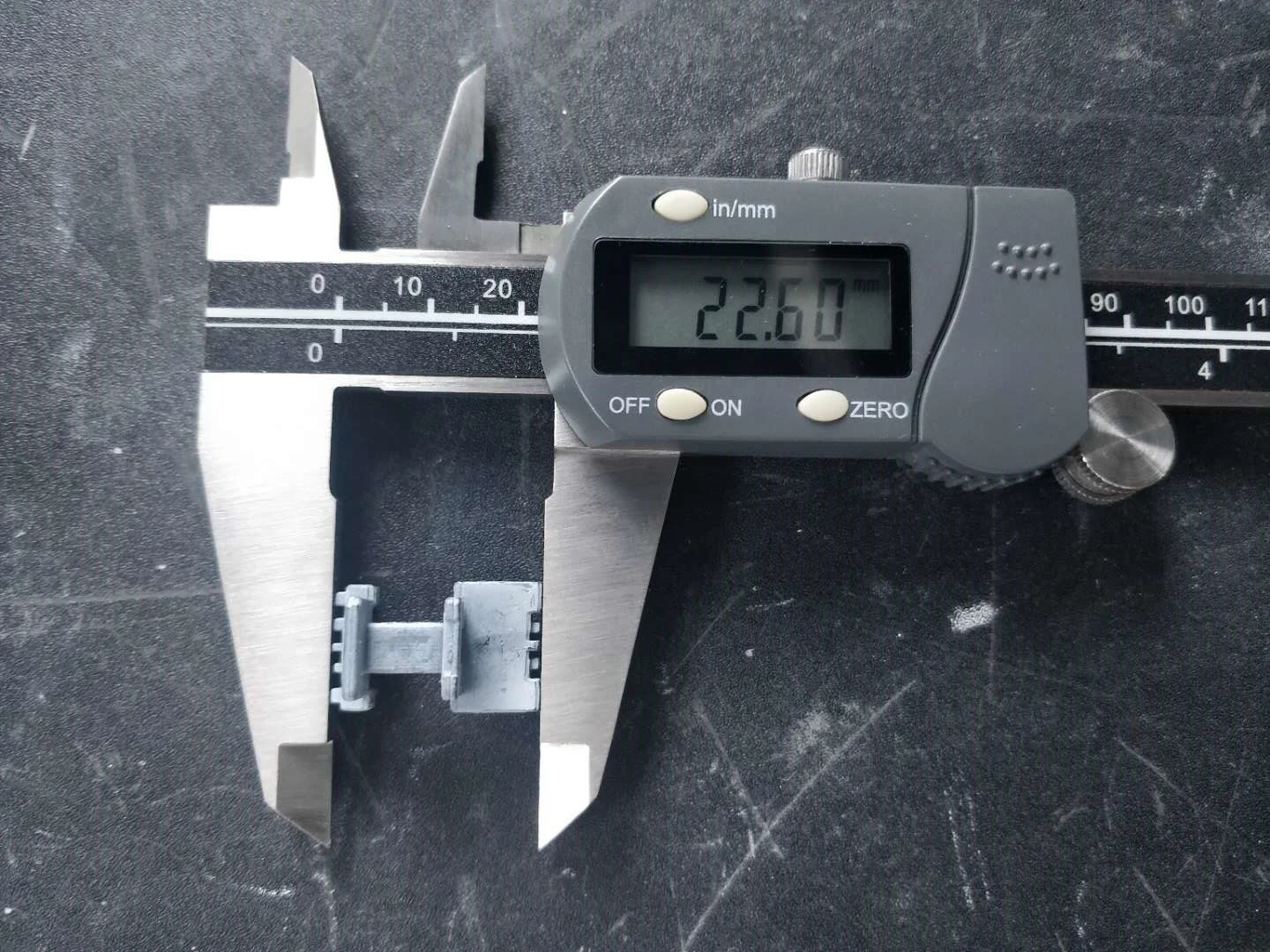
Scenario: 3D reconstruction, structural analysis, and wall thickness analysis of injection-molded parts and competitor products.
Traditional Limitations: Destructive cross-sectioning is irreversible, and calipers are unable to capture the 3D coordinates of complex curved surfaces.
Technical Applications:
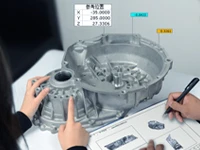
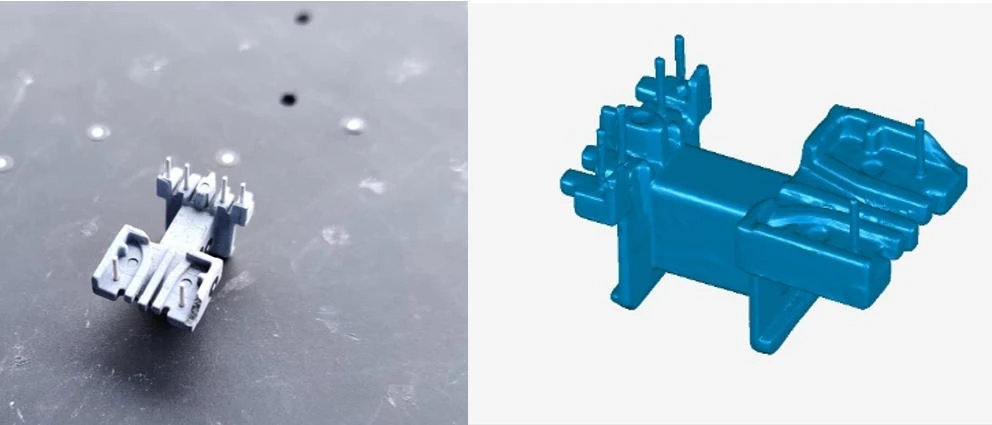
Non-Contact 3D Reconstruction: Scans complete assemblies, external housings, and internal structures to capture comprehensive point cloud data—without the need to damage or alter the physical sample.
NURBS Surface Reconstruction: Imports point cloud data into reverse engineering software to automatically extract feature lines and reconstruct machinable NURBS surfaces in IGES or STEP formats.
Precise Wall Thickness Analysis: Compares scan data from both internal and external surfaces to calculate wall thickness distribution across various regions, thereby supporting lightweight design initiatives.
Application Value: Rapidly deconstructs the design logic of competitor products, facilitates the creation of a 3D component database, and significantly shortens the product preliminary research and development cycle.
3. Structural design and virtual assembly verification
Scenario: Spatial stacking design for precision structures, such as headphone acoustic cavities and mouse lenses.
Traditional Limitations: Relying on 2D drawings to visualize 3D space often leads to issues such as component interference and abnormal fit clearances.
Technical Applications:
Real-World Data Import: Scan to capture 3D point cloud data for the product and its competitors, then import this data into prototyping software to construct 3D solid models.
Virtual Assembly Simulation: Simulate actual assembly relationships, automatically detecting dimensional deviations, anomalies in wall thickness, and alignment precision between holes and posts, thereby identifying potential structural interference risks in advance.
Value Proposition: Enables "zero-prototype" virtual pre-assembly, facilitates the early detection of structural conflicts, significantly reduces the need for physical CNC prototypes, and lowers overall development costs.
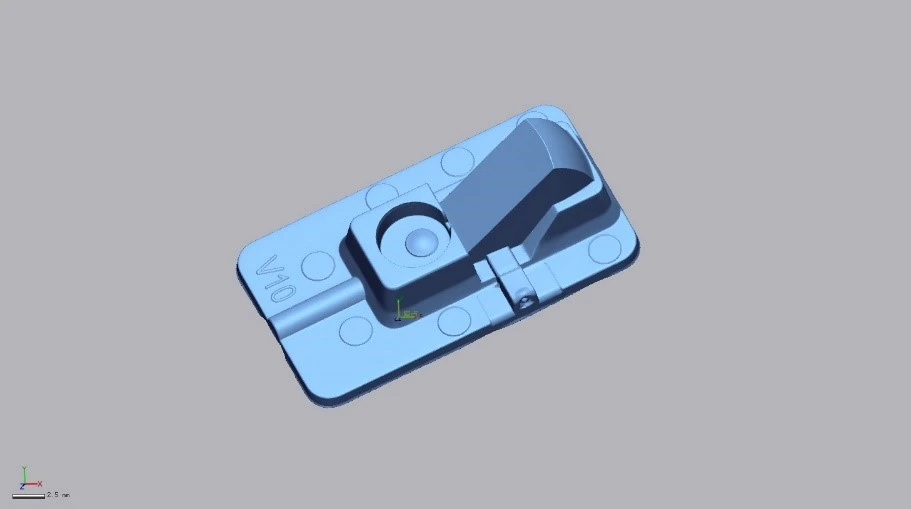
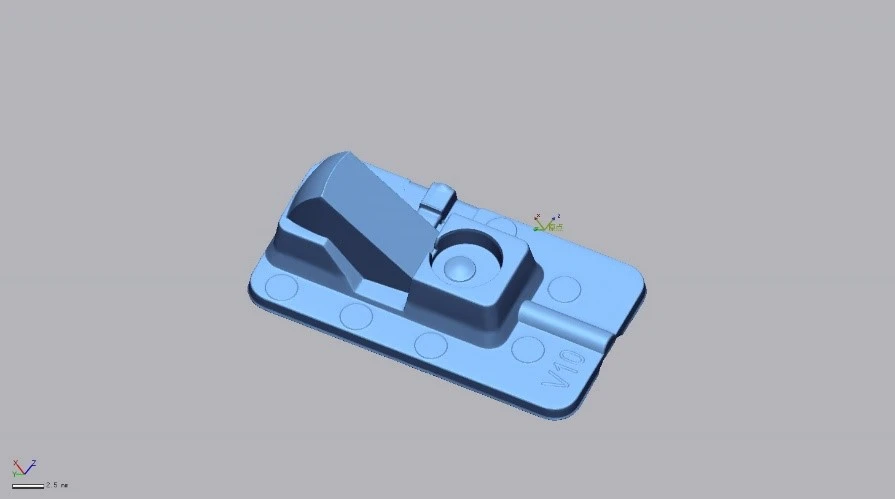
3D scanning data of mouse lens
4. Mold design and accurate prediction of injection deformation
Scenario: Injection mold design and deformation optimization based on product digital model.
Traditional Limitations: Reliance on empirical settings for shrinkage rates; excessive warpage exceeding tolerances following mold trials; resulting in high mold rework costs and extended lead times.
Technical Applications:
Trial Part Data Closed Loop: Scan the T0 trial part to capture actual 3D data, serving as a critical basis for design validation.
Material Shrinkage Back-Calculation: Compare the scanned data of the trial part against the original digital design model to precisely calculate the actual material shrinkage rate.
Mold Parameter Optimization: Feed the actual shrinkage rate back into the Moldflow analysis system to adjust parameters and optimize cooling channels and gate locations, thereby preventing injection molding deformation at the source.
Application Value: Breaks the reliance on empirical knowledge, enables data-driven optimization of mold design, and reduces mold trial failure rates and mold modification costs.
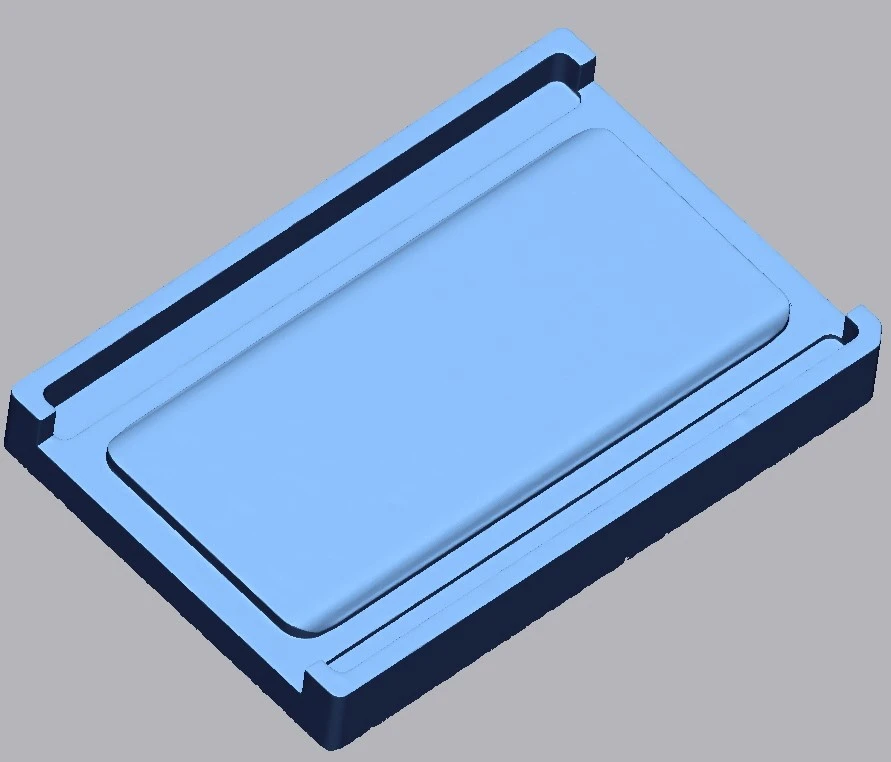
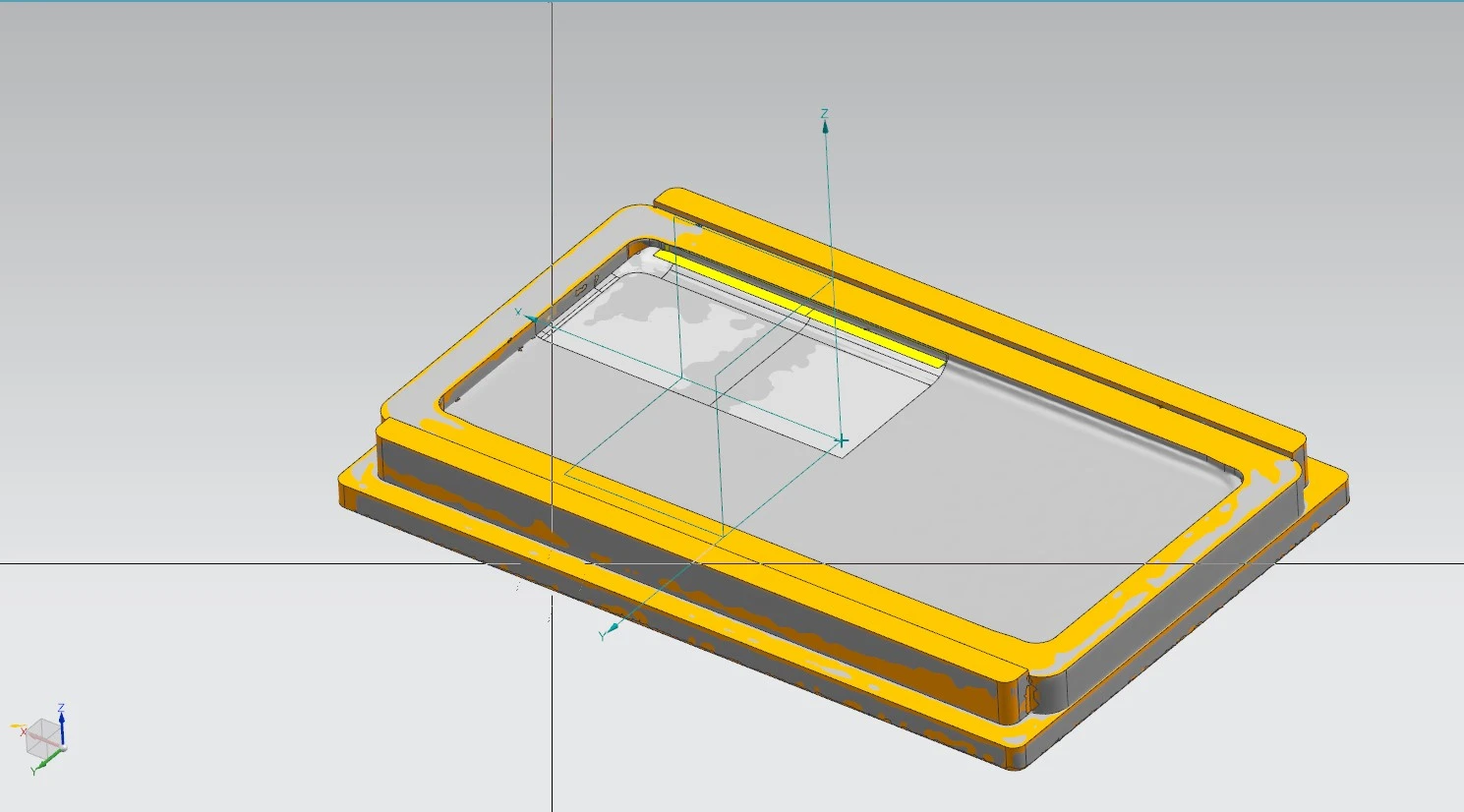
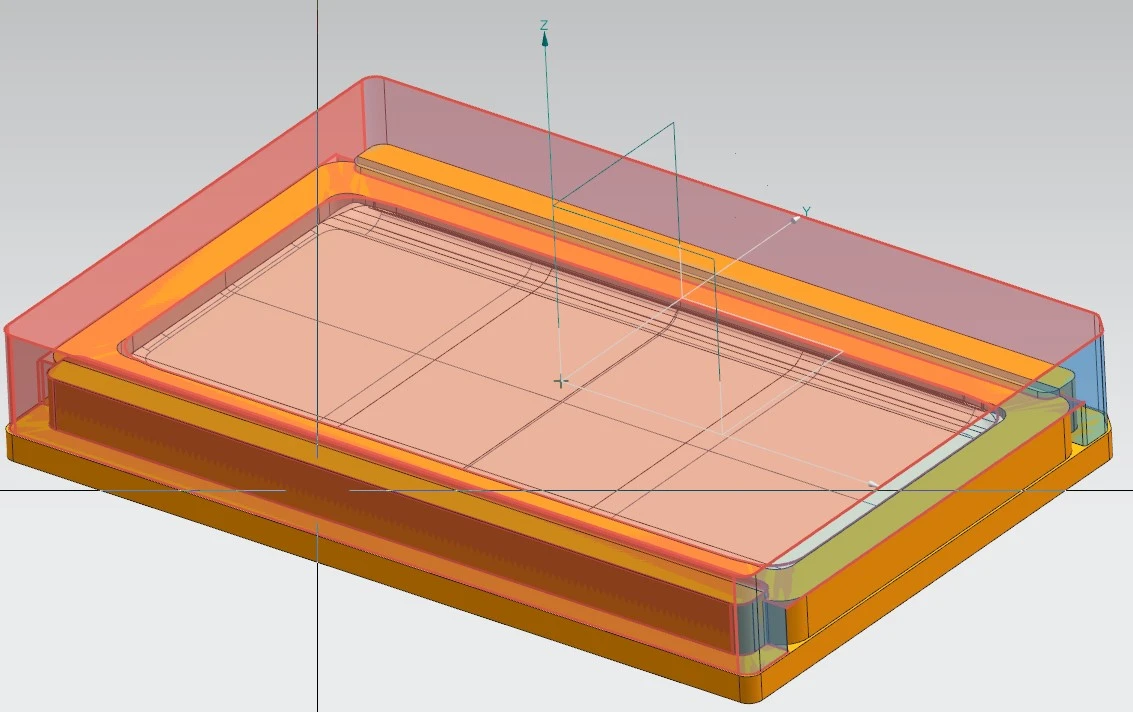
3D glass cover mold design for mobile phones
5. Personalized customization and ergonomic optimization
Scenario: Personalized ergonomic design for products such as TWS earbuds and ergonomic mice.
Traditional Limitations: Reliance on generalized ergonomic data makes it difficult to cater to the individualized needs of specific user segments, resulting in suboptimal comfort.
Technical Applications:
Adaptive Surface Design: Based on anthropometric data, the product's exterior surfaces are reverse-optimized to achieve a precise, contoured fit.
Application Value: Facilitates the implementation of the C2M (Customer-to-Manufacturer) customization model, enhances product wearing and gripping comfort, and establishes a high-end, differentiated competitive advantage.
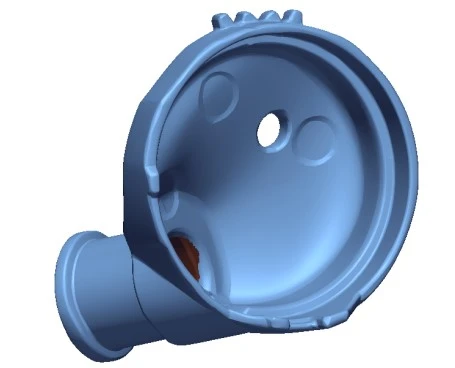
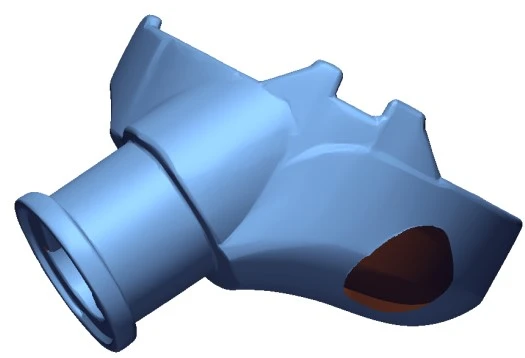
3D scan data of headphone shell
Blue light 3D scanning technology is reshaping the design paradigm within the consumer electronics sector, encompassing the entire workflow—from the digitization of conceptual forms and reverse engineering for CAD reconstruction to structural wall thickness optimization, pre-validation of virtual assemblies, closed-loop mold data management, and ergonomic customization. Its core value lies in driving the industry’s transition from a traditional model—characterized by reliance on experience and iterative trial-and-error—to a new digital design paradigm that is data-driven and precisely optimized.
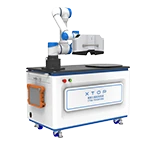
As equipment precision breaks through to the micron level, AI-assisted reverse engineering matures, and the integration of automated scanning advances, Xintuo 3D’s blue-light 3D scanning technology will continue to unleash its empowering potential, driving the design of consumer electronics toward a profound evolution characterized by greater efficiency, precision, and personalization.