Drop and fatigue testing of 3C mobile phone products is a crucial aspect of product reliability research. Understanding the dynamic deformation characteristics associated with drop impacts and cyclic fatigue loading enables product structure optimization and provides data-driven insights for material selection; this helps enhance impact resistance and durability while simultaneously reducing costs.
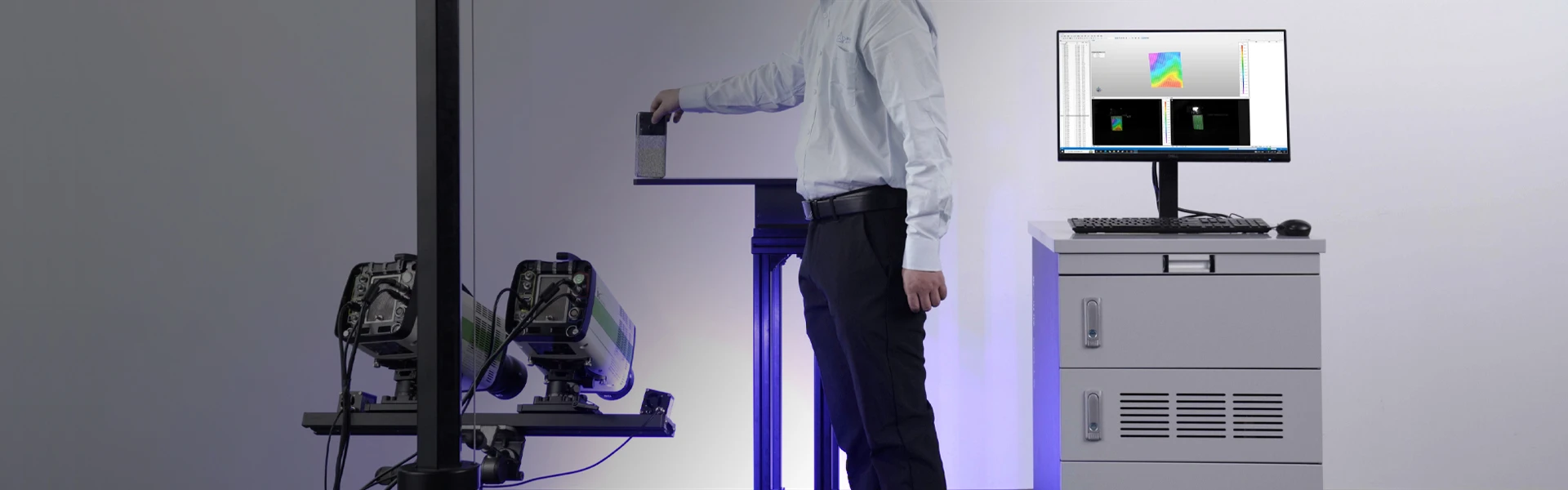
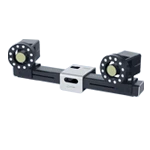
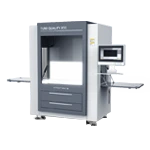
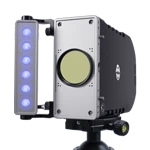
The XTOP3D XTDIC-SPARK 3D high-speed measurement system utilizes high-speed Digital Image Correlation (DIC) technology to directly control two high-speed cameras for image acquisition. It captures high-speed imagery of transient drop-impact events, allowing for the accurate measurement of parameters such as displacement, velocity, orientation, and strain during the drop.
High-speed digital cameras capture dynamic images of rapid drops and impact-induced deformation. When integrated with the XTDIC-SPARK system, these images are processed to derive displacement and deformation data. Offering advantages such as non-contact operation and high-precision, full-field measurement, the system enables dynamic monitoring and quantitative analysis of deformation resulting from mobile phone impacts.
Challenges in Drop Test Measurement: Improving the Matching Algorithm
Achieving precise stress and strain measurements during mobile phone drop tests using Digital Image Correlation (DIC) presents several challenges:
1. The phone's orientation during the drop is uncontrollable; significant tumbling or rotation can lead to poor correlation in the speckle images.
2. The drop can cause localized changes in light intensity, resulting in reduced measurement accuracy or even matching failure; excessive tumbling or occlusion can render measurement impossible.
3. Simply adjusting the initial drop orientation to keep the speckle pattern within the camera's field of view does not resolve the impact that tumbling upon impact has on speckle matching.
To address these challenges, R&D engineers at Xintuo 3D have improved the relevant computational and matching schemes.
1. A computational scheme utilizing a least-squares distance function with two unknown parameters was implemented to mitigate the effects of light intensity fluctuations caused by angular changes during motion, such as tumbling.
2. A seed-point matching method was adopted to perform sequential, frame-by-frame reference matching; this prevents matching failures caused by the phone tumbling during the drop and enhances the completeness of the deformation field.
The improved matching method has yielded significant gains in accuracy and the average number of valid grid facets, as well as a substantial improvement in the completeness of the deformation field.
Drop Test for Foldable Smartphones
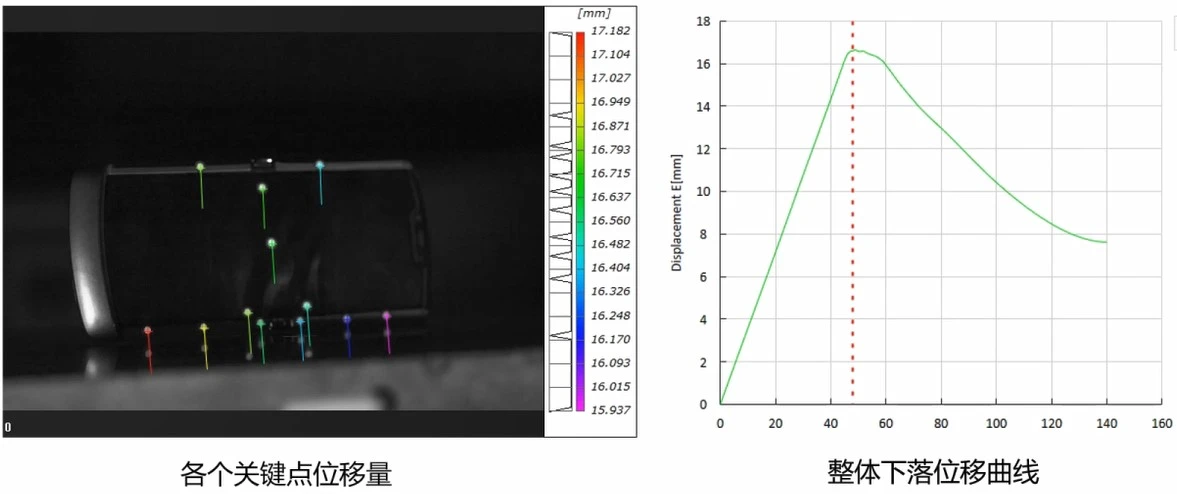
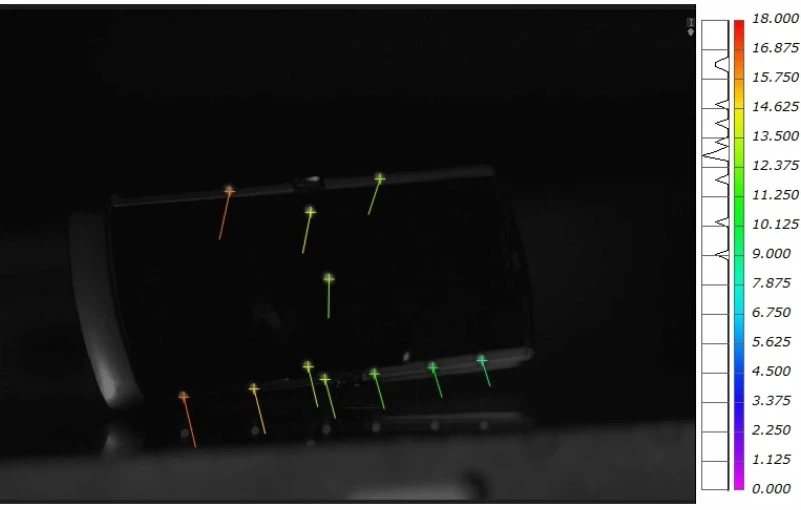
The XTDIC-SPARK 3D high-speed measurement system is used to capture the free-fall test of a foldable smartphone—recording the drop from a specific height and the subsequent rebound—and to analyze the motion, displacement, and strain during the drop process.
Drop Test for Flat-Screen Mobile Phones
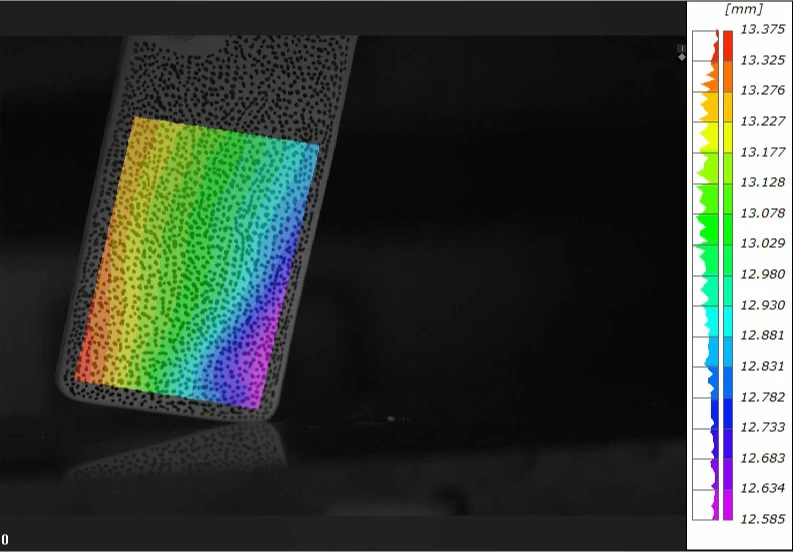
This test observes the entire process of a flat-screen mobile phone dropping to the ground, including the rebound phase. The XTDIC-SPARK 3D high-speed measurement system is employed to measure and analyze parameters such as movement velocity, displacement, and stress. The resulting data helps manufacturers optimize product structural design and enhance impact resistance.
Fatigue Failure Testing of Novel Material Components
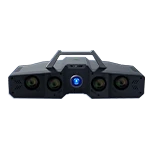
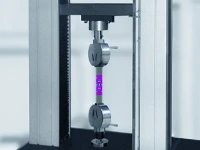
To investigate the strain evolution behavior of composite engineering components during service, the XTDIC 3D full-field strain measurement system was employed to conduct simulated measurements. Real-time measurements were performed on specimens subjected to cyclic loading to acquire data on displacement and strain fields during the dynamic loading process.
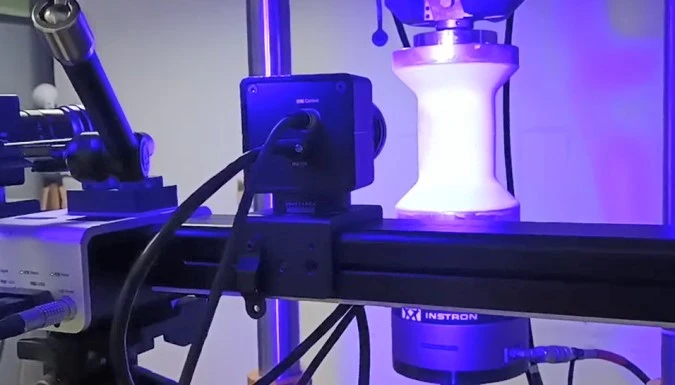
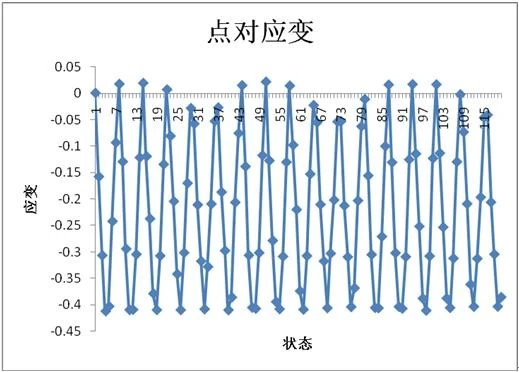
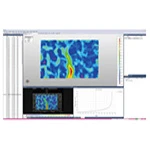
The DIC software optimizes the function of the externally triggered phase-locked loop to capture the peaks and troughs of fatigue loading waveforms; it allows for the reconstruction of a single fatigue cycle from one or multiple phases, supports long-duration fatigue monitoring, and enables full-field measurement under fatigue loading.
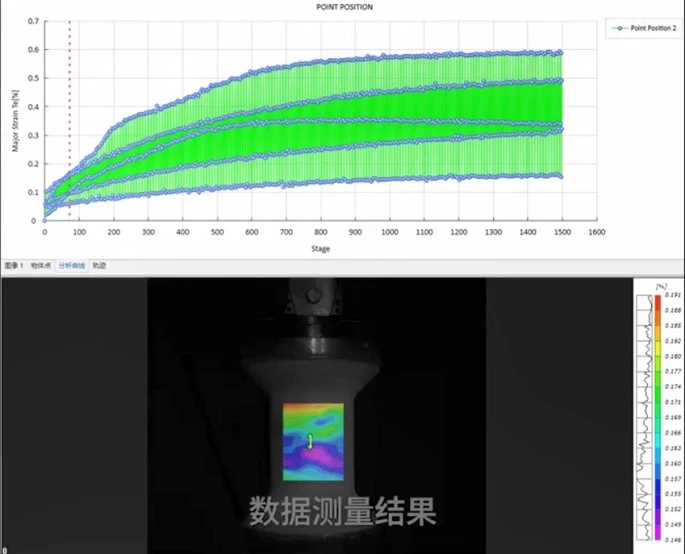
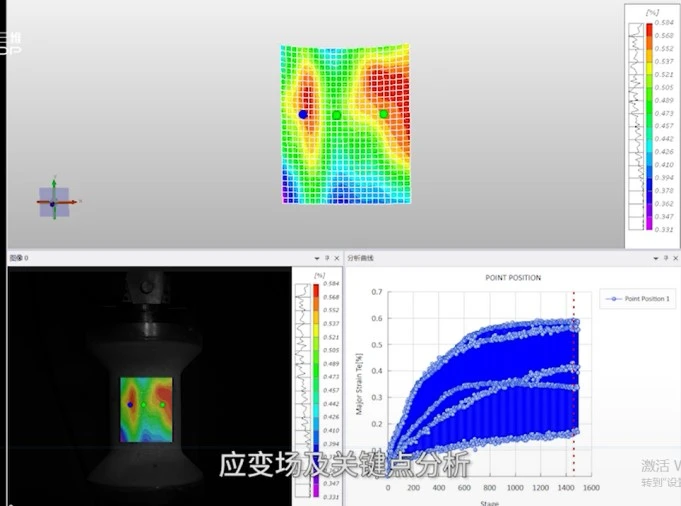
Fatigue Fracture Testing of Metal Bar Components
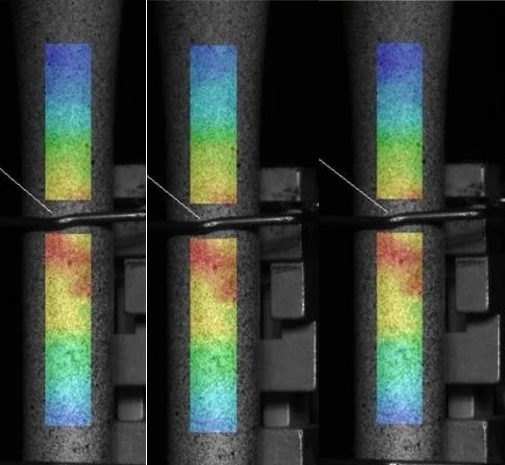
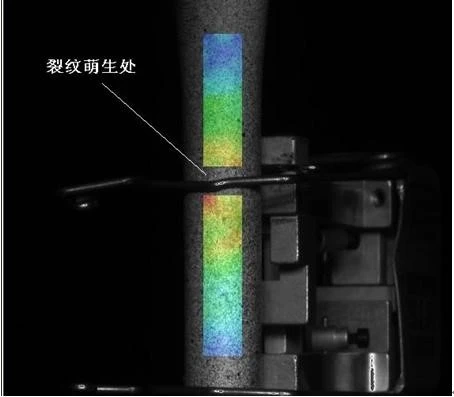
The XTDIC 3D full-field strain system can be utilized in fatigue crack growth tests. By using DIC software to analyze the dynamic deformation process of the component, it enables the study of crack evolution as well as the patterns of change in displacement and strain fields within the crack-tip region.
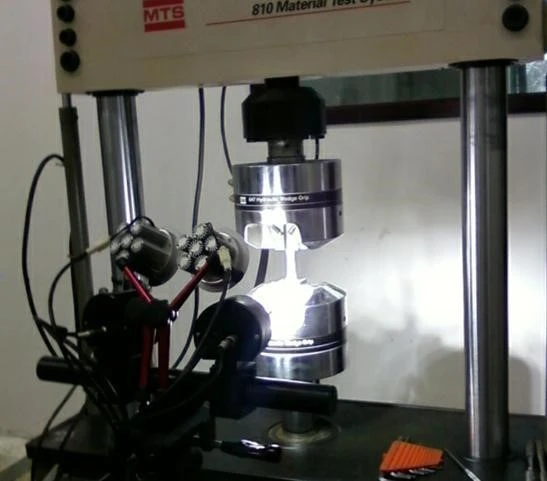
During the cyclic loading of the rod specimen, the XTDIC 3D full-field strain measurement system captures full-field strain and displacement data in real time; this allows for the accurate identification of regions with maximum strain and the monitoring of strain variations at stress concentration points, thereby facilitating the observation of the rod's fatigue evolution.
Drop and fatigue testing are fundamental concerns in reliability design within the 3C industry. XTOP3D’s DIC strain measurement technology is well-established in these applications, having earned repeated client recognition and positive feedback on various projects.
Furthermore, XTOP3D DIC technology delivers significant value in analyzing phenomena such as thermal expansion and warpage in mobile phone chips; deformation of PCBs under high and low temperatures; and deformation and edge strain in foldable screens.








 Video Center