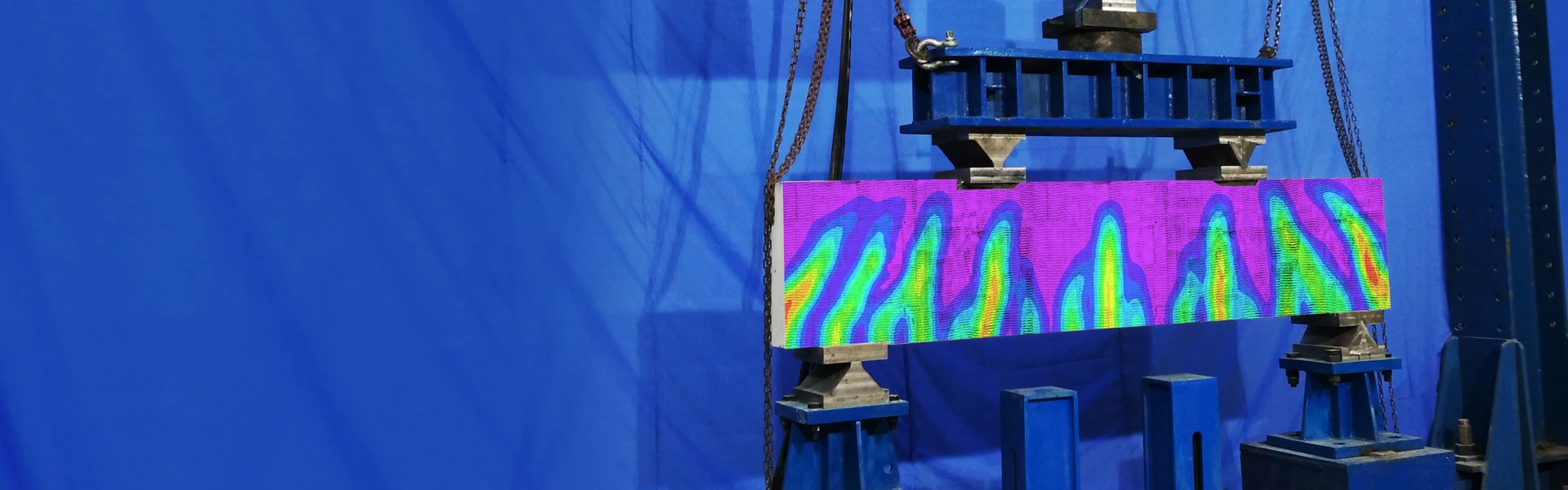
The dynamic response, damage evolution, and failure mechanisms of engineering structures under seismic loading constitute core research topics in the field of seismic engineering and disaster mitigation. Seismic simulation tests on scaled models using shaking tables enable the realistic reproduction of various ground motion scenarios and provide a direct visualization of the entire process—including deformation, cracking, and instability—experienced by structural components and geotechnical slopes under dynamic loads. These tests yield critical empirical data for optimizing seismic detailing, developing seismic isolation and energy dissipation devices, and refining theoretical frameworks for structural disaster prevention, thereby offering significant value for both theoretical research and practical engineering applications.
Traditional testing methods are limited to data acquisition at discrete, localized points; they suffer from restricted observation ranges, interference caused by additional loads on the specimen, and an inability to capture non-uniform deformation. Consequently, they struggle to fully monitor fine-scale damage evolution behaviors such as micro-crack initiation, strain concentration, and localized large-scale deformation. Digital Image Correlation (DIC) technology has emerged as the mainstream testing solution for seismic simulation and structural vibration research in civil engineering laboratories, owing to key advantages such as full-field observation without blind spots, the absence of additional loads on the specimen, high-precision dynamic data acquisition at the micron scale, and synchronized 3D data output.
I. Advantages of DIC Technology in Seismic Simulation Testing
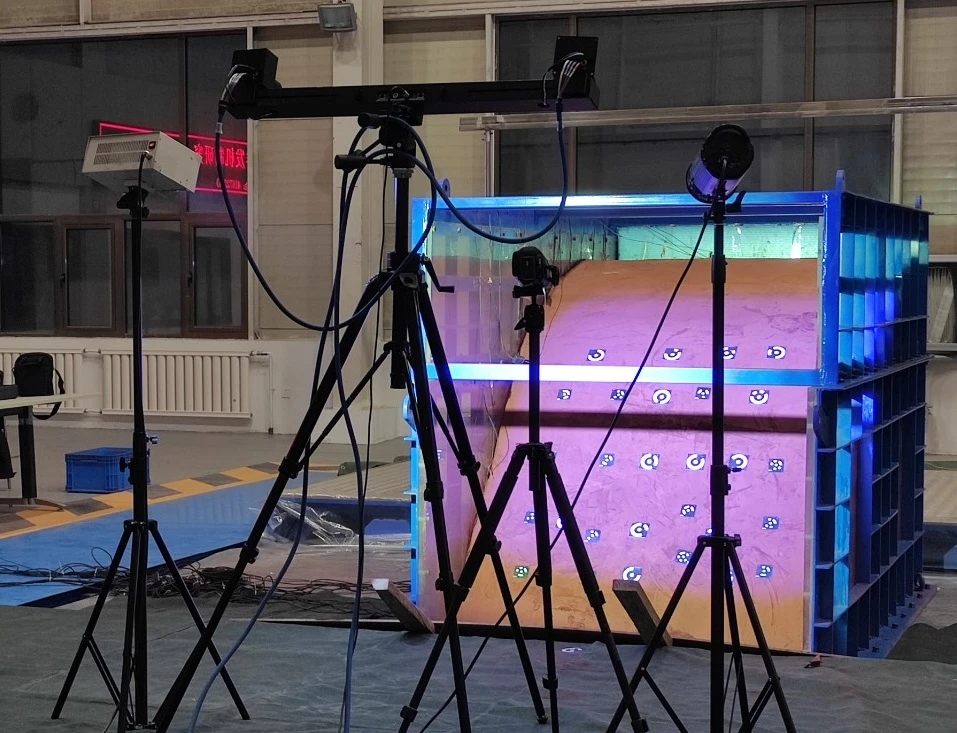
Shaking table tests using scaled models are a standard method for analyzing the seismic performance mechanisms of civil engineering structures. By inputting artificial seismic waves with varying frequency spectra, acceleration amplitudes, and durations, these tests replicate real seismic excitation. This allows for the quantitative assessment of dynamic response patterns and ultimate seismic load-bearing capacities of building and slope models, as well as the identification of typical failure modes for various structures.
Seismic simulation tests impose rigorous dynamic measurement requirements:
1. Seismic excitation involves transient, high-frequency cyclic loading, causing structures to undergo simultaneous 3D vibration, large plastic deformations, and progressive micro-damage; measurement systems must synchronously capture continuous, full-field deformation data throughout the entire duration of the test.
2. Test models vary widely in scale—ranging from small component specimens to large-scale slopes and multi-story frame structures—requiring measurement systems with flexible fields of view to accommodate these different scales.
3. Research analysis requires the output of multi-dimensional quantitative data—such as inter-story drift angles, peak slope surface displacements, full-field cross-sectional strains, post-seismic residual deformations, and crack propagation paths—to support tasks like mode shape identification, failure mechanism analysis, and the calibration of finite element simulation models.
To address industry challenges such as the need for full-field synchronous observation, non-intrusive dynamic data acquisition, compatibility with multi-scale scenarios, and simultaneous recording of low- and high-frequency deformations, the XTOP3D XTDIC 3D full-field strain measurement system offers a flexible solution. It allows for the tailored configuration of high-speed industrial cameras and lenses to adjust the field of view according to specific test conditions. Capable of covering the entire testing spectrum—from low-frequency quasi-static loading to high-frequency vibration and impact—it is perfectly suited for a wide range of scaled-model shaking table seismic simulation tests.
II. Application of DIC Technology in Vibration Simulation Tests
Key observation metrics for shaking table tests include inter-story drift ratios, peak slope displacements, full-field cross-sectional strains, structural acceleration time-history curves, post-earthquake residual permanent deformation, and crack propagation dimensions (length and width).
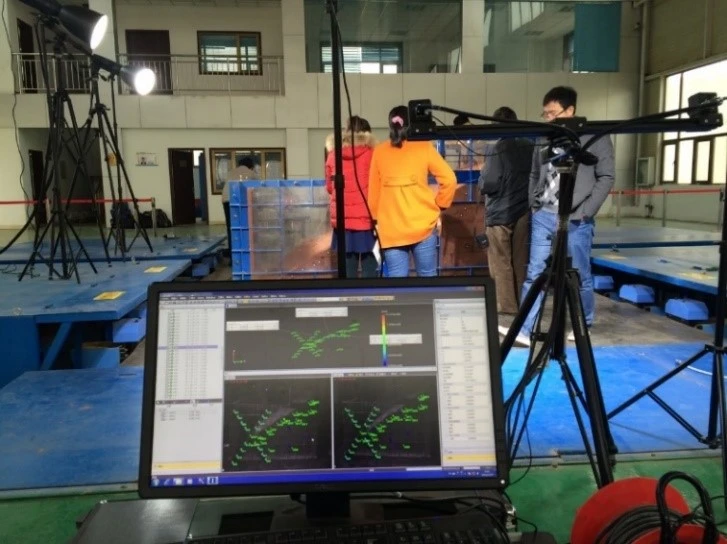
The XTDIC 3D full-field strain measurement system employs a fully non-contact data acquisition method to continuously capture the spatiotemporal distribution of 3D full-field displacements and strains on the specimen surface throughout the entire seismic loading process. It comprehensively records the structural mechanical evolution—spanning initial elastic deformation and localized damage accumulation through to global instability and failure—and intuitively quantifies deformation variations across different structural regions, thereby providing robust data support for the analysis of seismic resistance mechanisms.
III. Typical Application Cases of Vibration Simulation
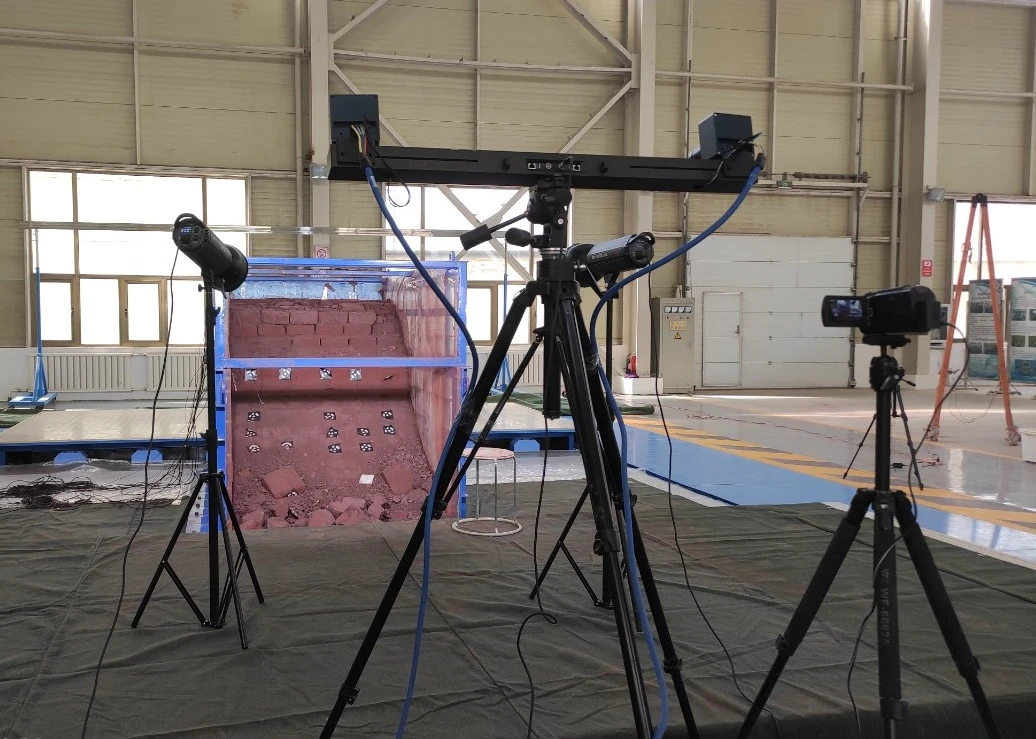
Case 1: Analysis of Seismic Collapse Evolution in a Scaled Granite Mountain Model
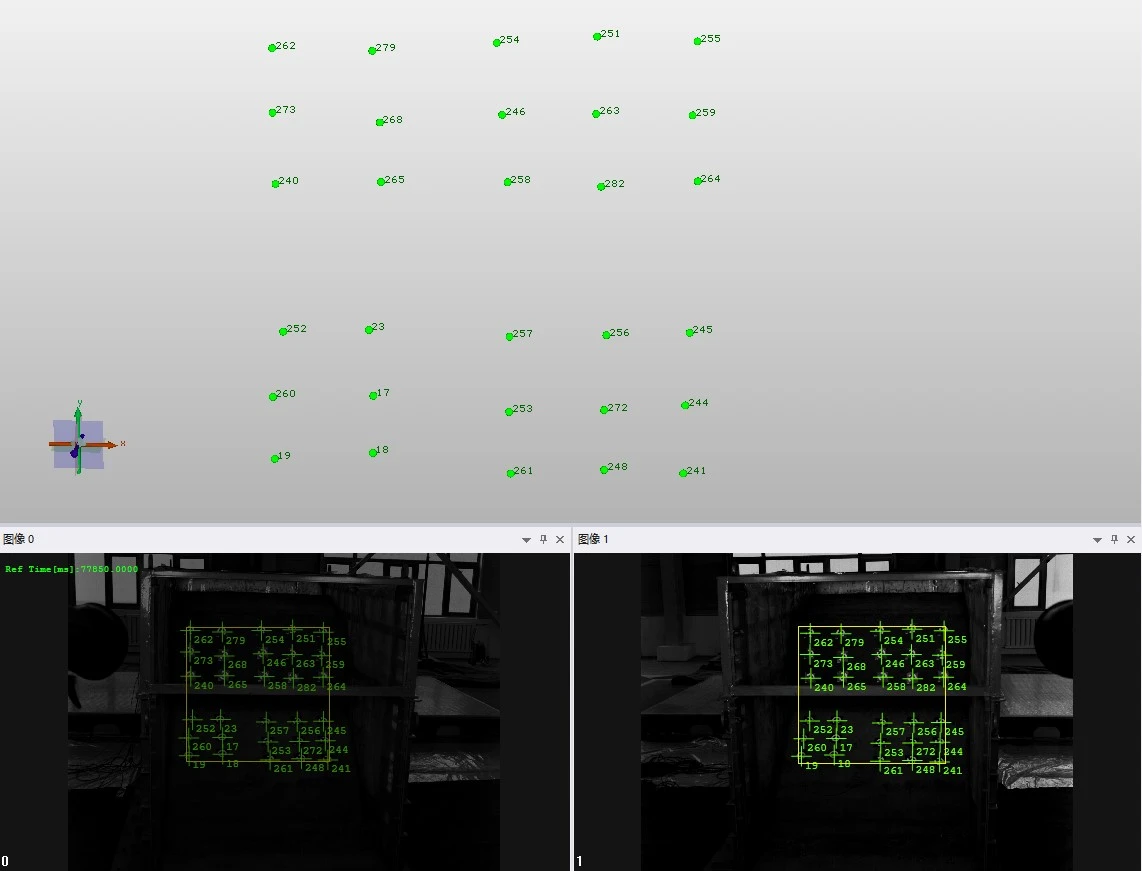
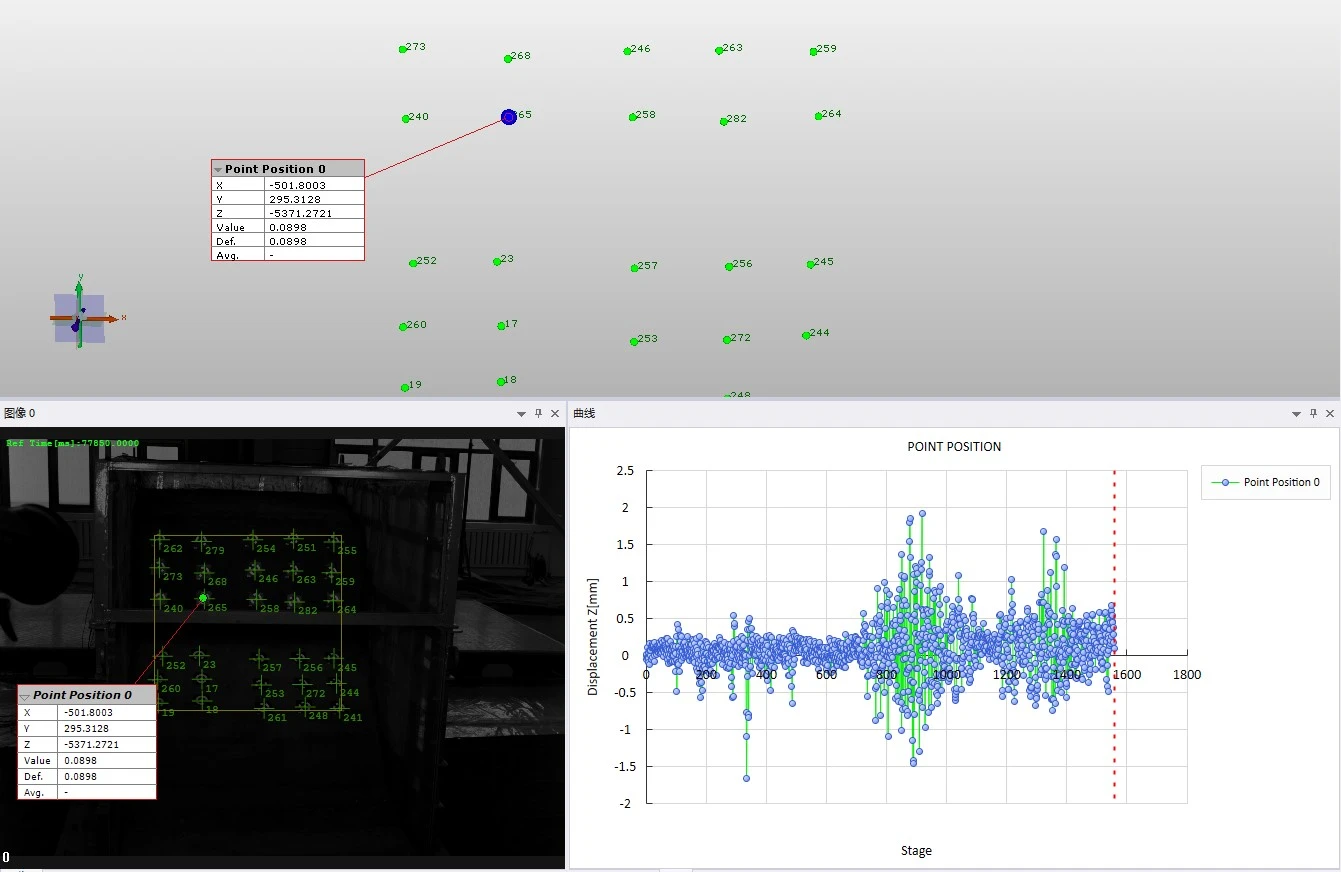
A joint geological seismic research team from the Gansu Earthquake Agency and Chang'an University conducted seismic simulation tests on a mountain model using the XTDIC 3D full-field strain measurement system. Coded markers were placed on the granite mountain model, and high-speed cameras were used to track the displacement of specific points on the rock mass throughout the seismic excitation, enabling the comprehensive capture of 3D deformation data across the entire slope surface.
Leveraging the non-contact, full-field measurement capabilities of DIC, the team obtained displacement-time history curves for specific points and full-field displacement maps. This allowed for the precise determination of critical seismic loads triggering landslides and collapses, as well as the quantitative analysis of the instability evolution of granite mountains under strong earthquakes, thereby providing empirical data to support early warning systems for earthquake-induced landslides in mountainous regions.
2. Comparative Dynamic Response Tests on Intact and Fissured Loess Slopes
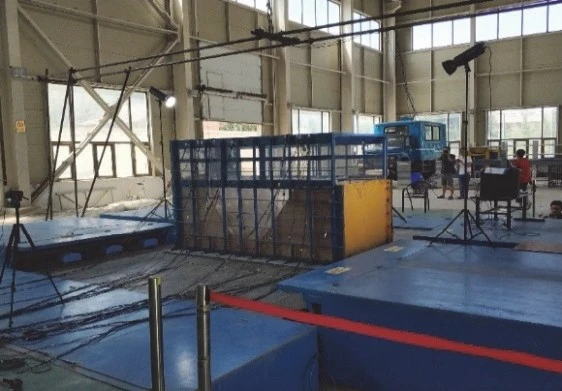
A research team at Lanzhou University of Technology constructed two comparative models of loess slopes—one intact and one containing fissures. Using a shaking table, they applied bidirectional (horizontal and vertical) seismic loads in incremental stages while employing the XTDIC 3D strain measurement system to capture continuous, non-contact data on slope surface deformation.
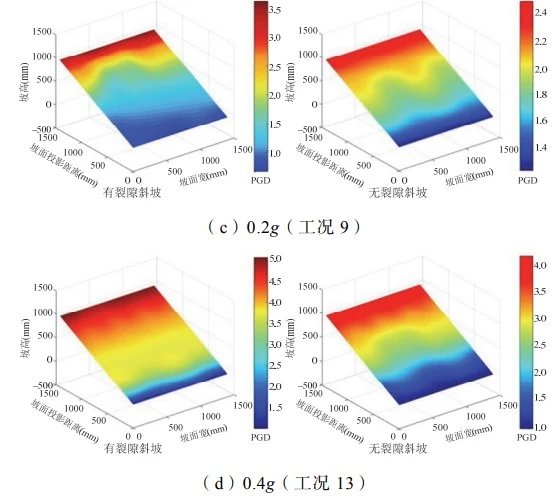
By comparing 3D contour maps of peak displacements for the two slopes, the team quantified how fissures significantly exacerbate surface deformation under seismic action. They clearly identified the patterns of strain concentration and propagation at fissure tips, thereby providing quantitative experimental evidence to support the seismic reinforcement design of slopes in loess regions.
水平荷载作用下坡面峰值位移分布图
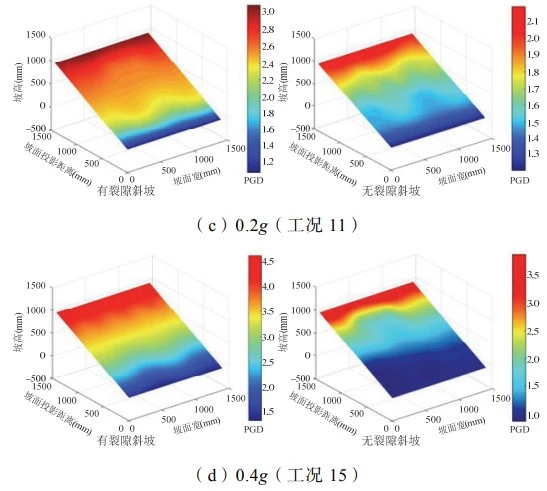
Distribution map of peak slope-surface displacements under vertical loading
3. Seismic Vibration Testing of Scaled Multi-story Building Models
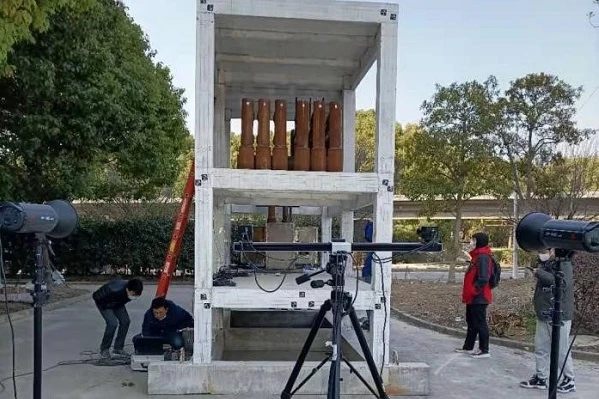
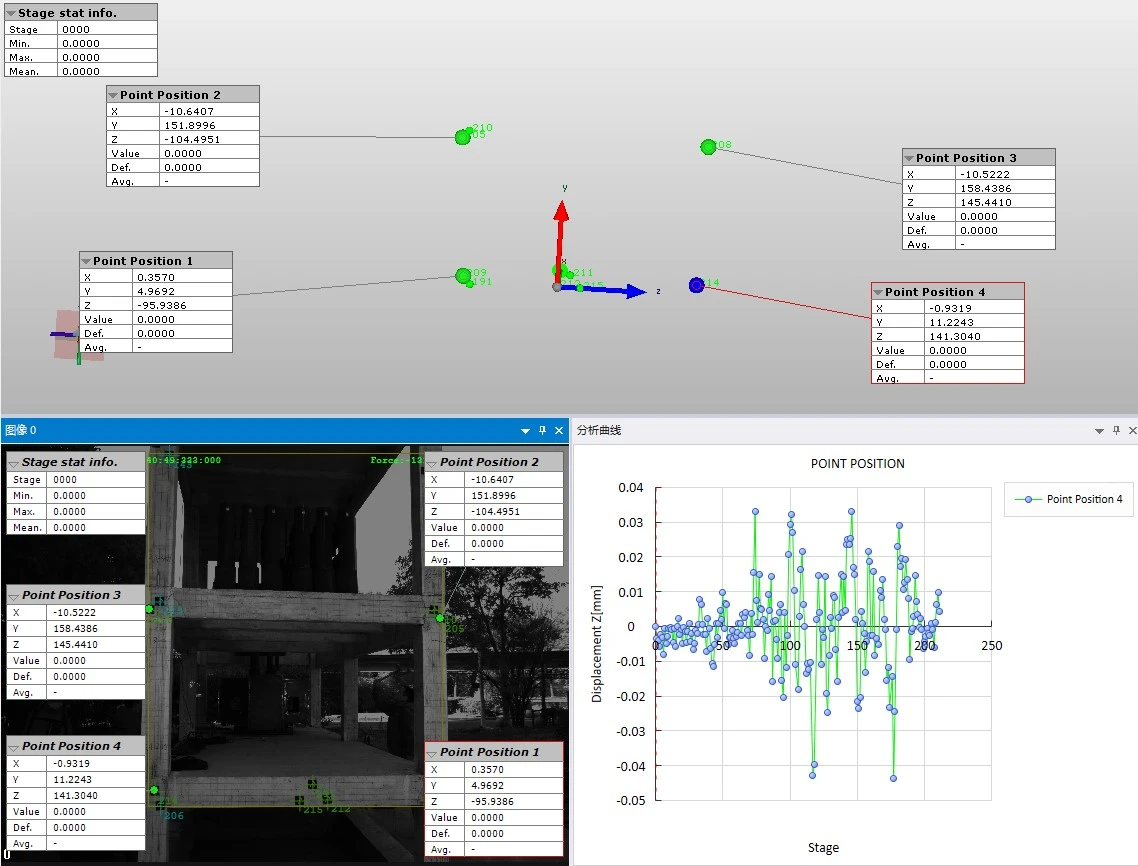
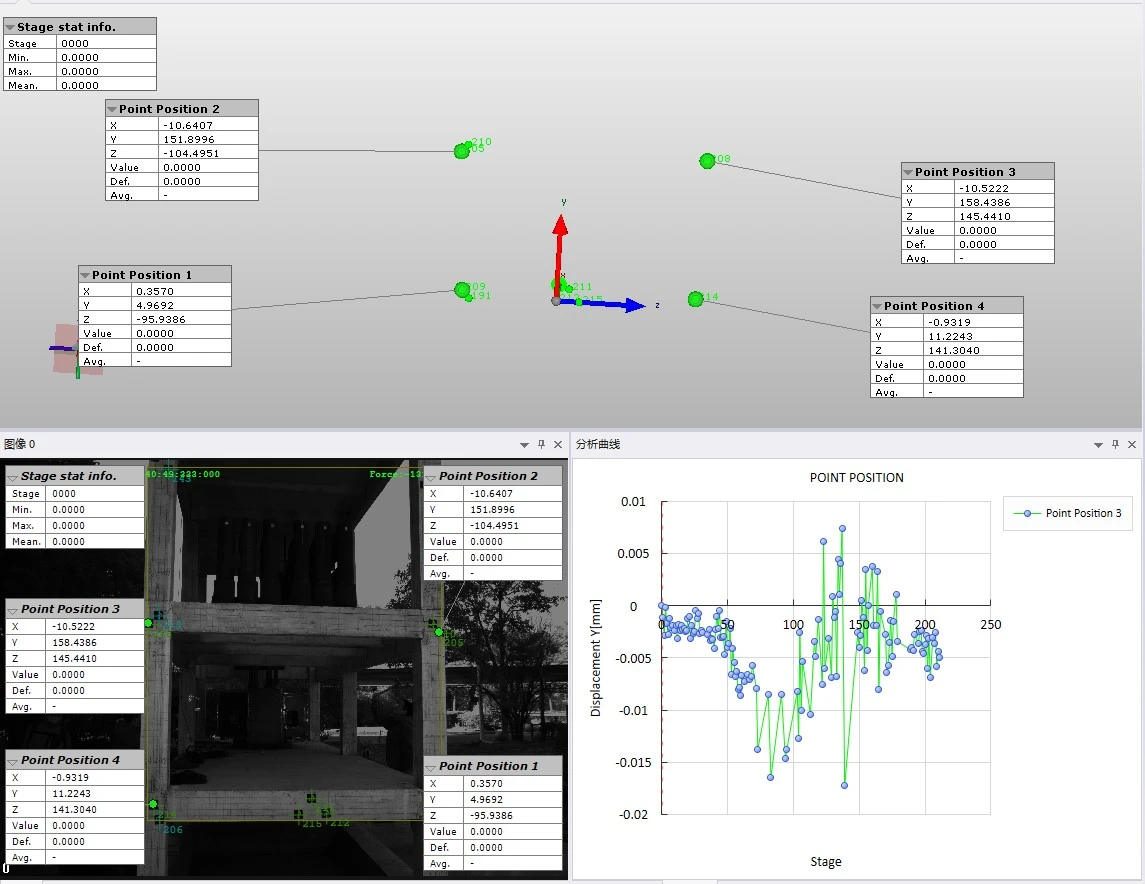
A research team at Tongji University constructed a scaled multi-story frame model and utilized the XTDIC 3D strain measurement system to provide full-field coverage of the frame's beams, columns, and joint regions. By simulating seismic vibration loads of varying intensities, the team synchronously captured full-field 3D displacement data of the structural system.
Based on the inter-story displacement contour maps and vibration curves at key measurement points generated via DIC technology, the team precisely identified critical locations prone to strain concentration and excessive displacement during seismic events. This approach enabled a comprehensive reconstruction of the structure's behavior, spanning from elastic deformation to localized damage, with the measured data serving to directly calibrate finite element simulation models.
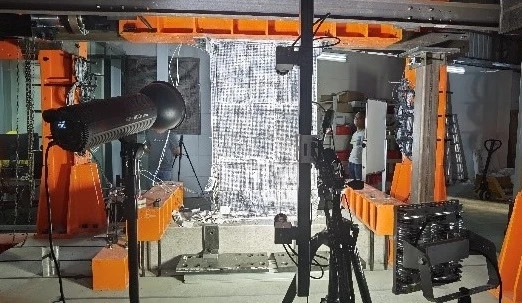
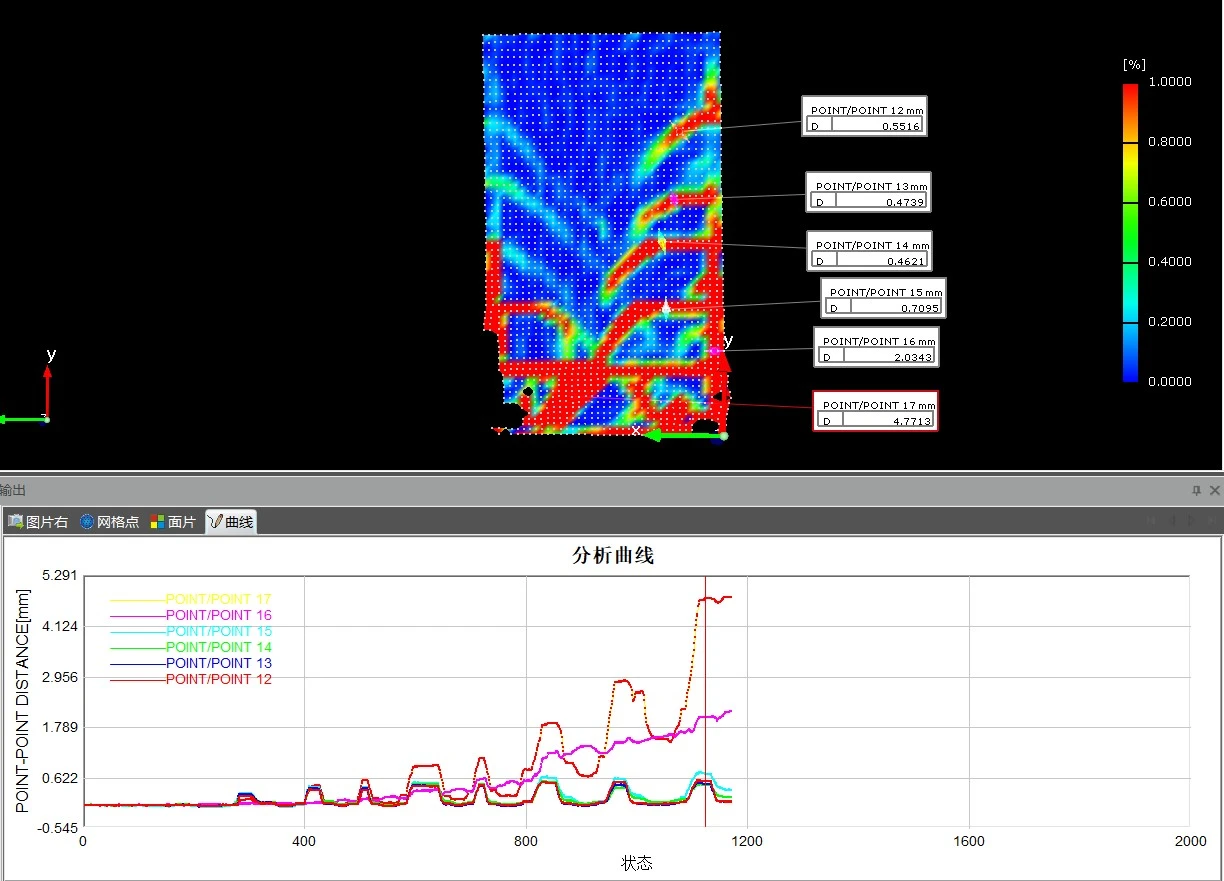
4. Analysis of Deformation and Cracking Damage in Reinforced Concrete Seismic Walls
A structural engineering team at a university conducted seismic cyclic loading tests on concrete shear walls. A speckle pattern was applied to the surface of the specimens, and the XTDIC 3D strain measurement system was used to continuously record full-field strain data on the wall surface throughout the loading process.
Leveraging the high-density strain field visualization capabilities of DIC technology, the tests fully captured the entire process of micro-crack initiation, propagation, and coalescence. Crack widths at various loading stages were automatically measured, and correlations were established between wall strain values, the extent of crack development, and seismic damage levels, thereby optimizing the design of the concrete seismic walls.
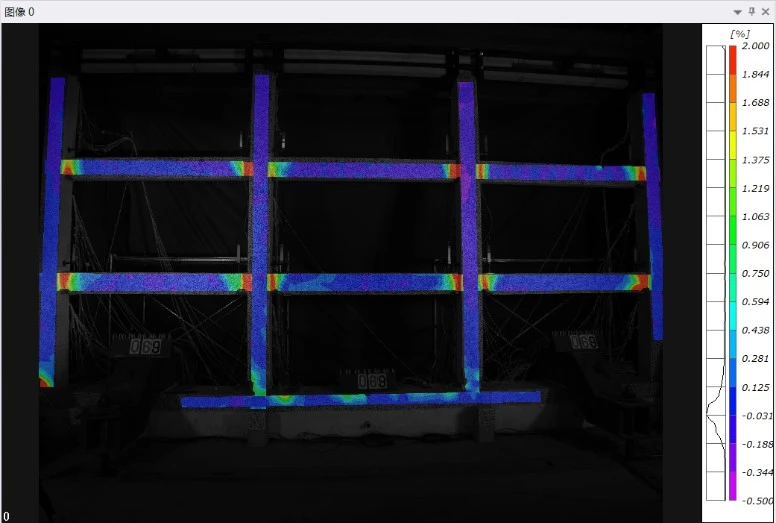
5. Deformation Measurement of a Six-Story Reinforced Concrete Frame During Collapse Under Strong Seismic Excitation
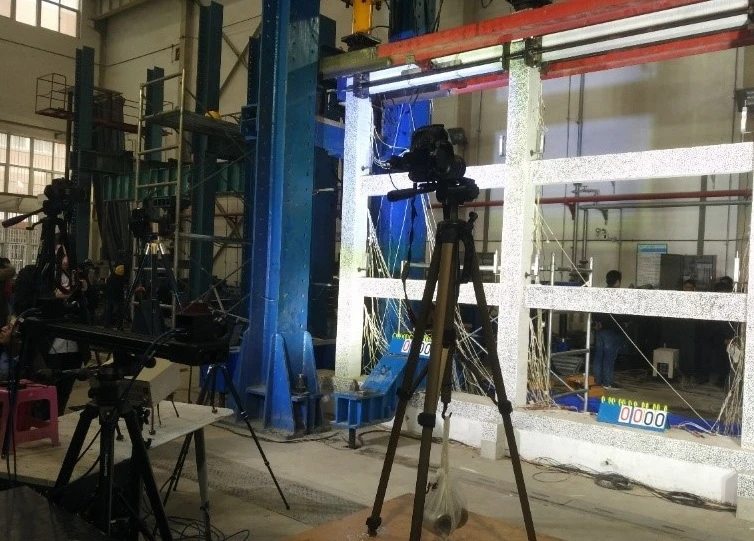
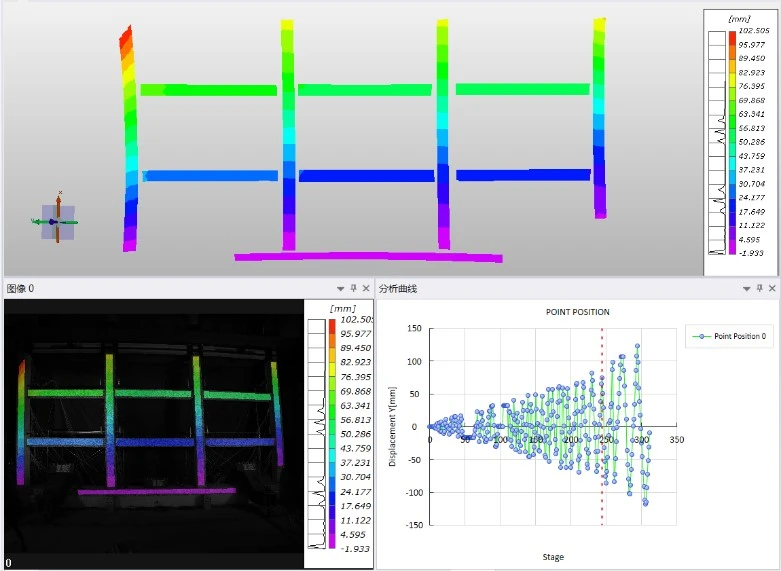
A university research team constructed a scaled-down model of a six-story, three-bay reinforced concrete frame. Multiple XTDIC 3D strain measurement units were deployed to provide zonal coverage of the structure, and incrementally increasing seismic waves were applied to simulate the entire process from the intact state through to collapse.
The DIC measurement system generated color maps of displacement and strain across various loading stages and tracked the full progression of beam-column cracking and concrete spalling. By extracting displacement-time history data from specific measurement points, the team mapped the complete failure and collapse path of the frame, thereby supporting research into seismic design theories aimed at ensuring structural stability during major earthquakes.
IV. Unique Value of DIC Technology in Civil Engineering Vibration Research
1. Capturing Early-Stage Micro-Damage at the Micron Scale
The XTDIC measurement system enables real-time tracking of the initiation and slow propagation of micron-scale micro-cracks on the surfaces of concrete and geotechnical specimens. It identifies subtle surface cracks—induced by rebar corrosion expansion or load-related stress concentrations—before macroscopic failure occurs, providing critical preliminary data for early damage warning and preventive reinforcement of engineering structures.
2. Full-Field Reconstruction of 3D Dynamic Responses
The system simultaneously outputs full-field displacement and principal strain data. In vibration table tests involving multi-story frames or slopes, it precisely pinpoints areas at risk of excessive inter-story drift or slope surface sliding during seismic events. By generating continuous deformation datasets covering the entire specimen surface, the data can be directly used to calibrate parameters for digital twin models of buildings and slopes, significantly enhancing the fidelity of simulation models.
3. Dynamic Visualization of the Entire Crack Evolution Process
Leveraging high-density full-field strain data, the system precisely identifies crack initiation points and propagation paths through abrupt gradient changes in strain contour maps. It dynamically quantifies variations in crack length, width, and propagation rate under seismic loading, visualizing the damage evolution process and overcoming the limitations of traditional testing methods that fail to continuously track crack development.
4. Quantitative Verification of Structural Repair/Reinforcement Effectiveness
Comparative vibration tests are conducted on structural components and systems before and after reinforcement or repair. The XTDIC 3D strain measurement system monitors real-time strain redistribution patterns. Using three quantitative indicators—deformation amplitude, extent of strain concentration, and residual deformation—it intuitively and quantitatively verifies how reinforcement schemes optimize load transfer paths and enhance seismic load-bearing capacity, providing a data-driven basis for refining reinforcement techniques.
Conclusion
Digital Image Correlation (DIC) technology possesses four core characteristics—non-contact and non-intrusive operation, continuous full-field measurement, synchronous 3D data acquisition, and high-precision dynamic capture. It is ideally suited to the rigorous testing requirements of seismic simulation and vibration response experiments for various civil engineering structures, providing continuous, complete, and quantifiable empirical data on full-field deformation and strain for seismic research.
The XTOP3D XTDIC 3D full-field strain measurement system has been successfully deployed in diverse civil engineering research scenarios, including seismic testing of mountainous slopes, vibration simulation of multi-story building frames, mechanical loading tests on concrete walls, and full-process collapse testing of reinforced concrete frames. Capable of consistently delivering high-precision, highly reliable full-field mechanical data, the system provides robust experimental support for analyzing seismic mechanisms in engineering structures, optimizing seismic design details, and developing strategies for landslide disaster prevention and control.









 Video Center