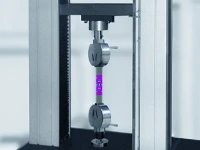
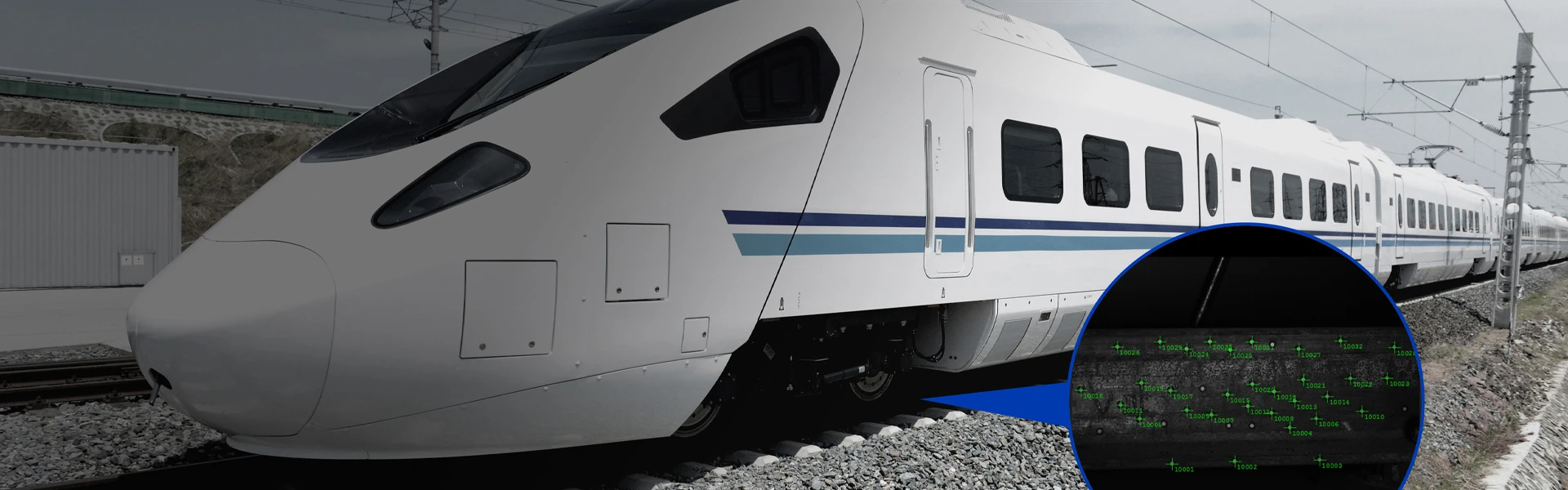
In civil engineering and bridge construction, materials undergo deformation under load, eventually leading to cracking and fracture. Understanding this behavior—how materials deform and fail under external loads—is crucial for assessing the structural integrity and durability of engineering projects. Within the field of material and structural testing, Digital Image Correlation (DIC) has garnered significant attention due to its sub-pixel measurement accuracy, capability for long-range, multi-point, non-contact testing, and ease of setup and operation.
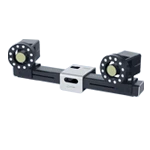
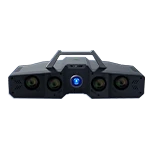
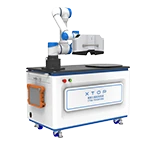
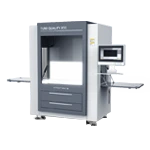
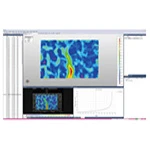
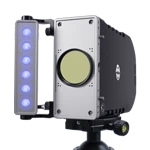
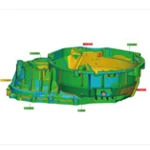
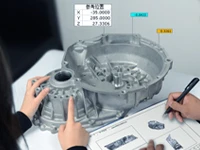
The XTOP3D XTDIC 3D full-field strain measurement system utilizes DIC technology to directly measure the mechanical behavior of material and structural surfaces. By capturing fundamental data such as displacement and strain fields, and employing advanced DIC analysis software, the system rapidly and comprehensively characterizes crack initiation sites, dimensions, propagation rates, and dynamic changes during elastic-plastic phases. It serves as a convenient and reliable tool for researchers investigating material strength and performance.
XTDIC Applications in Civil Engineering and Bridge Construction
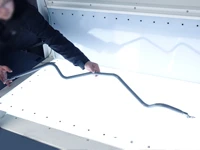
As requirements for compressive, tensile, and shear strength in civil engineering and bridge structures continue to rise, the industry is increasingly adopting functional and hybrid high-performance materials. The XTOP3D XTDIC 3D full-field strain measurement system is suitable for a wide range of applications, including mechanical analysis of civil engineering materials, structural analysis, dynamic displacement measurement, and deformation measurement of scaled-model materials. It enables the testing of tensile strength, crack resistance, fatigue resistance, and fracture toughness, facilitating quantitative analysis of mechanical properties. Ultimately, this supports the scientific and rational enhancement of the overall structural integrity and durability of engineering projects.