To address the challenge of quantitatively characterizing the cracking behavior and mechanical response of concrete slabs with interlayer structures under four-point bending loads, this study employs binocular Digital Image Correlation (DIC) technology to conduct non-contact, full-field deformation measurements on concrete specimens featuring various interlayer configurations. The experiments simultaneously captured the processes of crack initiation and propagation along the slab sides and quantitatively analyzed the evolution of displacement and strain fields across three types of specimens: undoped, A-doped, and B-doped.
The experimental results demonstrate that DIC technology can accurately identify crack initiation sites and propagation paths, and that interlayer structures significantly influence the degree of strain concentration in the X-direction and the patterns of displacement distribution. These findings provide critical data for the crack-resistance design of concrete slabs with interlayer structures and for the validation of numerical models.
1. Background of the Experimental Study
As core load-bearing components in construction and transportation engineering, concrete slabs have flexural performance and cracking behavior that critically influence structural safety. Traditional methods, such as resistance strain gauges, struggle to capture sudden strain changes at multiple points or the dynamic evolution of cracks; this is particularly true for composite structures containing interlayers, where the issue of interfacial strain discontinuity requires high-resolution measurement techniques.
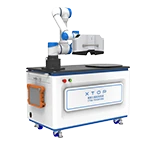
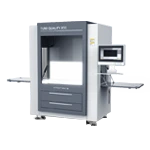
Binocular Digital Image Correlation (DIC) technology offers the advantages of non-contact, full-field measurement, enabling the simultaneous acquisition of 3D displacement and strain distributions on the specimen surface. This study employs the XTOP3D XTDIC 3D full-field strain measurement system in conjunction with four-point bending tests to quantitatively analyze differences in crack evolution and mechanical response among concrete specimens with different interlayers, thereby providing data to support the optimized design of such interlayer structures.
2. Experimental System and Testing Methods
Experiment Overview
A four-point bending loading mode is used to apply stepwise incremental loading to three types of concrete specimens with different interlayer structures:
Specimen types: No. 1 (no interlayer/control), No. 2 (Interlayer A), No. 3 (Interlayer B)
Loading method: Stepwise incremental loading with cyclic loading; data is acquired by the DIC system during the loading process.
Measurement objectives: ① Timing of crack initiation/propagation; ② Y-direction displacement field; ③ X-direction strain field.
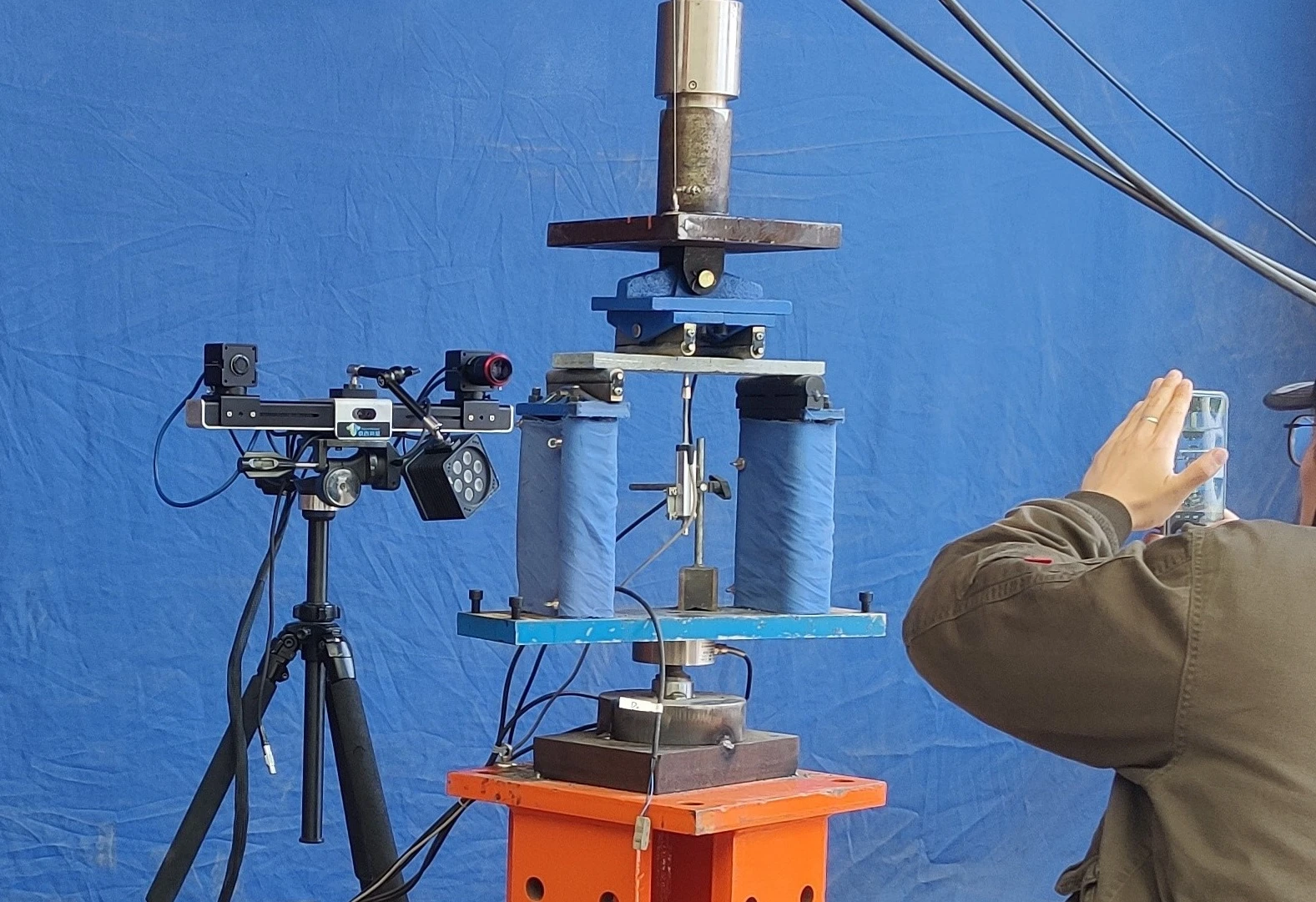
Diagram of the four-point bending test setup and DIC measurement system.
DIC Measurement System Configuration
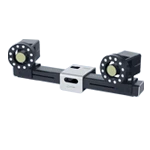
Image Acquisition System: Binocular XTDIC-5M 3D full-field strain measurement system (resolution: 2448 × 2048)
Lens: 25mm fixed-focal-length industrial lens
Light Source: Ring-type blue LED cold light source
Speckle Patterning: Matte white base coat + black random speckle pattern
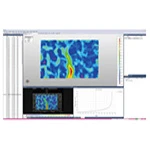
DIC Software Data Analysis
Crack Identification: Crack location determined via displacement discontinuity bands and strain concentration zones
Full-field Analysis: Calculation of Y-direction displacement contour maps, displacement curves at key points, and X-direction strain fields
Interlayer Influence: Comparison of strain gradients, crack propagation rates, and displacement distributions across the three specimen types
3. Experimental Results and Analysis
Dynamic Crack Evolution Characteristics
Specimen No. 1 (No interlayer):
Crack initiates at the bottom of the mid-span and propagates rapidly through the section in the vertical direction;
When crack width ≥ 0.3 mm, Y-direction displacement increases sharply (displacement curve exhibits a step-like jump)
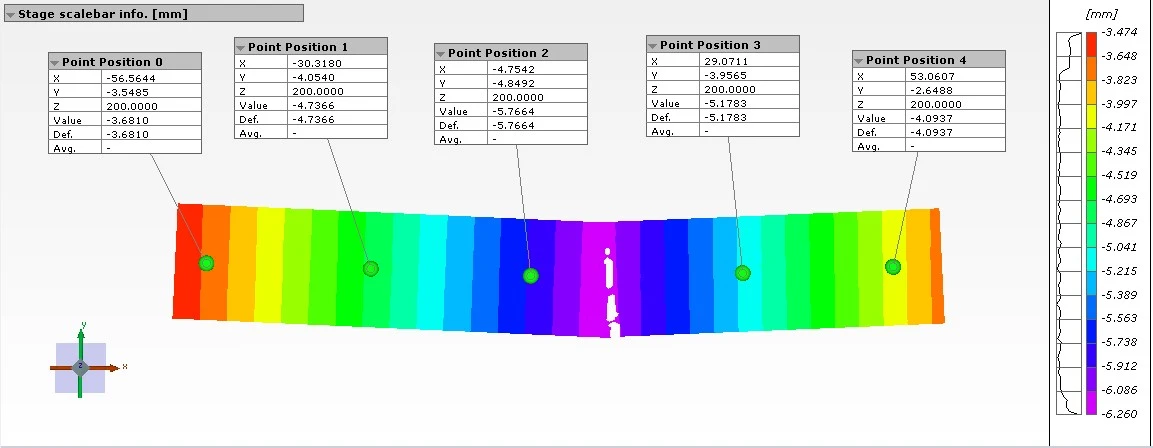
Y-direction displacement field response: Symmetrical parabolic pattern, concentrated at mid-span
X-direction strain concentration: Analysis of peak strain at mid-span; monitoring of crack initiation and evolution (tensile zone)
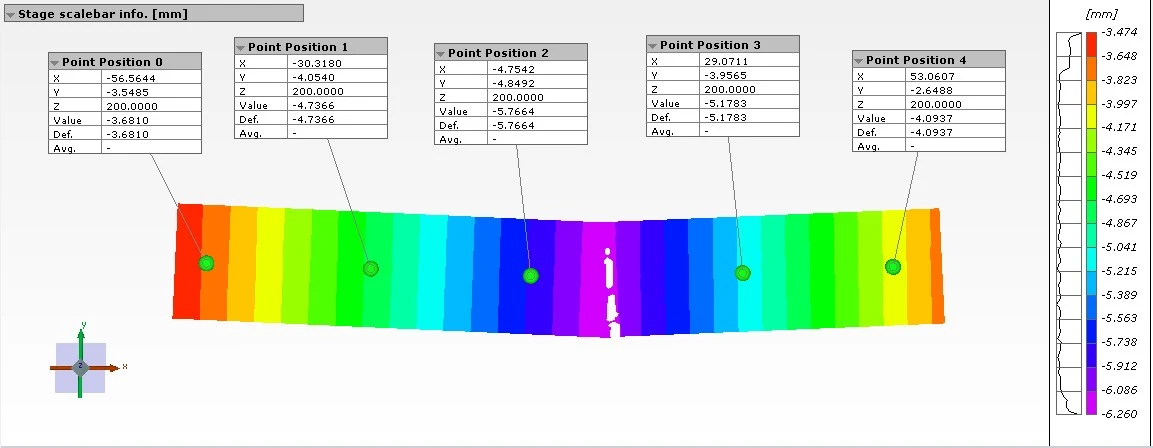
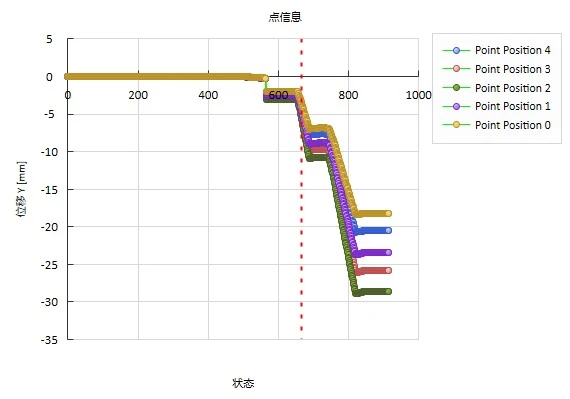
Y-direction displacement contour plot and point-specific curves
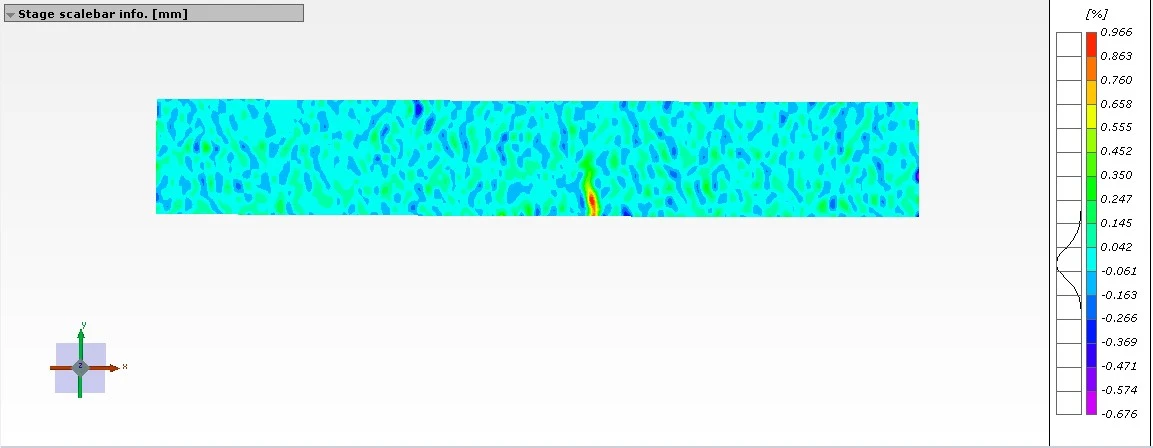
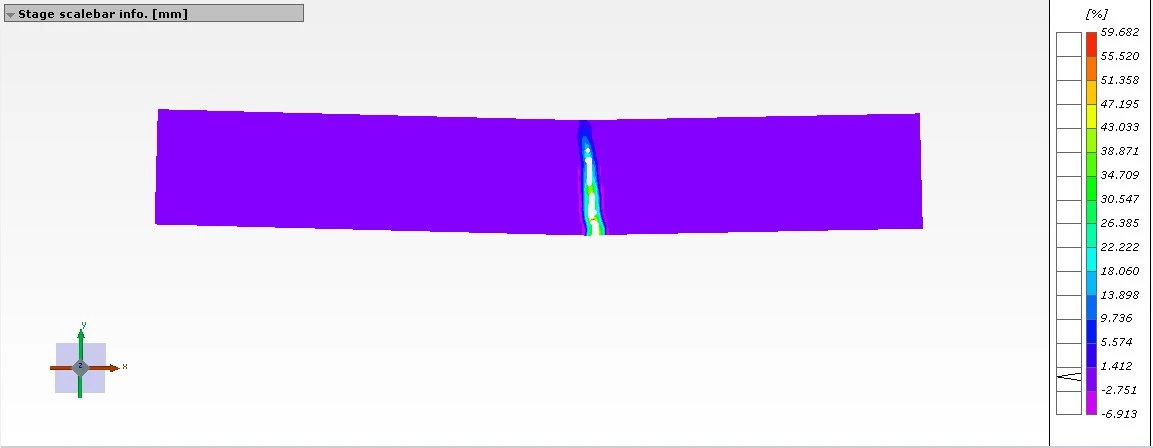
Variation of strain in the X-direction
Specimen 2 (Doped with A)
Cracks deflect at the interlayer interface, and interlayer A retards crack propagation.
Y-direction displacement field response: The sandwich structure alters the bending moment transmission path, leading to a reconfiguration of the displacement field; a bimodal distribution is observed, with displacement suppressed in the interlayer region.
X-direction strain concentration behavior: Elevated strain gradients occur at the interlayer interface.
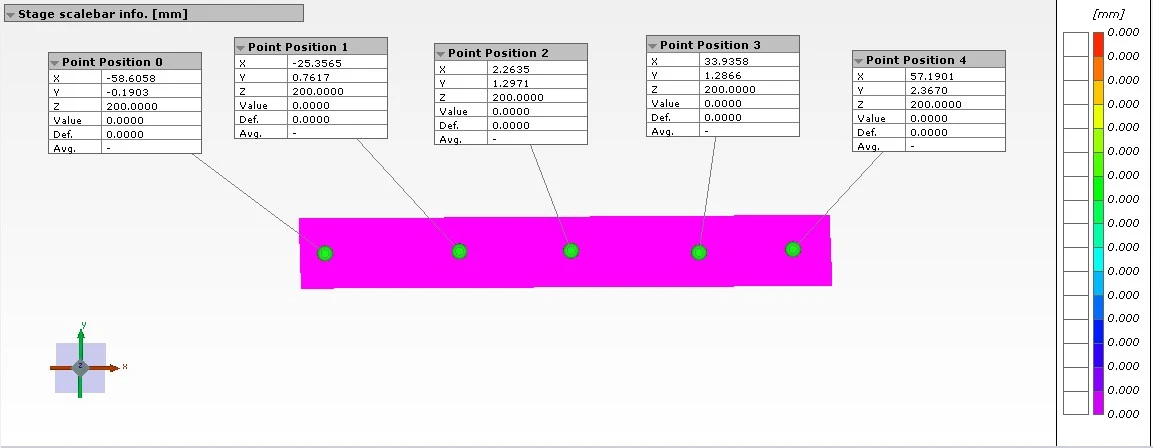
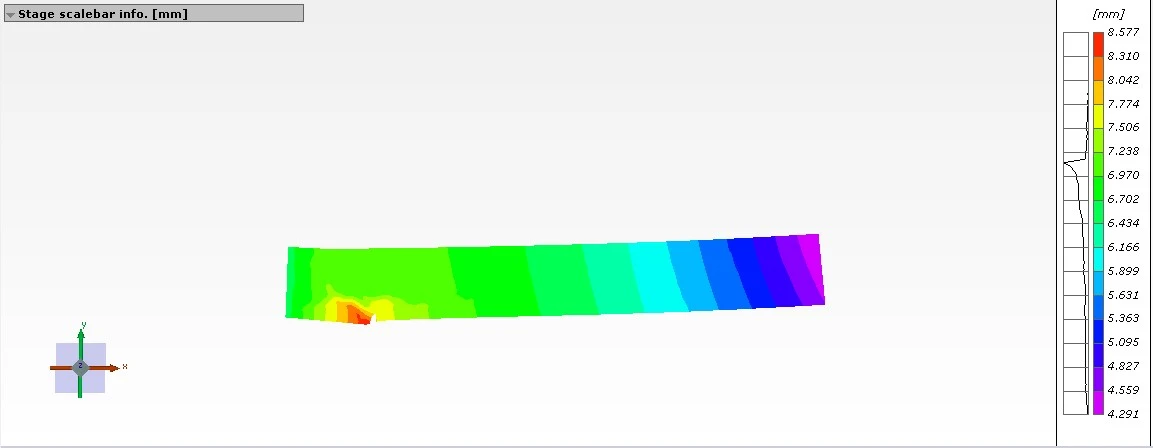
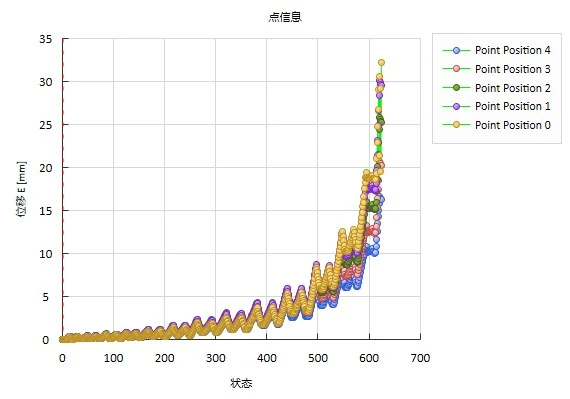
Y-direction displacement contour plot and point displacement curve
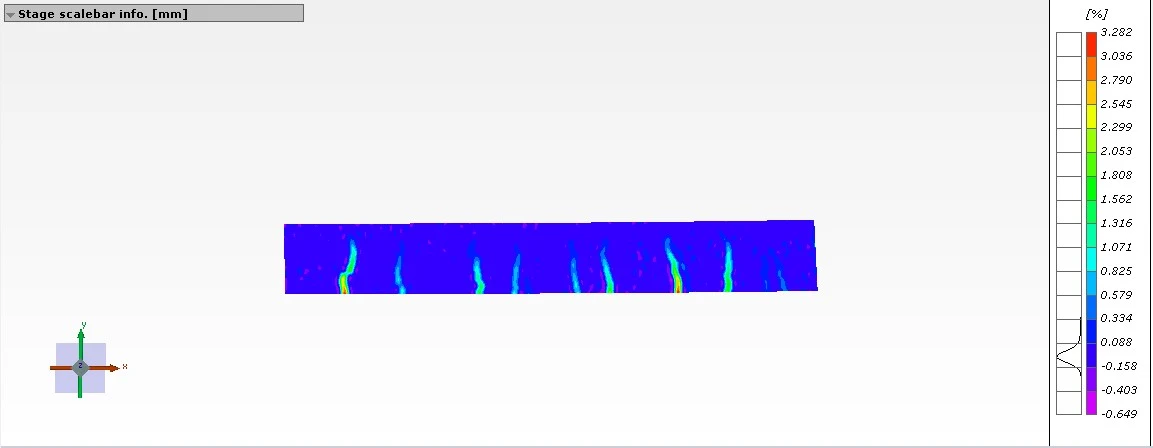
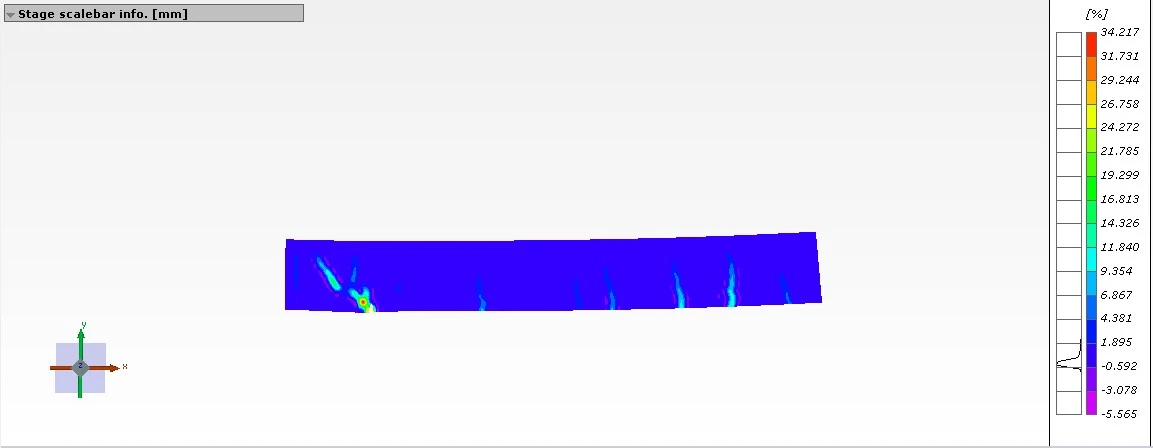
X-direction strain – crack initiation process
Specimen 3 (Boron-doped)
The boron interlayer induces multiple crack branches, reducing the propagation rate of the main crack.
Y-direction displacement field response: Multiple extreme points, corresponding to crack branching locations.
X-direction strain concentration behavior: High-strain zones form at the crack tips.
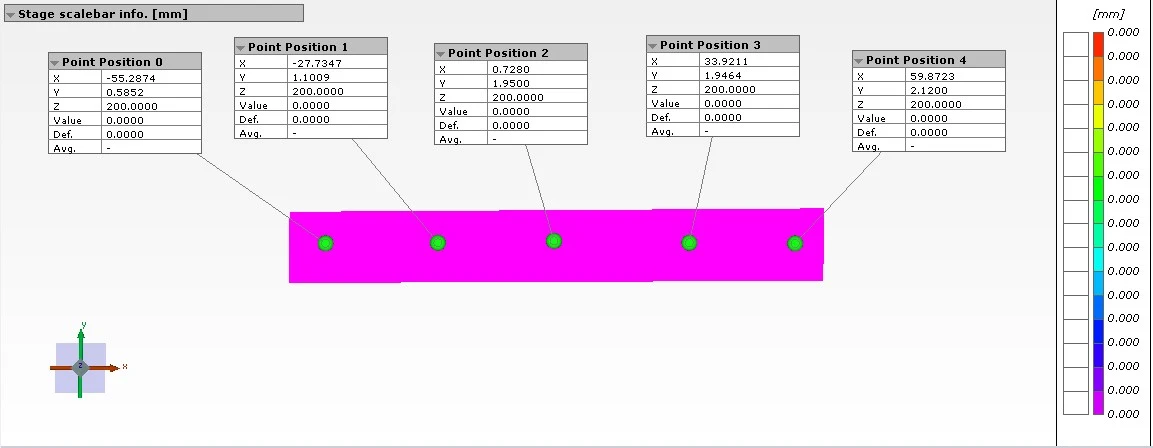
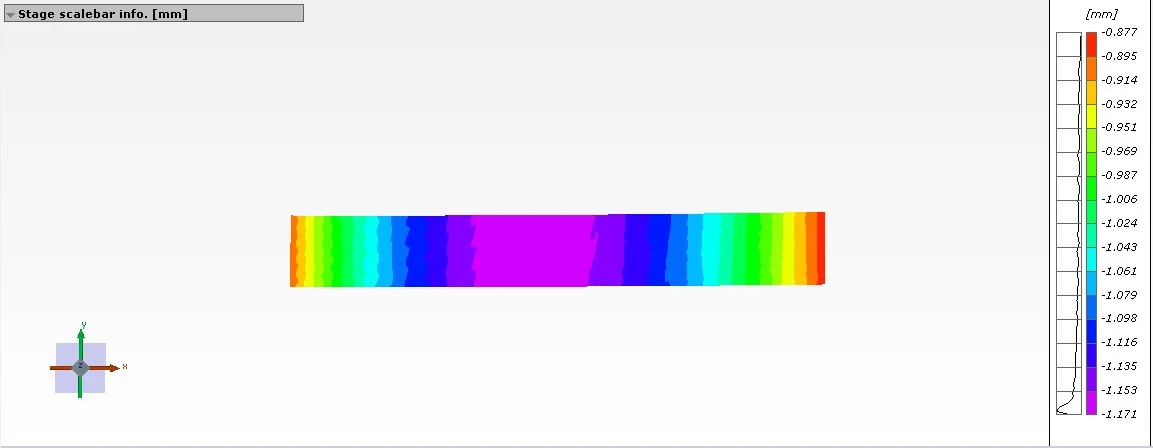
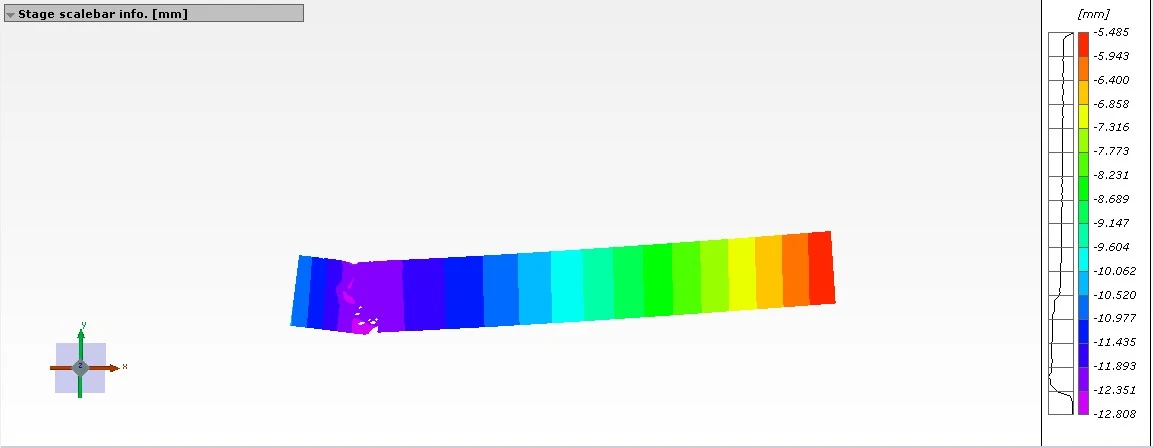
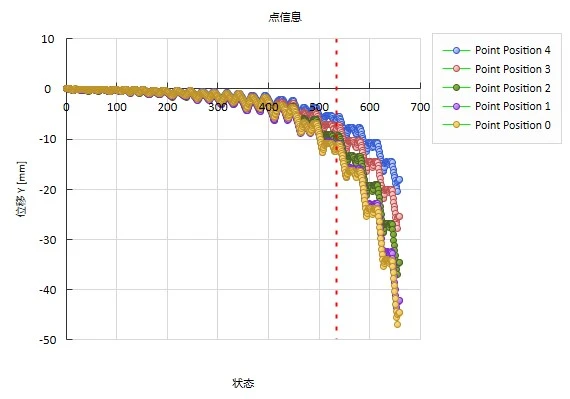
Y-direction displacement contour plot and point displacement curve
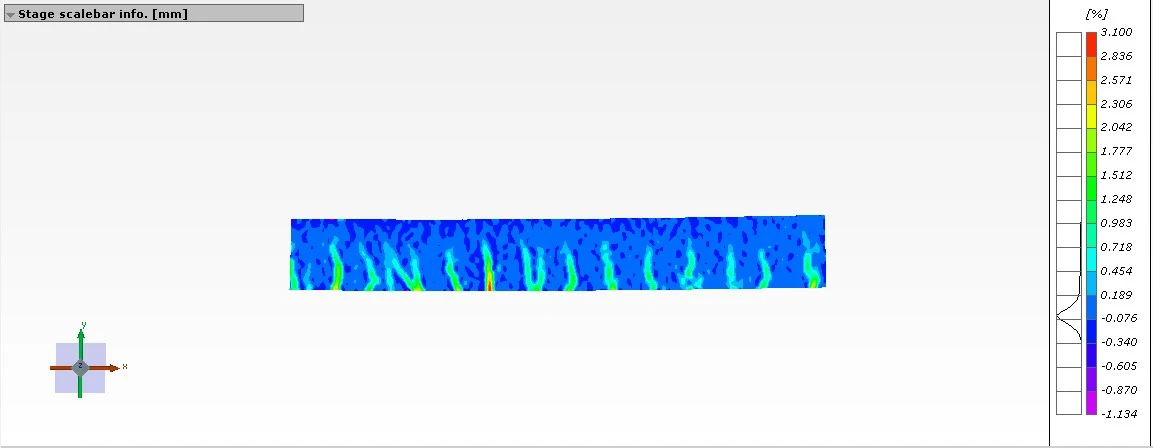
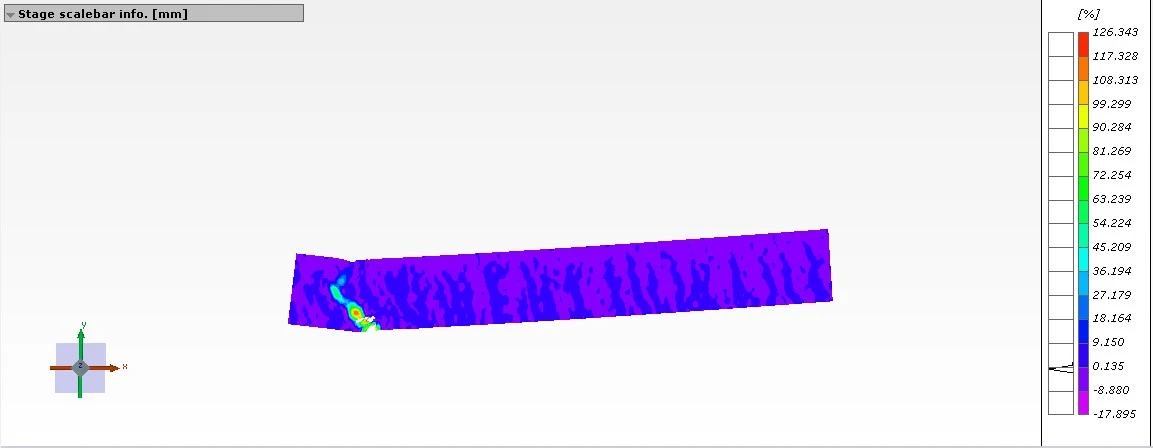
X-direction strain – crack initiation process
4. Conclusions and Engineering Significance
Effectiveness of DIC Technology: DIC technology successfully enabled the dynamic tracking of concrete flexural cracks from initiation to propagation and quantified the interfacial effects and crack-suppression mechanisms of the sandwich structures through displacement and strain field analysis.
Mechanisms of Sandwich Structure Influence: Sandwich A delayed crack propagation through the redistribution of interfacial strain; Sandwich B induced a multi-crack system to dissipate energy, thereby reducing the risk associated with the primary crack; specimens without an interlayer exhibited characteristic brittle fracture behavior.
Engineering Application Value: Provides optimization strategies for the crack-resistant design of sandwich concrete panels (e.g., interface strengthening, selection of ductile interlayers) and establishes strain thresholds for cracking to serve as a basis for early warning against concrete fracture damage.