Experimental Background
Experiments on the mechanical behavior of engineering structures involve applying loads to structural components to measure parameters such as internal forces, deformations, rotations, support displacements, frequencies, and amplitudes. These experiments serve to verify design requirements and assess safety and reliability, while also providing a foundation and means for exploring new structural domains and advancing the theory of engineering structures.
Beams are among the most widely used load-bearing components in engineering structures, primarily subjected to bending moments. Conducting bending experiments on beams allows for the validation of theoretical models and the assessment of material and structural mechanical properties. Furthermore, such experiments reveal limitations associated with material nonlinearity, large deformations, or complex boundary conditions, thereby guiding the formulation of engineering design standards and optimization efforts.

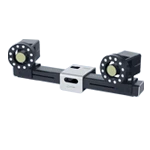
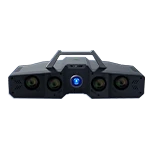
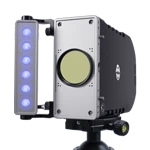
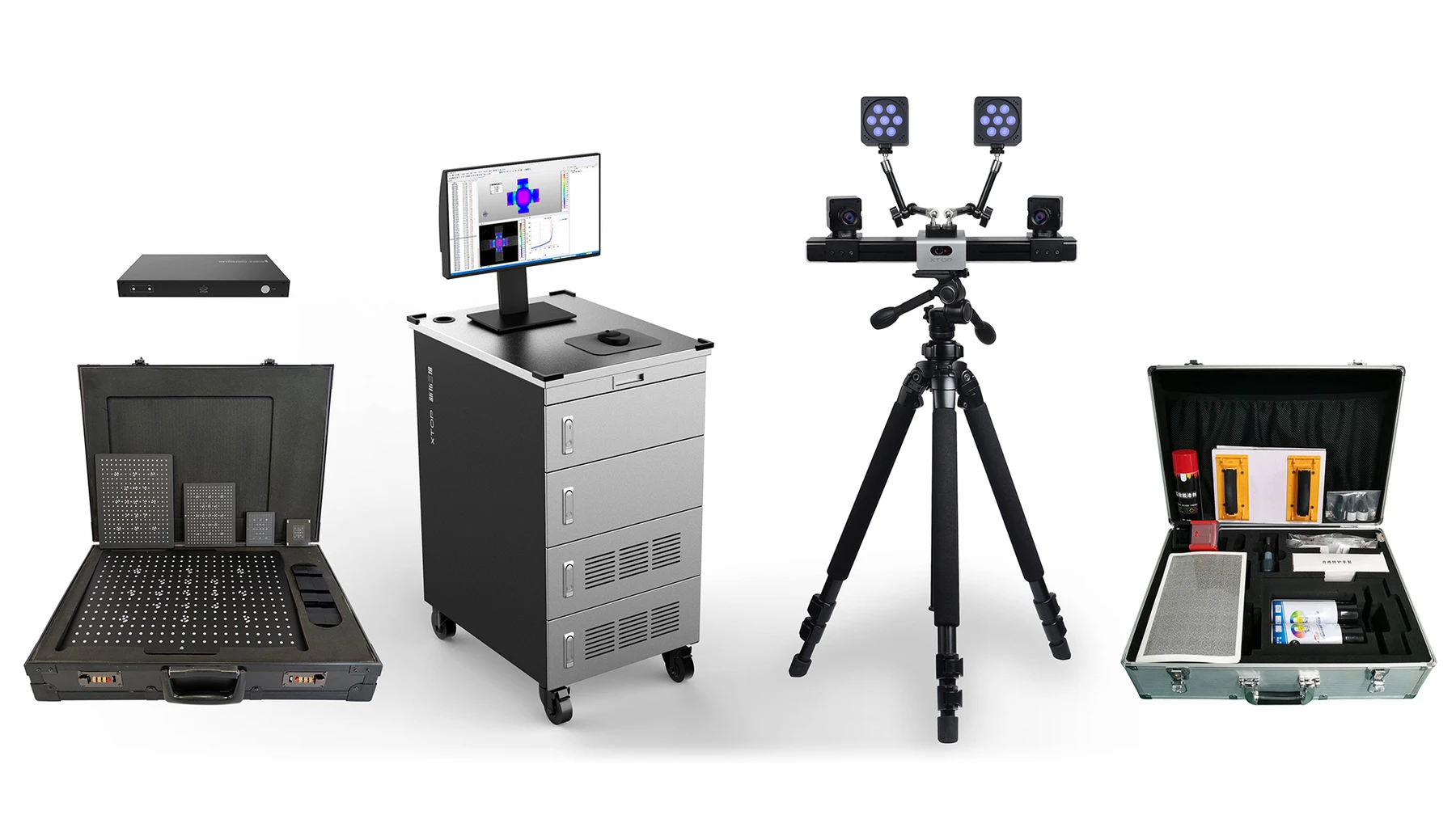
To investigate the impact of dynamic loads on the mechanical performance of structural beams, a research institute conducted bending tests to evaluate their flexural behavior, utilizing the XTDIC 3D full-field strain measurement system from Xintuo 3D. This system enabled the acquisition of displacement and strain fields, as well as displacement-strain curves for specific points in critical regions. By employing Digital Image Correlation (DIC) technology for these bending deformation experiments, the institute was able to visualize and measure the characteristics of transverse bending deformation.
Why Apply DIC in Beam Bending Experiments?
This experiment focuses on the bending of a structural beam to investigate its deformation and strain behavior under bending loads. During the experiment, a high-resolution DIC camera is used to continuously capture images of the beam's surface throughout the loading process, providing the data necessary for the subsequent analysis of displacement and strain fields.
Necessity of DIC Technology Application
In traditional structural mechanics testing, commonly used methods—such as strain gauge and deflectometer measurements—suffer from limitations including a restricted number of measurement points, limited measurement accuracy, and an inability to fully capture the full-field characteristics of structural deformation.
-
It is difficult for traditional methods to fully capture the full-field deformation information of the beam;
-
Unable to effectively identify regions of local strain concentration in the beam;
-
It is difficult to accurately capture the patterns of beam deflection variation and strain development during the loading process.
Although beam bending appears to be primarily characterized by in-plane deformation, out-of-plane displacement (W) data is crucial. Shining3D’s binocular stereo DIC technology enables the simultaneous measurement of in-plane and out-of-plane displacements at the same points, providing complete 3D deformation vectors that offer key insights into complex deformation patterns, such as twisting.
Analyzing out-of-plane displacement in a beam bending experiment:
-
Near the loading point or support point (local crushing).
-
Asymmetric loading or cross-section.
-
When buckling occurs.
-
Evaluate the transverse Poisson effect.
Therefore, DIC technology holds significant application value in beam bending experiments; it can overcome the limitations of traditional methods and provide more comprehensive experimental data for the study of structural mechanical properties.
Experimental Process and Results
Experimental Preparation
Speckle Pattern Application: A random speckle pattern was sprayed onto the beam's surface to provide the feature points required for the DIC algorithm.
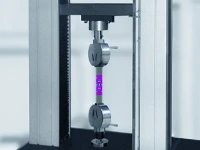
Experimental Setup: The bending test setup for the beam was assembled.
Camera Configuration: The XTDIC 3D full-field strain measurement system was set up, with the shooting angle and focal length adjusted to meet experimental requirements.
Data Acquisition: During the loading process, the DIC binocular camera system recorded image sequences of the beam's surface in real time, while simultaneously capturing data on the applied load or displacement.
Analysis of Experimental Results
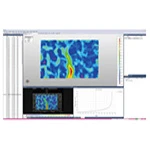
The image sequences were processed using XTOP3D DIC software to obtain displacement and strain fields. By extracting displacement and strain data at key points and plotting displacement-strain curves, the deformation and strain variations in critical regions of the structural beam during loading were analyzed.
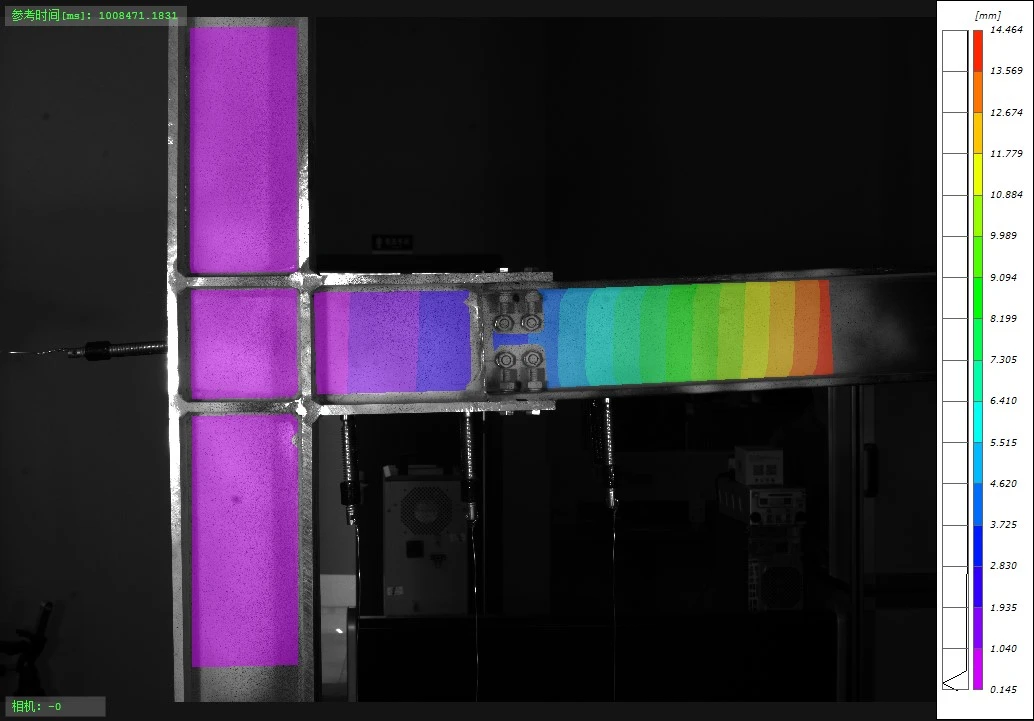
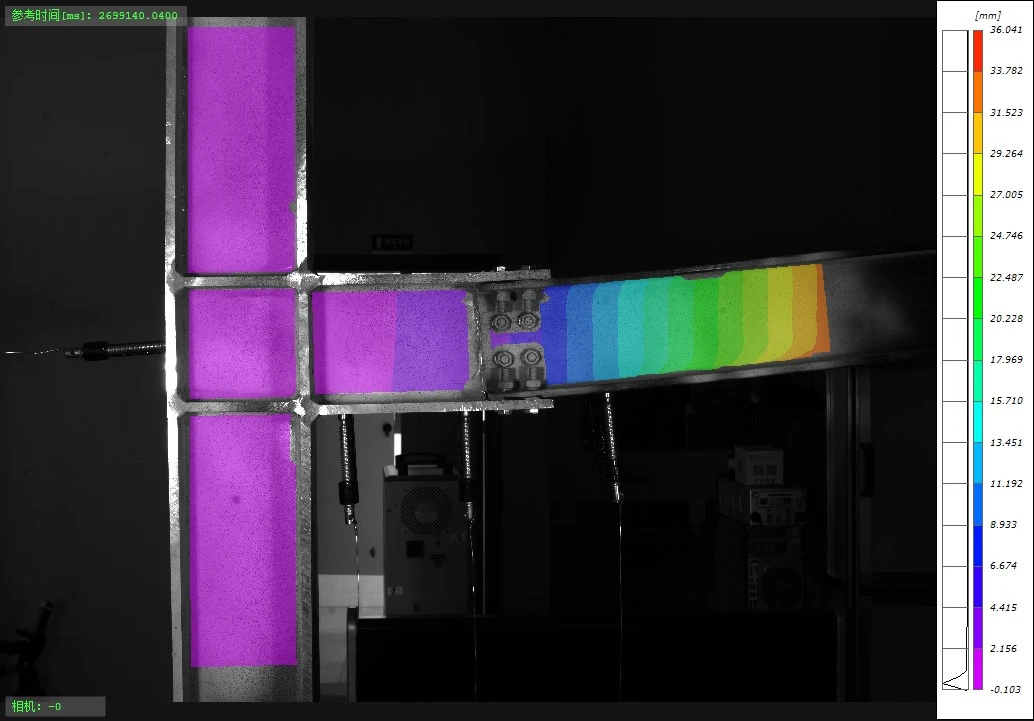
Displacement Contour Map of the Structural Beam
Full-field deflection distribution: The displacement contour map clearly illustrates the deformation gradient of the beam from the loading point toward the supports; for instance, displacement is greatest near the loading point and minimal near the support points.
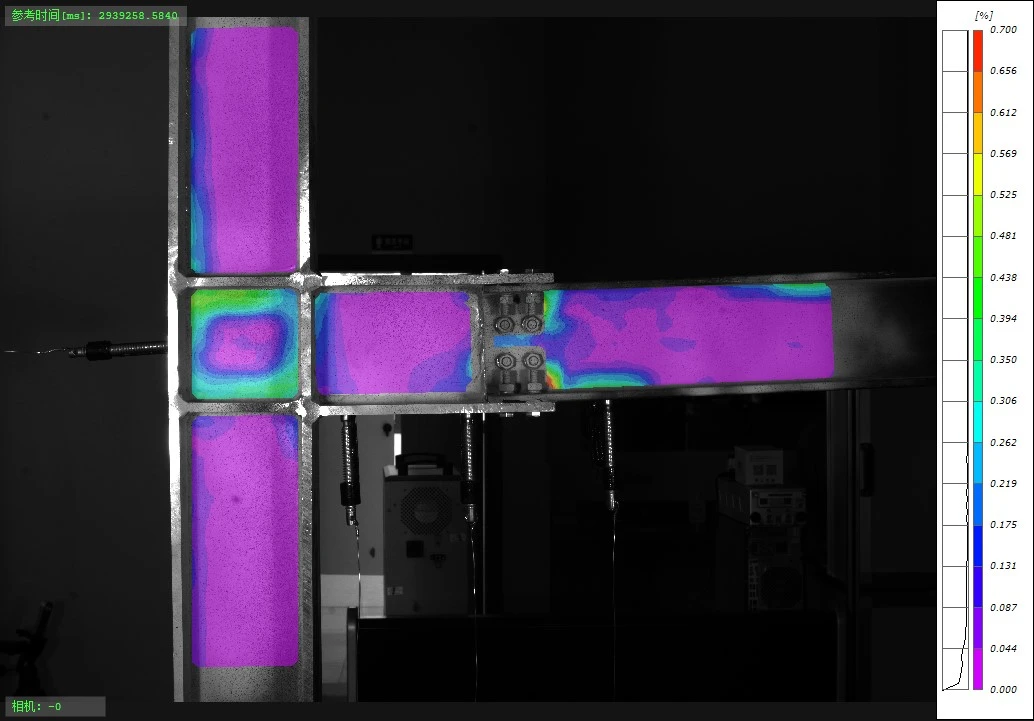
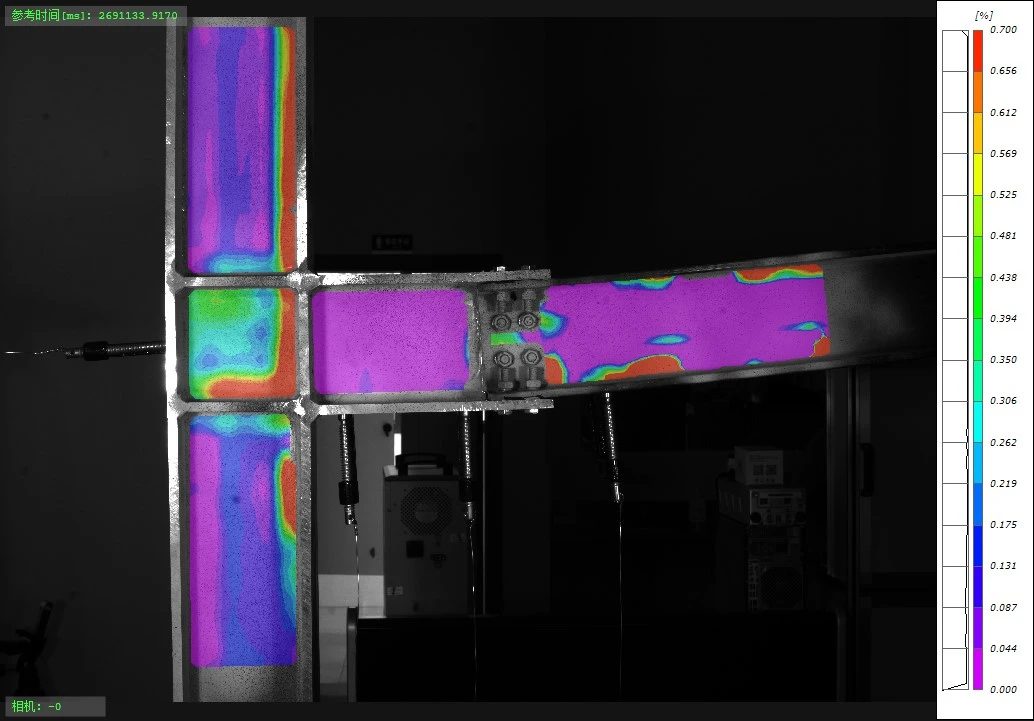
Strain Contour Map of the Structural Beam
Dynamic response of the full-field strain: The strain contour map reveals that the regions of maximum strain are located near the bending support points and within the zone of compressive bending stress; the upper surface of the beam experiences compressive strain, while the lower surface undergoes tensile strain. The strain contour map enables the precise identification of stress concentration zones.
Displacement Curve
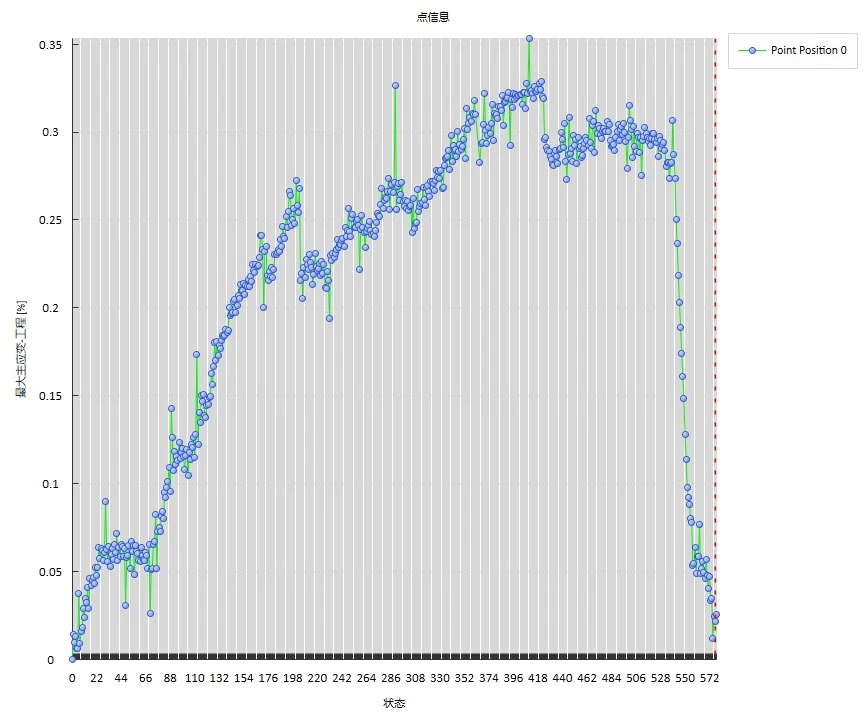
By extracting displacement data from key points on the structural beam, a displacement curve is plotted against the changing load. This allows for the analysis of the slope (stiffness) during the linear phase and the identification of the load level marking the onset of the non-linear phase, indicating the material's transition into the plastic regime.
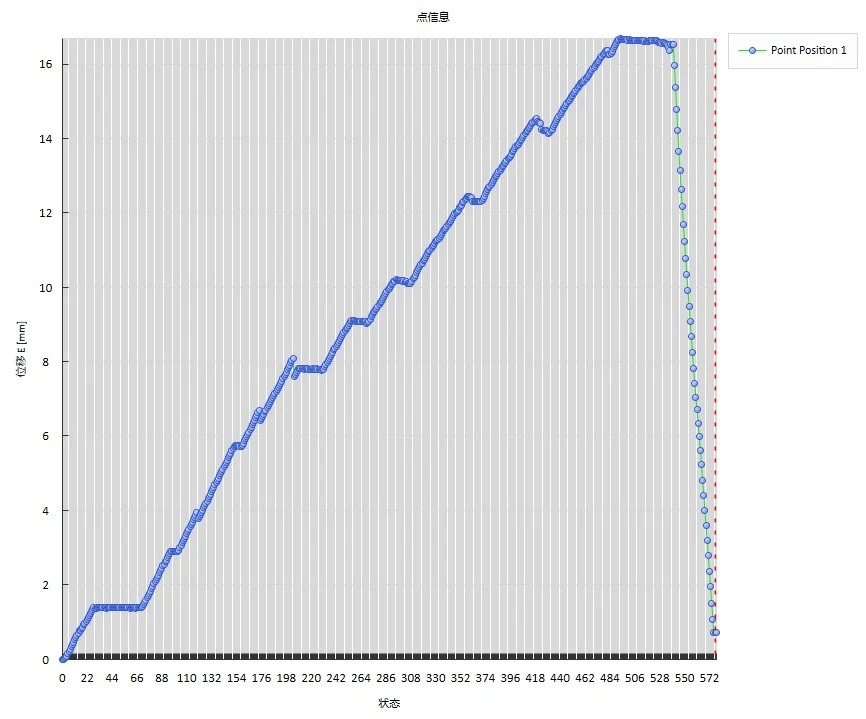
Strain Curve
Strain curves at key points on the structural beam indicate that the beam's deformation process comprises elastic and plastic stages; a linear relationship exists between displacement and strain during the initial loading phase, while non-linear changes occur in the later stages.
Experimental Summary and Significance
By applying Digital Image Correlation (DIC) technology to beam bending experiments, the full-field displacement and strain fields of the beam were successfully obtained, enabling a comprehensive analysis of the beam's deformation and strain distribution characteristics. The results demonstrate that DIC technology effectively overcomes the limitations of traditional experimental methods regarding measurement point density, accuracy, and the acquisition of full-field data, thereby providing significant support for research into the mechanical behavior of engineering structures.
The experimental findings not only validate the mechanical theory governing the beams but also provide an empirical basis for structural design optimization and finite element simulation. Moving forward, the application of DIC technology in mechanical testing for engineering structures is expected to expand further, offering robust technical support for research into structural safety and reliability.