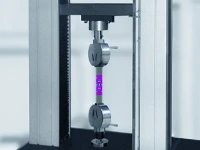
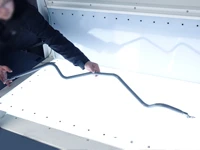
Optoelectronic modules are widely used in fields such as modern imaging, sensing, communications, and automotive electronics. Their core components are primarily manufactured using injection molds; the geometric precision of these molds—encompassing dimensions, shapes, and positional tolerances—directly determines the optical performance, assembly accuracy, and yield rates of the final optoelectronic products.
Beyond the need for efficiency and accuracy, traceability has become increasingly critical in the dimensional quality inspection of molds. Given that injection molds incorporate features such as free-form surfaces, cavity structures, slot widths, and wall thicknesses, it is essential to strengthen data collection and tracking management during the inspection process. Prioritizing product quality traceability helps enhance both manufacturing efficiency and operational performance.
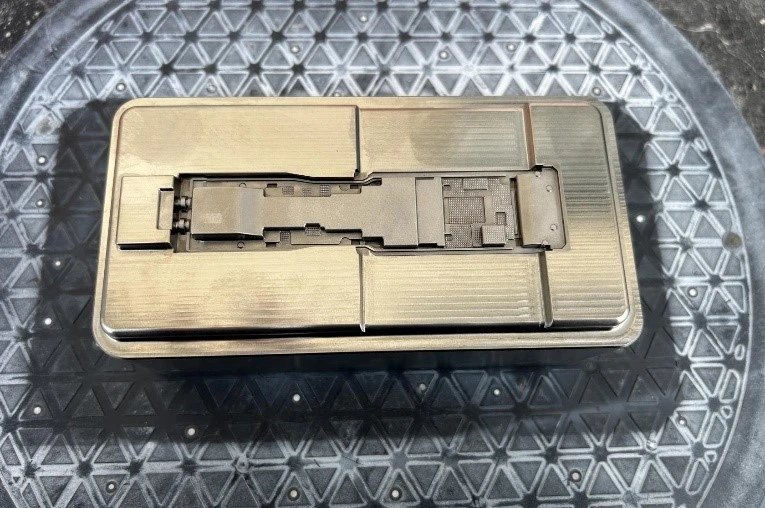
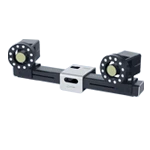
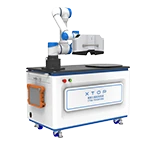
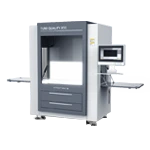
To enhance the efficiency and precision of mold quality control and ensure the performance of optoelectronic products, the mold manufacturer has adopted the XTOP3D XTOM industrial-grade blue-light 3D scanner for full-dimensional 3D inspection of injection molds, thereby establishing a traceable and scientific quality inspection process.
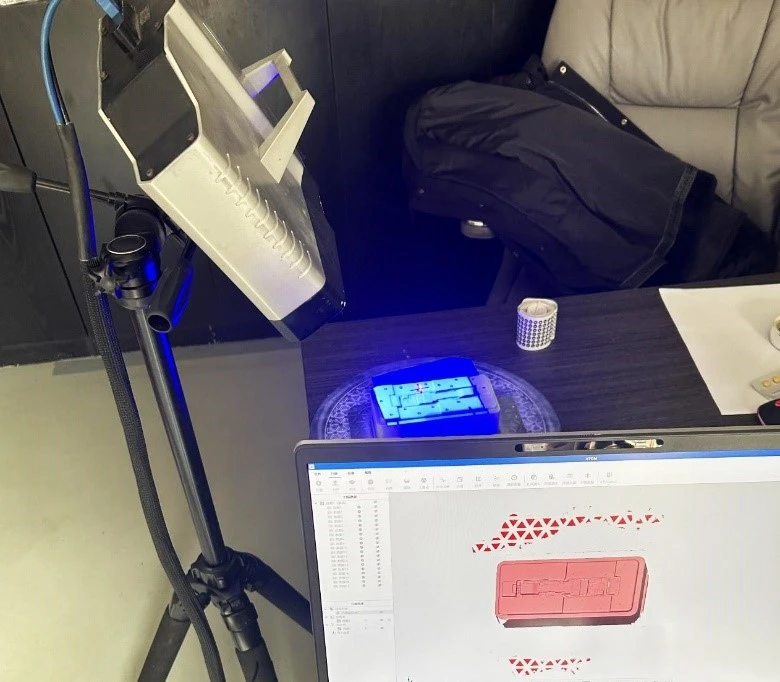
Strategic Choice: A Traceable Quality Inspection Model
For precision mold manufacturers, establishing a traceable quality control model is a core strategic choice for addressing industry competition and customer demands while enhancing their own competitiveness.
By capturing, linking, and tracing data across the entire lifecycle—from design and machining to inspection and service—manufacturers can transform quality information into digital assets that are searchable, analyzable, and actionable. This approach resolves key pain points in precision manufacturing, such as stringent accuracy requirements, numerous process variables, and the difficulty of pinpointing the root causes of issues.
From "Compliant Delivery" to "Full Lifecycle Quality Control"
As competition intensifies in downstream industries—such as consumer electronics, new energy vehicles, and optical communications—customer demands for mold products have shifted from mere functionality to reliability, predictability, and collaborative capability:
Guaranteed Quality Delivery: As the "source of quality" for injection-molded parts, even minute dimensional defects in a mold can escalate into batch failures in the final product. Manufacturers must maintain a "chain of quality evidence"—demonstrating that the mold meets specifications across design, machining, and inspection stages—rather than simply providing a standard "certificate of conformity."
Rapid Issue Localization: When batch defects occur downstream, the root cause must be quickly identified so that processes can be promptly adjusted to safeguard the quality of the final product.
Collaborative Quality Control: By sharing quality data, manufacturers can jointly optimize designs and processes (e.g., adjusting injection parameters based on mold wear data), thereby achieving "quality synergy" with their deeply integrated clients.
Blue-light 3D scanning technology: Driving an "end-to-end traceable" system.
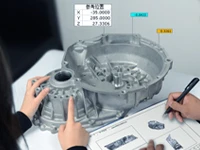
Utilizing the XTOP3D XTOM industrial-grade blue-light 3D scanner, the system achieves a single-scan speed of ≤1 second, enabling rapid full-surface scanning of complex injection molds. It delivers a point cloud spacing of 0.021 mm and a measurement accuracy of 0.006 mm, precisely capturing mold surface contours and micro-groove features.
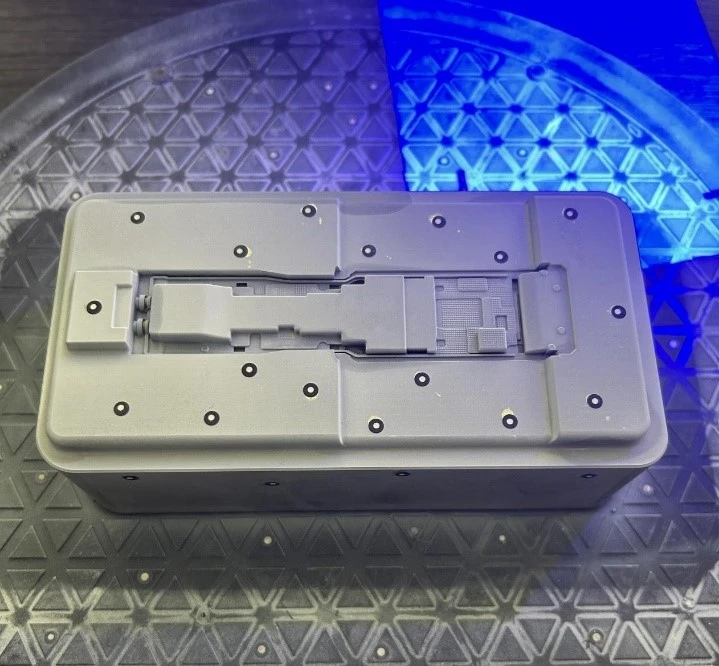
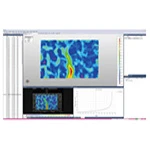
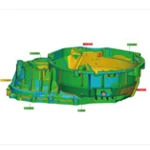
Full-scale visualization: A single scan captures the 3D coordinates of millions—or even tens of millions—of points on the mold to generate a high-density point cloud model. By aligning this with the CAD model, a "what-you-see-is-what-you-get" 3D deviation color map is intuitively displayed, completely eliminating inspection blind spots.
Complete preservation of 3D data enables full traceability.
Upon completion of injection mold inspection, raw 3D scan data and quality inspection reports can be generated. This moves beyond traditional quality control methods—which rely on manual recording and discrete inspections—to achieve controllable processes. Data can be retrieved at any time for future reference, facilitating traceable quality management.
The XTOM industrial-grade blue-light 3D scanner projects a blue structured light pattern onto the mold surface and uses binocular industrial cameras to capture the deformed fringes. It directly generates high-density 3D point cloud data, providing a complete and precise foundation of raw data for subsequent dimensional inspection.
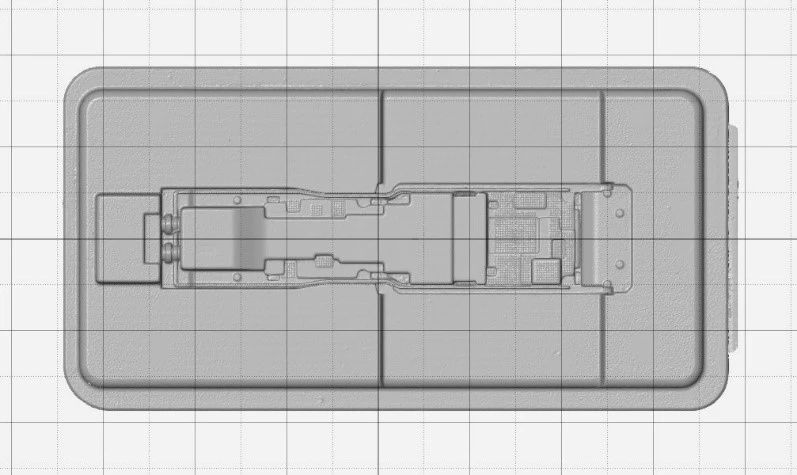
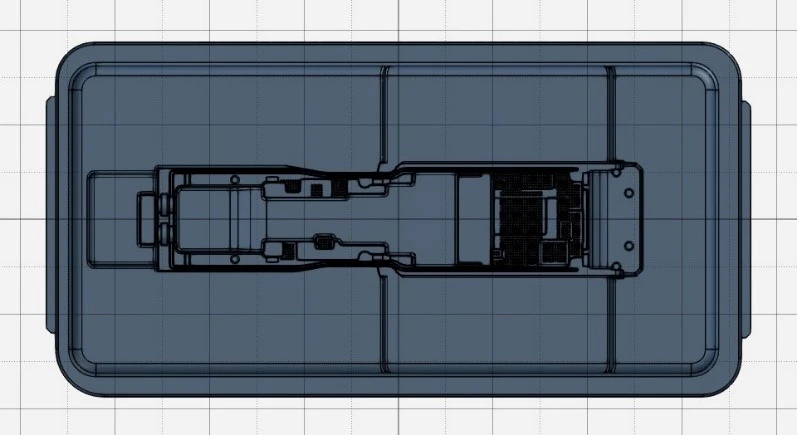
By integrating 3D inspection software to perform a full-dimensional comparison between the 3D model and design drawings, GD&T (Geometric Dimensioning and Tolerancing) reports can be generated. Deviations—such as dimensional inaccuracies, shape errors, gate position offsets, or surface curvature anomalies—are intuitively visualized through color-coded deviation maps. This visual analysis significantly reduces quality inspection and management costs while preventing material waste and time loss during mass production.
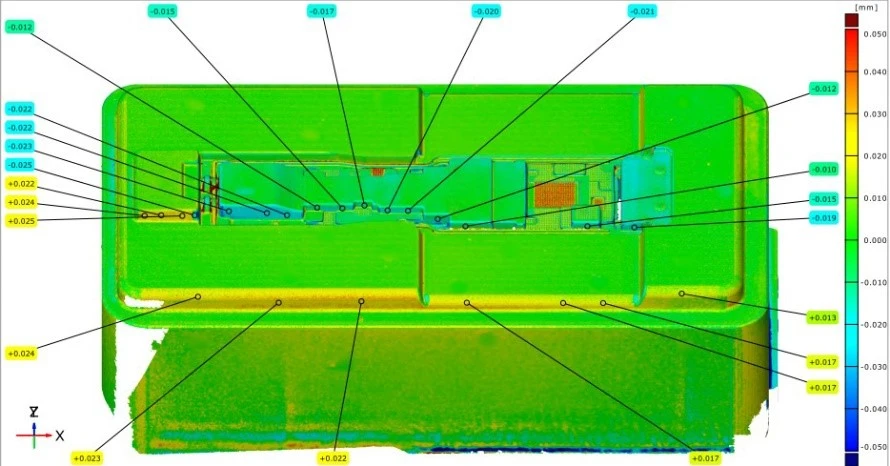
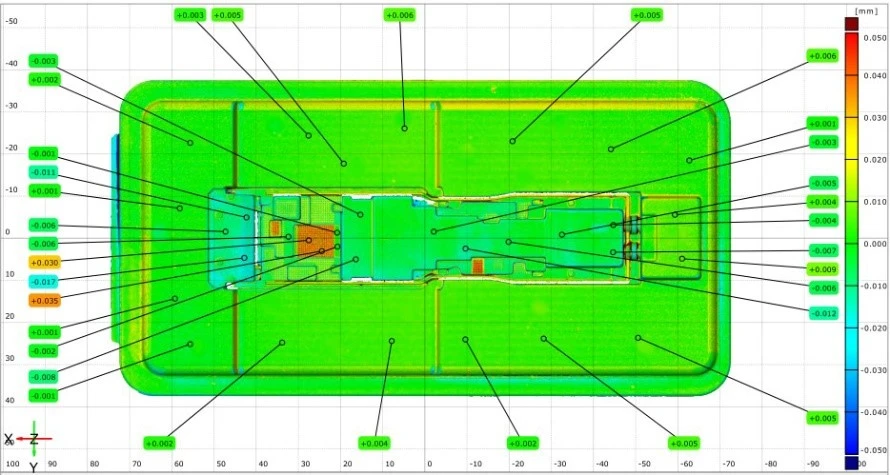
Quality Data Management and Traceability
By managing mold quality data—integrating and linking 3D point clouds (obtained via blue-light 3D scanning), inspection reports, and process parameters—a comprehensive, end-to-end quality traceability report is generated. This covers the entire lifecycle from raw materials and machining to inspection and module yield, thereby meeting both customer audit requirements and internal improvement needs.
The implementation of blue-light 3D scanning technology and a traceability system ensures that all quality data—spanning the journey from raw mold blank to finished, qualified mold, as well as subsequent wear and tear during service—is fully recorded and interconnected.
Establishing a traceable quality management approach enables efficient collaboration across the upstream and downstream supply chain. Should dimensional quality issues arise in the final product, the system allows for rapid, accurate traceability to pinpoint the root cause. Data analysis can then be used to optimize machining processes, playing a crucial role in enhancing the overall efficiency and profitability of mold manufacturing.