The global medical device market is steadily expanding, with products such as artificial joints, dental implants, and surgical guides evolving toward high precision, customization, and complex geometries. Meanwhile, regulatory bodies worldwide have issued standards and guidelines mandating digital and precise quality inspection throughout the device lifecycle; consequently, traditional inspection methods can no longer meet the industry's compliance requirements.
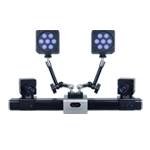
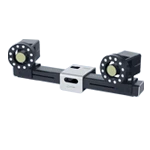
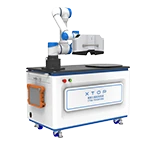
In the medical device sector, the 3D scanning and inspection of small, precision components has long been a challenge, as capturing intricate structures while ensuring data accuracy is essential for downstream production. The XTOP3D XTOM high-precision blue-light 3D scanner effectively overcomes the difficulties associated with scanning complex curved surfaces and micro-pore structures, enabling the rapid and accurate acquisition of 3D data for critical components and providing robust support for product R&D and quality control.
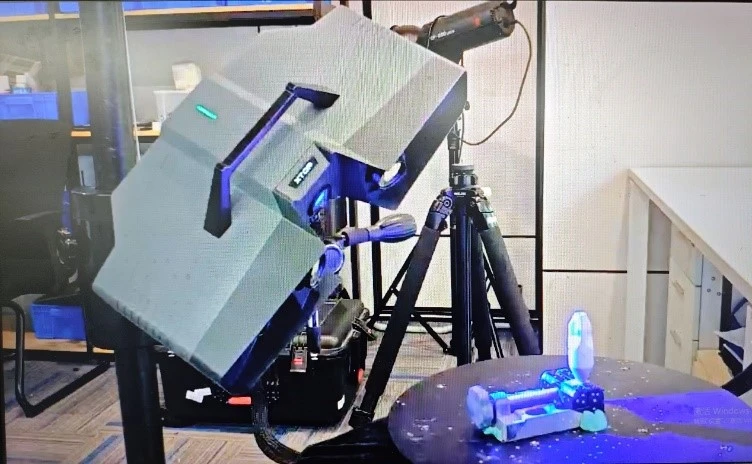
Full-scale 3D scanning of medical devices
Accuracy verification: error ≤0.01mm, industrial metrology-grade accuracy.
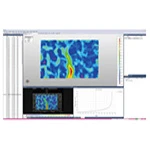
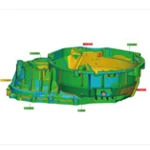
3D scanning and accuracy verification of the medical device core mold were conducted entirely within an actual industrial application environment; XTOP3D metrology engineers validated the accuracy by comparing the scanned mesh model against the reverse-engineered model using color-coded error maps.
The results demonstrate that the accuracy measurements for the medical device core mold showed deviations from the original scan data strictly controlled to within ≤0.01 mm, fully meeting the precision requirements for medical component manufacturing.
Testing Equipment and Tools
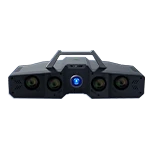
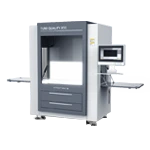
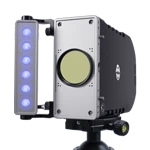
The XTOP3D XTOM-MATRIX-9M four-camera blue-light 3D scanner is employed; it captures fine textural details with high measurement accuracy. Its blue-light fringe technology effectively eliminates interference from ambient light in industrial environments. Compared to laser scanning, it offers superior accuracy and resolution, providing distinct advantages for the 3D measurement of small, precision components.
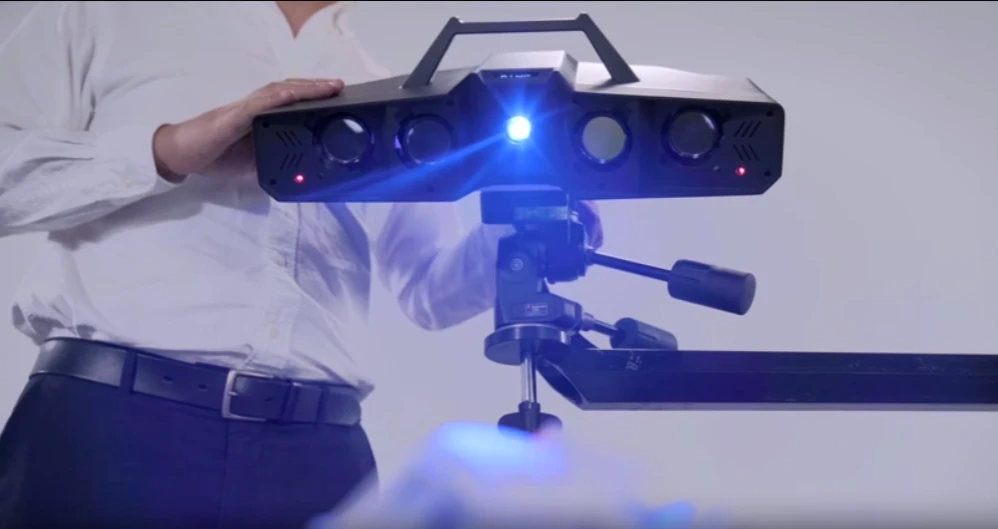
Medical device core mold
External dimensions and geometric tolerances are inspected for medical device cores that are representative of the industry. The inspection standards strictly adhere to general manufacturing specifications within the medical device sector, ensuring that the test results possess broad applicability and practical reference value.
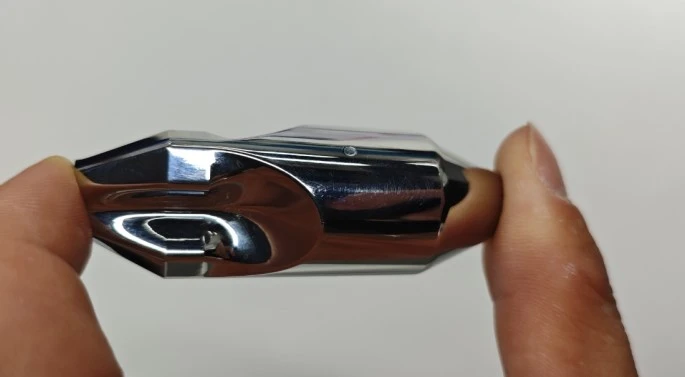
Verification of accuracy and precision
1. Measure the medical device mandrel using high-precision reference measurement equipment (such as a CMM) to obtain its true dimensional data, which serves as the reference standard for accuracy testing.
2. Measure the same medical device mandrel using an XTOM-9M four-camera blue-light 3D scanner and record the measurement data.
3. Compare the obtained measurement data with the reference dimensional data, calculate the deviations for various measurement parameters, and evaluate the component's accuracy by analyzing these deviations.
Result Validation: Metrology-grade accuracy, delivery of production-grade models.
By performing full-dimensional scanning and measurement of the medical device mandrel, comprehensive scan data, surface deviation analysis data, and dimensional inspection comparison data were obtained. The key test results are as follows:
Measurement scan data
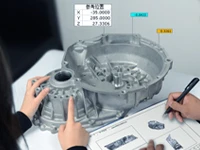
Multiple sets of full-scale scan data for medical device cores were successfully acquired; the data is complete and valid, supporting subsequent multi-dimensional accuracy analysis.
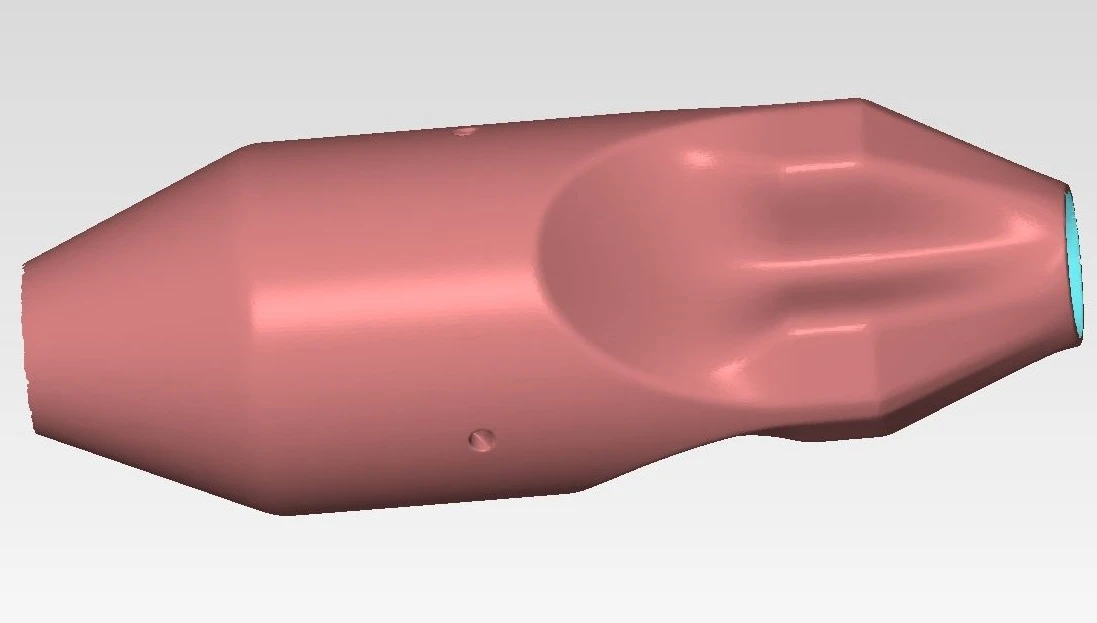
Data from the scanning of medical device cores
Accuracy and precision results
The comparison results of the surface deviation inspection clearly illustrate the distribution of deviations between the scanned data and the reference data; the deviation values fall within an acceptable range, and the accuracy of the blue-light 3D scanning technology in capturing complex surfaces meets expectations.
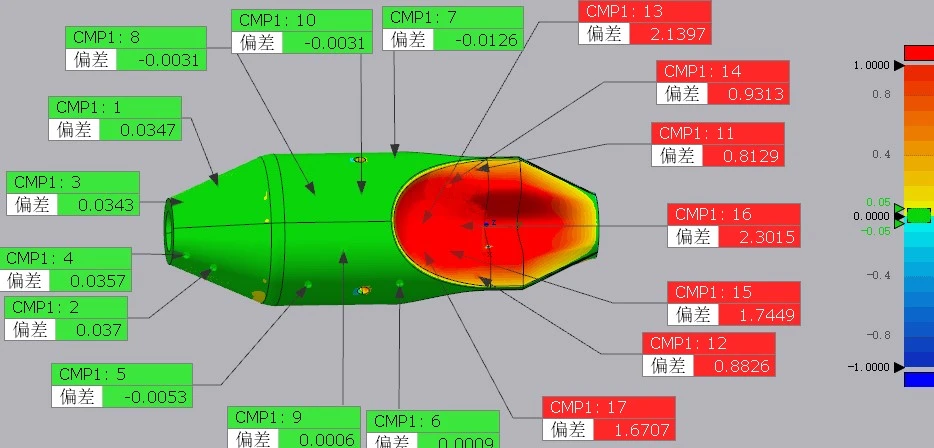
Comparison Results of Surface Deviation Inspection
Dimensional inspection results indicate that the deviations between the measured values and nominal values for key mandrel dimensions—such as concentricity—are minimal, and the measurement accuracy meets industry standards.
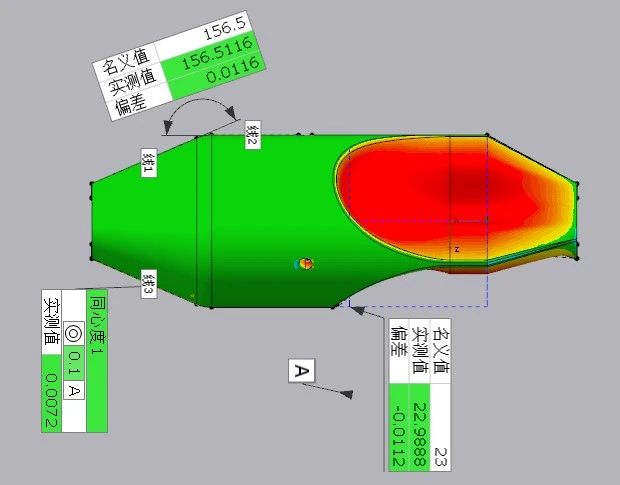
Comparison results of dimensional inspection
Practical testing demonstrates that using the XTOP3D XTOM-9M four-camera blue-light 3D scanner for the 3D inspection of medical devices enables the acquisition of high-quality, full-surface 3D data models—even within the complex environments of industrial workshops—thereby fully meeting the precision requirements for medical component manufacturing.
As a pivotal digital tool, blue-light 3D scanning technology empowers manufacturers to precisely control machining quality and continues to drive advancements across various sectors of precision medicine. From the customization of personalized implants and the production of injection-molded medical components to the digital design of dental restorations and rehabilitation aids, the technology is constantly expanding its capabilities and depth of application, injecting sustained momentum into the high-quality development of the medical device industry.