Achieving independent control over materials is the cornerstone of national strategic security. The "China Materials Conference"—the annual academic gathering of the Chinese Materials Research Society—is a premier event attracting over 10,000 participants. It represents the highest academic standard in China's new materials sector, covering the broadest range of fields and showcasing the latest cutting-edge developments. The conference serves as a vital bridge connecting basic research with industrial application, facilitating breakthroughs in critical "chokepoint" technologies, and enabling early strategic positioning in key frontier areas.
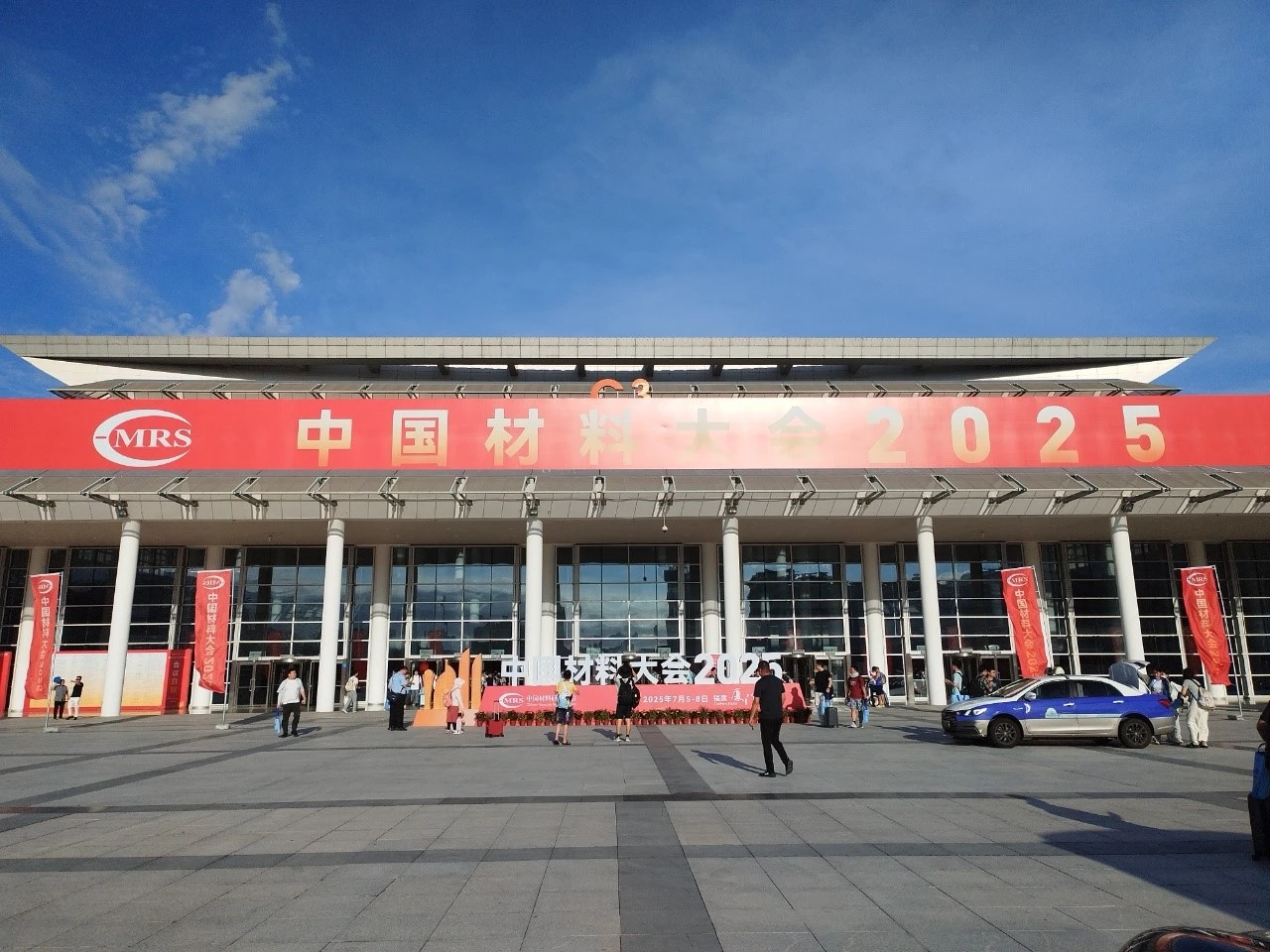
The "China Materials Conference 2025" took place from July 6 to 8 at the Xiamen International Conference & Exhibition Center in Fujian Province. Held concurrently was the "China Materials Conference 2025 & CIAMITE (Exhibition on Scientific Research Instruments and Equipment for New Materials)," which showcased a comprehensive range of solutions—including materials analysis instruments, laboratory equipment, and testing services—across the entire industry chain. Attracting over 20,000 professional attendees from research institutes, universities, key laboratories, and enterprises worldwide, the event is renowned for its massive scale and high level of professionalism, earning the reputation among industry insiders as the "premier exhibition in China's materials research sector."
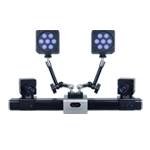
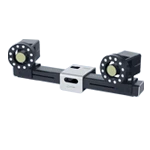
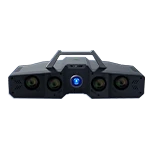
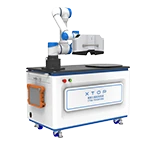
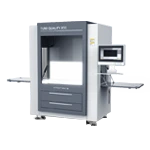
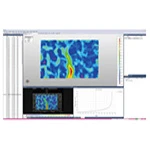
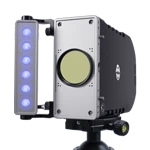
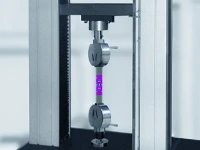
Digital Image Correlation (DIC) measurement technology is widely utilized in materials mechanics experiments due to its advantages, such as high precision, full-field measurement, and non-contact operation. At this exhibition, XTOP3D showcased its XTDIC series 3D full-field strain measurement systems. These systems are suitable for a wide range of materials mechanics experiments—including tensile, compressive, and bending tests—and support measurements for static, quasi-static, and dynamic strain, vibration, and high-speed deformation, as well as testing in special environments like high and low temperatures. They accommodate hardware, software, and external signal triggering, and support connection modules for various testing machines to meet diverse experimental requirements.
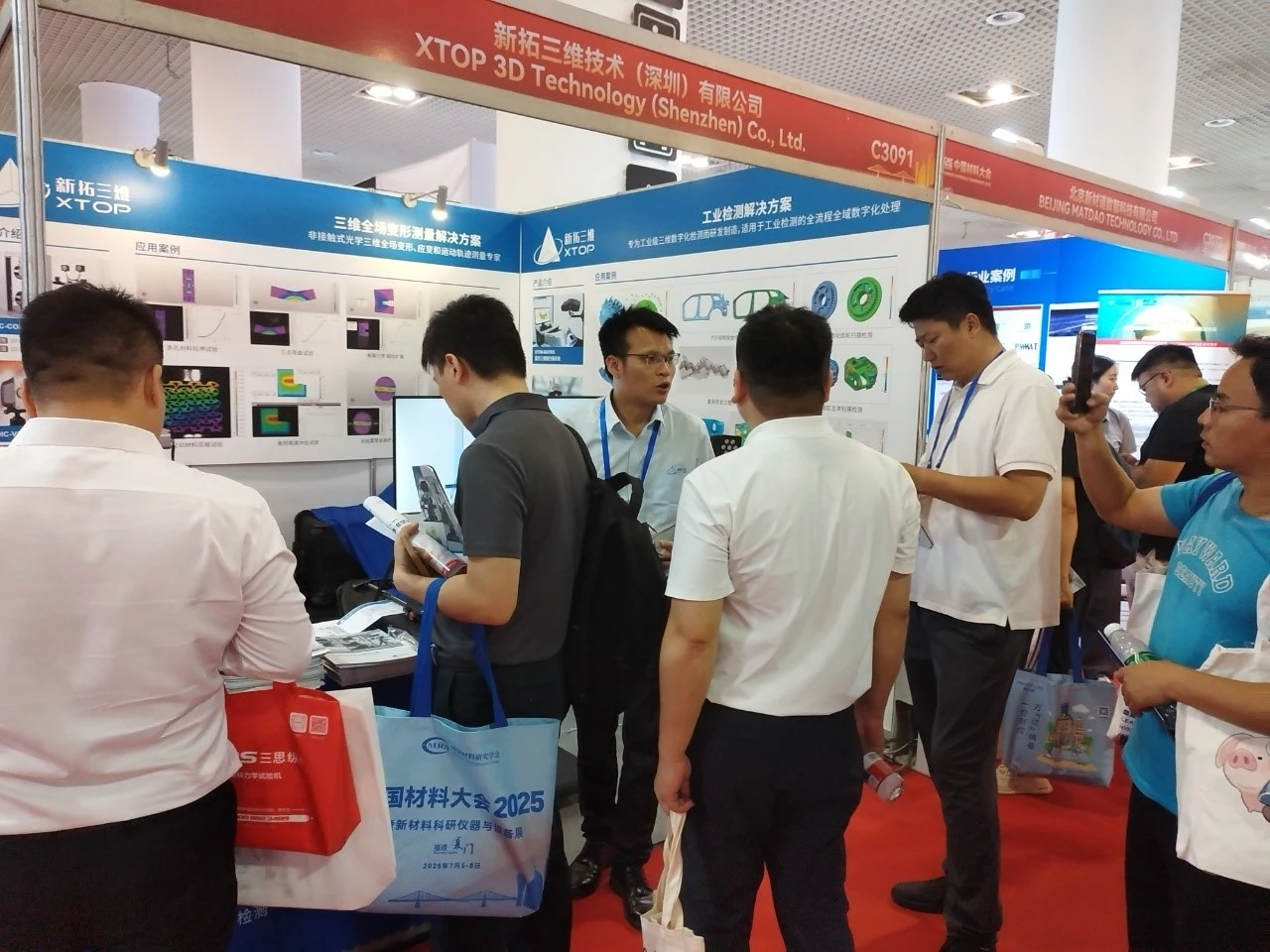
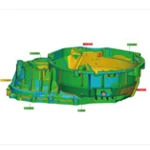
XTOP3D specializes in 3D optical measurement technology and is dedicated to the R&D of image algorithm software. Committed to the independent development of software, hardware, and algorithms, the company holds full proprietary intellectual property rights. The XTDIC series of 3D strain measurement and analysis systems utilizes binocular cameras and Digital Image Correlation (DIC) technology to enable rapid, simple, and efficient measurement of 3D object topography and strain. Overcoming the limitations of traditional measurement methods, the system supports capabilities such as high-speed measurement, vibration analysis, fatigue crack analysis, and stereoscopic microscopic measurement.
The following are some examples of DIC technology applications in the field of material mechanical property research:
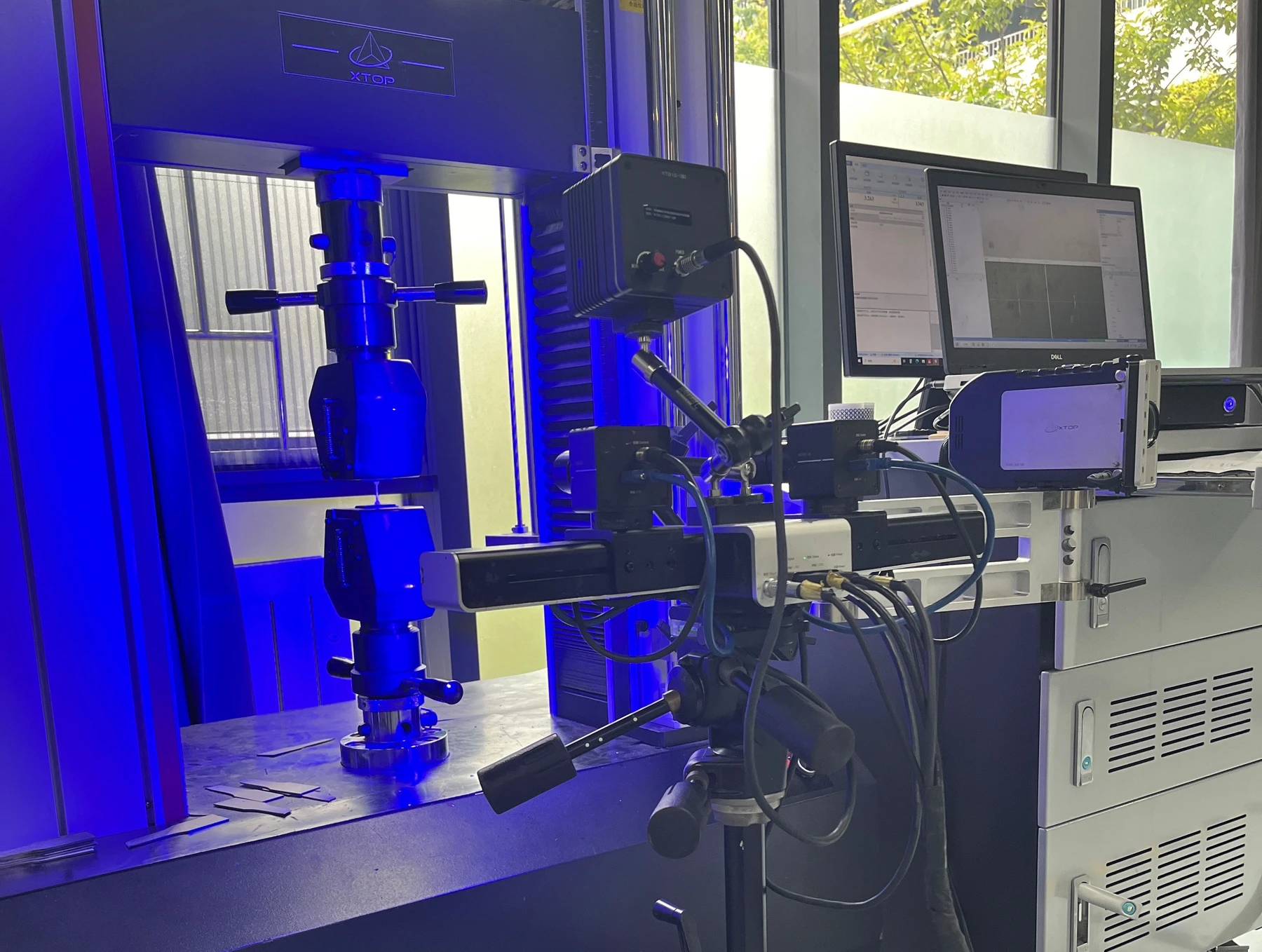
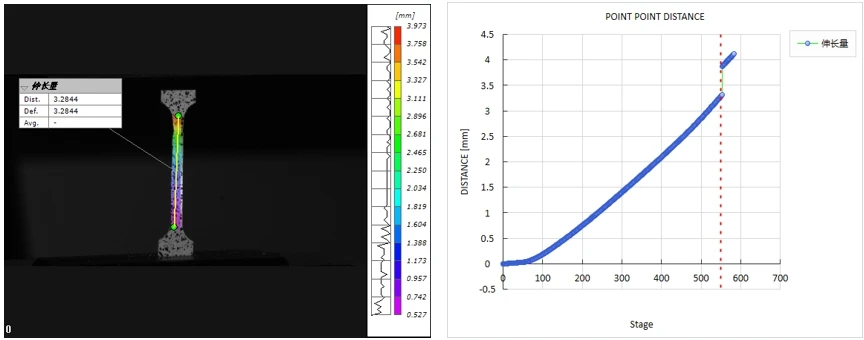
Case 1: Tensile Testing of Nickel-Based Superalloys
Nickel-based alloys are the most widely used and highest-strength superalloys, suitable for operation in the harsh environments—such as high temperatures, complex stresses, and oxidation—encountered in aircraft engines and gas turbines. Tensile test data can be utilized for material specifications, research and development, quality assurance, and structural design and analysis.
In the tensile testing of nickel-based materials, DIC technology can yield the following data:
-
Full-field strain distribution
-
Stress-strain curve
-
Young's modulus
-
Poisson's ratio
-
Material deformation behavior, etc.
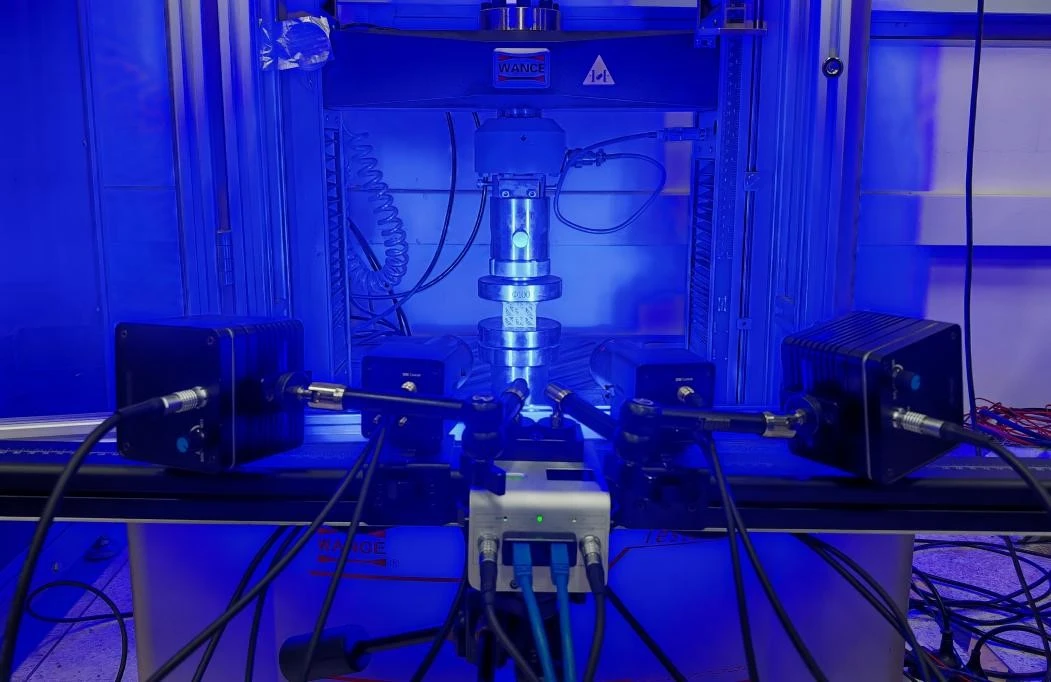
Case 2: Compression Testing of 3D Printed Resin Materials
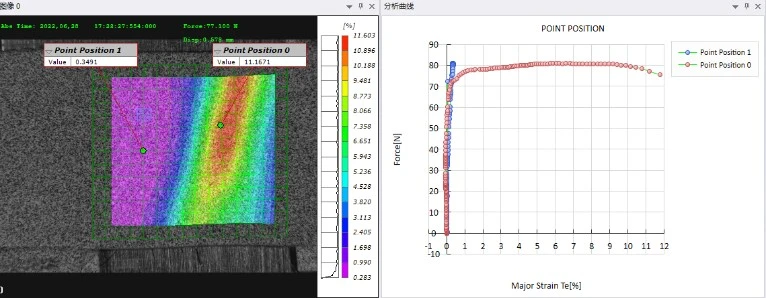
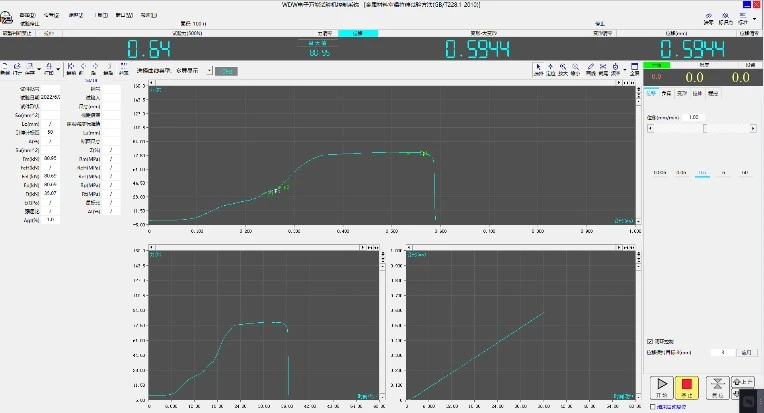
Resin-based 3D printing is acclaimed for its ability to produce components with intricate details and smooth surfaces. DIC technology enables the analysis of mechanical properties—such as compressive strength, flexural strength, and interlaminar splitting strength—of structural components made from resin materials; accurate full-field strain measurement plays a vital role in evaluating material and structural designs.
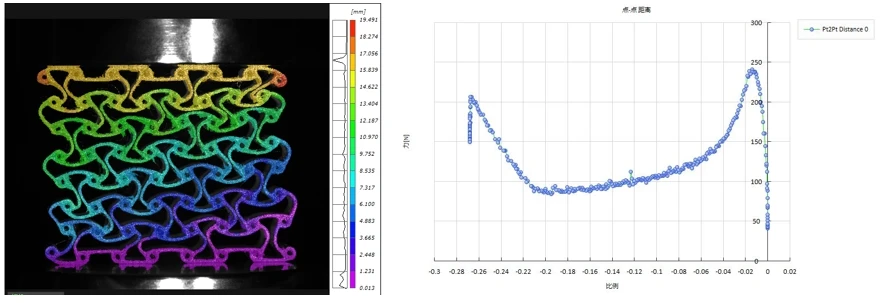
Force-strain curve
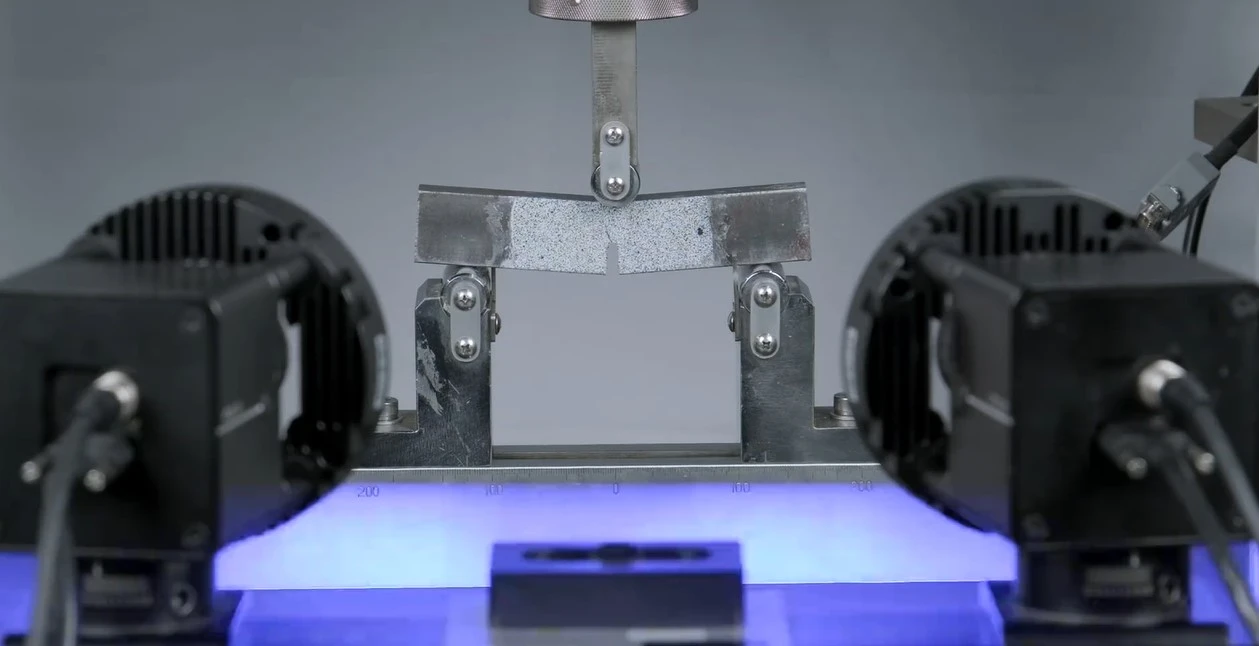
Case 3: Crack Tip Propagation Analysis in Metallic Materials
Crack Tip Opening Displacement (CTOD), serving as a criterion for evaluating material fracture toughness, is widely applied in the fields of materials science and structural engineering.
Digital Image Correlation (DIC) technology enables the determination of CTOD. The crack path is identified based on displacement discontinuities or regions of strain concentration; the displacement difference between the two crack flanks is then extracted along the direction normal to the path, and the average value calculated at a specific distance behind the crack tip (e.g., 1 mm) is taken as the CTOD value.
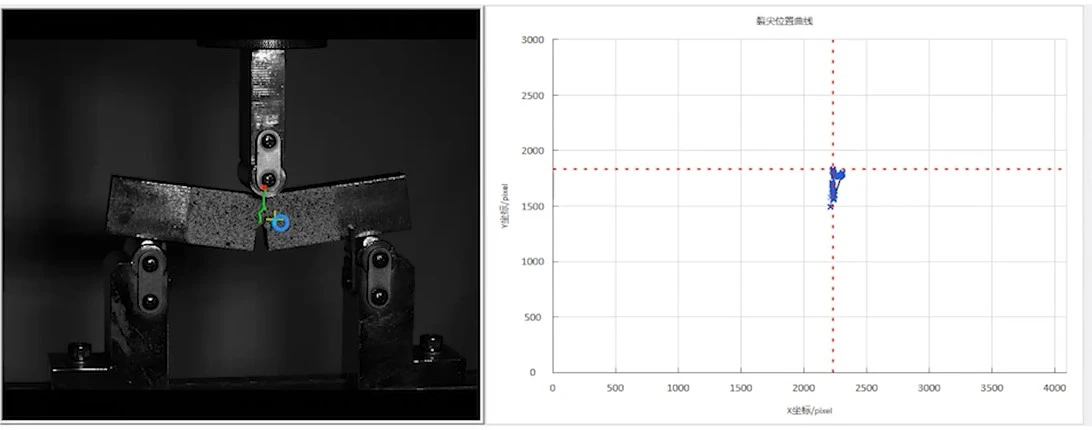
Crack tip position analysis
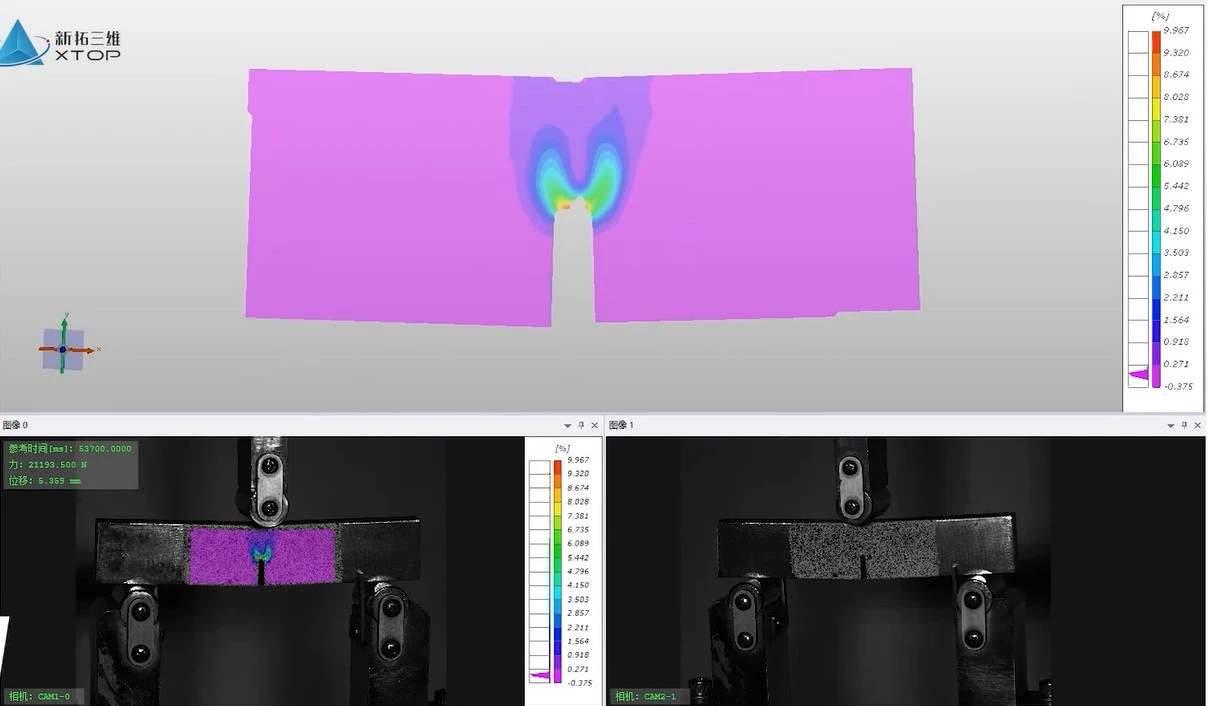
Maximum principal strain at the crack
Case 4: Coupled Thermal and Strain Field Analysis
As temperature rises, polymer materials undergo a glass transition and become brittle, making them prone to failure. Therefore, simultaneously monitoring temperature changes and deformation during the material's deformation process holds significant value for both scientific research and engineering applications.
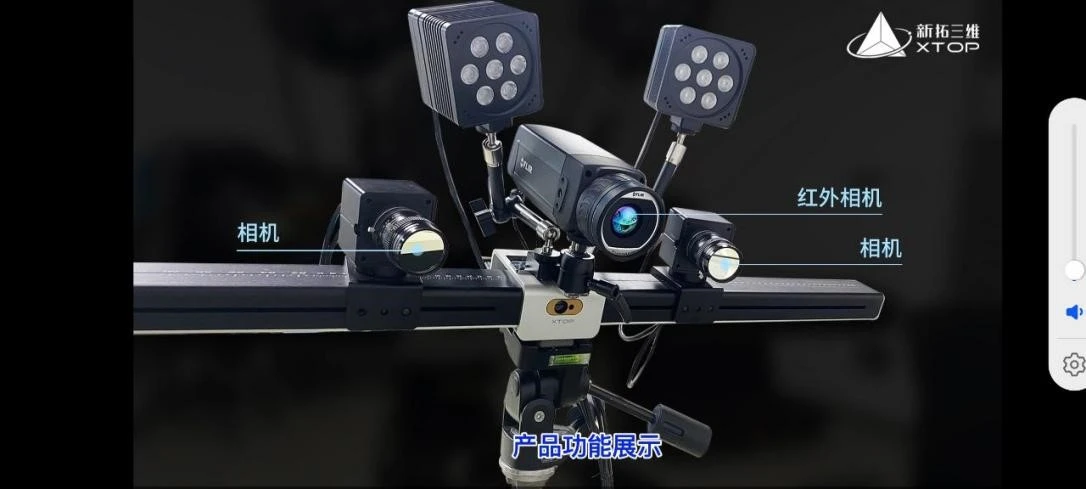
By combining Digital Image Correlation (DIC) technology with an infrared camera and establishing parameter relationships through stereo calibration—thereby enabling a one-to-one correspondence of coordinates—it is possible to perform synchronous analysis of full-field strain data (mechanical properties) and full-field temperature data (thermal properties).
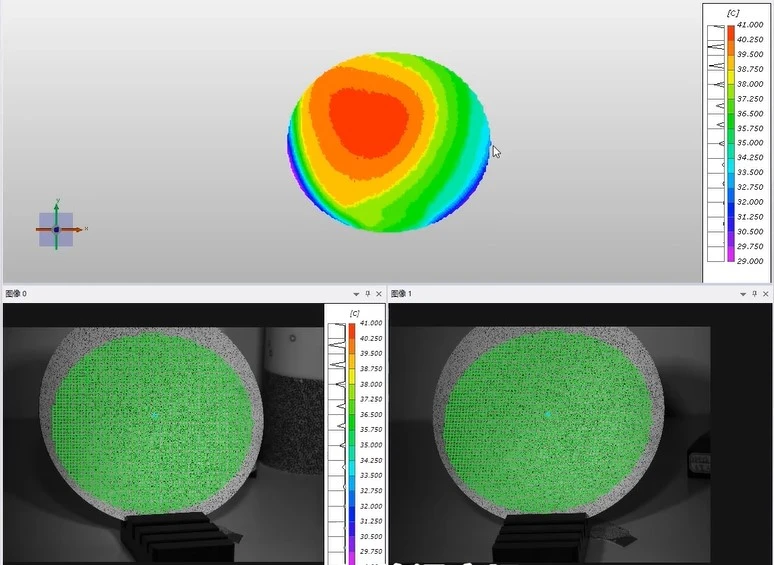
Coupled measurement of temperature and strain fields in alloy sheets
Case 5: Hopkinson Bar Impact Testing (High-Speed DIC)
Common methods for investigating the dynamic impact properties of materials include drop-weight impact testing, Taylor impact testing, and the Split Hopkinson Pressure Bar (SHPB) test. Utilizing SHPB technology to study material dynamic properties—in conjunction with the XTOP3D XTDIC-SPARK 3D high-speed measurement system—enables the capture of transient impact deformation images and the analysis of stress-strain and strain rate-time curves across various strain rates.
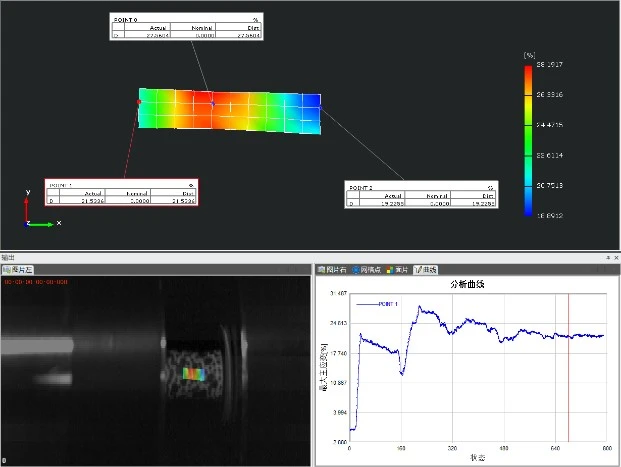
Strain field distribution
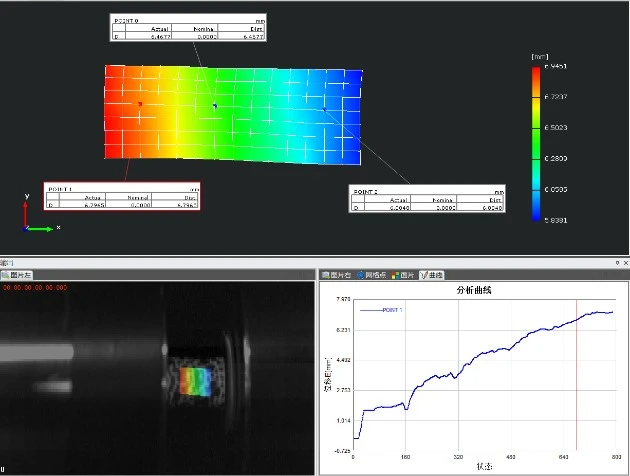
Displacement field distribution
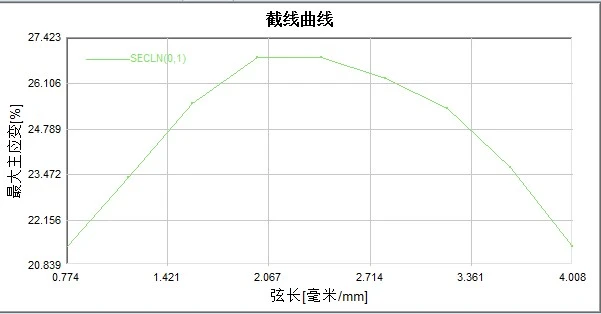
Strain distribution along the axial cross-section
Case 6: Tensile Testing of Micro-Sized Thin Film Materials
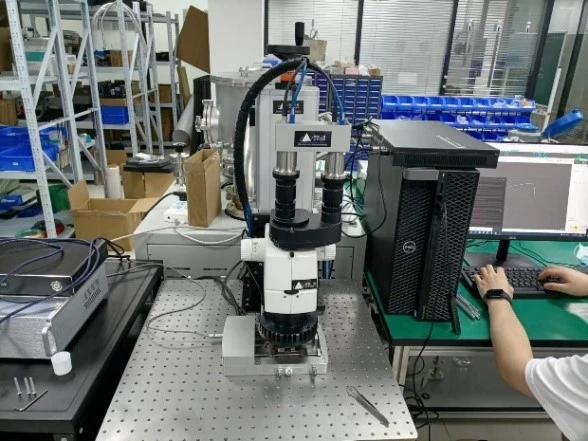
Micro-scale specimens—specifically those with a gauge length of 10 mm or even 1 mm or less. The XTDIC-MICRO 3D microscopic strain measurement system, when paired with specialized micro-specimen grips and loading fixtures, enables the testing of mechanical properties—such as yield strength, tensile strength, and elongation—and allows for the measurement of displacement and strain fields in micro-scale materials during loading.
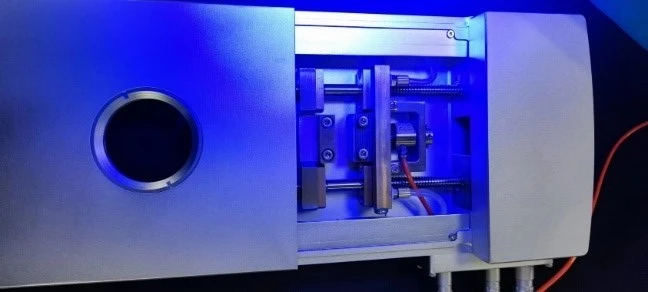
Three-point bending: Combined displacement data in the X, Y, and Z directions.
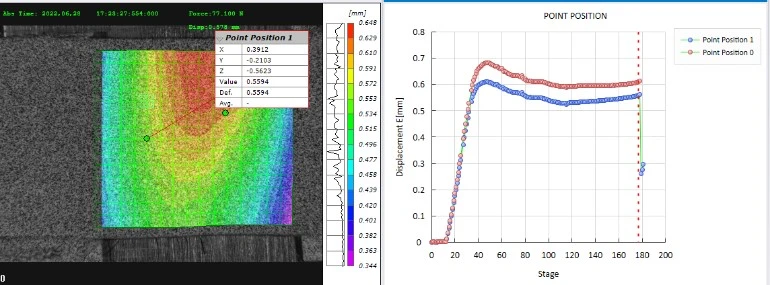
Layered splitting: Stress-strain curves for points 0 and 1