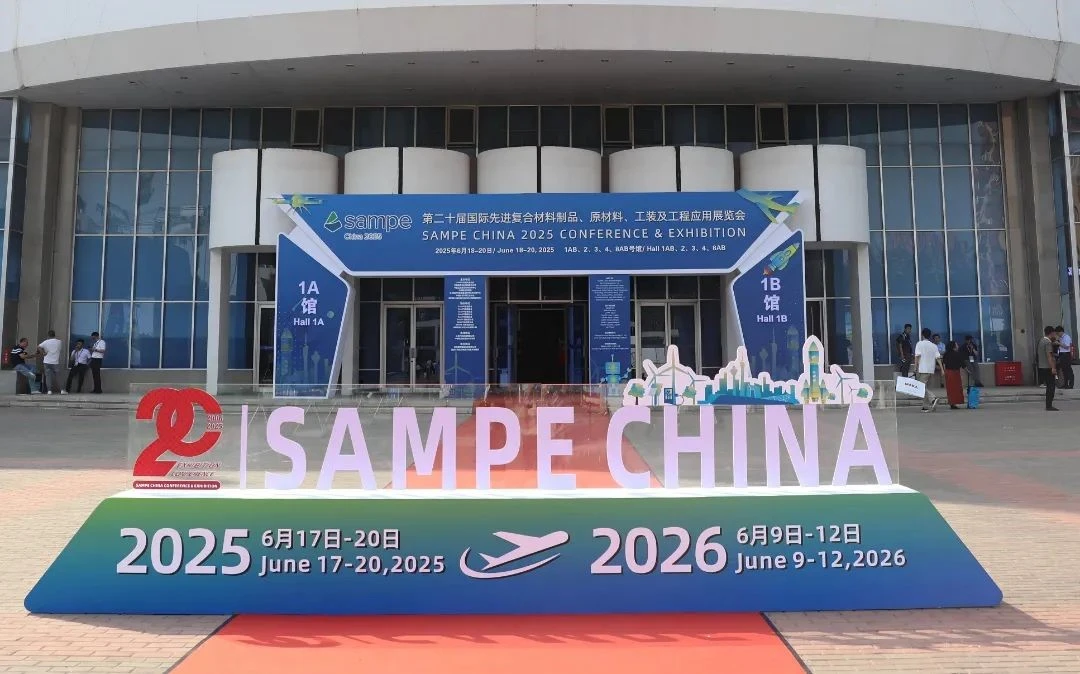
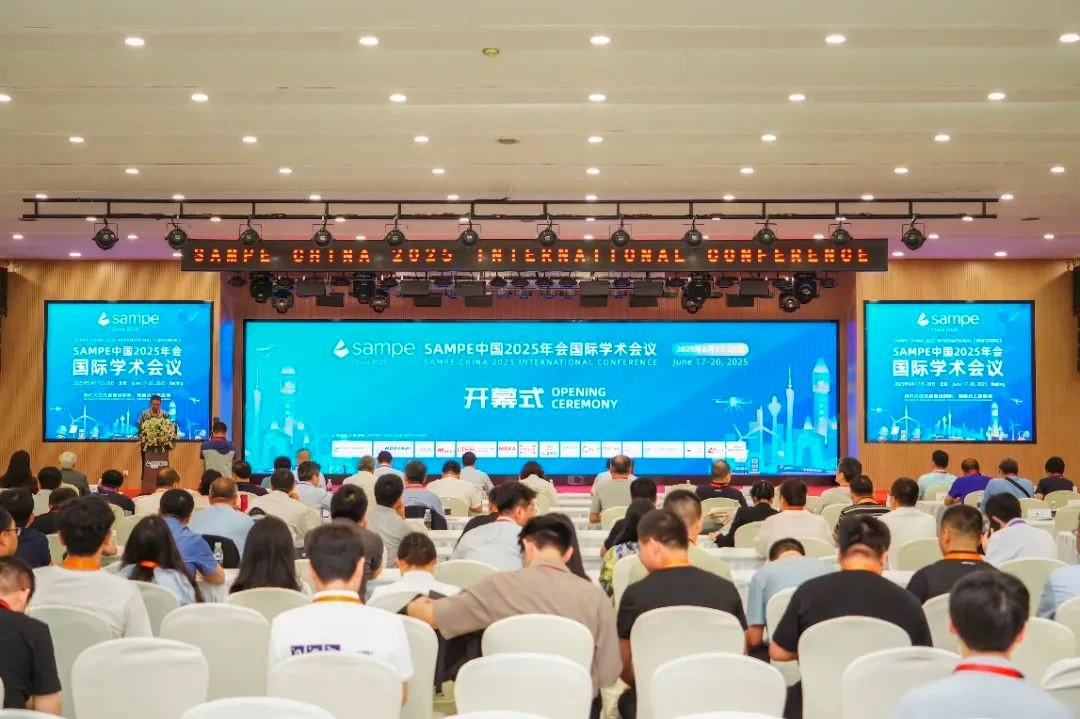
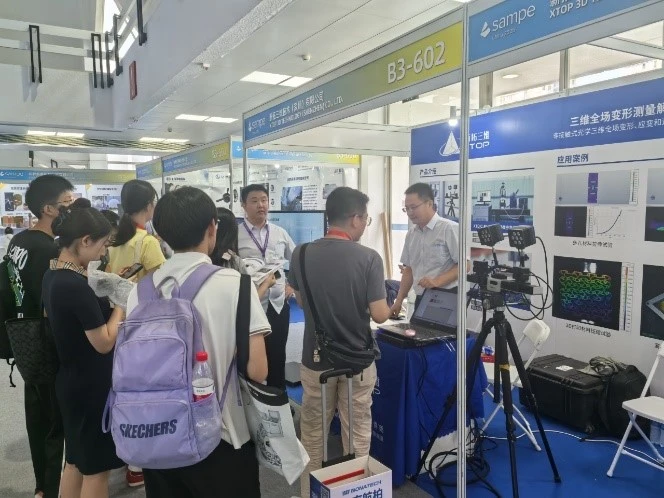
On June 18, 2025, the SAMPE China 2025 Annual Conference and the 20th International Exhibition on Advanced Composite Products, Raw Materials, Tooling, and Engineering Applications officially opened at the China International Exhibition Center (Chaoyang Hall) in Beijing. The exhibition focuses on the entire industry chain—encompassing digital technologies for advanced composites, design and simulation, high-performance reinforcement materials, matrix materials, core materials, auxiliary materials, tooling, processing equipment, advanced composite structures, testing, analysis, maintenance, and recycling—as well as their engineering applications.
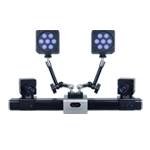
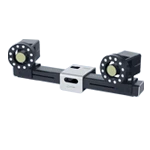
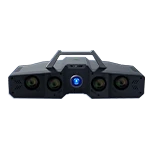
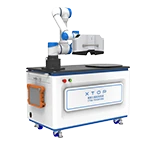
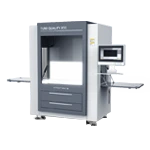
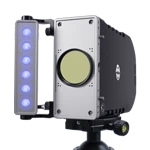
XTOP3D made its debut with the XTDIC series of 3D full-field strain measurement systems, showcasing the company's latest achievements in the field of mechanical property testing for composite materials. As a pioneer of domestically developed DIC technology, XTOP3D offers a proprietary series of DIC product solutions that provide efficient measurement workflows and robust data analysis capabilities for the static and dynamic testing of materials and components. These systems utilize the Digital Image Correlation (DIC) method to calculate surface strain while simultaneously tracking the spatial displacement and rotation of target points in real time.

Application of DIC in Mechanical Testing of Composite Materials
The XTOP3D XTDIC 3D full-field strain measurement system offers unique advantages in the mechanical testing of composite materials, as it is capable of directly measuring full-field strain on surfaces of any geometry—including complex planar and curved shapes.
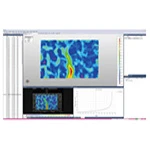
DIC technology enables full-field measurement, allowing for the clear visualization of strain gradients, peak strain regions, and non-uniform deformation. It precisely locates the initiation sites and tracks the evolutionary processes of localized damage in composites—such as interlaminar shear fracture, fiber breakage, and delamination. Furthermore, it facilitates the analysis of deformation compatibility between fiber bundles and the matrix, as well as the investigation of deformation modes specific to textile composites, such as wrinkling and shear dilation.
Additionally, by resolving true 3D displacements and strains, the XTDIC system provides comprehensive strain fields for complex composite structures and entire curved surfaces (or their visible sections), thereby enabling the capture of dynamic deformations and transient behaviors occurring throughout the loading process.
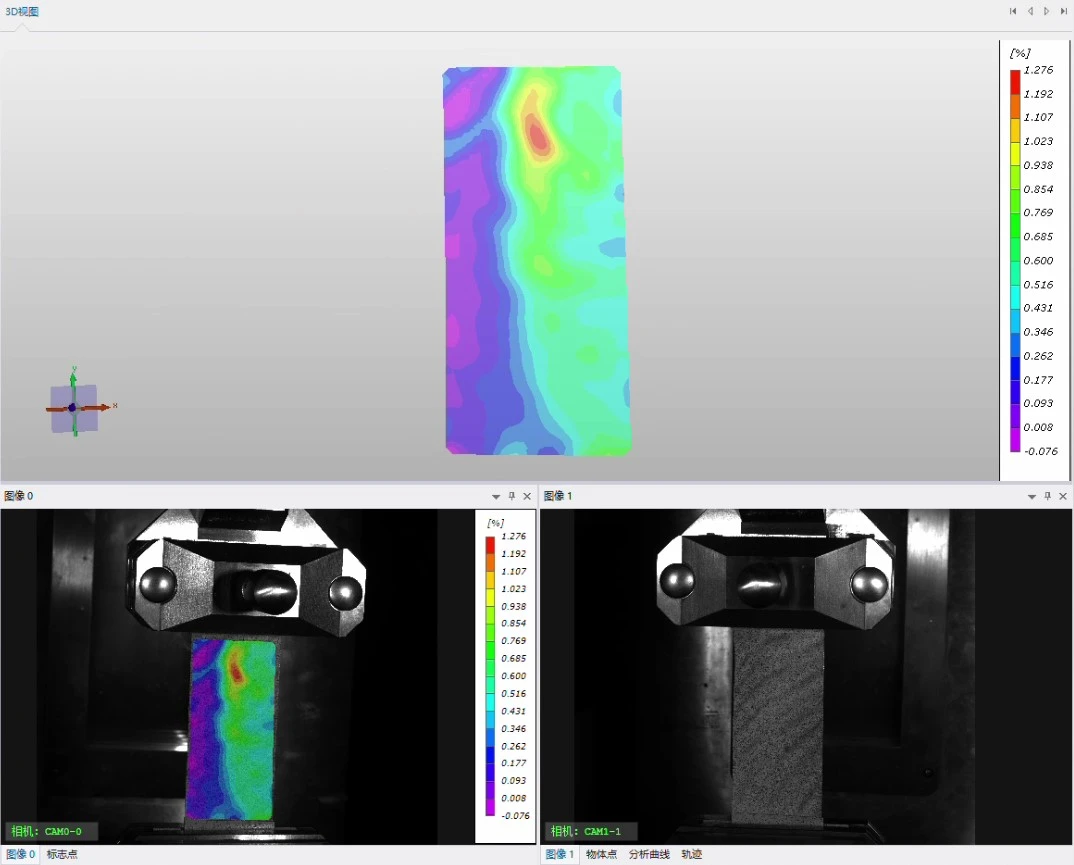
Mechanical Property Testing of Woven Composite Materials
The XTDIC 3D full-field strain measurement system enables the intuitive and comprehensive visualization of strain concentration zones, strain gradient variations, and strain disparities between different ply orientations or material regions; this capability is crucial for assessing the structural integrity, failure risks, and design optimization of woven composite structures.
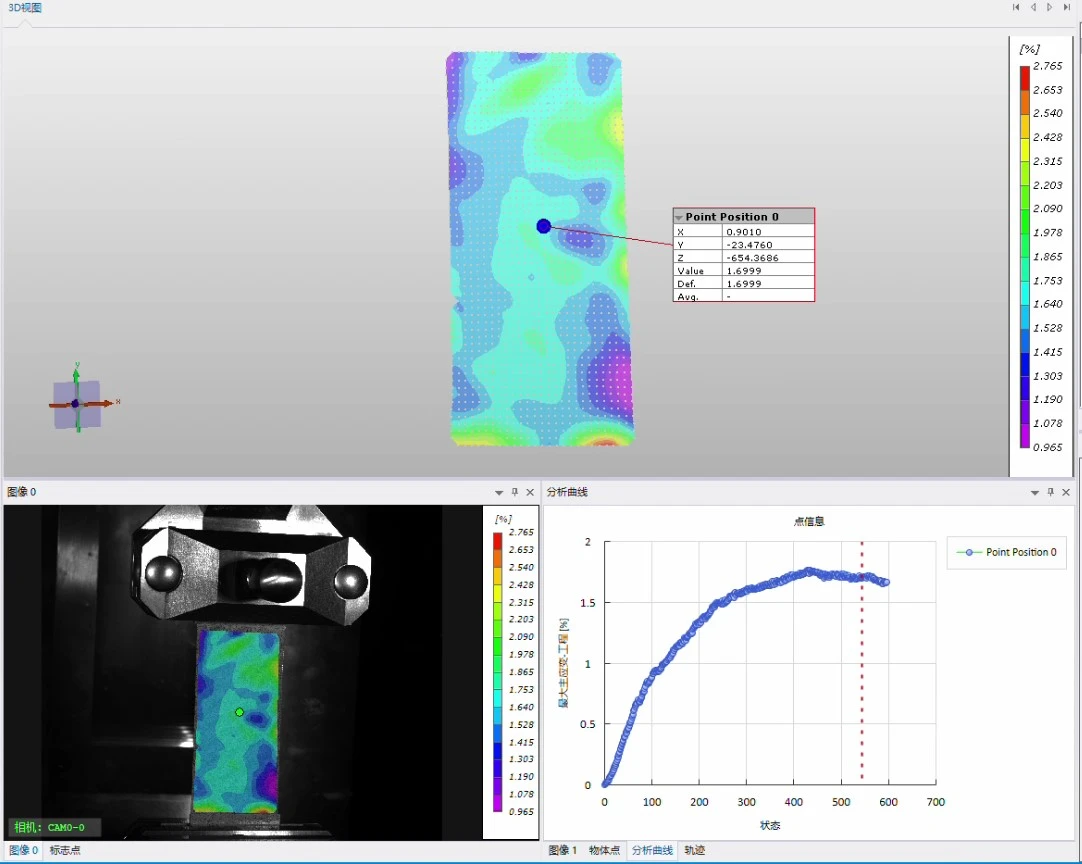
Mechanical Property Testing of Complex-Structure Composite Materials
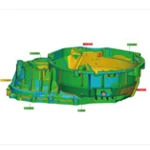
DIC (Diverterless Compressive Stress) technology can directly measure full-field strain on any shape (including complex planes and curved surfaces), obtaining highly detailed strain distribution maps and analyzing linear strain at different diagonals, as well as displacement changes between key points at weak locations in composite structures. By revealing the variation of strain along the curvature direction, this is crucial for understanding the deformation of irregular composite material specimens.
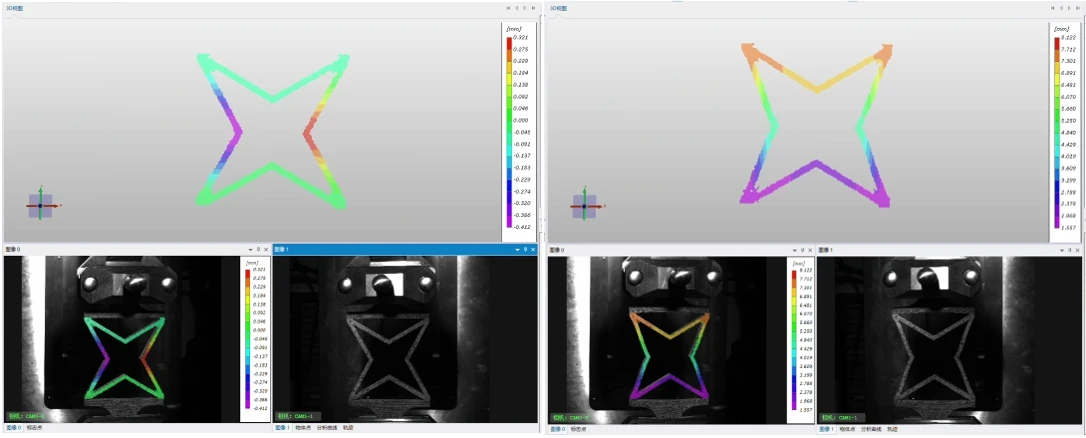
X- and Y-Direction Displacement Contour Maps
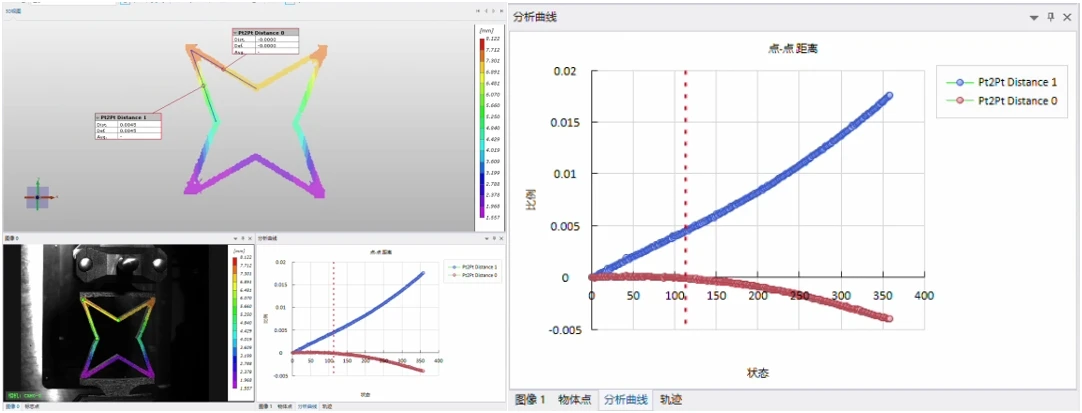
Tensile Linear Strain and Point-to-Point Displacement Analysis Curves at Different Diagonal Locations
High Strain Rate Loading Testing of Composite Materials
The degradation of plasticity or ductility in composite materials under high strain-rate loading has increasingly become a focal point of scientific research. By utilizing the XTDIC-SPARK 3D high-speed measurement system to control high-speed cameras for image acquisition, researchers can analyze the transient displacement and strain fields of materials during high-speed tensile processes, thereby clearly revealing the transient deformation and brittle fracture mechanisms of composite materials subjected to high-speed tensile impact loads.
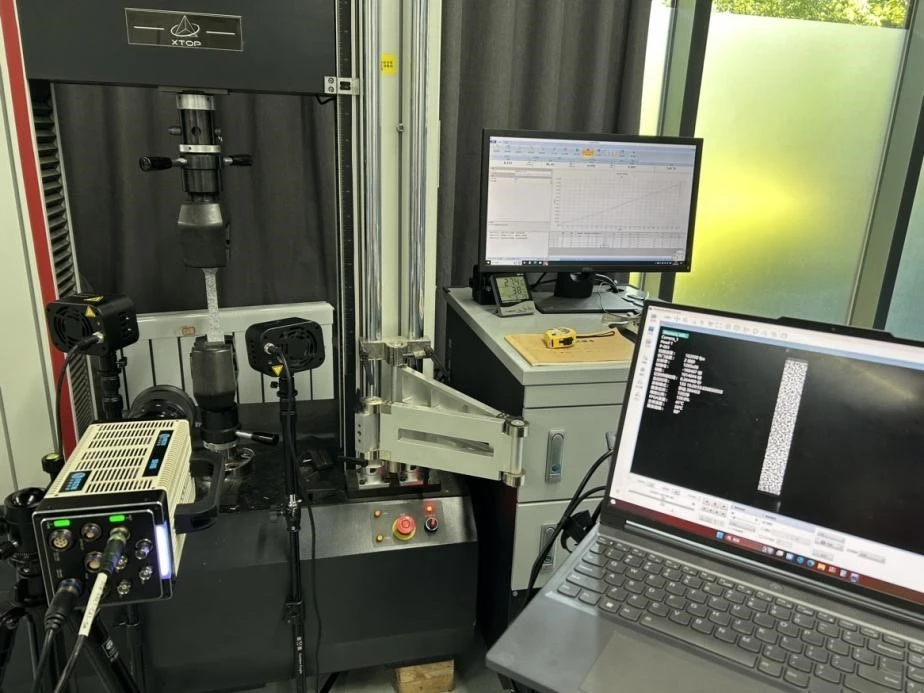
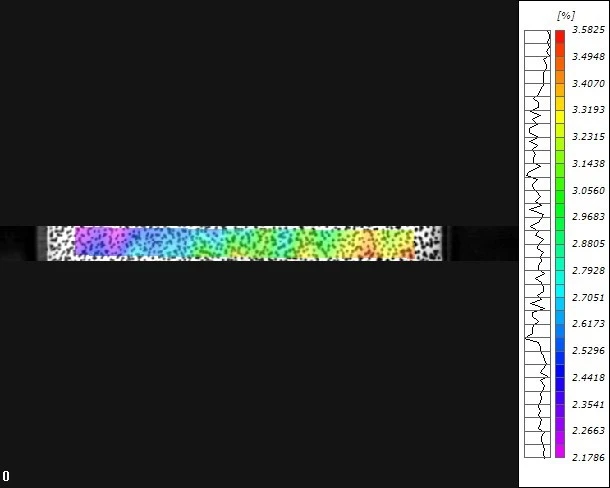
High-Temperature Tensile Testing of Composite Materials
The DIC 3D full-field strain measurement system enables the mechanical characterization of composite materials in high-temperature environments reaching 2000°C by effectively resolving issues related to speckle pattern degradation and red-light interference. By analyzing the tensile stress-strain response characteristics of composite materials under high-temperature conditions, the system reveals the process of damage evolution and identifies the primary failure modes exhibited by these materials in such environments.
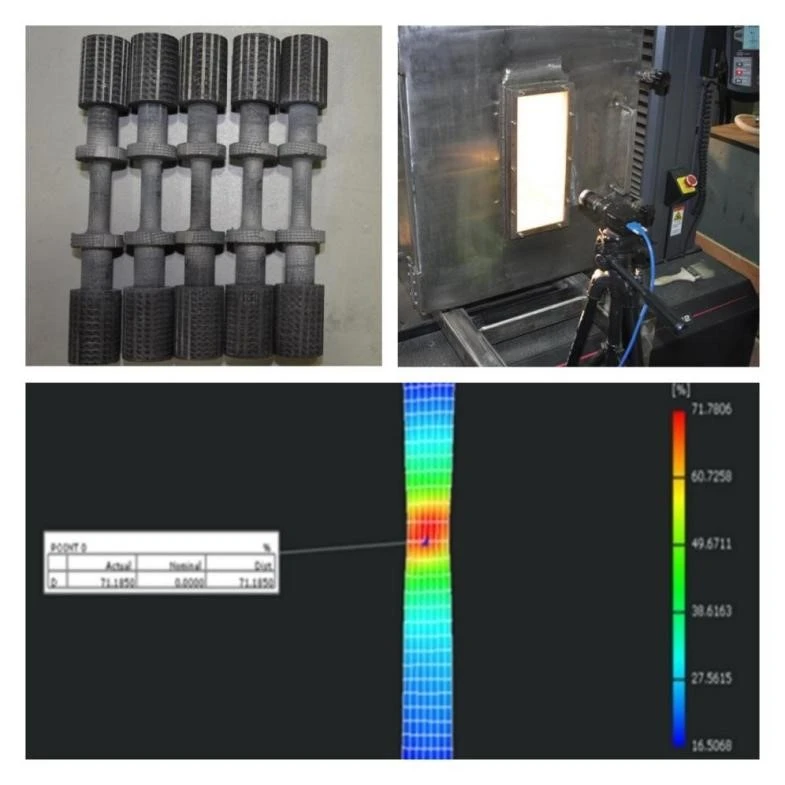
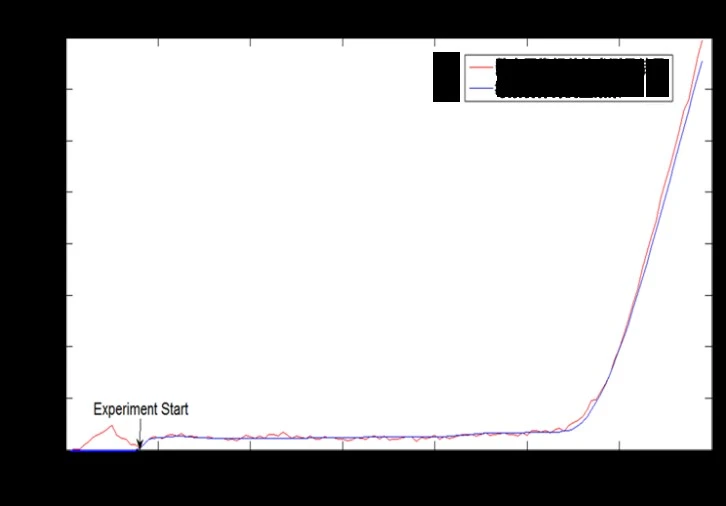
High-Temperature Tensile Testing of Carbon-Carbon Composites at 600°C
The XTOP3D XTDIC 3D Full-Field Strain Measurement System offers a powerful, flexible, and high-precision measurement solution for characterizing the mechanical properties of complex composite structures, multi-medium environments, and materials under varying strain rates. By overcoming the numerous limitations of traditional methods when dealing with complex mechanical behaviors and challenging testing environments, it enables a more accurate and comprehensive revelation of the true deformation behavior of composite materials under actual loading conditions—thereby providing indispensable value for material design, structural optimization, and failure analysis.