In the field of electrical component manufacturing, precise dimensional inspection is essential for ensuring product quality and performance. Due to the complex contours of injection-molded router housings, full-dimensional 3D inspection is required to verify compliance with customer drawing specifications.
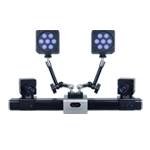
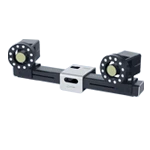
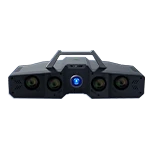
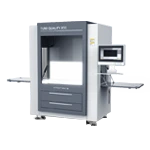
As a key digital inspection tool, the XTOP3D XTOM 3D scanner efficiently ensures the conformity and consistency of production dimensions and shapes, thereby facilitating the implementation of standardization.
Customer Needs and Pain Points
Router housing injection-molded parts come in a wide variety of shapes and sizes, making comprehensive and accurate inspection a challenging task. Rapidly changing market demands necessitate shorter product development cycles and lower costs.
A leading network equipment manufacturer faced the following challenges in the production of router housing injection-molded parts:
Excessive hole position deviation: Difficulties in maintaining tolerances for antenna interfaces led to assembly interference.
Undetected surface deformation: Traditional measurement methods were time-consuming and failed to detect subtle surface depressions; dimensional deviations compromised heat dissipation efficiency.
Inspection efficiency bottlenecks: Manual inspection took 25 minutes per unit, creating a high risk of delays in batch shipments.
Blue-Light 3D Scanning Inspection Solution
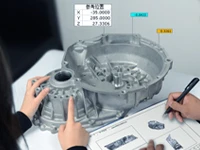
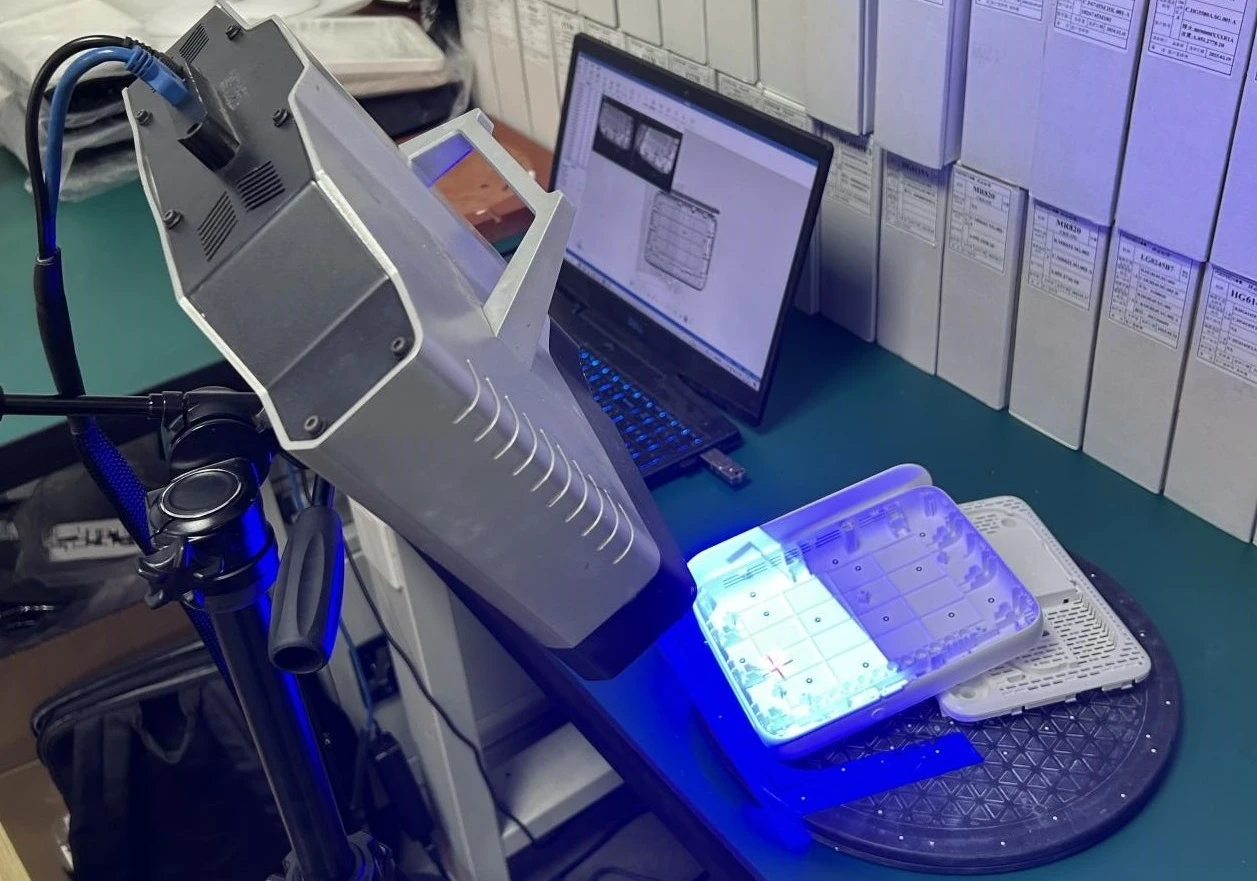
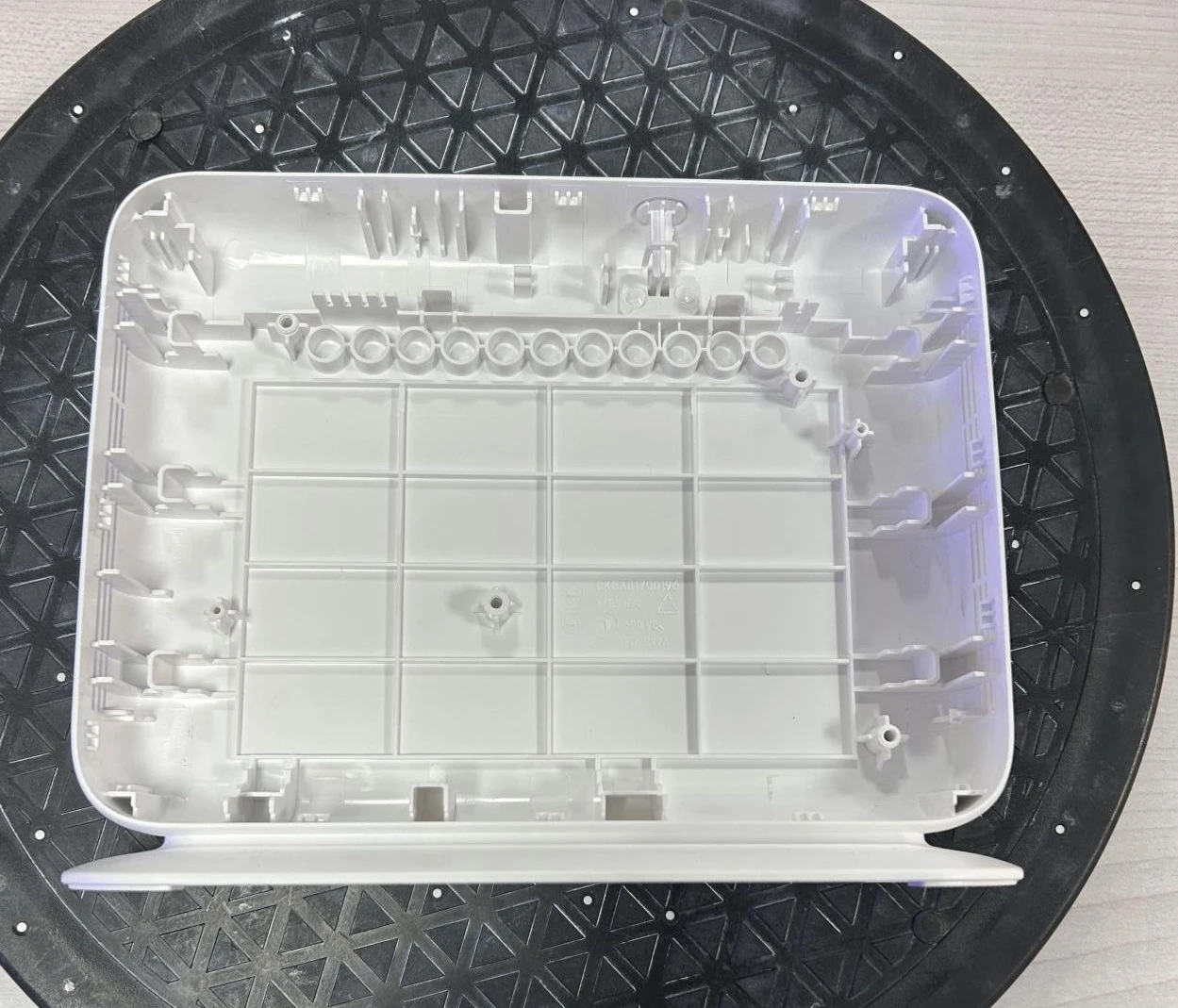
Router housing injection-molded parts are characterized by irregular shapes, numerous holes, and complex surface textures, contours, and curved areas. By utilizing the XTOP3D XTOM blue-light 3D scanner and employing non-contact measurement methods, complete 3D data of the injection-molded part can be rapidly acquired. The resulting data captures fine details with high precision, providing a robust basis for optimizing the production process and ensuring quality control.
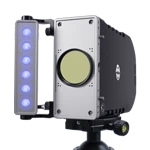
The XTOP3D XTOM blue-light 3D scanner offers high precision—up to 0.006 mm—and stable repeatability, ensuring accurate measurement results. It enables rapid, full-dimensional 3D inspection and generates digital reports that visualize the specific locations and magnitudes of deformation in injection-molded parts, supporting applications across the entire workflow, from product design verification to production quality control.
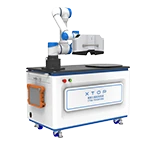
Before mass production, spot checks are required to ensure consistent and stable production quality. With its high precision, stable repeatability, and portability, the XTOM blue-light 3D scanner allows for direct 3D scanning and inspection on the production line, delivering a fast and efficient measurement process.
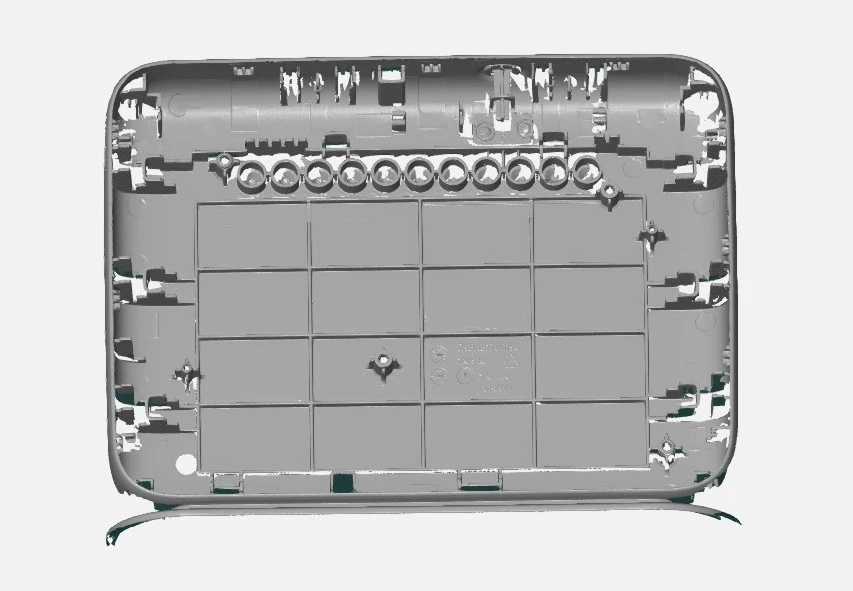
Triangular data model of the router housing
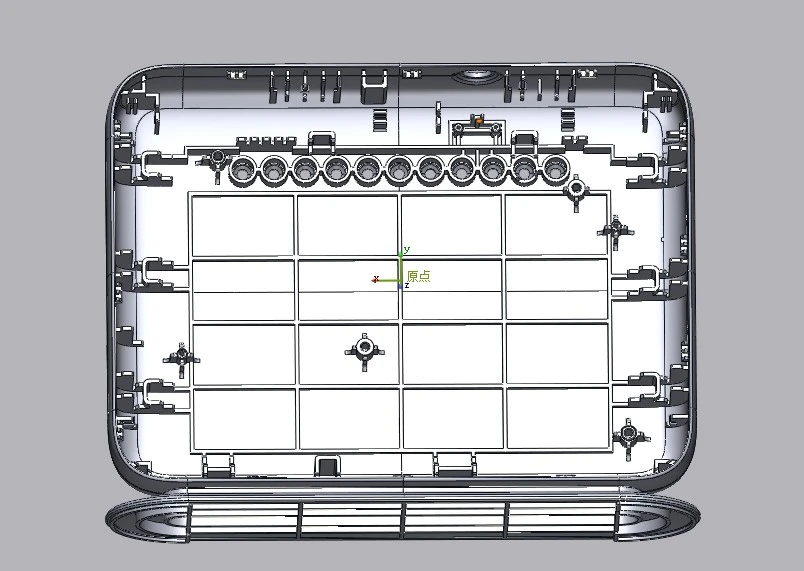
Raw CAD data model
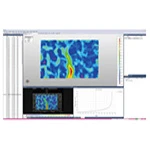
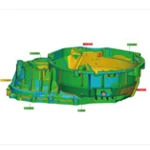
In the X-INSPECT 3D inspection software, the 3D scanned model is compared against the original CAD model to generate a detailed color-coded deviation map; this intuitively displays key information such as dimensional deviations, hole diameters and positional accuracy, and form errors of the injection-molded router housing.
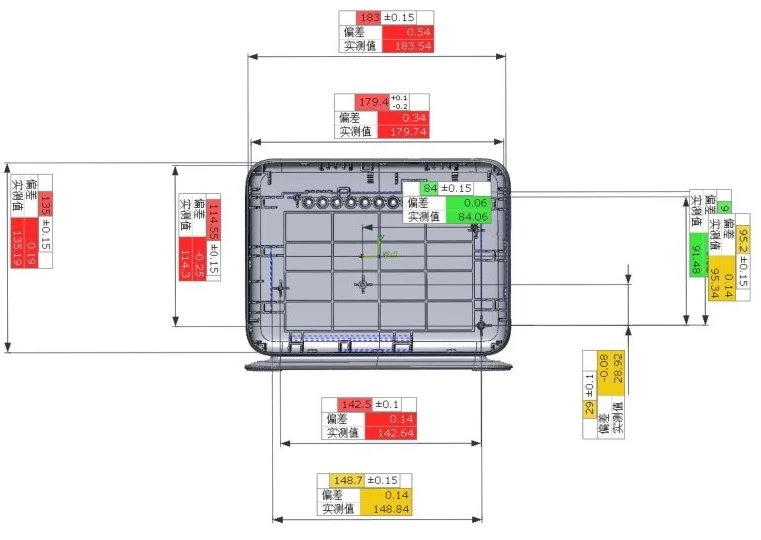
Through comparative analysis, the shape and dimensional deviations of the injection-molded part are determined; if significant deviations or insufficient machining allowances are detected, the system assists personnel in further optimizing or adjusting the machining process to ensure the finished product meets design specifications and quality standards.
Precision Inspection of Critical Dimensions
Hole location inspection: Automatically identifies over a dozen assembly holes and outputs inspection data for positional accuracy and circularity;
Verification of critical dimensions: Measures dimensional deviation parameters for key features such as USB port slot widths and heat dissipation grille spacing;
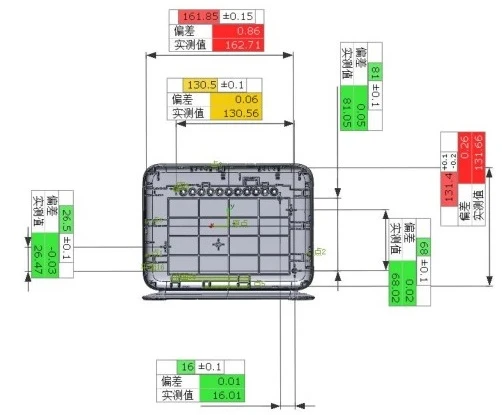
Utilizing the XTOP3D XTOM photogrammetric 3D scanner, precise dimensional inspection facilitates a closed-loop feedback mechanism linking dimensional deviations to process parameters (such as mold temperature and holding pressure optimization), thereby preventing the accumulation of errors during manufacturing. This approach not only effectively enhances inspection accuracy and efficiency but also enables the comprehensive integration and digital analysis of inspection data, providing robust technical support to accelerate new product development and iteration.