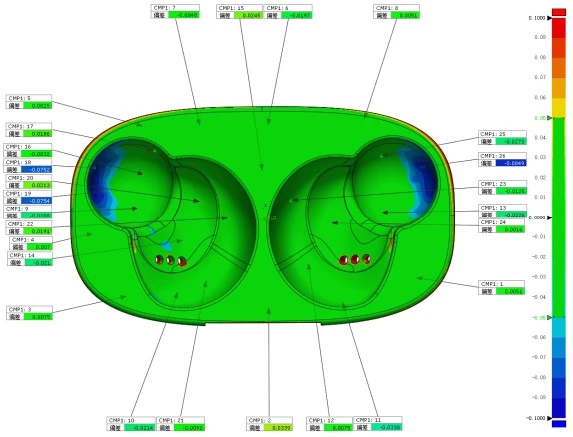
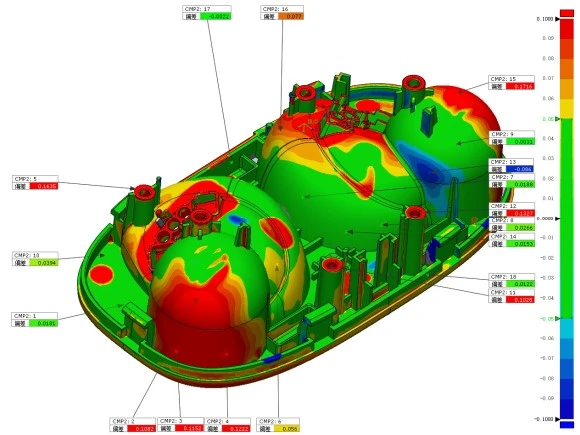
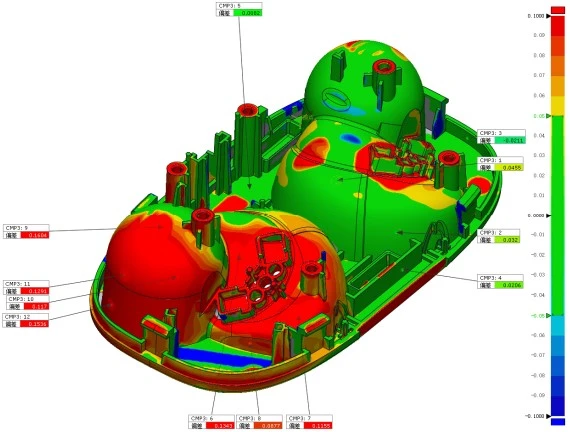
In the fiercely competitive market for 3C mobile phone manufacturing, product refinement, seamless assembly, and superior tactile feel have become key factors in winning market favor. Achieving this relies on meeting exacting standards for dimensional accuracy and aesthetic quality.
Structural components for 3C electronics are typically characterized by thin walls, compact size, high precision, and complex geometries; factors such as mating clearances and geometric tolerances directly impact the quality of the final mobile phone product. As product lifecycles shorten and quality requirements rise, manufacturers face increasingly demanding challenges.
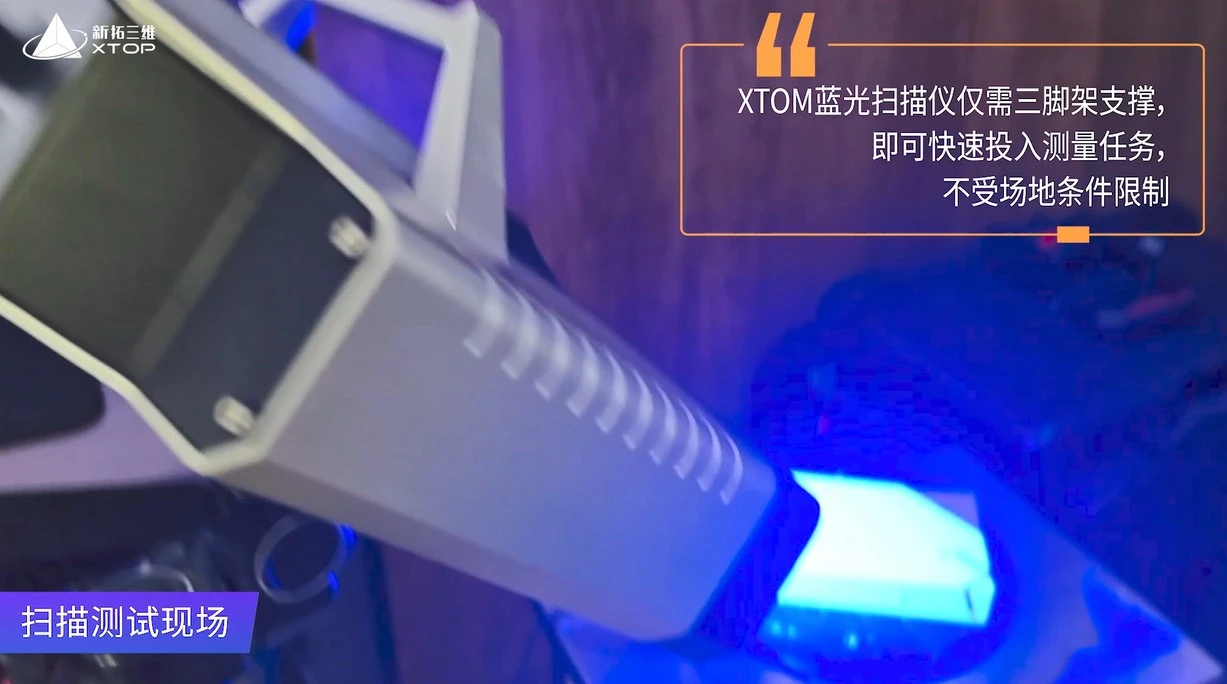
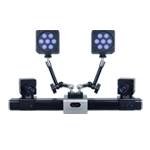
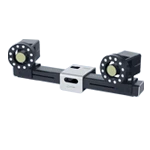
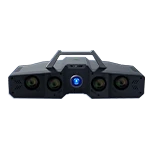
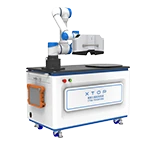
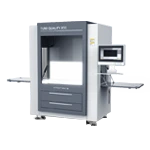
The XTOP3D XTOM blue-light 3D scanner enables high-precision, non-contact 3D inspection of 3C mobile phone components. By promptly detecting and correcting deviations, it helps manufacturers achieve efficient, high-quality full-dimensional inspection and accelerates the pace of product iteration.
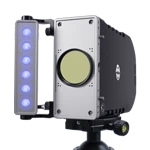
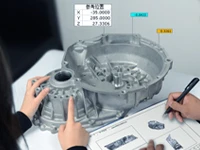
The XTOM blue-light 3D scanner operates by projecting specific blue-light patterns onto the surface of a workpiece, while high-resolution industrial cameras capture images of the patterned surface from various angles. By analyzing the deformed patterns and other data, the 3D scanning software precisely calculates the 3D coordinates of the point cloud, thereby capturing comprehensive 3D data of the product.
Due to its shorter wavelength, blue light captures finer details during projection and reflection, resulting in superior measurement accuracy. When scanning small, high-precision components—such as those found in mobile phones and laptops—the XTOM blue-light 3D scanner accurately captures features such as overall shapes and complex surface contours.
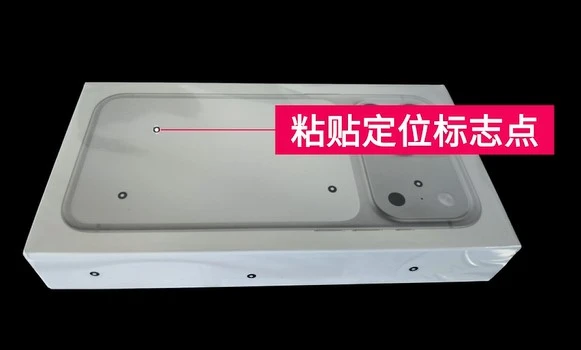
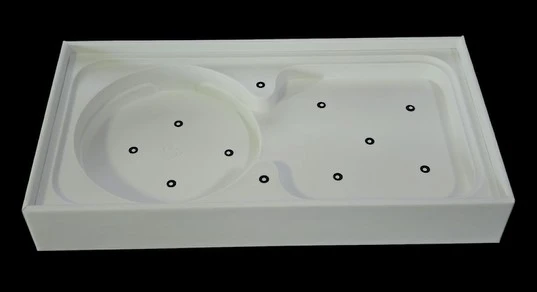
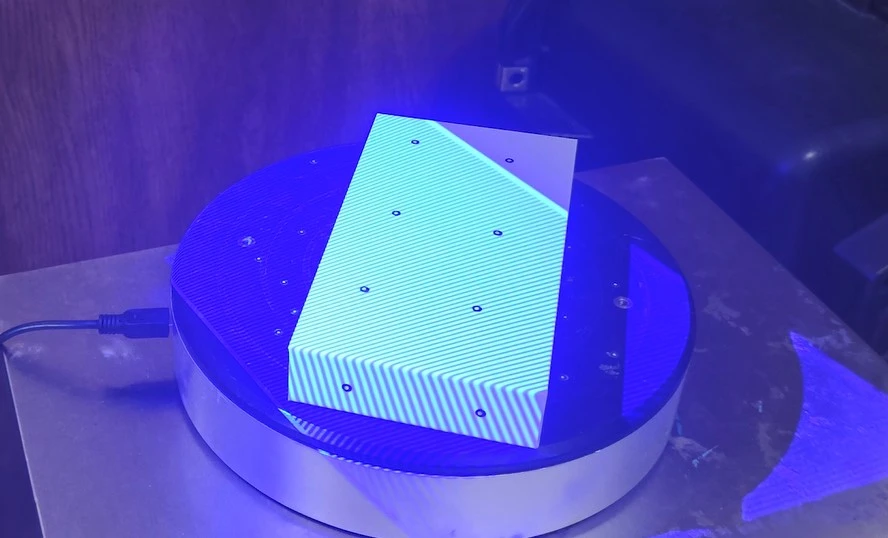
Advantages and Applications of Blue-Light 3D Scanning
High-Speed, High-Precision Measurement: Blue-light 3D scanning technology captures data in seconds, revealing intricate surface details with micron-level accuracy. It is ideal for inspecting minute assembly gaps and geometric tolerances on workpieces.
Non-Contact and Convenient Scanning: The process requires no workpiece clamping; parts can be freely rotated to ensure comprehensive multi-angle data capture, eliminating the risk of damage or error associated with traditional contact measurement. It easily achieves 360-degree, all-around measurement for complex surfaces or packaging structures with dense hole patterns.
Comprehensive Data for Geometric Tolerance Analysis: It enables rapid inspection of full-dimensional parameters (such as length, width, curvature, and positional accuracy) and geometric tolerances (such as flatness and symmetry), generating visual reports. By analyzing deformation and material thickness margins, it helps identify manufacturing deviations and optimize production processes.
3D Inspection of Precision Mobile Phone Packaging
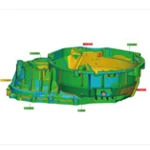
External Dimension Inspection: The XTOM blue-light 3D scanner captures complete 3D point cloud data of parts in seconds. By rapidly comparing this data with CAD models, it provides a clear visualization of dimensional deviations. It delivers pinpoint accuracy for measurements ranging from the length, width, and height of the base and lid to complex surface contours and positional tolerances.
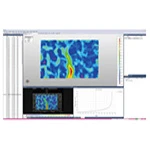
Material Thickness Analysis: For thin-walled mobile phone packaging components, blue-light 3D scanning technology rapidly analyzes thickness distribution across the entire part. It precisely identifies areas that are too thick or too thin, helping to prevent issues such as deformation or shrinkage caused by uneven material distribution.
Radius (R-angle) and Surface Analysis: Mobile phone packaging designs often feature various rounded corners (R-angles) and complex surfaces that are critical to assembly precision. Blue-light 3D scanning technology accurately captures the geometry of these surfaces, ensuring consistency between the design and the physical product.
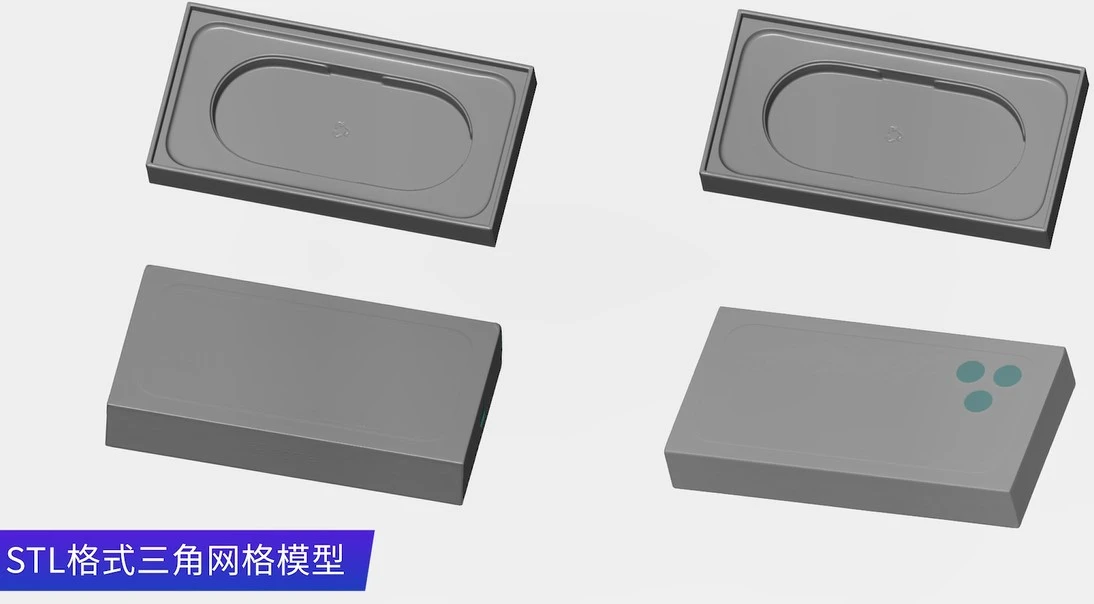
3D Inspection of Headphone Injection-Molded Parts
Headphone Housing Inspection: For small, complex injection-molded components—such as Bluetooth headphone casings—the XTOM blue-light 3D scanner rapidly captures full-dimensional data. It inspects critical dimensions (including width, length, aperture, and assembly gaps) to ensure tolerance compliance, enables efficient deviation analysis, and shortens the mold trial cycle.
Quality Control Benefits: Compared to traditional methods like calipers or CMMs, blue-light 3D scanning offers more comprehensive point coverage and significantly faster inspection speeds. Additionally, automatic data archiving facilitates traceability and helps reduce labor costs.
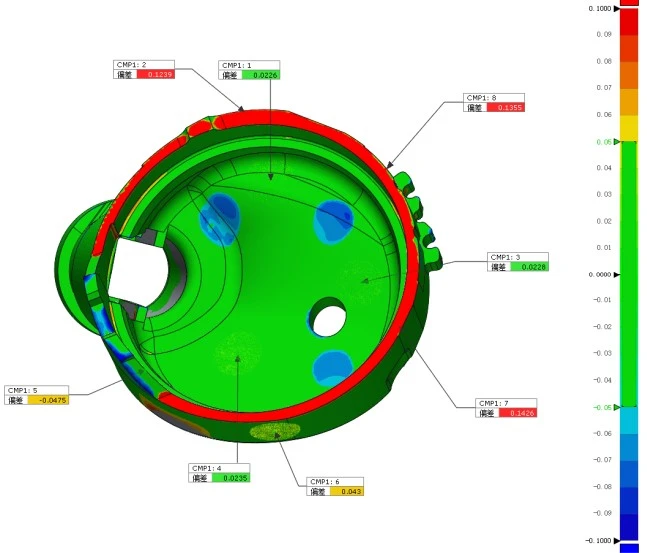
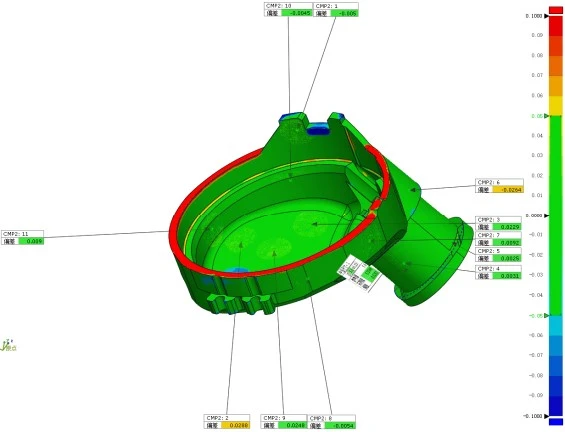
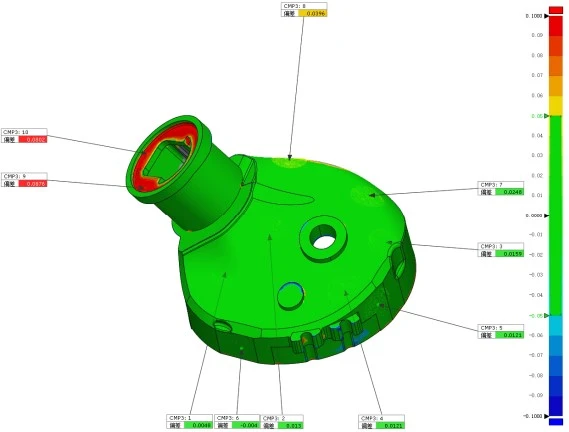
3D Inspection of Earbud Charging Cases
Quality Control: Blue-light 3D scanning technology captures full-scale 3D digital models of charging cases. When combined with inspection software, it rapidly identifies issues such as sink marks, flash, and deformation, ensuring product assemblability.
Mold Optimization: Deviation data is fed back into the mold design process, shortening iteration cycles.
Efficiency Improvement: Compared to traditional caliper measurements, blue-light 3D scanning enables full-surface inspection, reduces manual intervention, and lowers production costs.
Suitability for Complex Structures: It is particularly well-suited for the complex curved surfaces and thin-walled structures of earbud charging cases. It automatically generates 3D inspection reports—including dimensional annotations, tolerance analysis, and defect locations—and supports Product Manufacturing Information (PMI) annotation.