The Challenge of IP68 Smartphone Quality Control
With the continuous advancement of smartphone manufacturing, IP68 waterproof ratings have become a standard feature for flagship models. The waterproof performance heavily relies on the precise manufacturing of the smartphone's middle frame, specifically the dimensional accuracy of the waterproof grooves. Any minute deformation or deviation can lead to sealing failures. Traditional measurement methods often struggle to acquire complete 3D data of these complex, narrow structures efficiently.
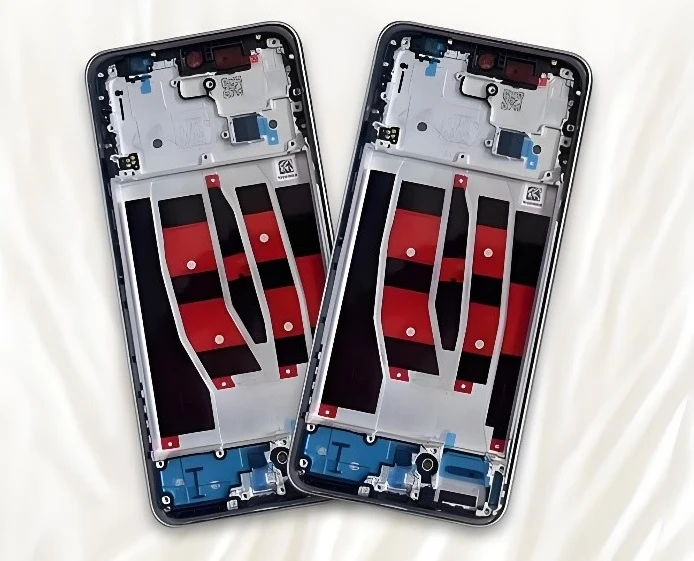
A contract manufacturer for a leading global smartphone brand undertook the development of a new generation of IP68-rated waterproof smartphones, introducing a new inspection step for the critical sealing adhesive groove on the middle frame.
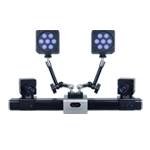
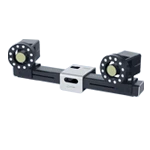
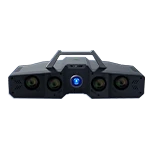
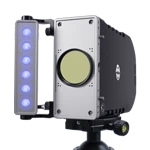
By utilizing the XTOP3D XTOM blue-light 3D scanner to perform full-dimensional 3D inspection of the middle frame, the manufacturer can promptly detect issues such as adhesive gaps, misalignment, and insufficient or excessive adhesive application. This prevents defective parts from proceeding to subsequent assembly stages, ensuring compliance with design specifications and the effectiveness of the waterproof structure.
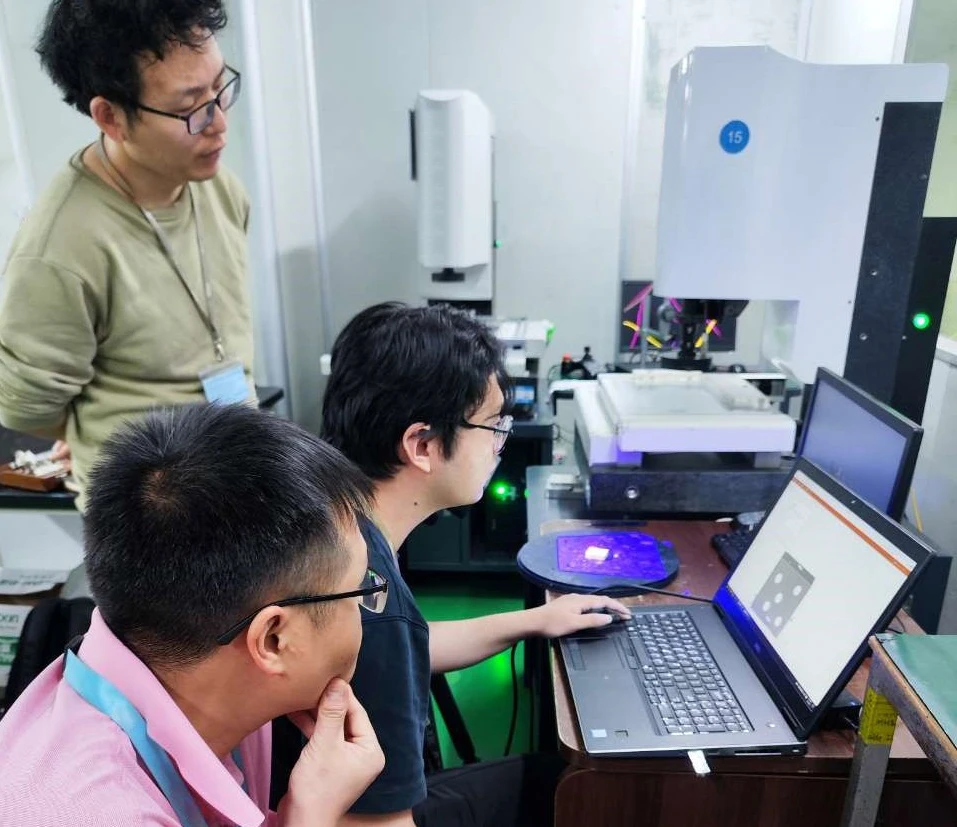
Challenges Faced by Traditional Detection Methods
-
A standard CMM stylus with a diameter of 0.5 mm cannot effectively make contact with the R0.2 fillet at the bottom of the slot.
-
Image-based measurement is limited by optical resolution, resulting in slot width measurement fluctuations of up to ±0.05 mm.
-
There is a pronounced conflict between the efficiency of random inspections and the requirements for full-dimensional quality control.
XTOP3D Solution: Blue Light 3D Scanning Technology
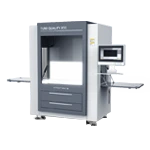
The XTOM blue-light 3D scanner is used for dimensional inspection of mobile phone middle frames; by precisely measuring key geometric features, it ensures assembly accuracy and waterproofing performance right from the source.
High Precision and Efficiency: Delivers 3D topographical data with micron-level accuracy—far surpassing traditional inspection gauges and calipers—while offering rapid scanning speeds suitable for either spot checks or full inspections on the production line.
Non-Contact Measurement: Prevents physical damage or deformation to delicate or precision components (such as sealing grooves or waterproof adhesive).
Full-Dimensional Digitization: Captures a complete 3D mesh model of the part, enabling dimensional and GD&T (Geometric Dimensioning and Tolerancing) analysis at any location.
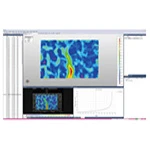
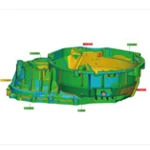
Intuitive Visualization: Generates color maps (deviation chromatograms) that clearly display discrepancies between the actual part and the CAD model, allowing for the rapid identification of problem areas.
Data Traceability: Produces detailed inspection reports, facilitating quality traceability, process analysis, and manufacturing process improvements.
Accuracy Verification for Blue-Light 3D Scanning
The client required 3D dimensional inspection of the entire slot structure on the middle frame, targeting an accuracy level of ±0.02 mm, and necessitated verification of the accuracy and stability of the XTOM blue-light 3D scanner.
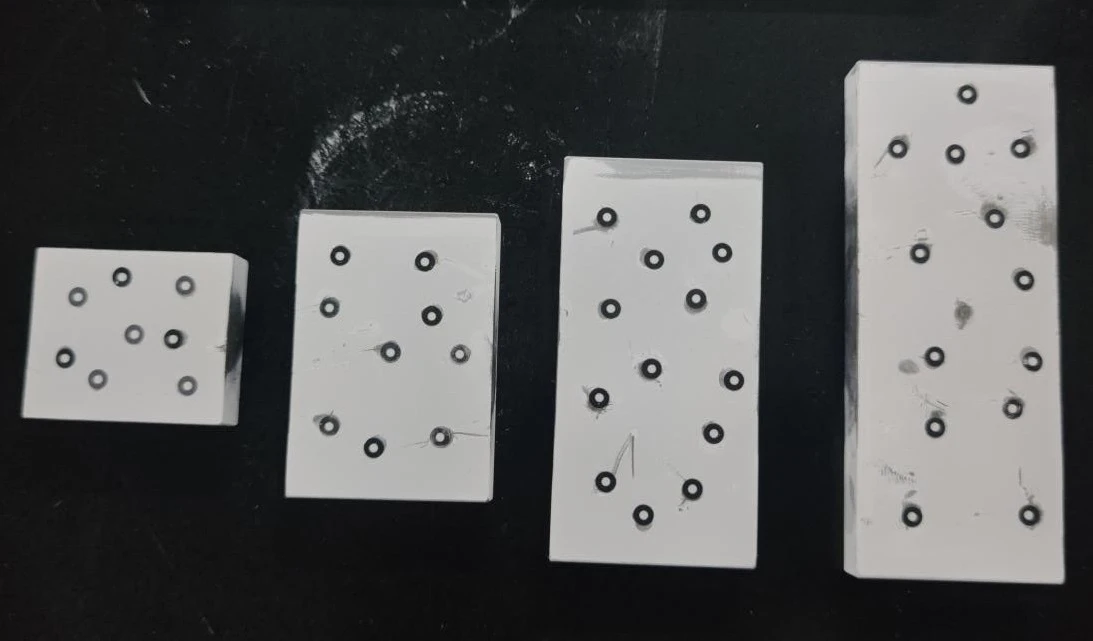
Stage 1: Basic Accuracy Certification (Gauge Block Calibration)
The XTOP3D XTOM blue-light 3D scanner offers typical accuracy ranging from ±6μm to ±20μm (depending on the model). Accuracy was verified by scanning standard gauge blocks, and the test results met the customer's specified accuracy requirement of ±0.02mm for the mid-frame waterproof groove.
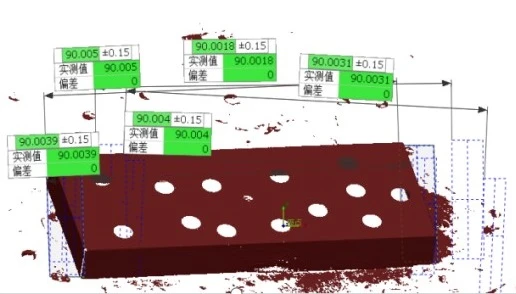
Stage 2: Repeatability Verification (Three Scans of the Sample)
Using an XTOM blue-light 3D scanner, the mobile phone middle-frame sample was scanned three times. A comparison of the superimposed point clouds from these scans showed a high degree of alignment across the differently colored datasets; the repeatability error for key features was less than 0.02 mm (20 microns), confirming that the repeatability accuracy and stability met the customer's standards.
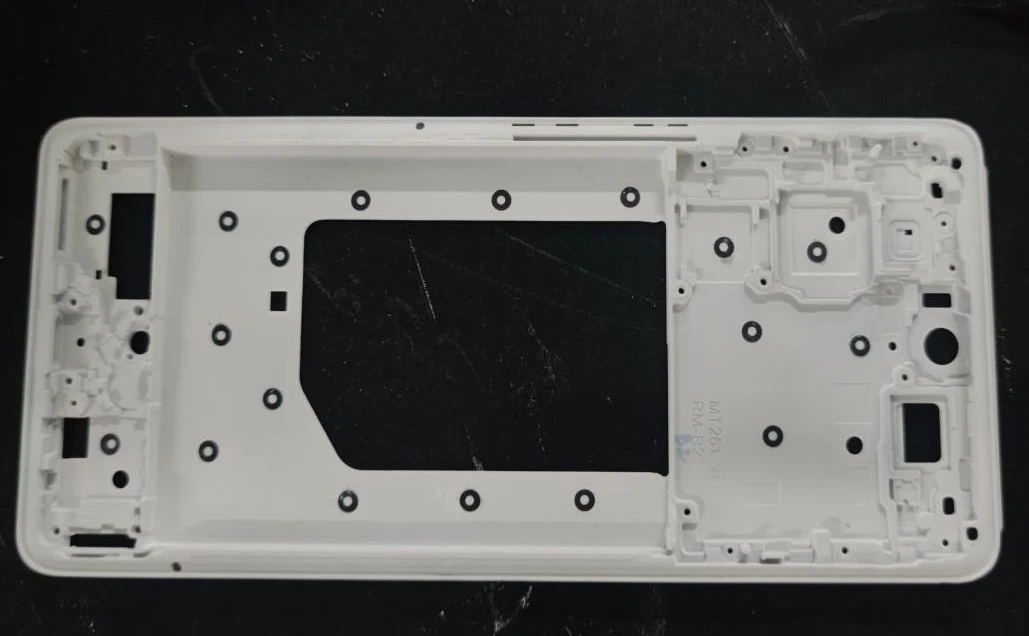
Implementation of 3D Scanning and Inspection for the Middle Frame
Step 1: Workpiece Pre-treatment
Apply developer spray to the surface of the middle frame (does not affect dimensions)
Automatic application of positioning targets
Step 2: Multi-angle 3D Scanning
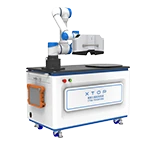
Rapid 3D scanning using an automated turntable (includes waterproof slot)
Acquisition of high-density point cloud data
Step 3: 3D Inspection and Comparative Analysis
Inspection Items:
-
Glue channel width/depth
-
Continuity of tank body rounded corners
-
Mating surface flatness
Detection software analysis methods:
-
Cross-sectional profile extraction method
-
Curvature Chromatogram Analysis
-
Best-fit plane deviation
Inspection of Dimensions and Geometric Tolerances for Mobile Phone Middle Frames
-
Inspection of dimensions and geometric tolerances for seal grooves/waterproof adhesive channels:
-
Precise measurement of groove width and depth to ensure accurate seal compression and an effective seal.
-
Analysis of groove-bottom flatness/profile to prevent uneven stress on the seal, which could lead to leakage points.
-
Analysis of groove-wall perpendicularity/parallelism to avoid seal twisting or improper installation.
-
Measurement of groove positional accuracy to ensure the correct location of key assembly datums and prevent seal misalignment after assembly.
Middle Frame Flatness Inspection:
Inspection of mating surfaces for the screen, back cover, and internal brackets: These interfaces typically require the application of waterproof adhesive or waterproof foam gaskets. Flatness measurements are used to detect depressions, protrusions, or distortions.
Critical Assembly Hole Inspection:
Screw hole diameter and positional accuracy: Precise measurement of screw hole dimensions and locations ensures proper screw tightening force and maintains the sealing pressure at mating surfaces.
Overall Housing Deformation (Warping) Inspection:
By comparing 3D scanned models with CAD models, the overall deformation and warping of the middle frame are evaluated to prevent excessive warping from compromising assembly precision.
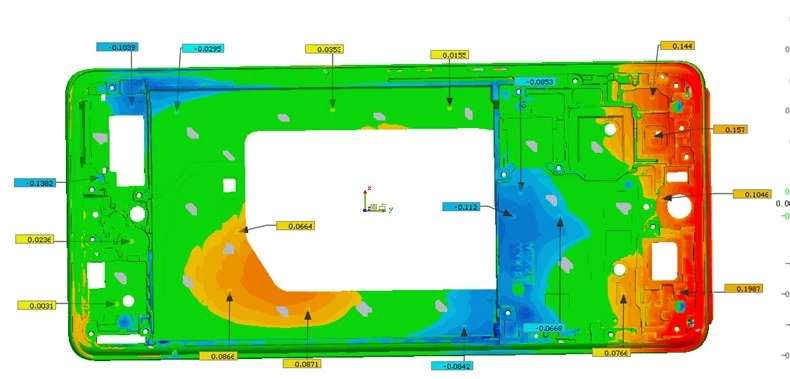
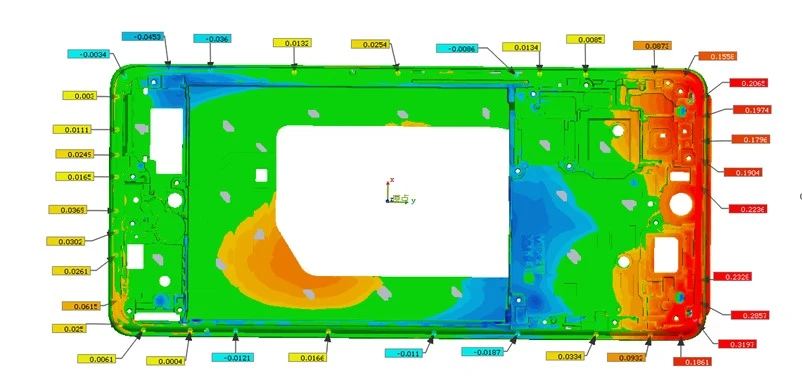
3D chromatic deviation map of the mobile phone middle frame
The XTOP3D XTOM blue-light 3D scanner employs non-contact, high-precision, full-field inspection methods to provide process control and quality assurance solutions for mid-frame fit, assembly, and waterproofing performance.
By measuring critical geometric features of the mid-frame—such as sealing grooves, mating surfaces, and assembly holes—it ensures strict adherence to design specifications, thereby significantly reducing the risk of waterproofing failure caused by dimensional deviations. As a key tool for dimensional control, blue-light 3D scanning technology substantially improves waterproofing pass rates and drives manufacturing process optimization, making it an indispensable quality control technology in modern precision electronics manufacturing.