With the rapid advancement of digital technology, 3D scanning has quietly entered our lives; acting like a magical wand, it can swiftly transform real-world objects into 3D digital models.
A renowned art studio sought to transform classic oil paintings into commercial products to meet the growing market demand for art reproductions. However, traditional manual reproduction methods were time-consuming, lacked precision, and posed a risk of damaging the original artworks.
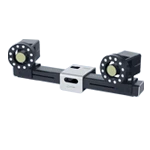
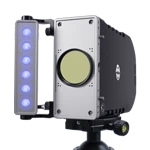
To achieve efficient, high-fidelity mass production, the studio utilized the XTOP3D XTOM high-precision blue-light 3D scanner to capture the form of the oil paintings. This process was combined with 3D modeling software for reverse modeling and layer segmentation, enabling the mass production of reproductions through 3D printing and coloring.
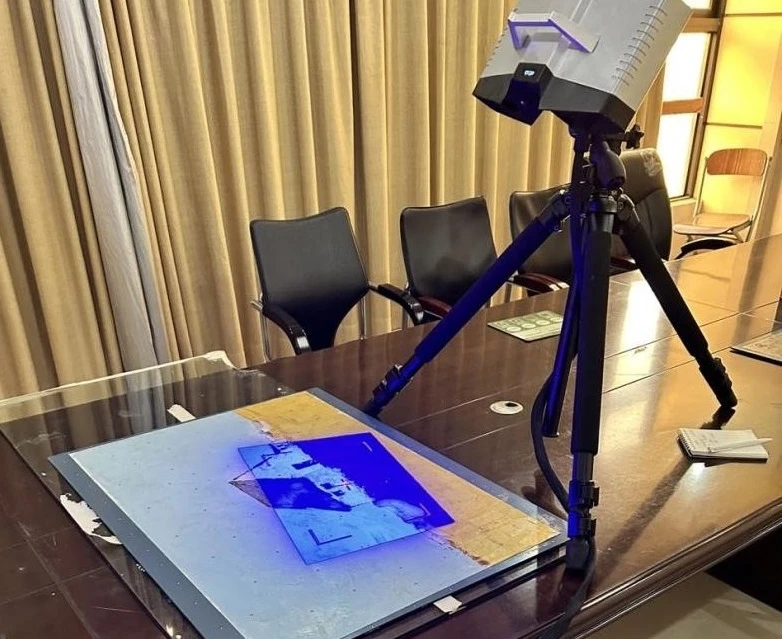
Applications of Blue-Light 3D Scanning Technology
Need to capture three-dimensional features: Oil painting surfaces exhibit distinct brushstroke relief, paint impasto, and canvas texture—details that traditional 2D imaging techniques cannot record.
Requirement for detail fidelity: Subtle surface textures in classic oil paintings (such as heavy brushwork and layers of transparent glazes) are integral to their artistic value.
Enhanced reproduction efficiency: High-precision 3D scanning serves as the starting point for reverse modeling; the resulting 3D digital models integrate seamlessly with 3D printing workflows, ensuring high consistency in the production of reproductions.
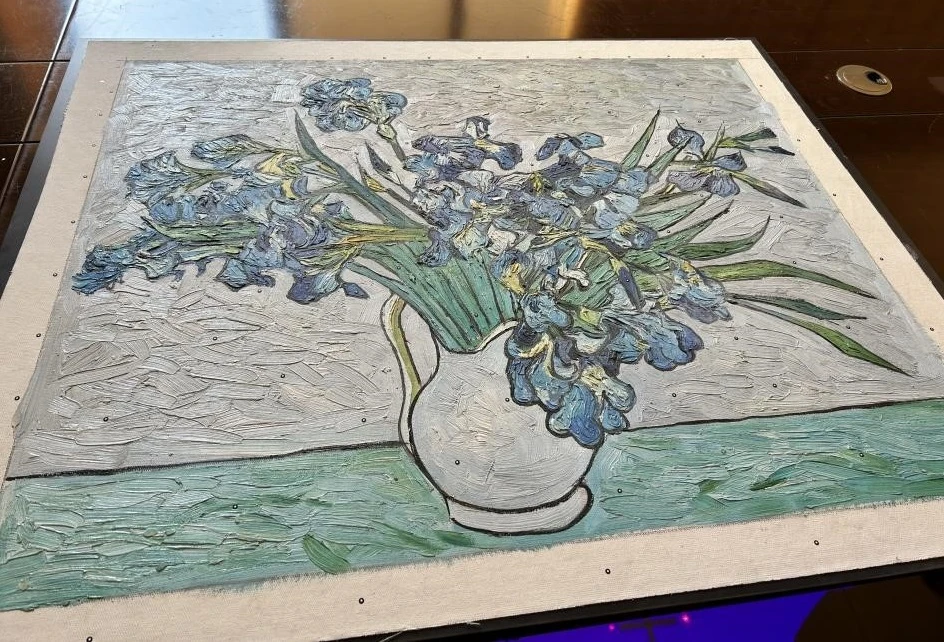
Original oil painting
Blue-Light 3D Scanning Results
In practical applications, the XTOP3D XTOM high-precision blue-light 3D scanner captures over 10 million points of cloud data in a single scan, delivering exceptional detail.
Surface Texture: It clearly reproduces the brushstrokes and texture of the oil painting with micron-level precision, capturing even minute cracks and variations in the paint layer without omission.
Environmental Adaptability: Blue-light technology effectively eliminates ambient light interference and maintains stable measurement accuracy, thereby reducing requirements for the scanning environment.
Data Integrity: The scanning process covers all areas without blind spots; no data gaps or noise appear, even at the painting's edges or on complex surfaces (such as the grooves of a frame). The generated STL file allows for immediate visualization of the 3D model when imported into 3D modeling software.
Efficiency: Single scans are completed in seconds, and the system supports batch processing. It offers high data compatibility, outputting directly to formats editable by 3D modeling software.
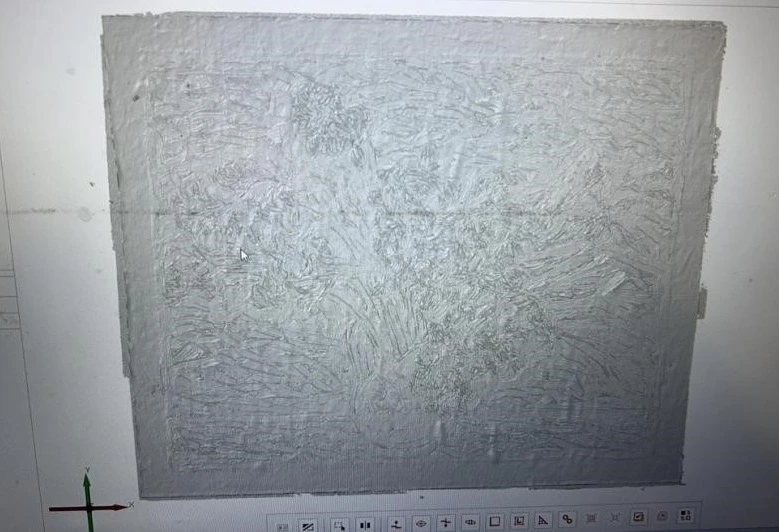
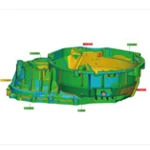
3D scanned mesh model
These results laid a solid foundation for subsequent reverse modeling, ensuring the reliability of the entire process from 3D scanning to printing.
Mass Production of Oil Paintings via 3D Printing
Leveraging 3D scanning data and 3D printing with integrated coloring technology enables the mass production of oil paintings, offering advantages that far surpass traditional methods:
Economies of Scale: Scan data can be reused indefinitely, allowing a single scan to support the production of hundreds of prints. When combined with multi-nozzle 3D printers, high-quality reproductions can be mass-produced at significantly reduced costs.
Innovative Coloring Techniques: 3D printing utilizes multi-layer technologies (such as FDM or SLA) to embed color data directly into the print structure. Complemented by professional coloring processes, this ensures rich color saturation and smooth gradients in the reproductions.
Market and Social Value: Mass production makes artworks more accessible to the public while protecting original pieces from damage caused by frequent display. It meets demand across e-commerce channels and fosters the popularization of art.
Sustainability: Compared to traditional printing, 3D printing minimizes material waste (using only eco-friendly resins) and enables on-demand production, thereby preventing excess inventory. Furthermore, digital models allow for iterative optimization—such as fine-tuning details—providing flexibility for artistic innovation.
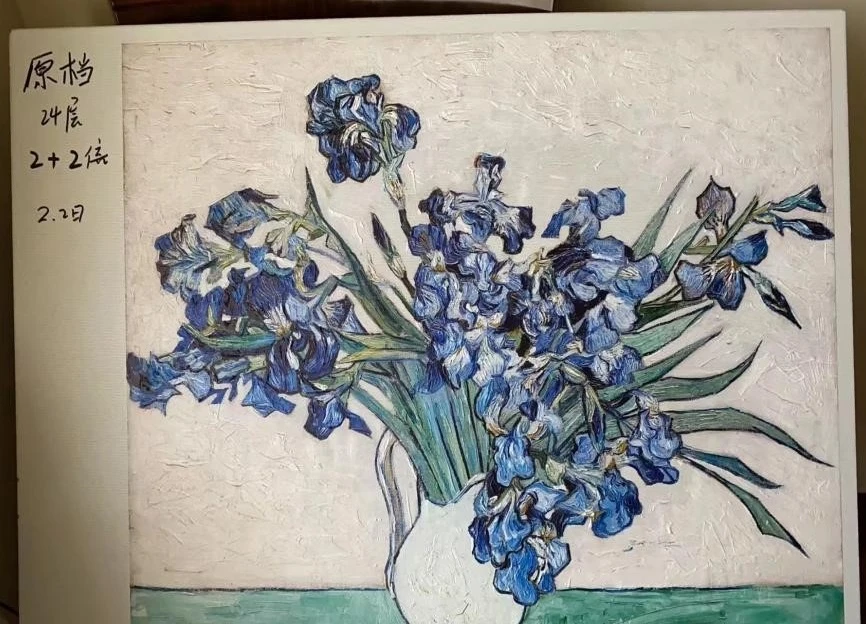
3D-printed oil paintings
This case study demonstrates that the use of the XTOP3D XTOM high-precision blue-light 3D scanner—which ensures data high fidelity through non-contact scanning—combined with 3D printing technology, has enabled an innovative transition from "unique art pieces" to "mass-produced products." This approach not only generates significant commercial value but also drives the digital transformation of the art industry. As technology evolves, this model is poised to expand into a wider range of artistic disciplines, setting a benchmark for the replication, preservation, and innovation of cultural heritage.