Chinese history and culture are profound, vast, and long-standing. Every artifact and historical site serves as a vessel for the history of the Chinese nation and a microcosm of its magnificent 5,000-year-old culture; they are, moreover, vital national treasures and invaluable resources for research.
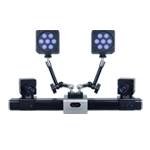
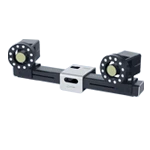
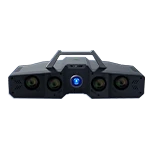
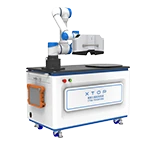
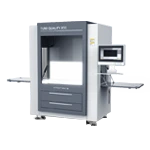
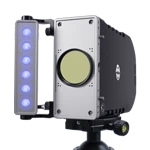
The XTOP3D XTOM high-precision blue-light 3D scanner is widely used in the digital preservation, restoration, and structural analysis of architectural heritage and artifacts, offering comprehensive 3D optical measurement solutions for the conservation and protection of historical sites and cultural relics.
The XTOP3D XTOM blue-light 3D scanner features rapid and accurate data acquisition; it employs high-precision industrial cameras to perform measurements without making physical contact with the artifact.
With the advantages of high resolution and dense point cloud acquisition, the XTOM high-precision blue-light 3D scanner can rapidly and accurately pinpoint 3D coordinates on an artifact's surface. It ensures precise and swift data collection, making it suitable for measuring large objects, complex curved surfaces, and flexible surfaces.
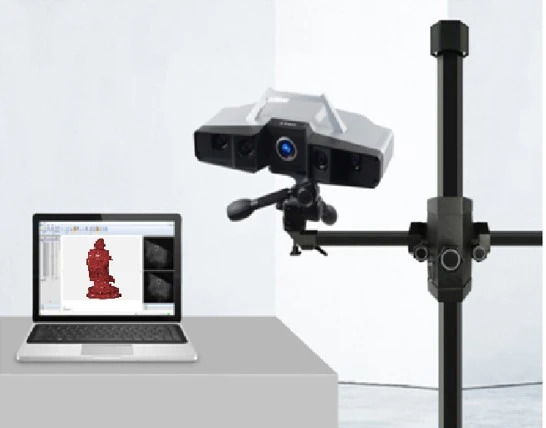
The XTOM Blue-Light 3D Scanner enables 3D scanning of complex artifacts of various sizes, even in challenging environments. Its automatic point-cloud stitching technology enhances the efficiency of 3D reconstruction, making it suitable for applications such as artifact preservation, restoration, virtual display, replication, and creative design.
3D Modeling of Artifacts
Full-scale scanning is used to create 3D digital models of artifacts, providing comprehensive data for future research. This represents the most accurate and effective method for the digital documentation and preservation of cultural heritage and is widely adopted around the world.
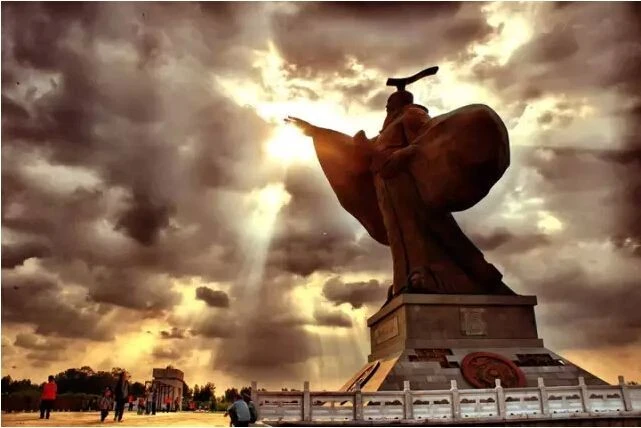
Hancheng Lake Park (A National AAAA-rated Scenic Area)
3D modeling of the Statue of Emperor Wu of Han (statue height: 21.5 meters)
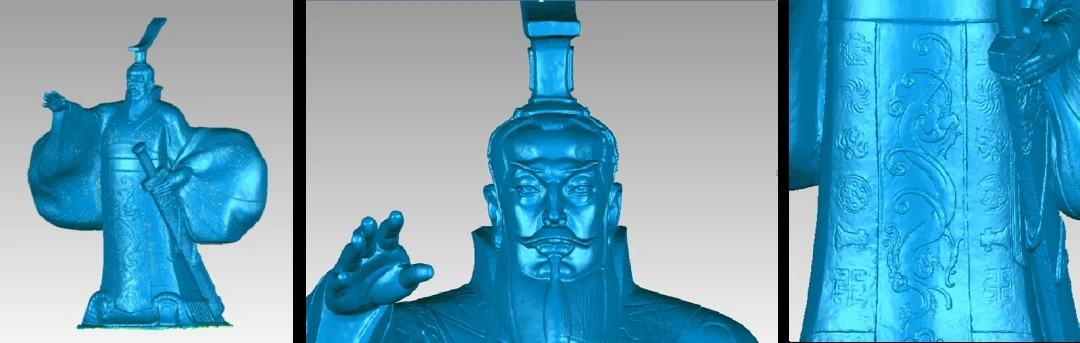
High-precision scan data can be used for 3D printing to realize material replacement.
A series of art-based merchandise can be developed subsequently.

3D Scanning and Virtual Restoration of Cultural Relics
Many cultural relics and historic sites face the threat of destruction due to the passage of time and continuous human impact. 3D scanning technology employs non-contact methods to capture 3D data, enabling the preservation of these sites in digital form and providing the necessary data to support the repair and restoration of damaged artifacts.
A Tang Dynasty polychrome sculpture from a renowned temple in China
Tang Dynasty polychrome clay statue of Manjushri Bodhisattva
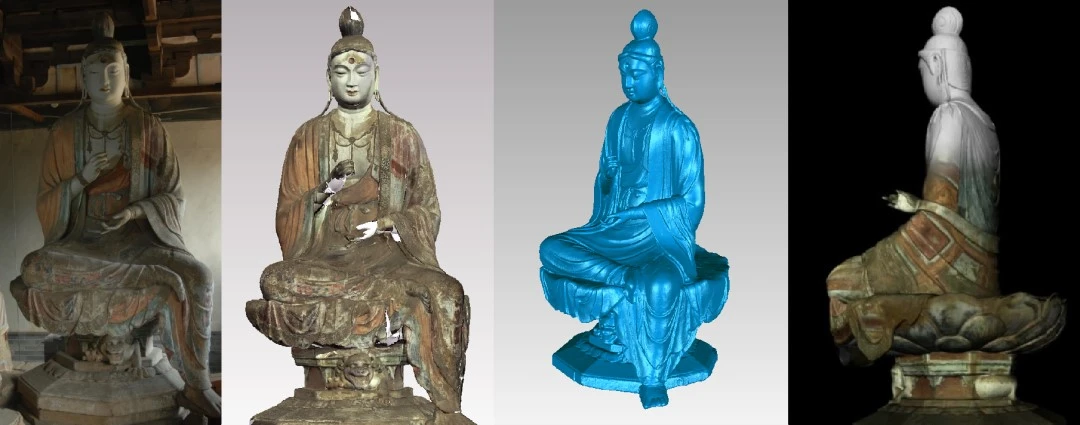
Painted clay sculptures (physical objects) & material adhesion & model generation & comparison of forms and textures
The XTOP3D XTOM high-precision 3D scanner is used to scan a damaged gilded Arhat statue and generate a 3D data model. Based on this 3D data, digital sculpting and modeling software (such as ZBrush, 3ds Max, and Maya) is employed to perform a virtual restoration; this allows experts to visualize the simulated restoration results, providing a crucial reference for the actual conservation of the artifact.
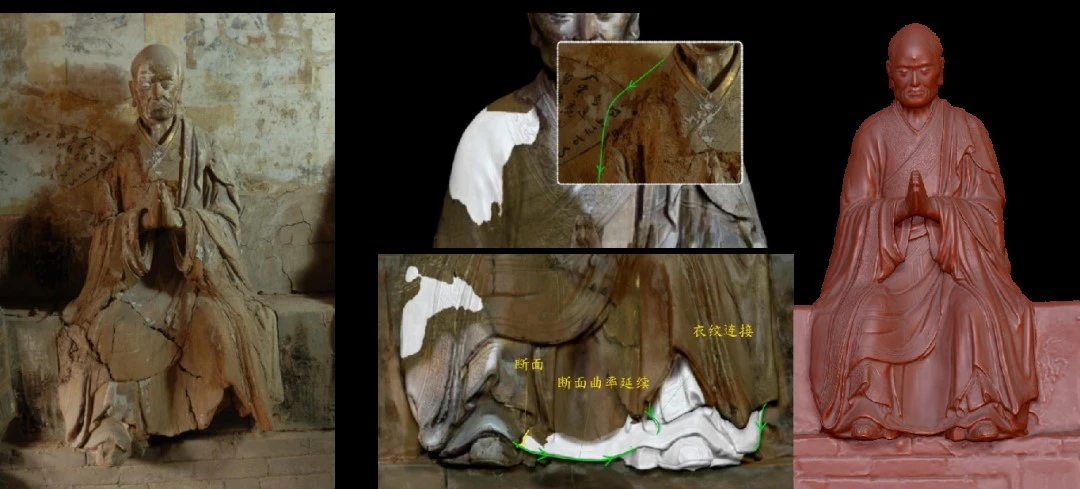
Artifact Prototypes & Virtual Restoration
Virtual Exhibition of Cultural Relics
By using 3D scanning technology to capture comprehensive data on cultural relics and historical sites, we obtain accurate three-dimensional models. When integrated with online exhibition platforms or virtual reality technology, these models allow for the rapid reconstruction of 3D scenes, creating a more vivid and lifelike presentation of the artifacts and sites.
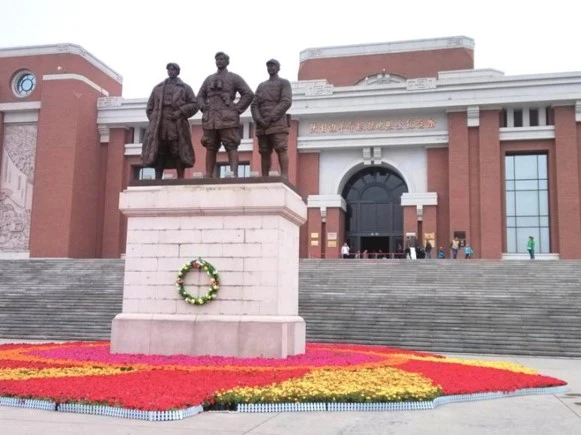
"Red Tourism" Site: Memorial Hall of the Shaan-Gan Border Zhaojin Revolutionary Base
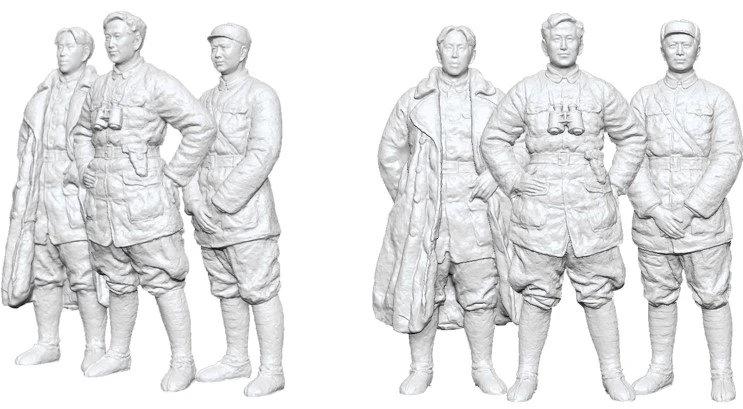
Digital scanning of revolutionary hero statues
Data measurement and proportional scaling to provide precise reference data for the sculptures
Cultural Relic Replication and Creative Design
Cultural relics often require replication or derivative designs for exhibition or other commercial purposes. Traditional replication methods typically rely on plaster molding techniques; however, high-value masterpieces with unique stylistic features cannot be directly molded using plaster.
By employing 3D scanning technology to capture data via non-contact scanning, cultural relics can be replicated with both precision and speed.
London Olympic Park
"2012 London Polo"
Digital scanning of the clay sculpture model
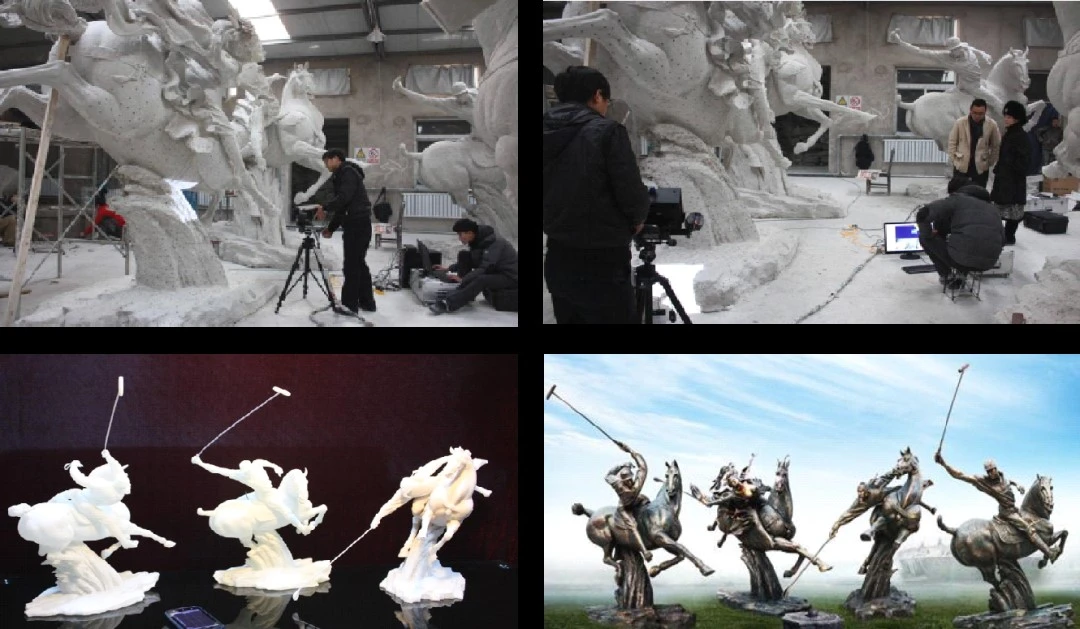
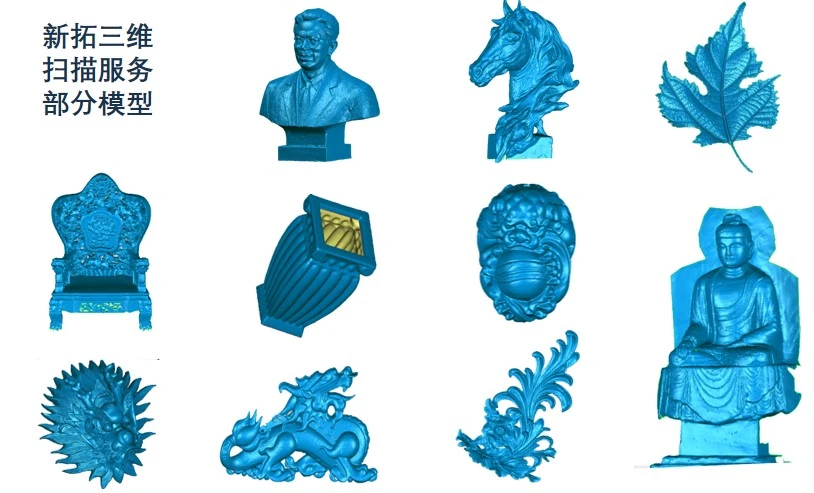
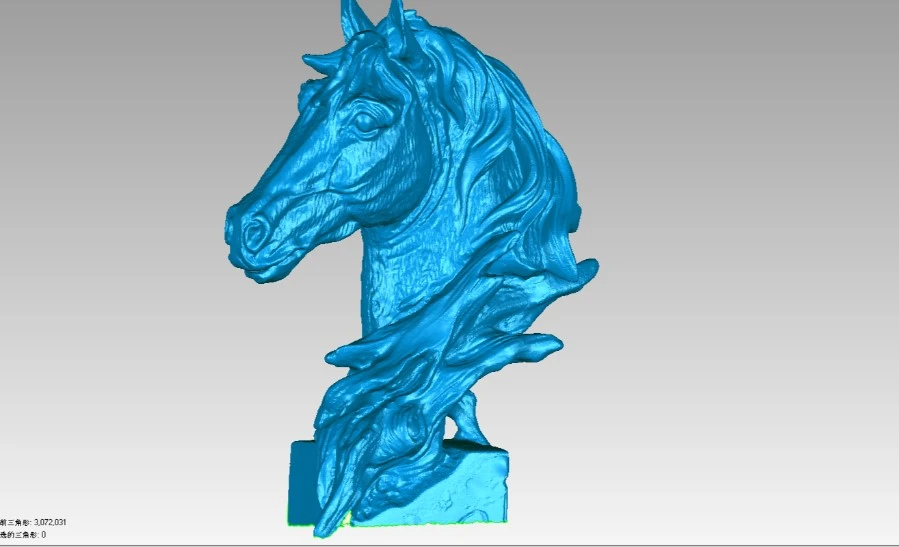
The XTOM blue-light 3D scanner is highly suitable for cultural heritage preservation and the development of cultural and creative products; it is portable and free from site constraints, enabling the rapid acquisition of 3D data from complex artifacts and artworks. The resulting blue-light scan data features a dense point cloud that faithfully captures intricate surface details and features, ensuring a realistic reconstruction.
3D scanning technology is now widely employed in the field of cultural heritage preservation, with scanning techniques and equipment undergoing continuous improvement and upgrading. Characterized by high scanning efficiency, ease of use, and superior precision, the XTOM blue-light 3D scanner excels at scanning irregular and complex artifacts. By leveraging its high-resolution capabilities to facilitate comprehensive preservation and restoration, the scanner effectively reduces costs and boosts efficiency, thereby advancing the cause of cultural heritage preservation.