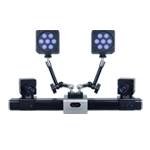
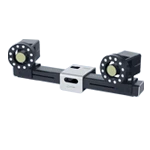
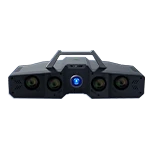
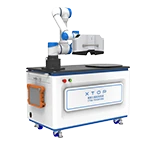
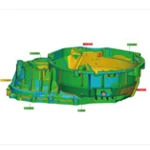
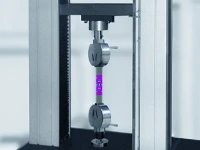
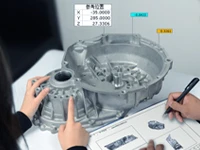
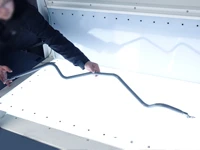
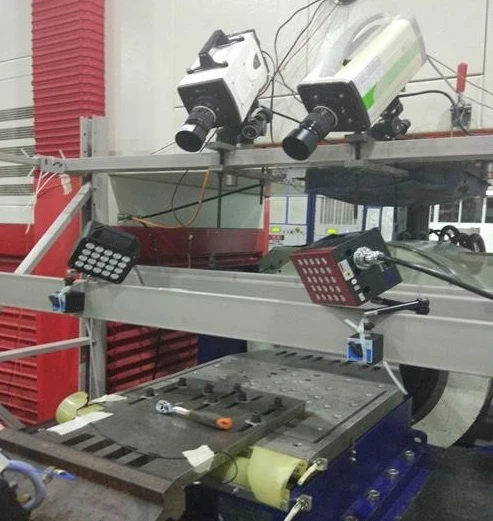
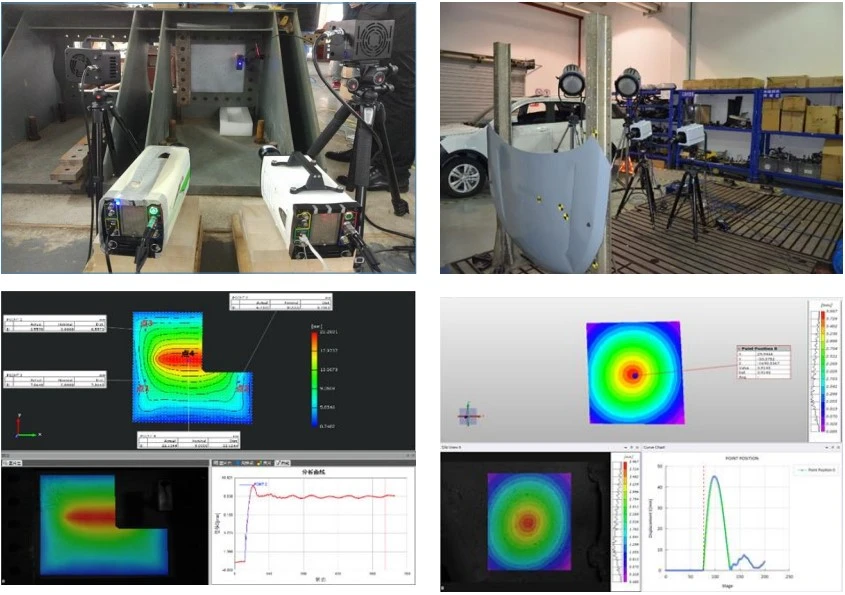
High-speed DIC (Digital Image Correlation) measurement technology integrates DIC with high-speed cameras. By using two or more high-speed cameras to capture image sequences of a test event and playing them back in slow motion, software can be used to determine the target's spatial displacement and strain. This technology is used to record and analyze high-speed transient displacement and deformation, allowing for the intuitive observation of test processes. It supports the testing of material and structural load-bearing performance, aids in analyzing structural behavior and lifespan during service, and helps prevent structural failure or fracture resulting from crushing or collisions.
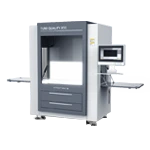
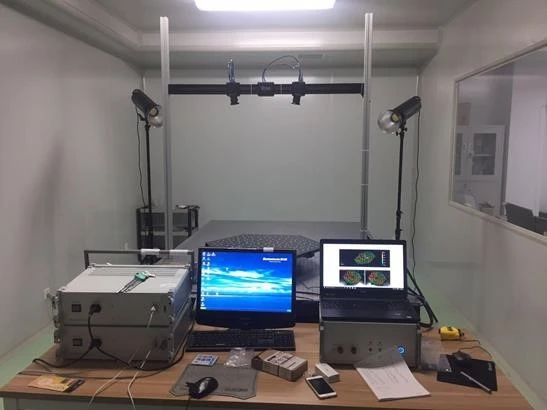
The XTOP3D XTDIC-SPARK 3D high-speed measurement system analyzes speckle patterns on the sample surface and captures full-field data via high-speed cameras. When combined with XTDA dynamic analysis software, it enables intuitive, precise, and visual analysis of full-field displacement and strain. The system also features marker tracking capabilities for analyzing high-speed events.
The XTDIC-SPARK system calculates data such as displacement, velocity, and acceleration for tracked points using reference points and temporal information. The testing process does not interfere with the target's structural or motion characteristics, and the results are visual, objective, and reliable. The system is suitable for applications involving high-speed impact, vibration, deformation, motion, and rotation.
Selecting High-Speed Cameras for DIC Systems
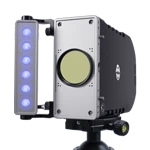
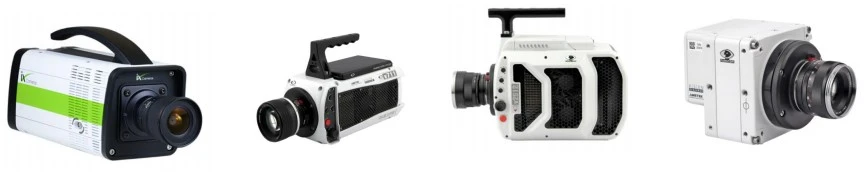
Given the complexity of high-speed testing scenarios, high-clarity imagery is essential for achieving high-precision motion analysis. The XTDIC-SPARK 3D high-speed measurement system supports a wide range of high-speed cameras from both domestic and international brands, offering various specifications regarding resolution and frame rate; selecting a high-resolution, ultra-high-speed camera ensures exceptional image detail and data quality in every captured frame.
The type of analysis required for the sample determines the type of high-speed camera and the acquisition speed needed—enabling the recommendation of a suitable high-speed camera for use with DIC technology.
-
If the speckle pattern used for DIC produces fine, high-contrast visual textures, a high-resolution, high-speed camera is recommended to ensure high frame rates and good image quality during acquisition.
-
For high-speed impact or rapid loading tests, high-speed cameras are required to capture the rapidly changing speckle patterns; this often involves a trade-off between resolution and the frame rate needed. Generally, cameras capable of achieving frame rates of tens of thousands of frames per second at a resolution of one megapixel or lower are ideal.
Ultra-high-speed cameras are required for high-speed explosion and vibration testing. DIC technology enables the measurement of vibration data and high-speed response characteristics at various locations throughout the analysis. When analyzing explosive impacts or high-frequency vibrations—where responses can reach tens of thousands of hertz—ultra-high-speed cameras capable of imaging at hundreds of thousands or even over a million frames per second are recommended.
DIC Measurement Accuracy Verification
-
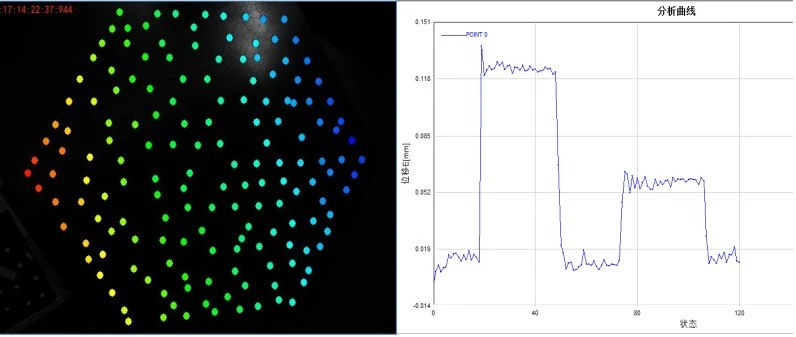
Displacement deviation was compared using an antenna reflector vibration test;
-
Displacement data was acquired via a laser displacement sensor with 1-micron accuracy;
-
Different force loads were applied, with 20 data points collected per set, to compare the accuracy of the DIC system against the sensor;
-
Displacement accuracy: 0.01 mm.
Engineering Applications of High-Speed DIC Testing
High-Speed Impact DIC Measurement
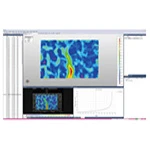
DIC software processes captured high-speed impact images to derive data such as the strain field and out-of-plane displacement of the material subjected to impact. It enables the analysis of images, out-of-plane displacement, and strain fields in both the horizontal (x) and vertical (y) directions at various time points. Xintuo 3D's high-speed 3D-DIC technology fully captures the dynamic response during high-speed impact events.
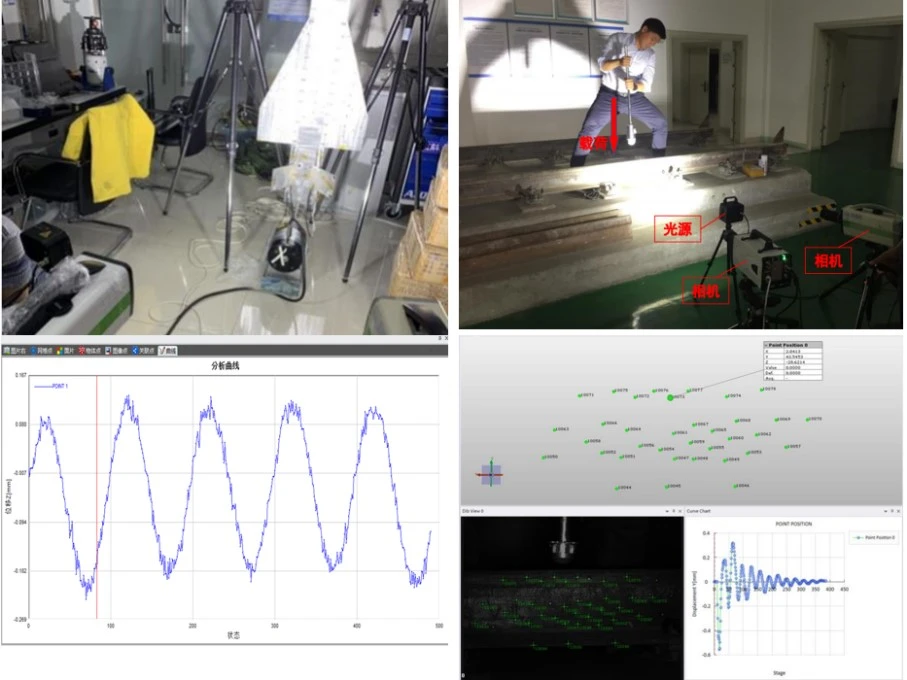
High-Speed Vibration Measurement Using DIC
Understanding the vibration behavior of structural components is crucial in various mechanical design processes. Gaining insight into the vibration characteristics of a specific structure—including its resonant frequencies and mode shapes—enables engineers to determine operational parameters and estimate service life. By combining Digital Image Correlation (DIC) technology with high-speed cameras, engineers can perform vibration analysis to identify resonant frequencies and analyze vibration modes and mode shapes.
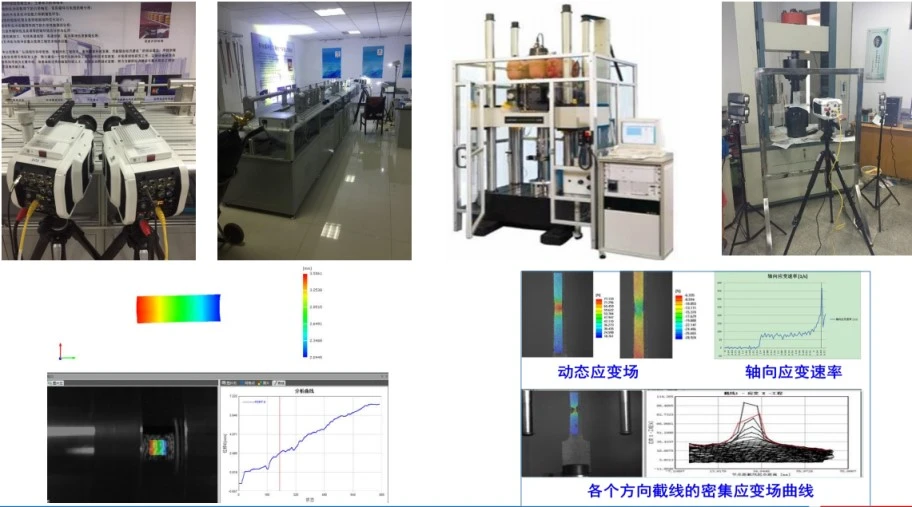
High-Speed Deformation Measurement via DIC
High-speed imaging technology enables full-process measurement of typical impact events (such as those involving Hopkinson bars) and dynamic processes, ranging from the effects of air shock waves to the vibration and explosion of fully enclosed vessels. By integrating this with a non-contact optical strain measurement system based on DIC (Digital Image Correlation), transient displacement, strain, and velocity fields can be captured, allowing for the analysis of structural deformation and failure phenomena and mechanisms under typical impact loads.
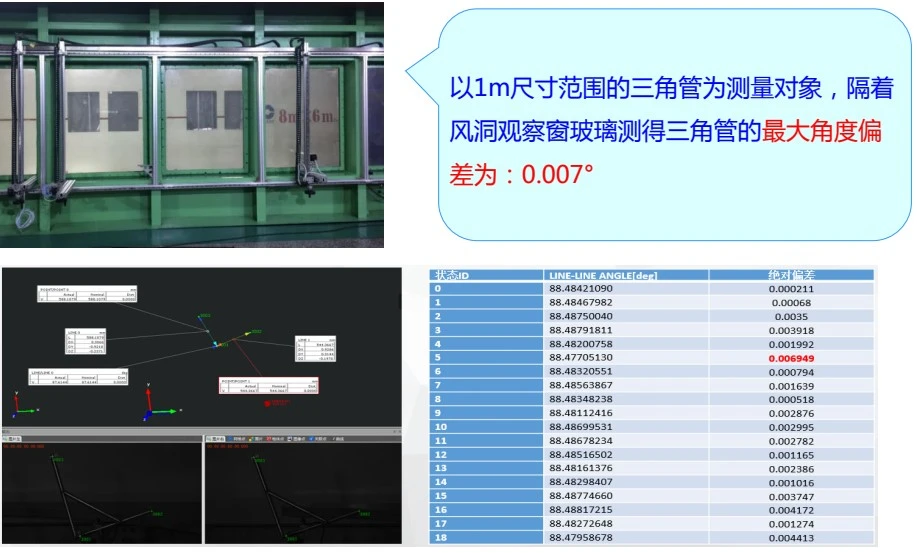
Motion Trajectory Measurement via DIC
High-speed cameras capture the motion of high-speed targets and track feature points on the moving object to measure parameters such as displacement, velocity, and acceleration. DIC software analyzes the captured images to output data—including 3D coordinates, displacement fields, strain fields, trajectory and orientation, velocity, acceleration, and angles—and visualizes these results intuitively through 3D color-coded maps.