Characterizing the high-temperature thermo-mechanical response of materials and structures is a critical requirement across the metal forming, nuclear energy, aerospace, and engine industries; it directly determines the accuracy of damage early-warning systems and service-life assessments for thermal protection components. A 2024 NASA technical report indicates that 65% of aircraft accidents stem from inaccuracies in thermo-structural mechanical models. Given that multiple uncertainties under high-temperature conditions compromise the accuracy of traditional numerical methods, there is an urgent need for high-precision experimental characterization.
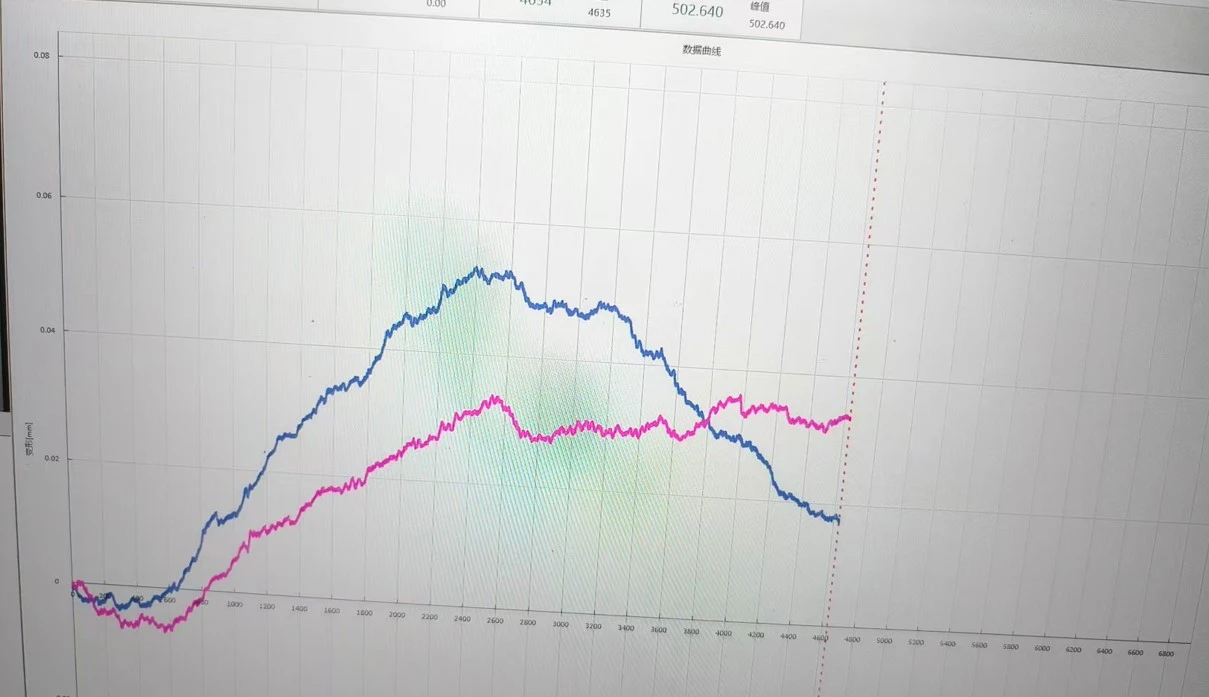
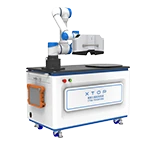
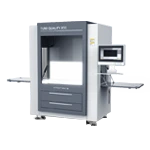
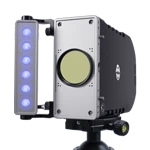
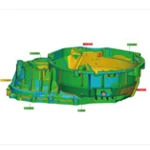
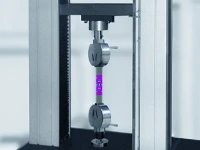
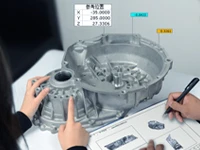
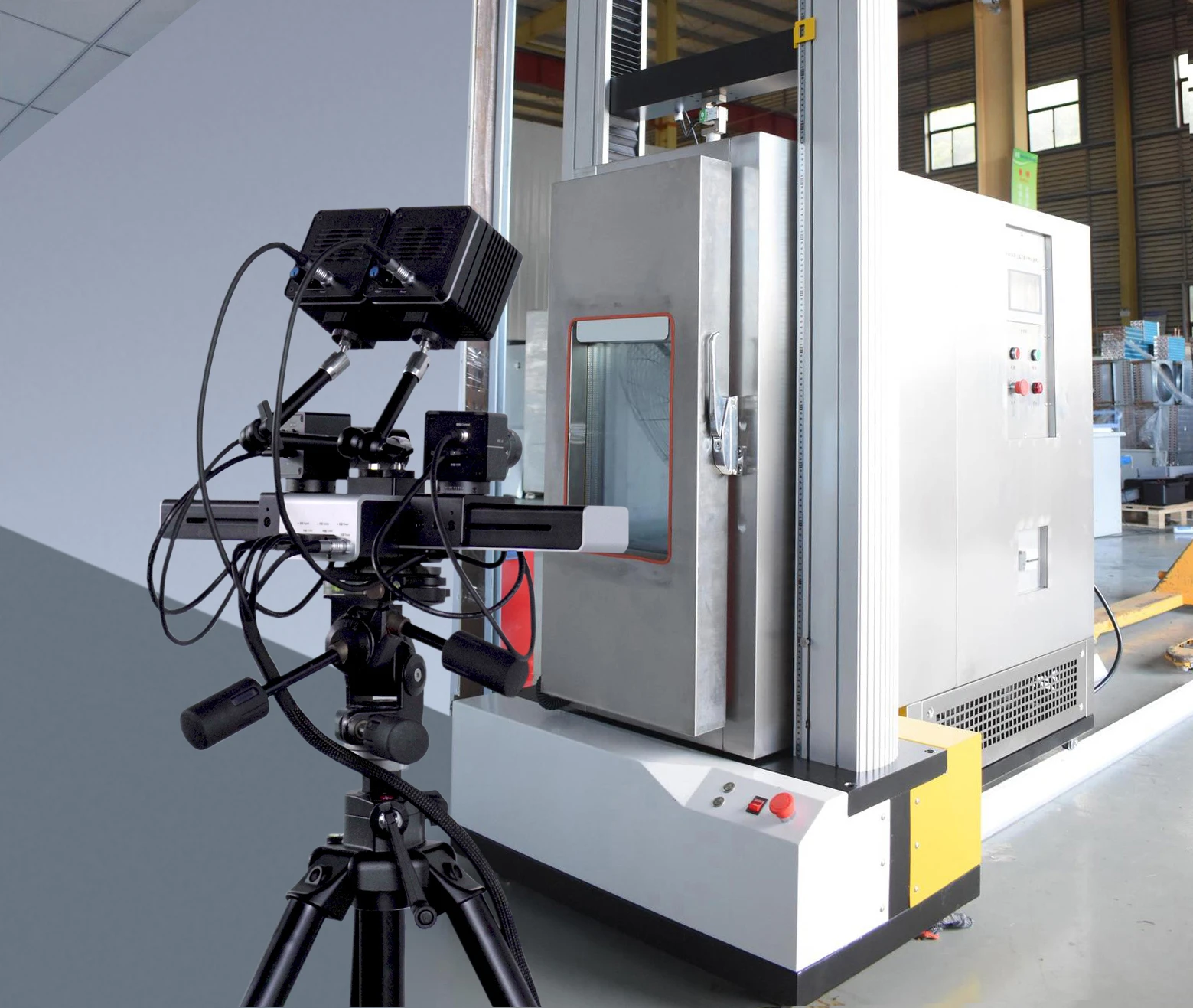
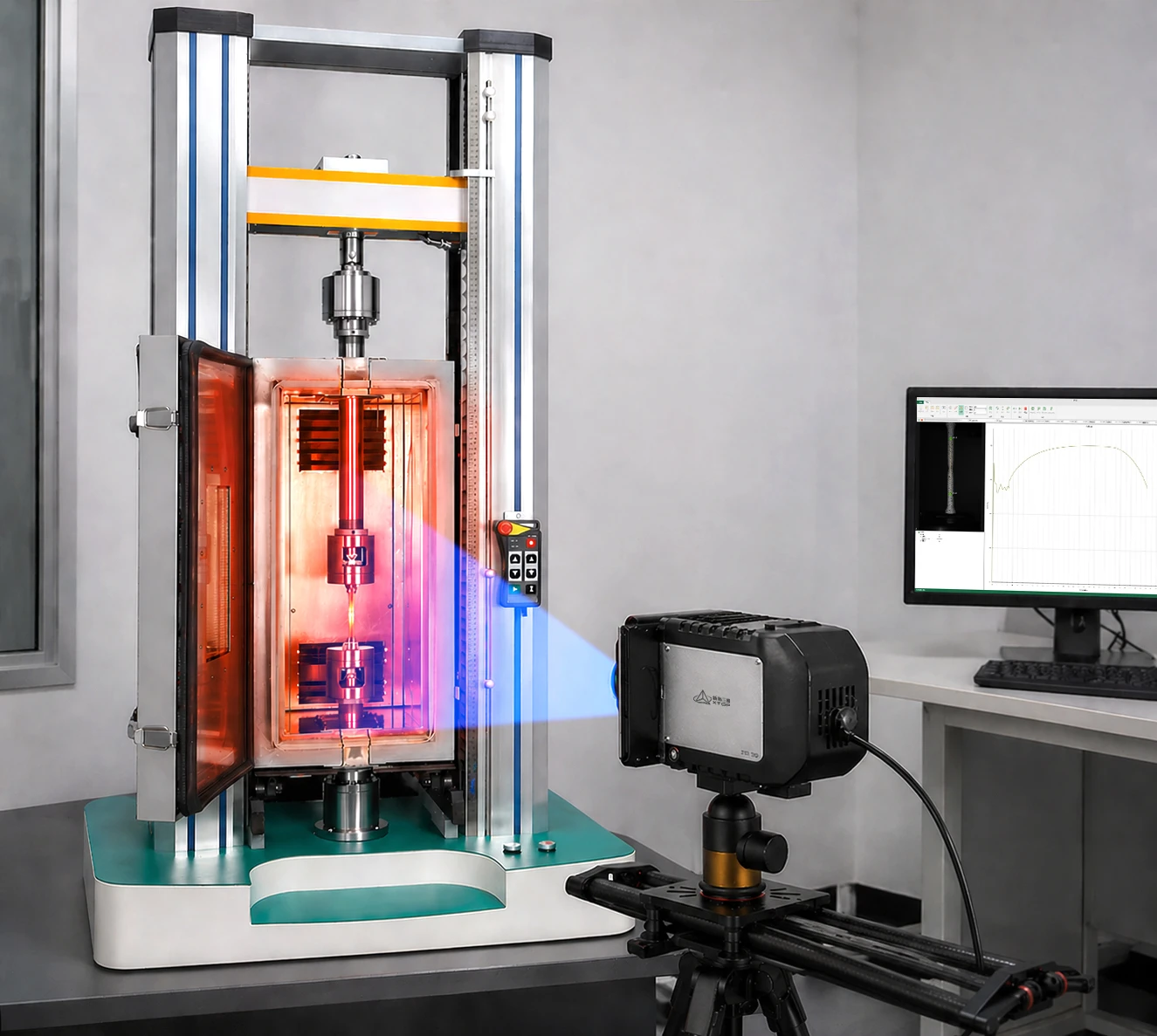
Digital Image Correlation (DIC) technology—leveraging advantages such as non-contact operation, full-field measurement, and strong environmental adaptability—enables the tracking of transient material deformation at high temperatures, making it a core tool for high-temperature experimentation. The XTOP3D XTDIC 3D full-field strain measurement system (and video extensometer) utilizes machine vision and DIC algorithms to provide high-precision, real-time, non-contact measurement. By optimizing optical systems, filters, and laser focusing techniques to suppress high-temperature interference, the system delivers stable, reliable performance and is suitable for scenarios where traditional extensometers are impractical.
Challenges and Solutions for High-Temperature Testing
Non-contact measurement faces three core challenges in high-temperature environments; XTOP3D provides targeted solutions for high-temperature deformation measurement:
(I) Thermal Radiation Interference: Improving Image Signal-to-Noise Ratio
At temperatures exceeding 600°C, exponential increases in thermal radiation cause white-light imaging to fail. XTOP3D employs a system combining active blue-light illumination with narrowband filtering to suppress interference. NIST (2023 report) verified that 450nm blue light has 40% lower thermal radiation penetration than red light, significantly enhancing image contrast and ensuring measurement accuracy.
(II) Heat Flow Disturbance: Eliminating Optical Distortion
Air refractive index gradients at high temperatures cause image distortion; *Acta Optica Sinica* confirmed that, without mitigation, image displacement reaches 30 pixels at 1200°C. XTOP3D utilizes a dual strategy—inert gas filling or vacuum environments (residual pressure ≤0.1 Pa) combined with bidirectional visual correction—which *Experimental Mechanics* verified can improve measurement accuracy by 90%.
(III) Speckle Failure: Addressing Oxidation, Peeling, and Discoloration
Conventional speckle coatings tend to oxidize above 800°C and degrade at 1500°C. XTOP3D’s specialized high-temperature coating (formulated with composite powder and hydrolysate) withstands high temperatures and resists peeling after curing, ensuring the test proceeds smoothly.
Typical DIC Application Cases in High-Temperature Environments
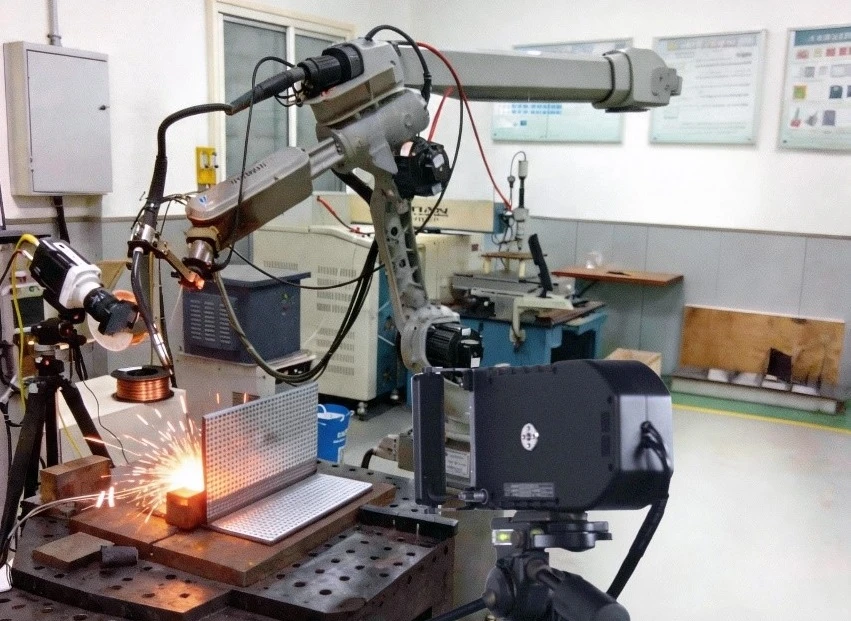
High-Temperature Welding Deformation Testing (>1000°C)
By using XTOP3D’s specialized high-temperature speckle patterns and high-resolution DIC cameras, accurate DIC algorithm calculations and precise welding deformation measurements are maintained, even if the speckle pattern undergoes slight degradation.
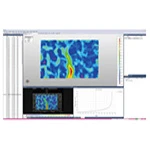
Strain and displacement field distribution maps of a thin sheet during high-temperature welding (Note: Clearly illustrates deformation patterns around the weld seam)
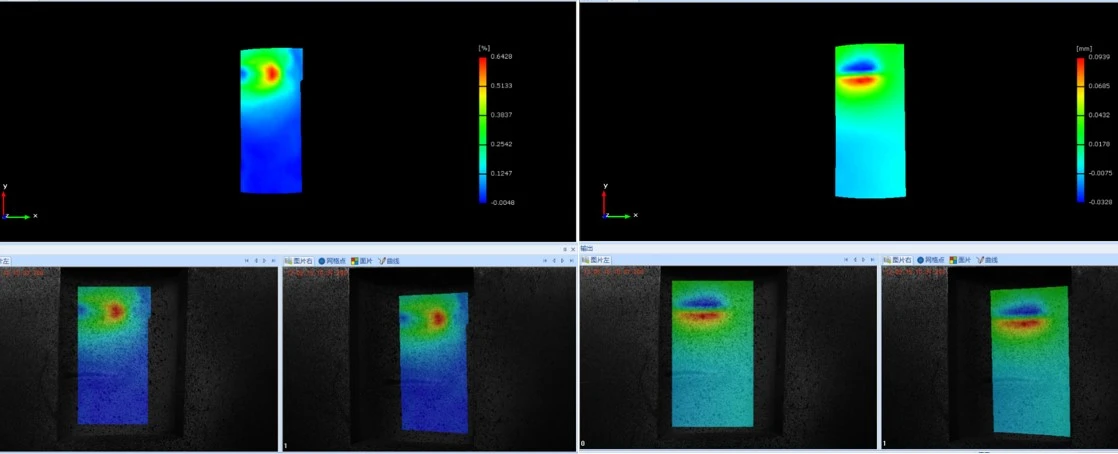
Strain and Displacement Fields of Thin Sheets During High-Temperature Welding
Comparison plot of DIC experimental measurements and finite element simulation data (Note: trends are consistent, deviation ≤5%, confirming reliability)
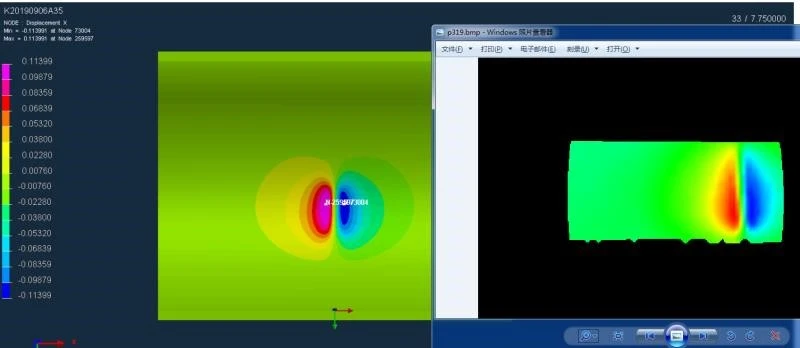
The trends observed in the actual DIC measurements are generally consistent with the finite element analysis results.
High-temperature tensile testing of composite materials
Composite materials are widely used in critical thermal protection components for engines, operating at temperatures ranging from 1500°C to 2500°C. The XTP3D DIC system employs a combination of ultra-short exposure, a high-power blue light source, and optical filters to effectively suppress thermal radiation and ensure high image quality.
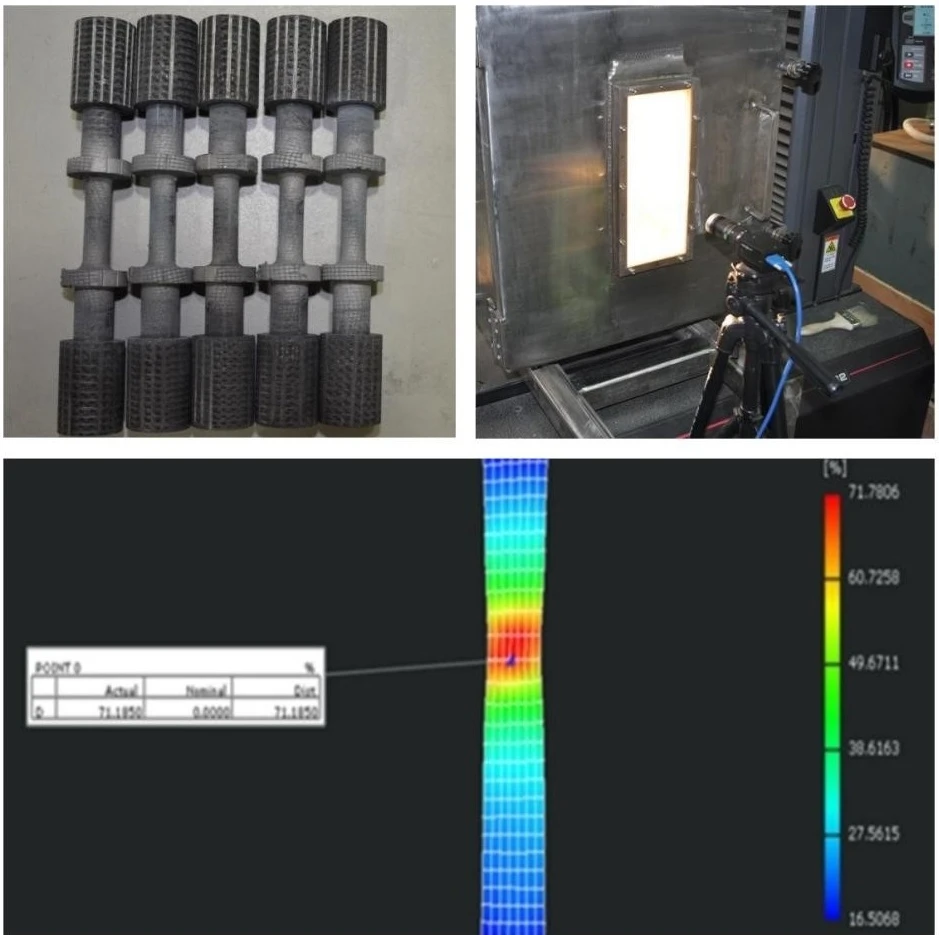
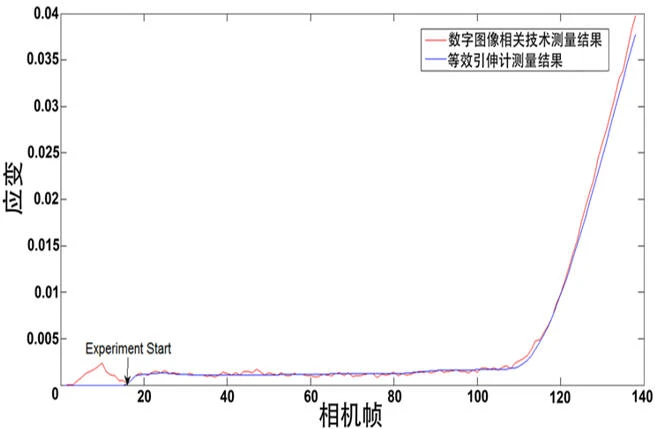
High-temperature tensile measurement of carbon-carbon composites
Typical High-Temperature Application Cases of XTOP3D Video Extensometers
High-Temperature Compression Testing of Specialized Carbon Fiber Composites
During compression tests conducted between 800°C and 1200°C, XTOP3D’s off-white high-temperature adhesive for speckle patterning and a coaxial lighting system were employed to overcome issues such as optical path obstruction and speckle delamination, enabling the clear capture of speckle features.
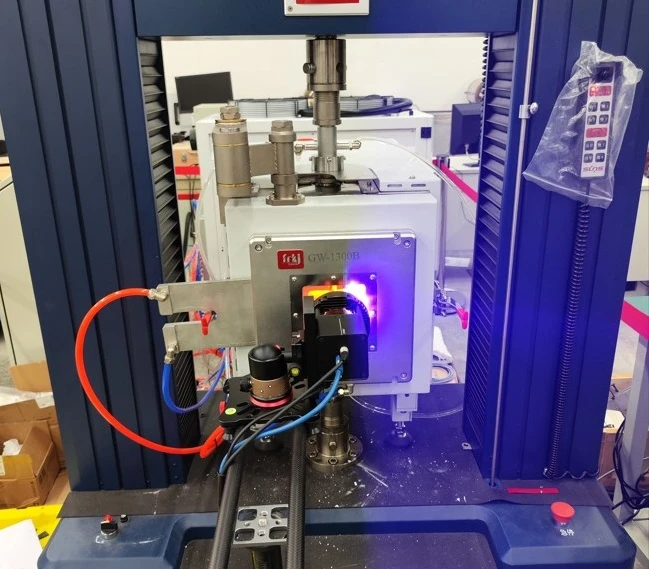
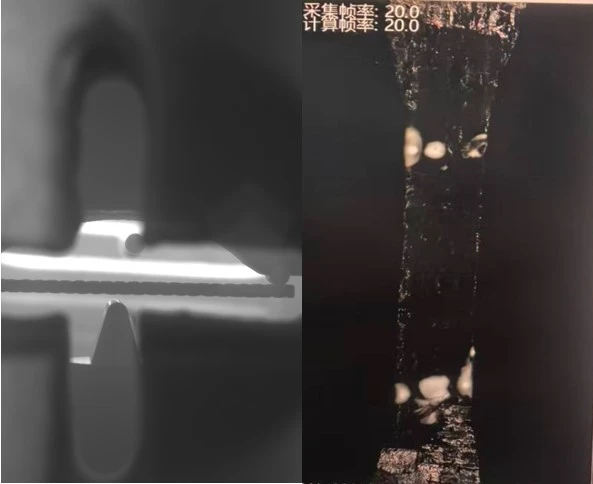
Verification of Coaxial Lighting Advantages
Left: Saturation failure with conventional lighting
Right: Clear identification of speckle patterns with XTOP3D coaxial lighting
Using XTOP3D XTDIC-VG video extensometer software, 3D displacements are calculated and deflection is precisely measured in real time; a curvature model is established to reveal the weakening behavior of the fiber/matrix interface.
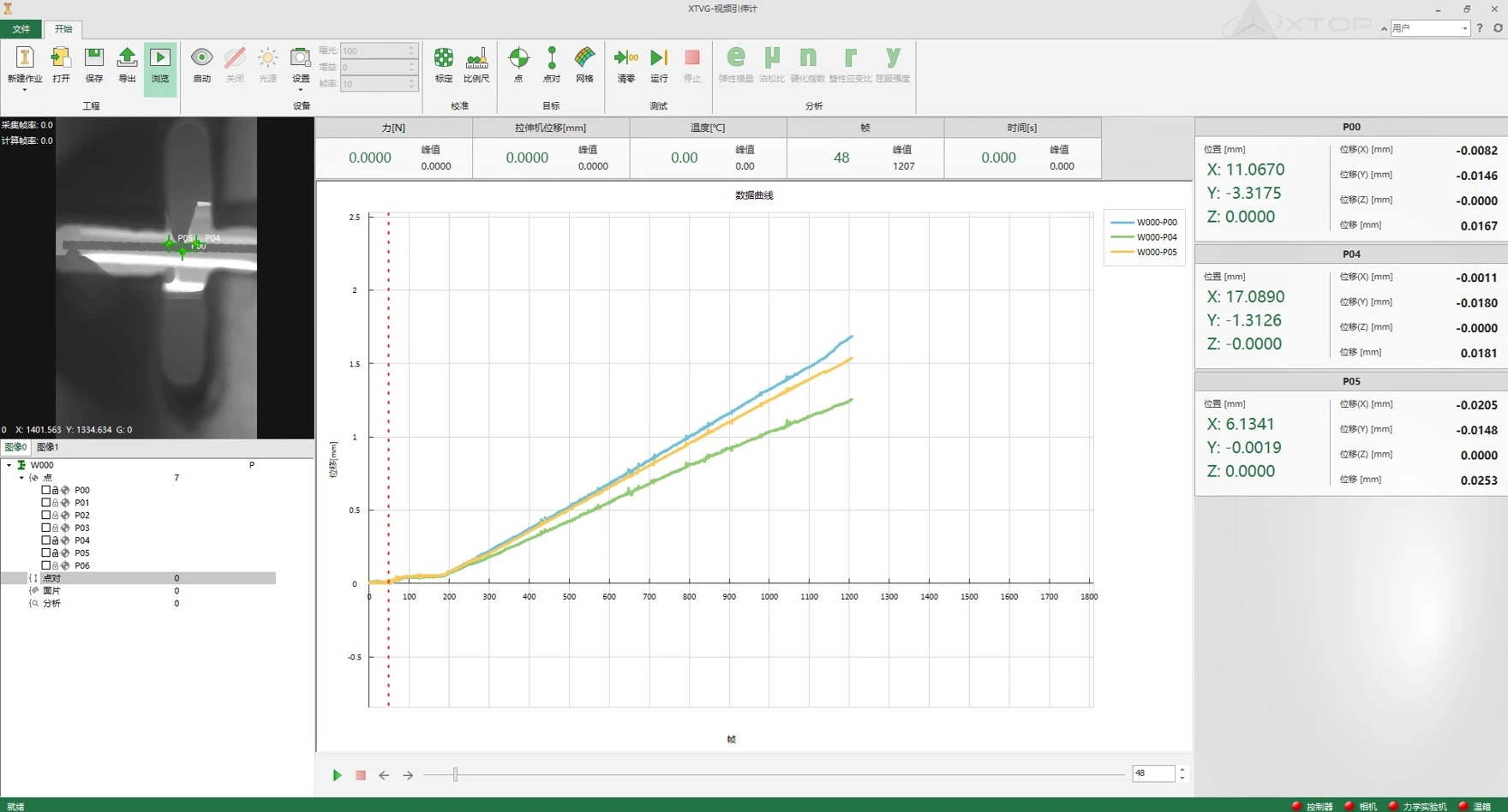
Graphs of deflection and curvature variation
High-Temperature Tensile Testing of Specialized Carbon Fiber Composites
For tensile and creep tests conducted at temperatures exceeding 1000°C, the XTOP3D monocular video extensometer is designed to fit narrow furnace windows; utilizing high-temperature durable speckle patterns alongside optical filtering and supplementary lighting technologies, it captures and analyzes displacement and strain data in real time.
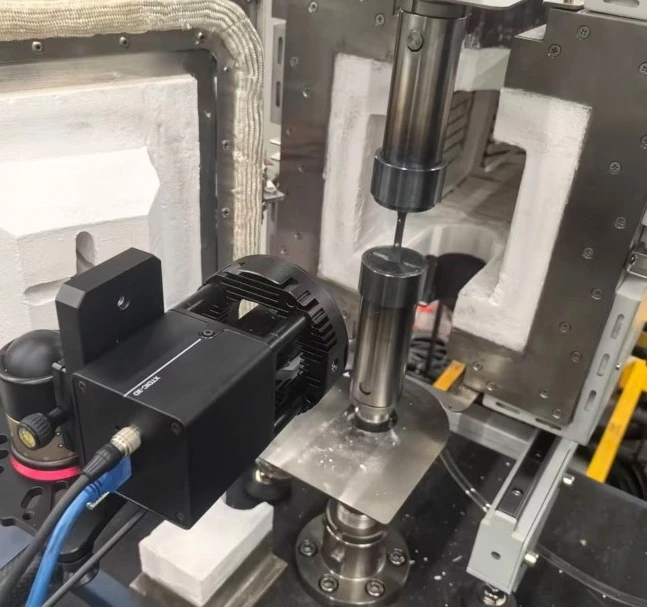
XTOP3D Monocular Video Extensometer
Using XTDIC-VG software, the deformation and strain localization bands were analyzed and the strain field prior to fracture was captured; the matrix-dominated failure mechanism was verified, demonstrating the precision and reliability of the XTOP3D equipment.