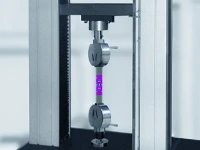
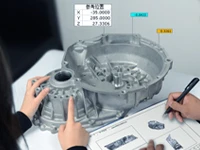
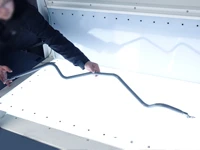
Structural stress-strain testing is a key technique for determining internal stress distribution by measuring the deformation (strain) of materials or structures under load; it is widely used in engineering safety assessment, design validation, and quality control. The test relies on Hooke's Law (σ = ε·E)—which establishes a linear relationship between stress and strain—by using high-precision sensors to acquire strain data and subsequently calculate stress values.
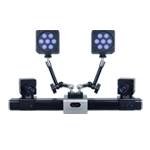
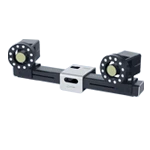
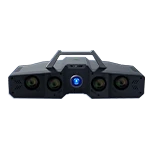
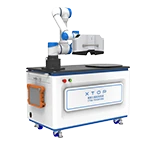
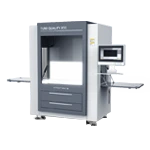
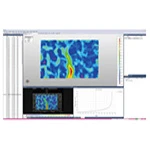
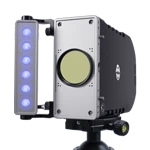
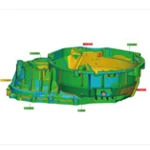
The XTOP3D XTDIC 3D full-field strain measurement system employs stereo matching and 3D reconstruction by tracking speckle patterns or feature patterns on an object's surface. This enables the dynamic measurement of full-field 3D coordinates, displacements, and strains on the surface during deformation. Below is an introduction to the principles of Digital Image Correlation (DIC) technology and a comparison of its advantages:
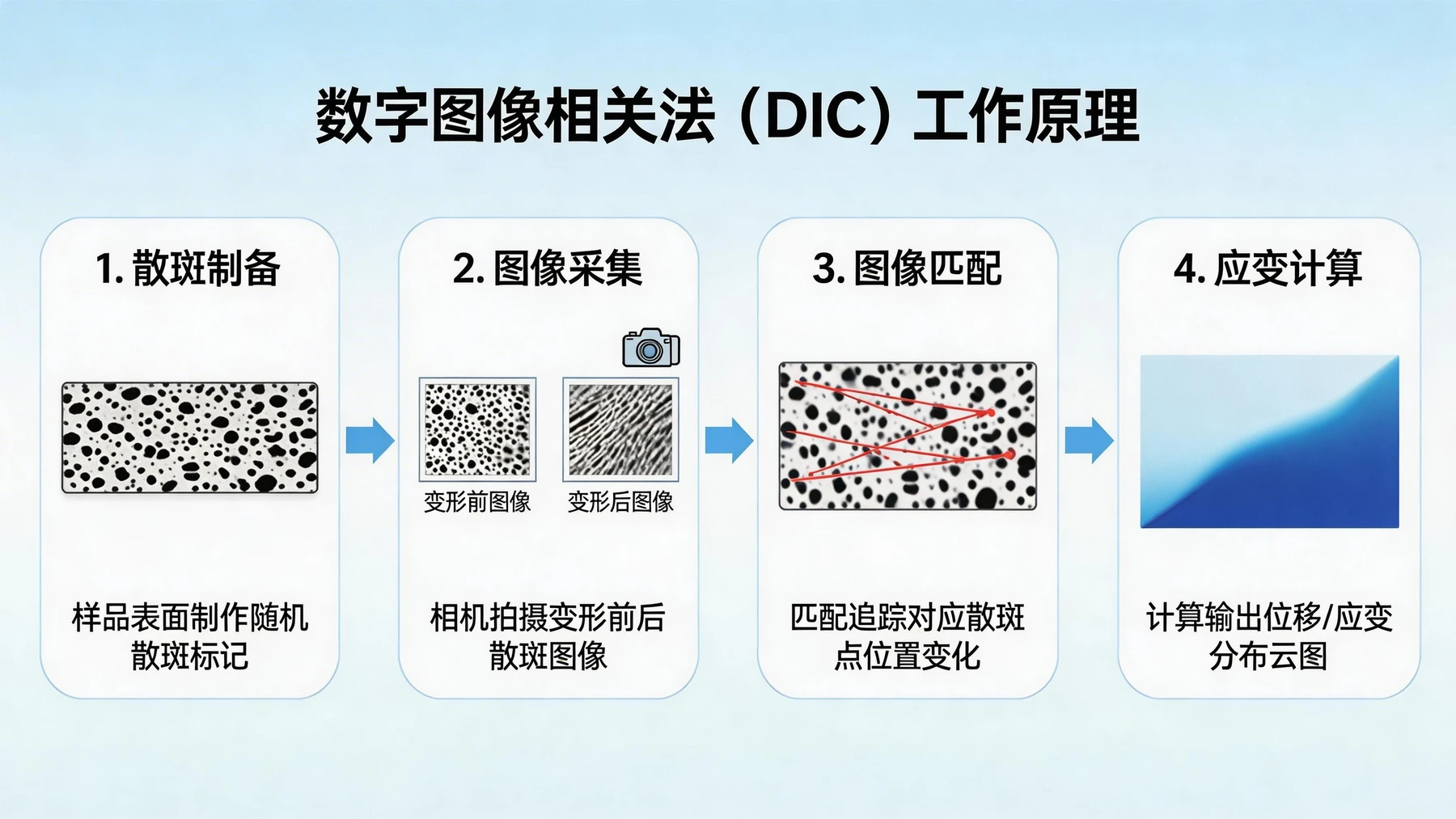
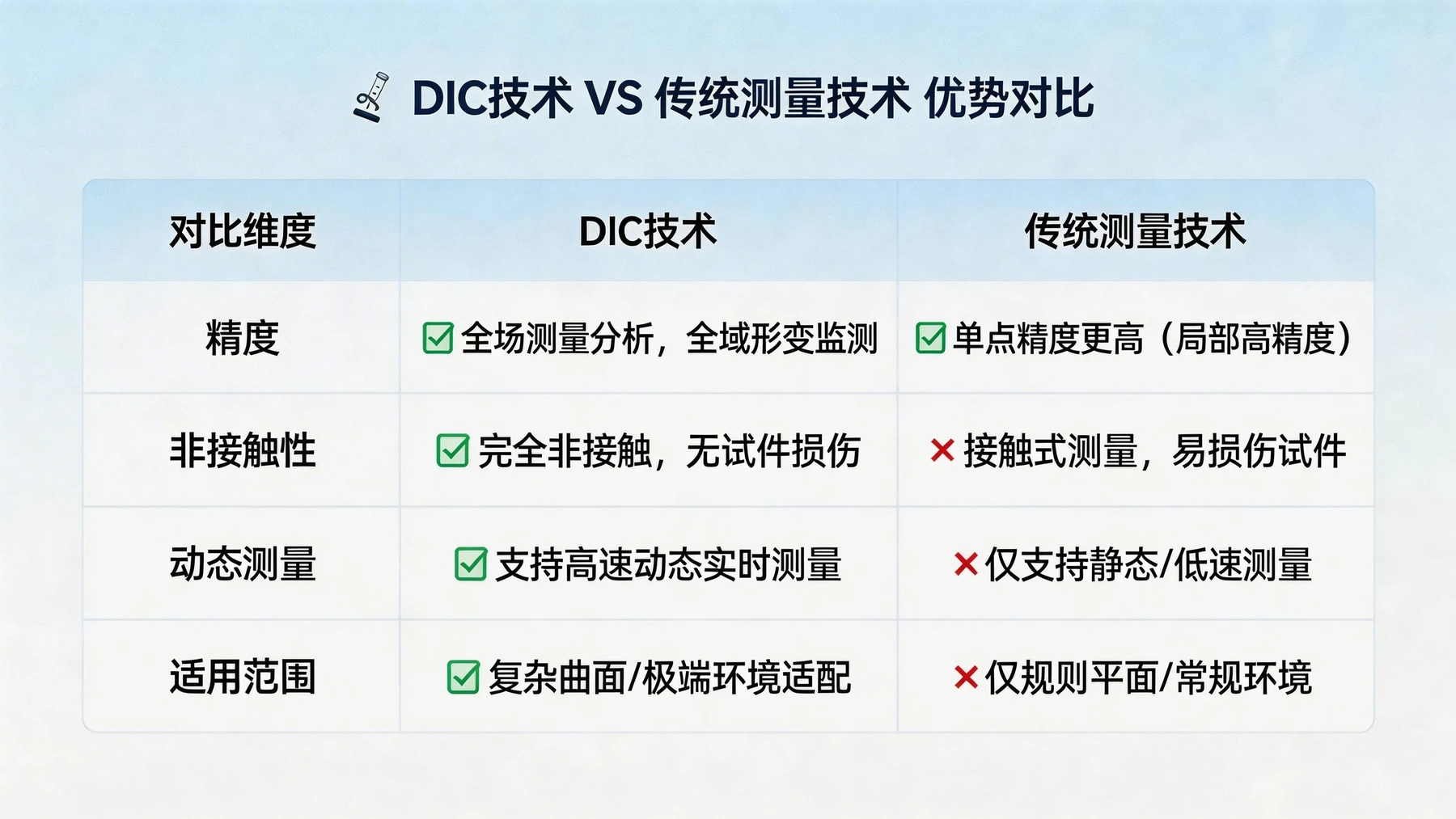
Typical application scenarios for DIC technology
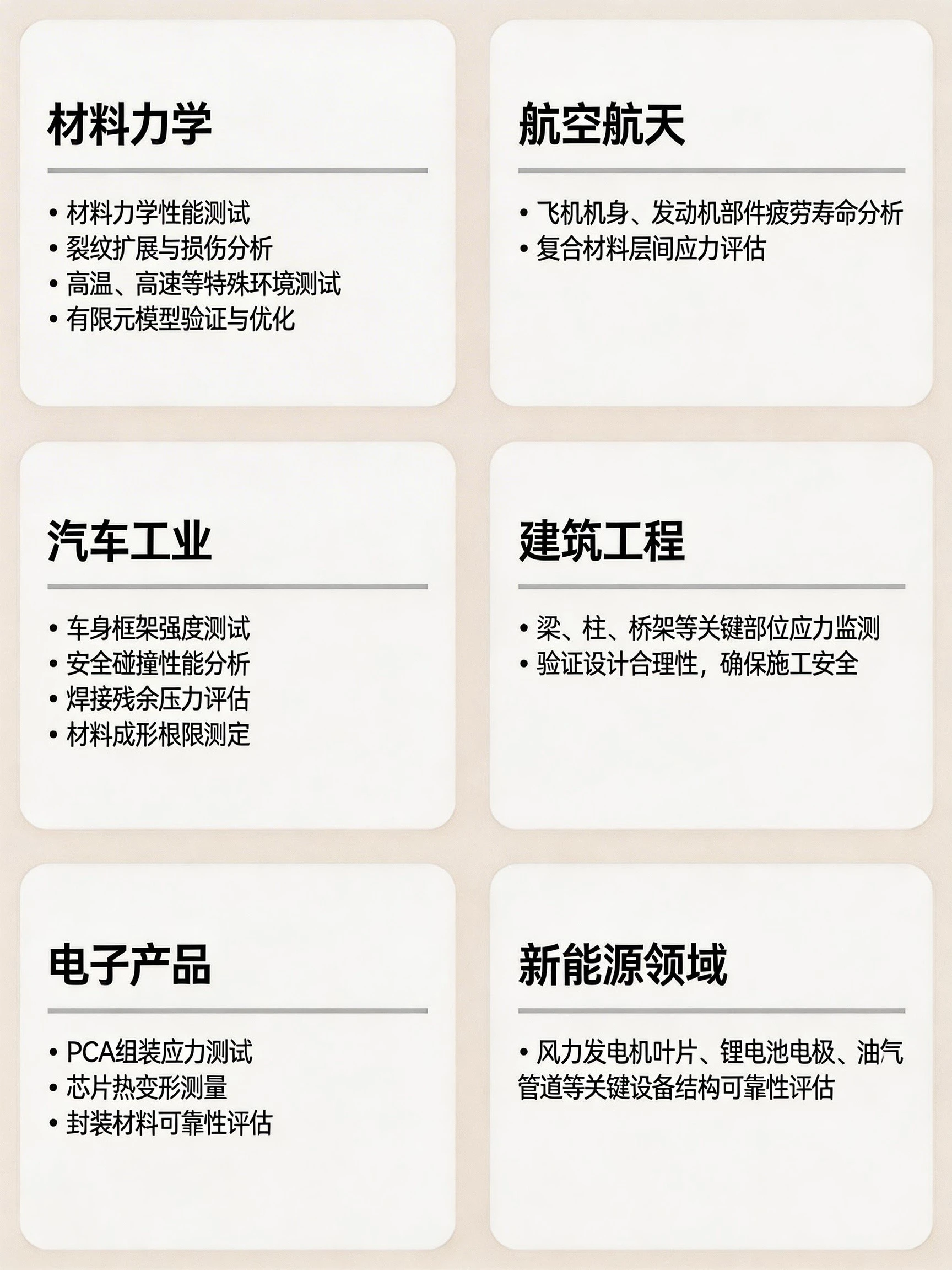
Specific typical applications introduction
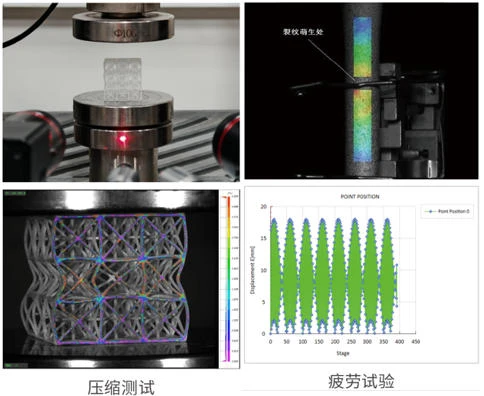
Material Testing
Tensile, compressive, flexural, and shear testing; precise acquisition of displacement and strain distribution under load
Large-deformation measurement; accurate identification of points of maximum deformation and failure locations
Crack propagation and damage analysis; identification of damage modes such as delamination and fiber breakage
Testing in special environments (e.g., high temperature, high speed)
Multiphysics coupling analysis: coupled temperature-strain measurement and modal data fusion
Finite element model validation and optimization
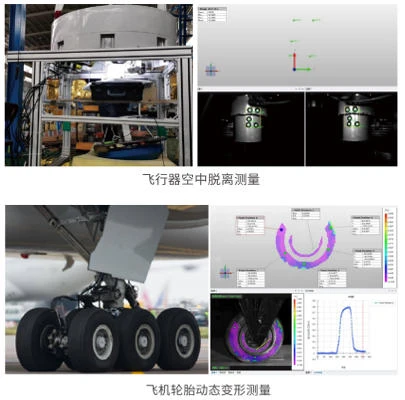
Aerospace
Measurement of large deformations and precise identification of failure locations for materials and components under extreme conditions (high temperatures, high-speed airflow);
Monitoring of wing operational status, including analysis of the vibration and displacement of key surface markers under actual operating conditions;
Analysis of damage initiation and propagation in composite structures (wings, fuselages, engine components);
Testing of shear and fatigue properties for critical joints (riveted and bonded connections);
Validation and optimization of finite element models (for structural strength and aeroelastic analysis of complete aircraft or components).
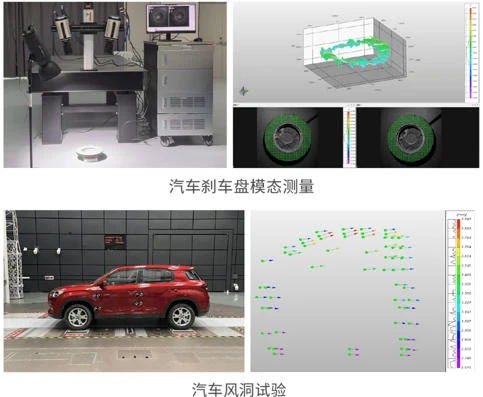
Automotive Industry
Measurement of full-field strain/displacement and localization of failure points during bending and torsional rigidity testing of vehicle body structures (body-in-white, chassis components) and large-deformation crash simulations;
Testing of forming limits, tensile/compressive properties, and joint performance (welding, riveting, bonding) for lightweight materials (high-strength steel, aluminum alloys, composite materials);
Analysis of large deformations and failure modes during safety tests—such as crush and nail penetration tests—for power battery packs;
Fatigue life prediction and multi-physics coupling analysis (e.g., thermo-mechanical coupling) for chassis components (suspension systems, steering knuckles).
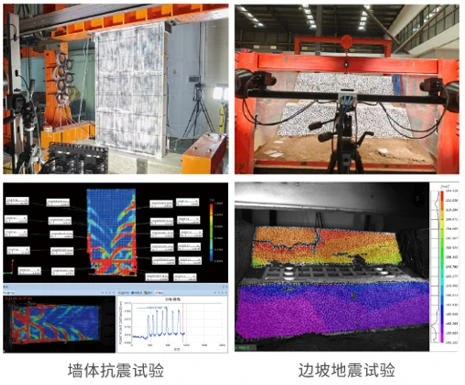
Civil Engineering
Static and dynamic (e.g., seismic) bending and shear testing of large-scale structural components (steel beams, columns, and joints; concrete beams, slabs, and walls);
Full-field deformation monitoring of large-scale structures (bridge models, structural joints) to accurately identify points of maximum deflection and plastic hinge locations;
Analysis of damage evolution (crack initiation and propagation) in novel construction materials (FRP composites, high-performance concrete);
Physical model testing using similitude materials—test results serve as a vital bridge connecting theory with practice and research with engineering applications;
Evaluation of structural strengthening effectiveness; use of model test results to validate complex finite element models.
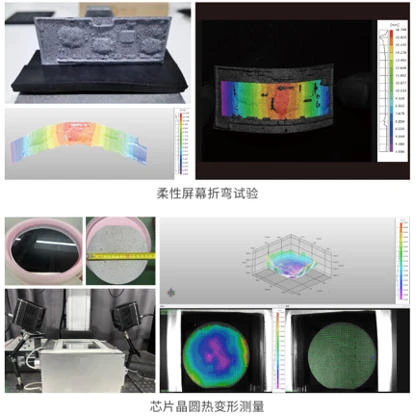
Electronics and Semiconductors
Measurement of micro-deformation and warpage in micro-components (chips, solder joints, lead frames, connectors) under thermal cycling and mechanical loads (bending, vibration);
Bending and twisting tests and failure analysis of circuit boards (e.g., solder joint cracking, substrate delamination);
Thermo-mechanical coupled stress analysis of packaging structures;
Capture of transient large deformations and identification of failure locations during drop tests;
Research on the large-deformation behavior (stretching, bending) and durability of flexible electronics (wearable devices, flexible screens).
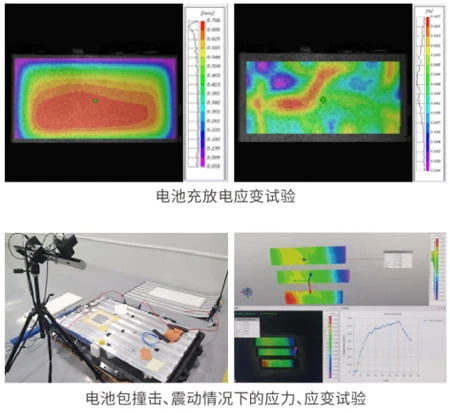
New Energy Sector
Power Batteries:
Monitoring of large-scale deformation in cells, modules, and packs under conditions such as crushing, nail penetration, and overcharge/over-discharge;
Measurement of expansion and contraction (large deformation) during charge-discharge cycles;
Analysis of delamination and cracking in electrode material coatings.
Wind Power:
Static and fatigue load testing (bending, torsion) of large composite blades; full-field strain distribution measurement and tracking of damage (delamination, cracking) propagation; analysis of complex stress states in blade root connections.
Photovoltaics:
Analysis of deformation, warping, and cracking in solar cells under thermal and mechanical loads;
Analysis of large deformation and stability of mounting structures under wind and snow loads.
DIC technology represents a major breakthrough in full-field deformation measurement for materials and structures. By transforming complex, abstract mechanical behaviors into intuitive, precise, and comprehensive full-field data, it has significantly deepened the understanding of product performance and failure mechanisms among researchers and engineers, establishing itself as an indispensable tool in modern engineering testing, scientific research, and product development. With continuous improvements in hardware performance and ongoing algorithmic optimization, DIC technology is poised to play a role in an even wider range of fields, driving progress in materials science and engineering technology.