The "three electric systems"—battery, motor, and electronic control—constitute the most fundamental and core components of new energy vehicles; the battery determines the driving range, while the electronic control system acts as the vehicle's nervous system, governing its operational capabilities. Ensuring the success of these technologies relies heavily on material properties, component load-bearing performance, and structural integrity—factors that demand robust design analysis theories and experimental validation processes. Consequently, the application of Digital Image Correlation (DIC) technology has emerged as a significant trend.
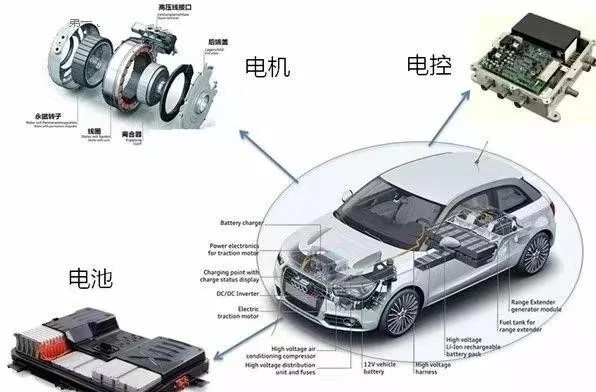
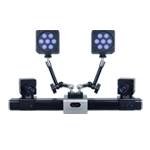
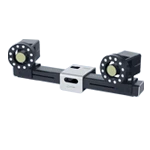
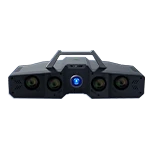
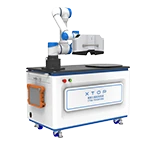
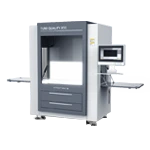
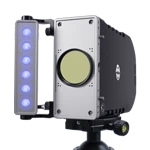
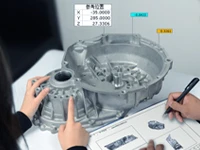
The XTOP3D DIC 3D strain measurement system is designed to analyze the mechanical properties of various materials and measure the 3D topography, displacement, strain, and deformation of components—including the structural deformation and strain of new energy vehicle battery materials. Unconstrained by the geometric shape of materials or components, the system enables mechanical performance testing under actual operating loads.
Mechanical Testing of New Energy Vehicle Batteries
Batteries play a pivotal role in the performance, driving range, and lifecycle of electric vehicles. Safety, service life, performance, and cost are the key factors determining the successful development of battery technology. Understanding and controlling battery characteristics is essential across every stage, from material R&D and production to final testing.
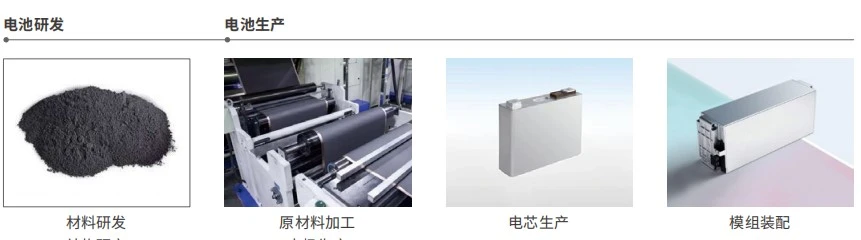
Mechanical Properties of Materials
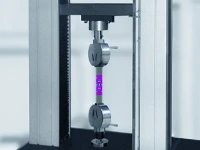
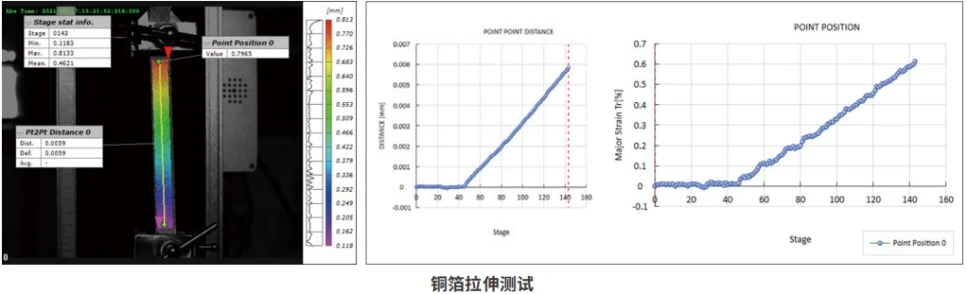
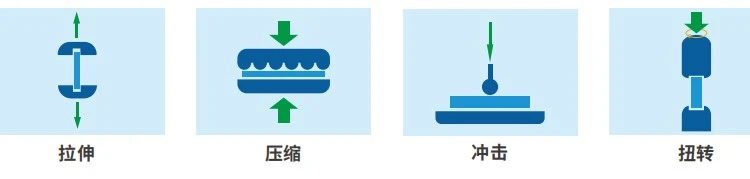
As the core component of new energy vehicles, the safety and quality of power batteries are paramount, presenting new challenges for the R&D and quality control of their materials and electrode sheets. Xintuo 3D possesses extensive experience in testing the mechanical properties of battery materials; utilizing a range of testing equipment, the company conducts various tests, including tensile and compression testing.
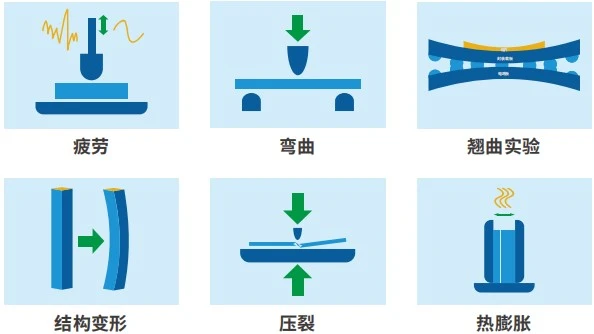
Batteries come in various sizes and shapes, and their structural designs are susceptible to risks such as short circuits and "thermal runaway" caused by factors including mechanical damage, material quality, manufacturing defects, and temperature fluctuations. Consequently, addressing the challenges of battery operation in extreme environments and developing cutting-edge energy storage materials necessitate higher standards for mechanical performance. XTOP3D utilizes a range of testing equipment to conduct comprehensive tests covering warpage, structural deformation, fatigue, and more.
The performance of lithium-ion battery separators determines key factors such as the battery's interfacial structure and internal resistance, directly influencing characteristics like capacity, cycle life, and safety; high-performance separators play a crucial role in enhancing the battery's overall performance.
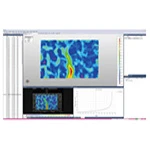
The XTOP3D XTDIC full-field stress-strain measurement system is designed for mechanical testing of lithium battery separators. Typical applications include measuring tensile strength, elongation, puncture strength, and peel strength (for coated composite membranes). By providing full-field strain data, the system offers a comprehensive solution for lithium battery safety testing.
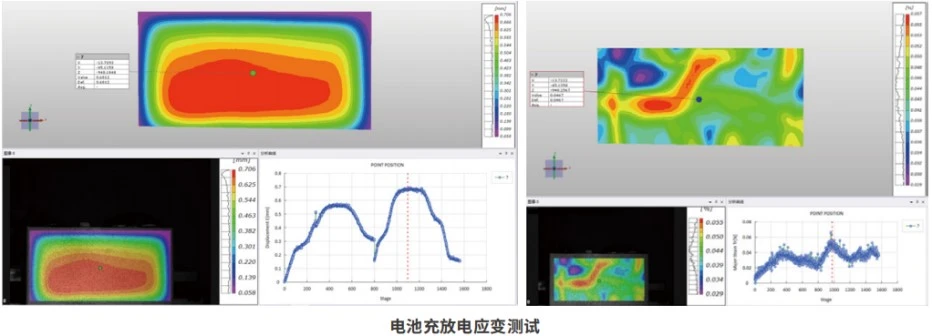
As a crucial component of battery performance testing, charge-discharge testing requires quantifying the mechanical deformation of battery electrodes and separators during the lithiation process. By analyzing correlated 3D images to derive displacement and strain fields during deformation, valuable insights are gained to support battery design optimization and even the development of next-generation batteries.
Battery pack strain test
Power batteries are the core components of electric vehicles and directly affect the safety and user experience of the entire vehicle. As an important outer shell that protects the inside of the battery from damage such as crushing, puncture, etc., the battery pack must be quite strong. In order to test the safety of the battery pack in the face of collision, extrusion, mechanical impact, drop, vibration, etc., it is particularly important to conduct a series of safety tests for the battery pack.
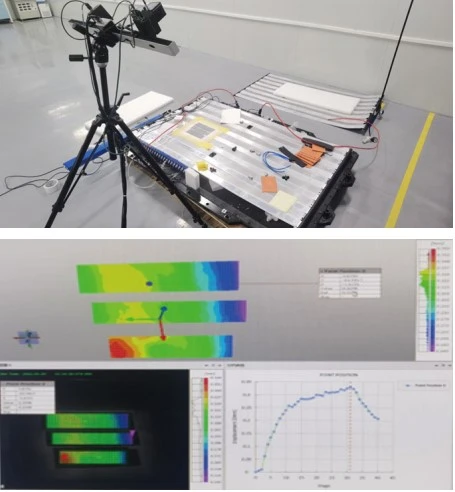
Battery Tray Strain Testing
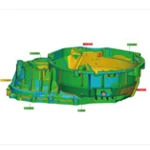
The XTDIC 3D full-field strain measurement system enables the testing of the mechanical properties of battery tray materials. As a critical protective component for the battery, the tray is subject to collisions and impacts; the XTDIC system allows for the analysis of deformation behavior under these conditions.
Mechanical Testing of New Energy Vehicle Electronic Control Units
The electronic control unit (ECU) manages energy flow between the battery and the motor, serving as the energy hub of every battery-powered vehicle. To enhance the efficiency and reliability of electronic components, strict quality control is required for semiconductors and printed circuit boards (PCBs) across various precision grades.
Semiconductors
Semiconductors are widely distributed throughout automotive control and power management systems, effectively acting as the "brain" of the vehicle's electronic architecture. As new energy vehicles become increasingly intelligent, they incorporate a greater number of sophisticated chips, necessitating corresponding improvements in both the quantity and quality of automotive-grade chips.
Thermal Deformation Measurement of Components
Inverter modules are mounted on a heat-dissipation platform; the temperature is gradually raised and held at a stable level for a set period before discharge occurs. The test measures the deformation of the substrate material beneath the leads of the inverter's electronic components.
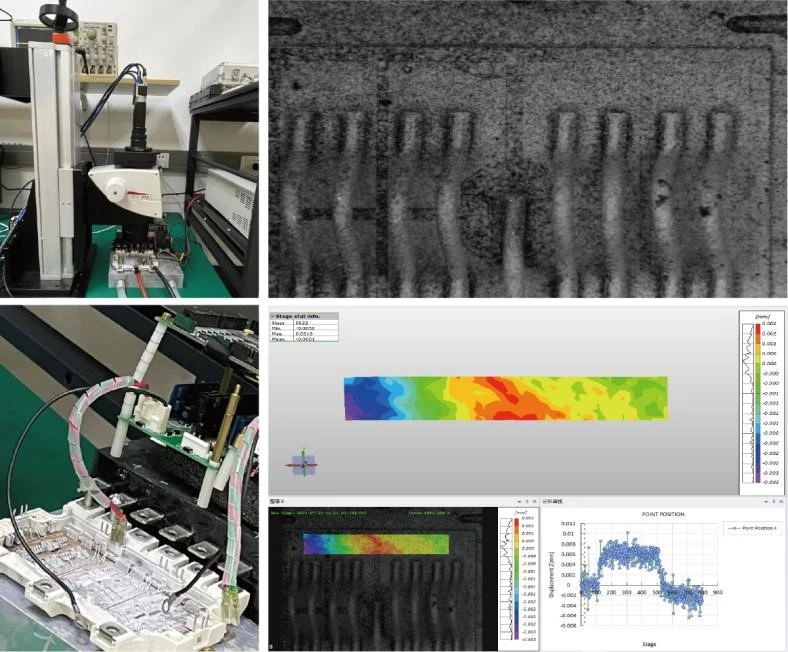
In-plane strain of copper foil on ceramic substrates for printed circuit boards (PCBs)
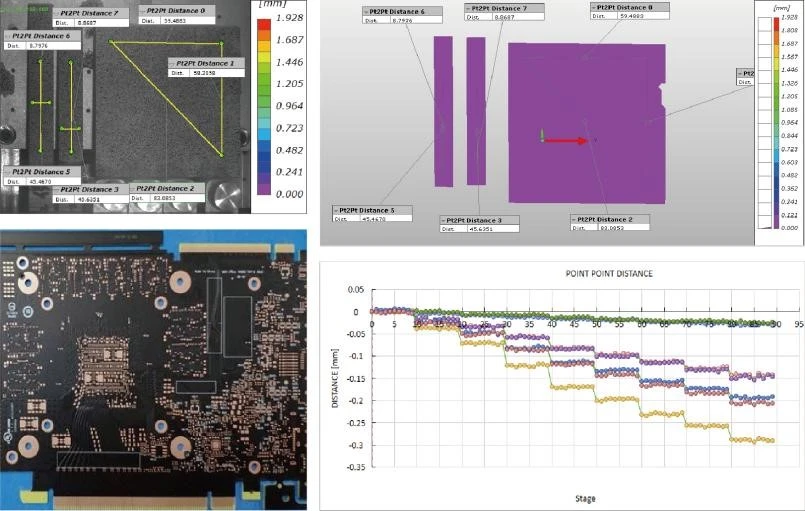
During manufacturing and testing, PCB materials are subjected to varying degrees of stress. Since component solder joints are highly sensitive to strain-induced failure, excessive strain—regardless of the specific solder alloy, package type, surface finish, or laminate material—can lead to various failure modes; consequently, testing strain characteristics under harsh conditions is crucial.
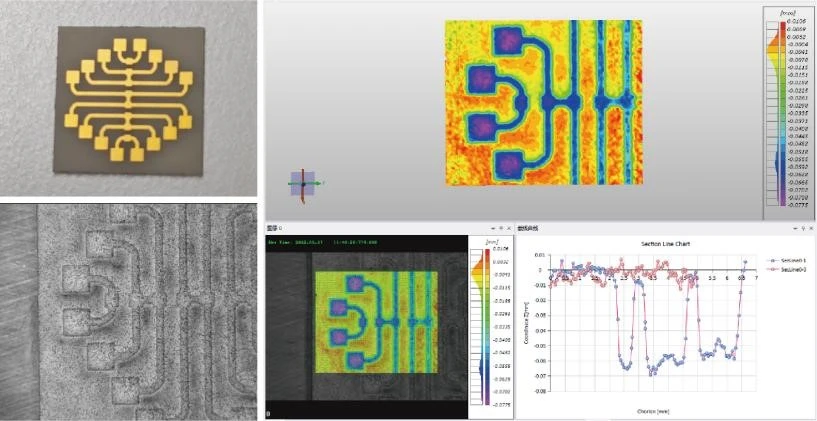
Printed Circuit Boards (PCBs)
As the number of electronic components grows and they are increasingly required to operate in harsh environments (involving factors such as temperature extremes and vibration), quality control and failure analysis have become essential. This is particularly critical for new energy vehicles and autonomous vehicles, where electronic systems are inextricably linked to safety.
High/Low-Temperature Thermal Expansion Testing
Measure surface deformation and strain on PCB boards during temperature cycling between -40°C and 150°C to analyze their coefficient of thermal expansion.
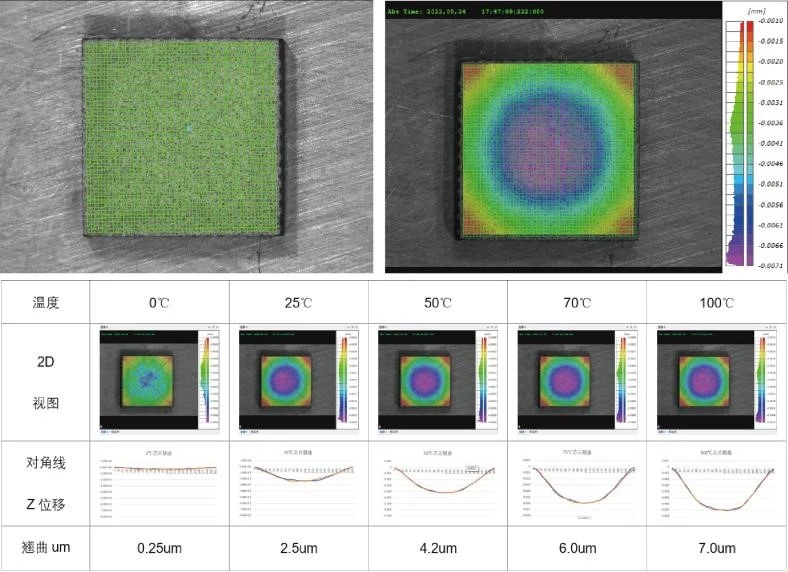
Chip Thermal Warpage Testing
Measurements are taken at the center and the four corners of the chip at constant temperature intervals of 25°C within the 0°C to 100°C range. This process tracks how the distance from points along the cross-section lines to the reference plane changes with rising temperature, allowing for an analysis of the variation patterns.
In the development of "Three-Electric" systems (battery, motor, and control systems) for new energy vehicles, DIC measurement data provides valuable insights into material properties and component performance—data that can be utilized for simulation and engineering manufacturing.
The XTOP3D series of DIC strain measurement solutions supports the analysis of material and structural mechanical properties within the new energy vehicle industry. These solutions help optimize product designs, enhancing safety while simultaneously improving vehicle performance and comfort.