Composite materials exhibit non-uniform and anisotropic properties, resulting in complex deformation behavior under load—behavior that traditional measurement techniques struggle to capture accurately or comprehensively.
As a practical and effective tool for measuring surface deformation, Digital Image Correlation (DIC) has been widely applied to characterize the deformation and damage behavior of composite materials, offering significant advantages in this regard.
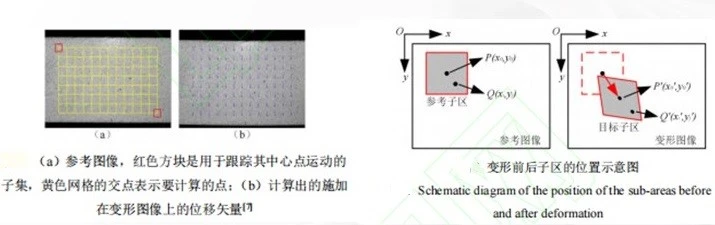
The advantages of using DIC technology for mechanical property testing of composite materials include the following:
Advantages of DIC Technology for Composite Material Mechanical Property Testing
1) Simple preliminary preparation and easy setup of the measurement apparatus;
2) Straightforward, fully digital data acquisition using standard CCD or CMOS cameras to capture images;
3) Requires only standard cold light sources for illumination; coherent light sources are unnecessary;
4) Non-contact, full-field measurement that does not disturb the surface deformation of the test specimen—a crucial feature for composite materials exhibiting complex deformation patterns.
Composite material structures come in various forms, including laminates, 3D braided reinforced structures, and continuous long-fiber unidirectional reinforced structures. As a non-contact measurement method, DIC is widely used to assess deformation and damage in composite structures.
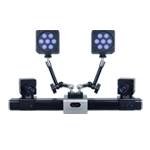
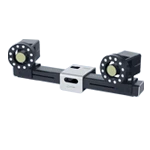
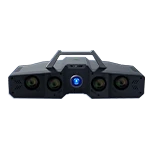
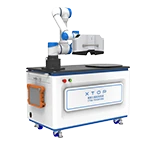
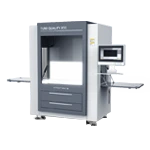
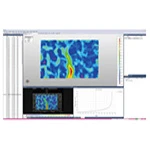
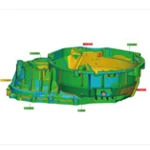
The XTOP3D XTDIC 3D full-field strain measurement system provides a clear, comprehensive visualization of stress concentration zones, strain gradient variations, and strain disparities across different ply orientations or material regions (e.g., in laminates or braided composites). This capability is vital for evaluating structural integrity and failure risks, as well as for design optimization.
Application of DIC Technology in Composite Material Testing
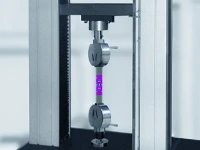
In mechanical property testing, the XTOP3D XTDIC 3D full-field strain measurement system is suitable for various loading conditions—such as tension, compression, bending, and shear. It enables continuous, comprehensive measurement of deformation and strain throughout the loading process, thereby accurately capturing mechanical property data.
Tensile Strain Measurement of Braided Composites
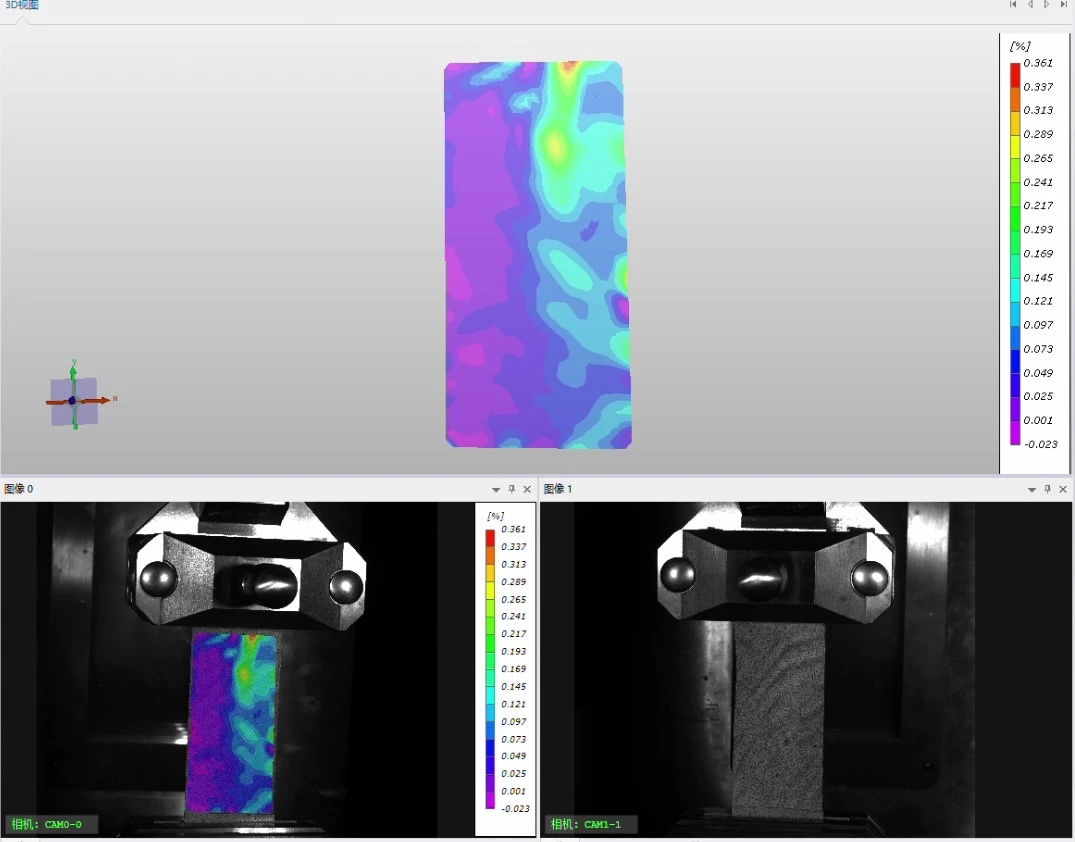
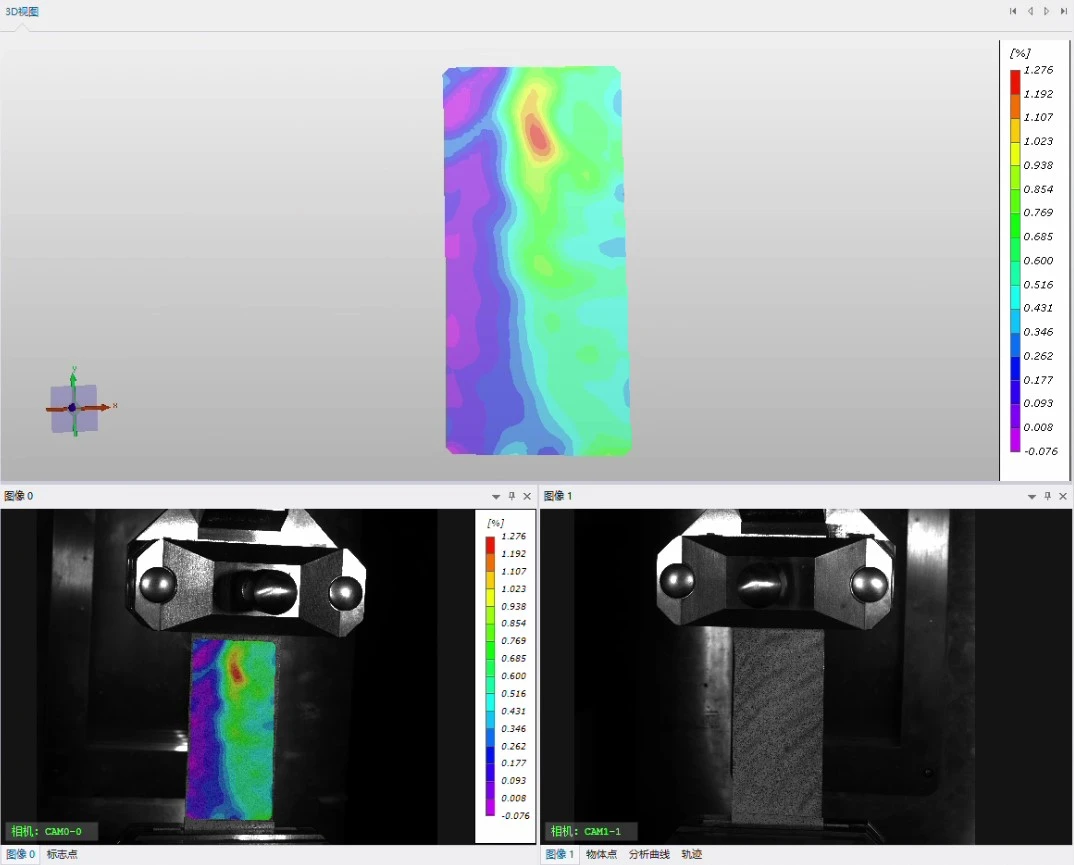
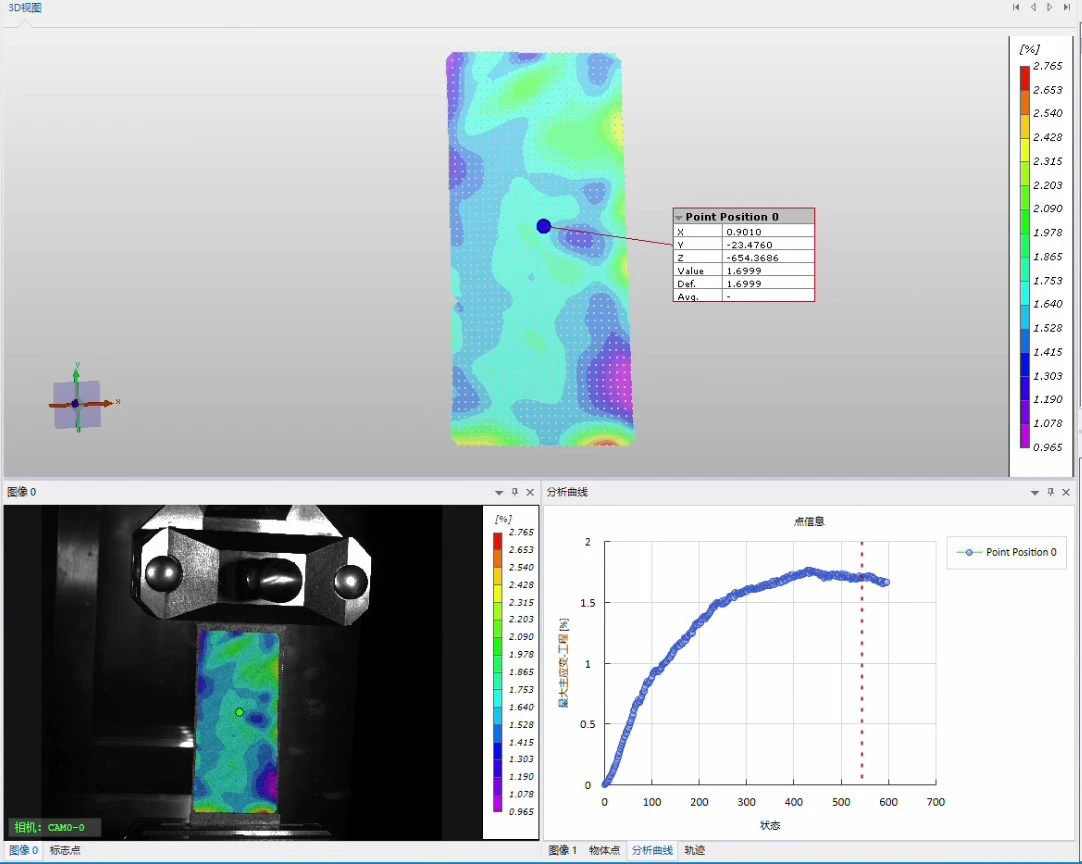
To address issues such as non-uniform strain fields in 3D braided composites under load—where strain data from small surface areas fail to accurately reflect the material's overall deformation—the XTDIC 3D full-field strain measurement system is employed to analyze unnotched tensile test specimens. Research results indicate that the strain field distribution in 3D braided composites is non-uniform under load, with significant variations in the magnitude of deformation. Non-contact, 3D full-field strain measurement can accurately capture the full-field strain of the tested specimens, providing precise strain data for the mechanical property testing of 3D braided composites.
Tensile Strain Measurement of Composite Open-Cell Sandwich Structures
Composite open-cell structures have emerged as transformative solutions in aerospace, automotive, and advanced engineering applications due to their exceptional strength-to-weight ratios, damage tolerance, and structural efficiency. These structures combine lightweight design with isotropic mechanical properties to ensure superior tensile strength-to-weight performance.
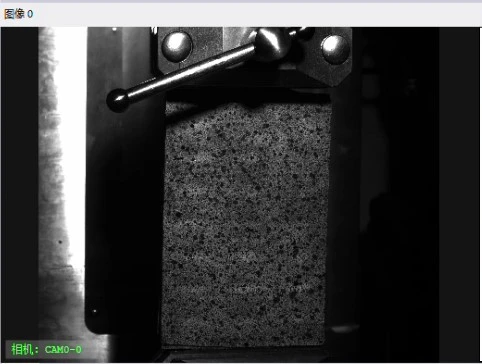
The XTDIC 3D full-field strain measurement system enables the monitoring of multi-directional strain variations at any location on the surface of these composite structures. As tensile loads increase, strain values rise; the system captures the overall strain field distribution, thickness reduction rates, and localized strain concentrations—the latter being closely linked to the intersecting regions of the open-cell architecture. The resulting test data provide valuable insights into the damage processes and failure mechanisms of composite open-cell structures under tensile loading.
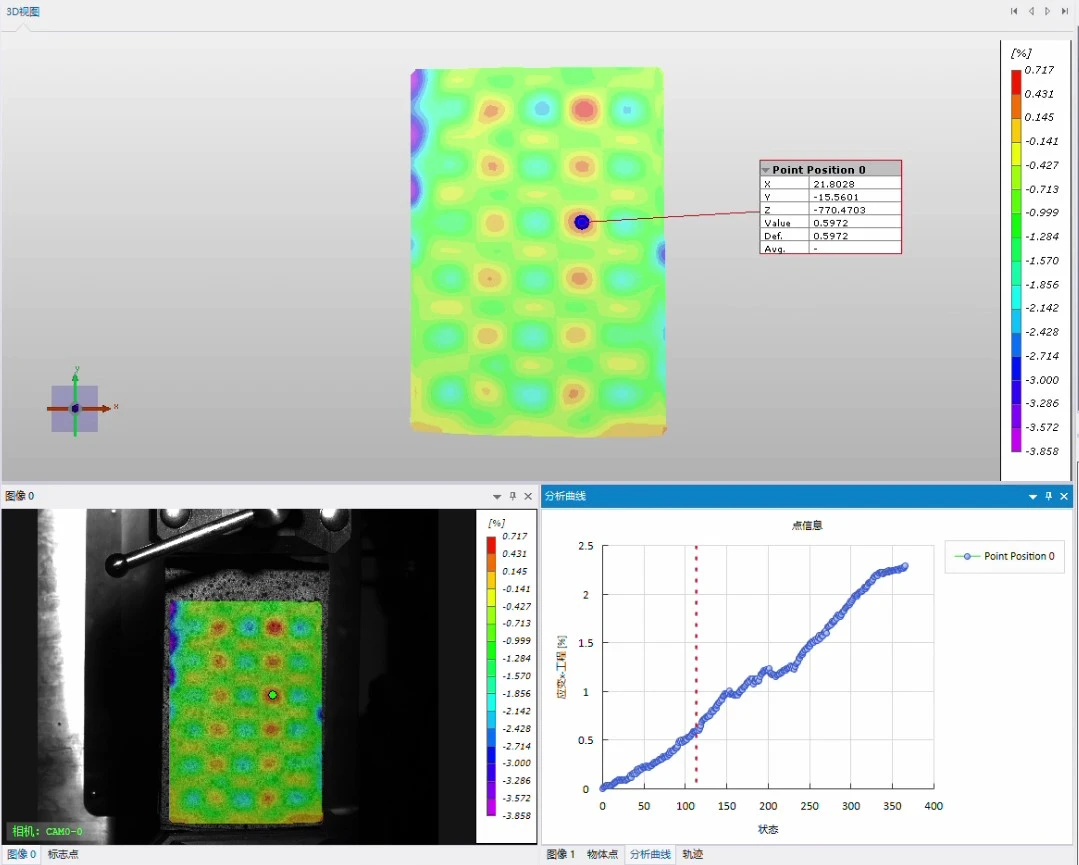
Strain in the X-direction
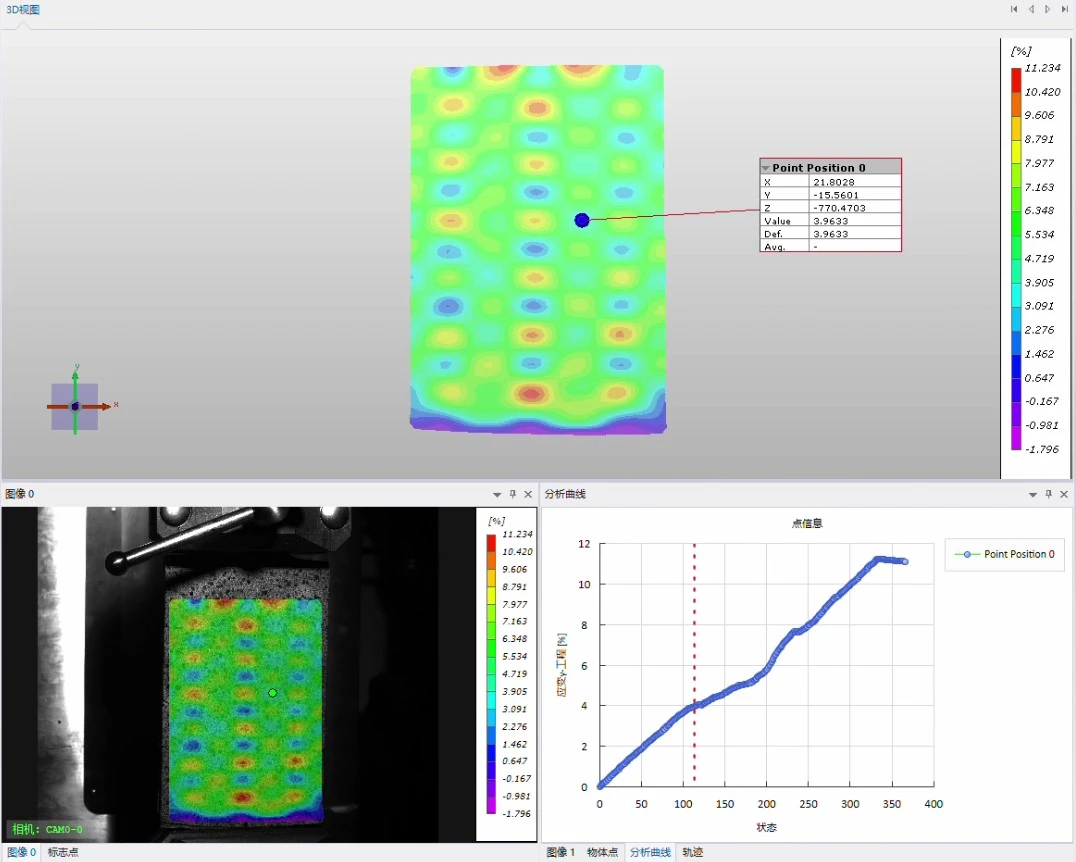
Y方向应变
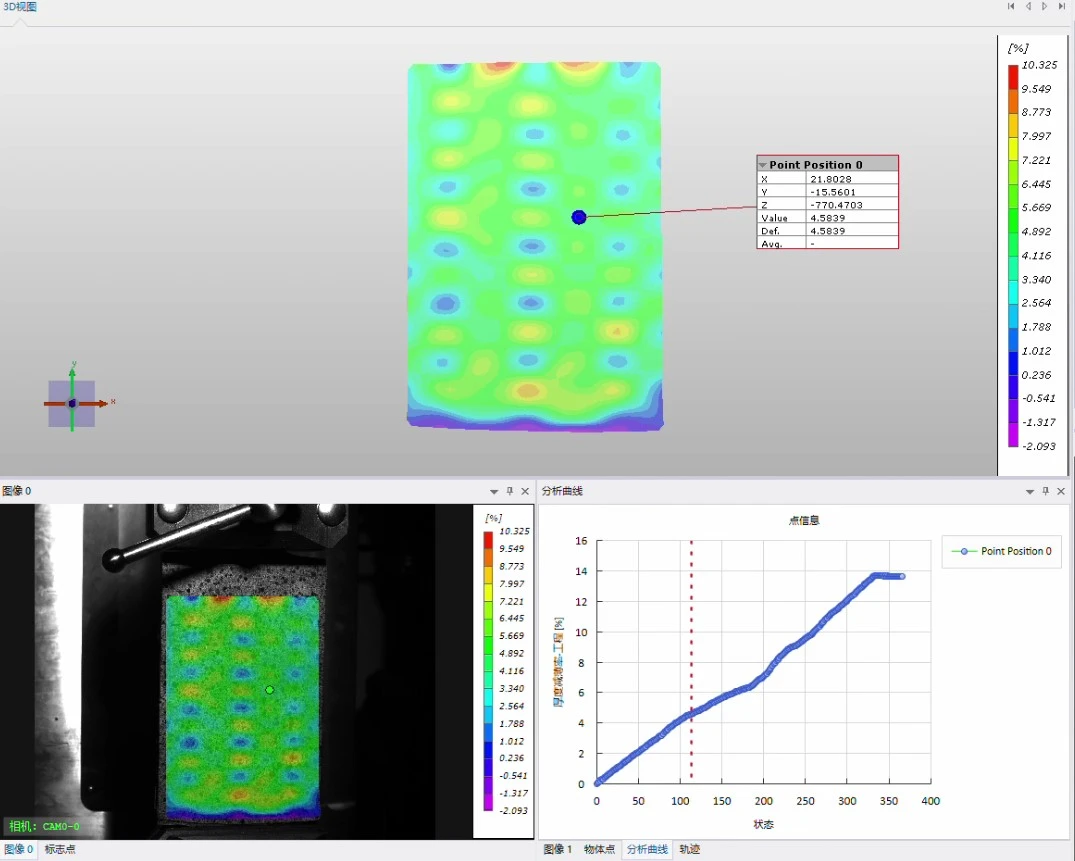
Thickness reduction rate
Tensile Testing of 3D-Printed Composite Structural Components
Traditional manufacturing processes for continuous carbon fiber composites suffer from low efficiency, high costs, and difficulties in forming complex structures; in contrast, 3D printing technology has emerged as a promising solution due to advantages such as high design freedom and low material waste. However, the synergistic effects of printing paths and fiber content on the mechanical properties of these composites remain unclear.
Through axial tensile testing of 3D-printed composite structural components, the XTDIC 3D full-field strain measurement system analyzes displacement and strain fields, as well as plastic deformation and elastic modulus. This work provides experimental evidence and theoretical support for the engineering application of 3D-printed composites.
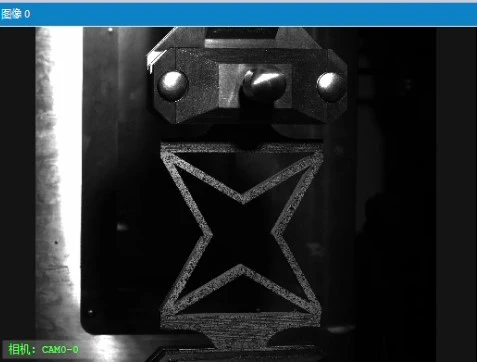
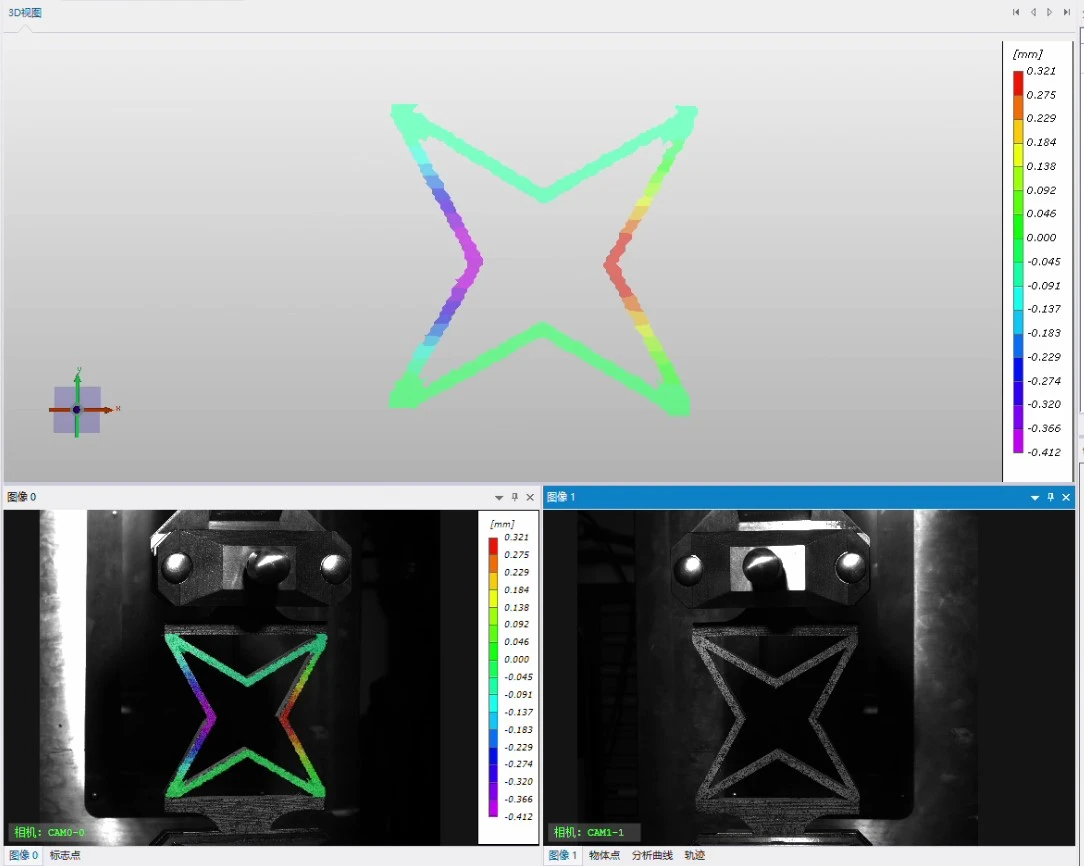
X方向位移
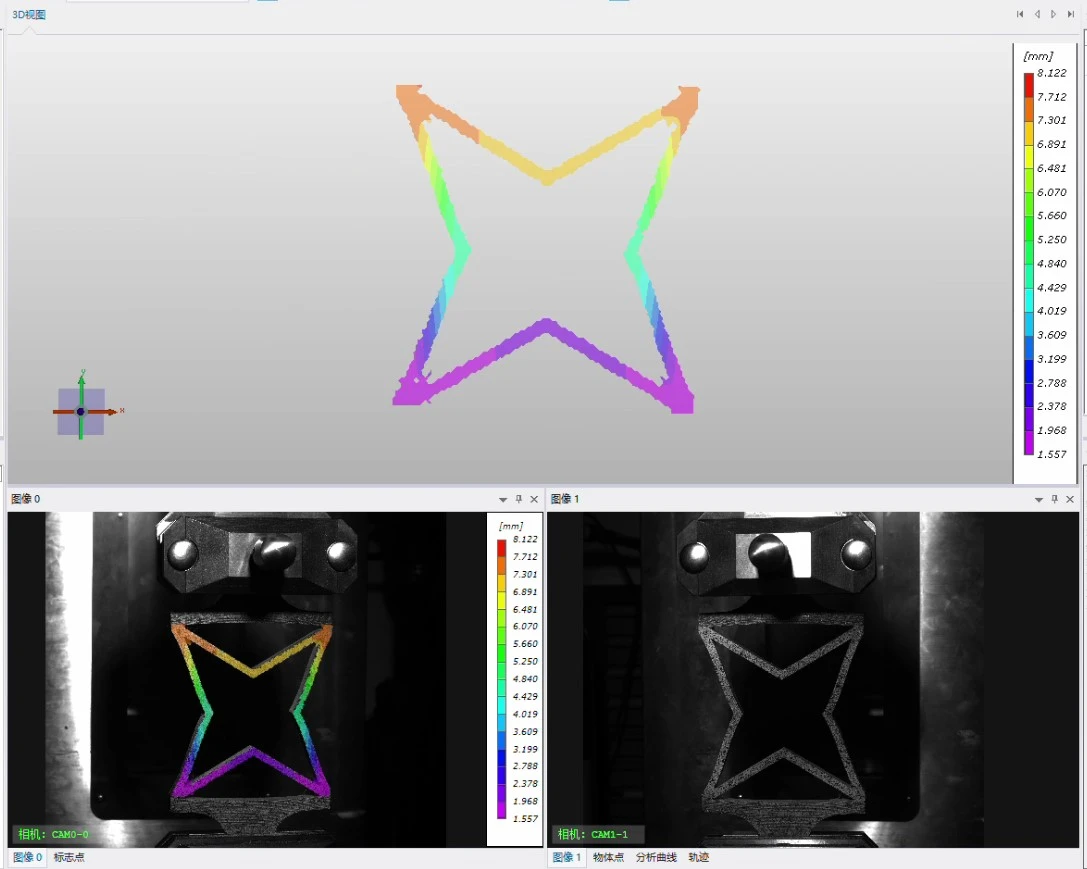
Y方向位移云图
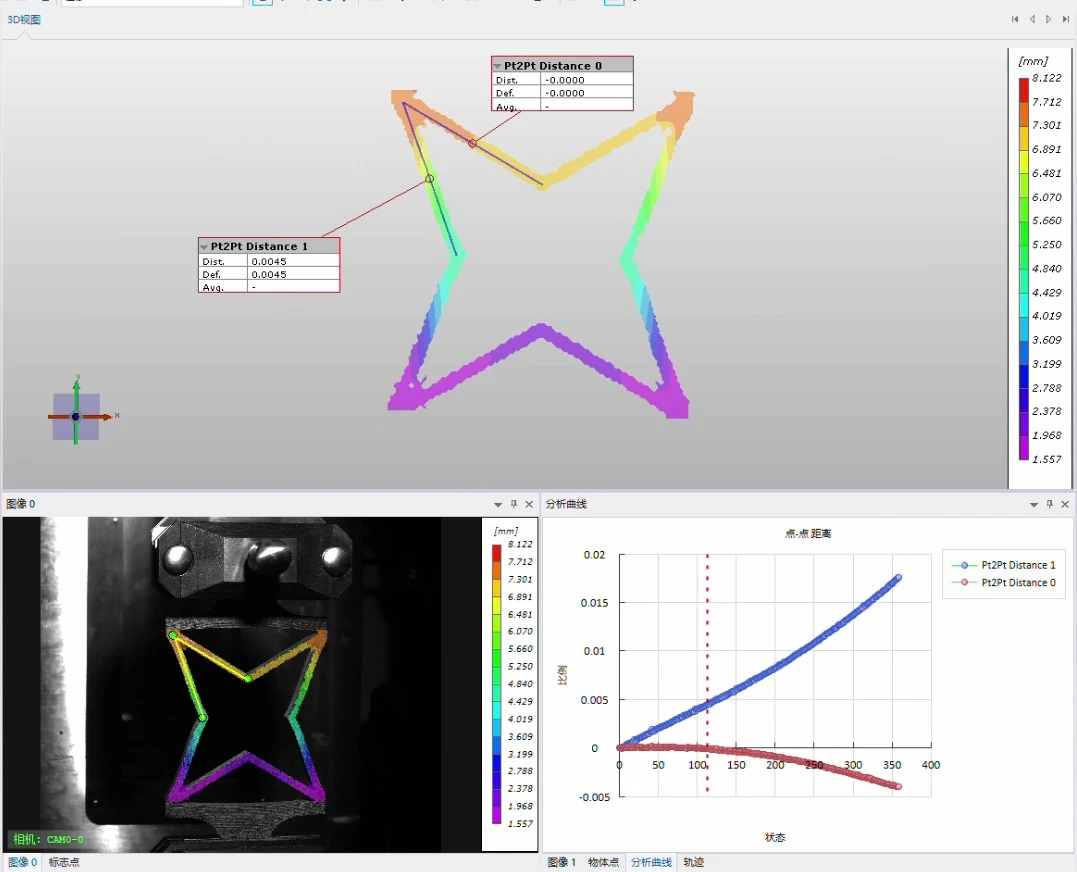
Tensile line strain at opposite corners
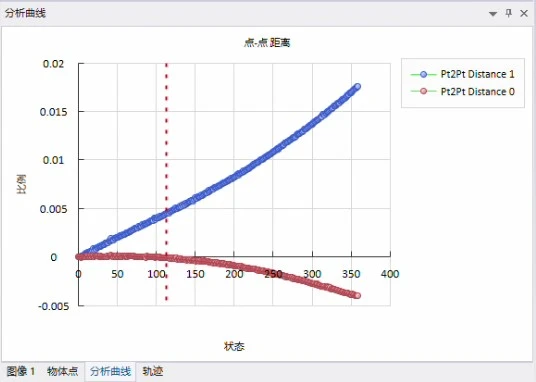
Tensile Strain Measurement of Coarse-Tow Braided Composites
Coarse-tow braided composites derive their structural integrity from a unique spatial weaving architecture that significantly enhances out-of-plane performance; consequently, their application has expanded from non-load-bearing components to primary load-bearing structures.
Experimental testing is the most accurate and direct method for characterizing the mechanical properties of braided composites. Non-contact Digital Image Correlation (DIC) full-field strain measurement technology accurately captures the strain distribution across the entire specimen, providing precise data for mechanical property testing. These experimental data serve as the foundation for analyzing constituent properties, weaving processes, and finite element models.
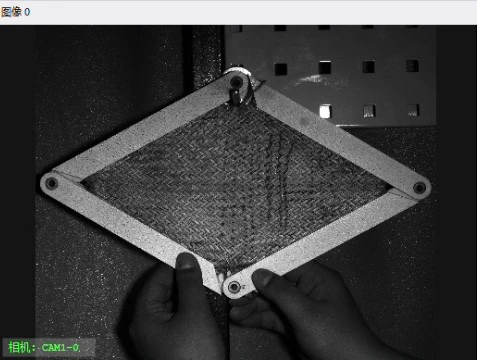
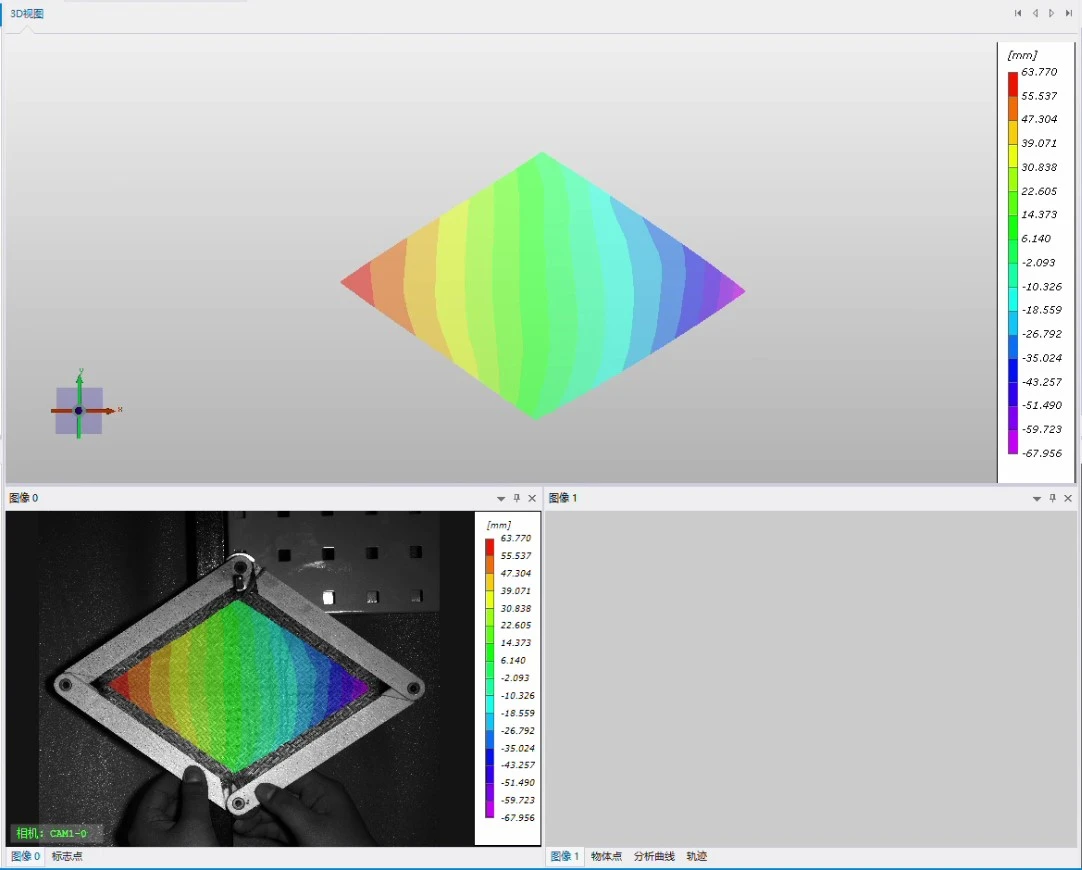
X-direction displacement contour plot
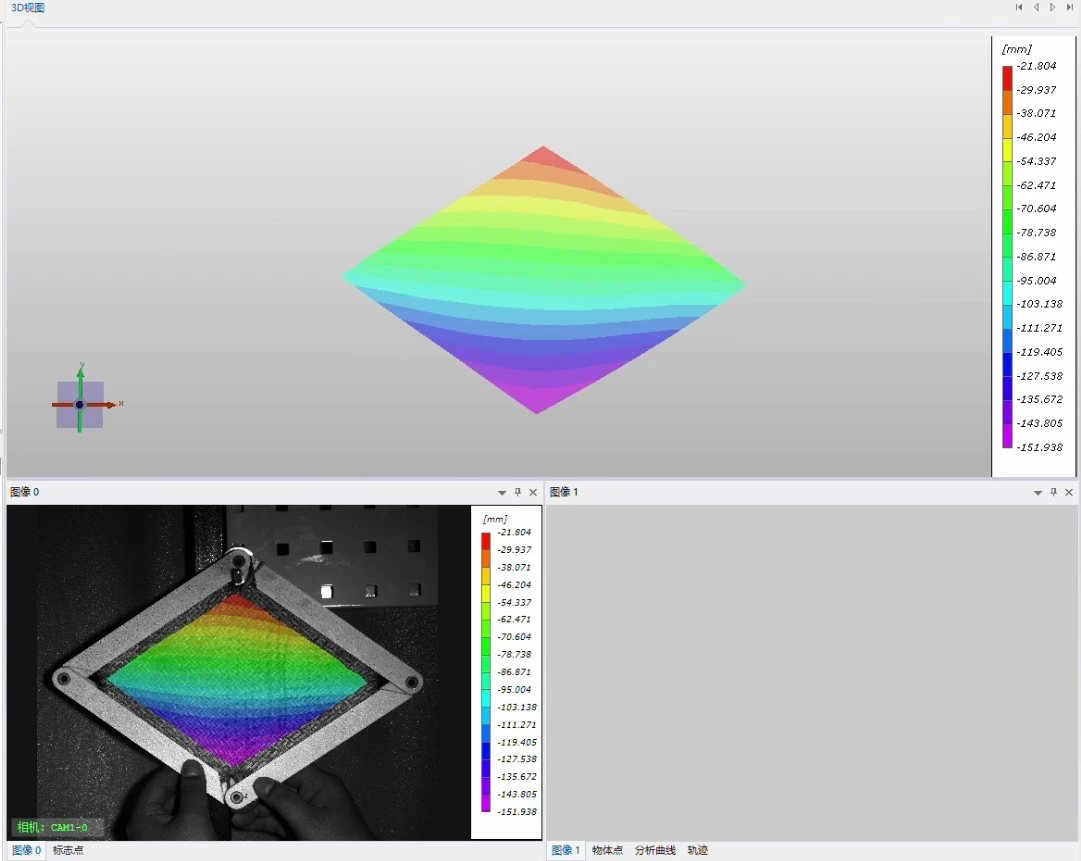
Y-direction displacement contour plot
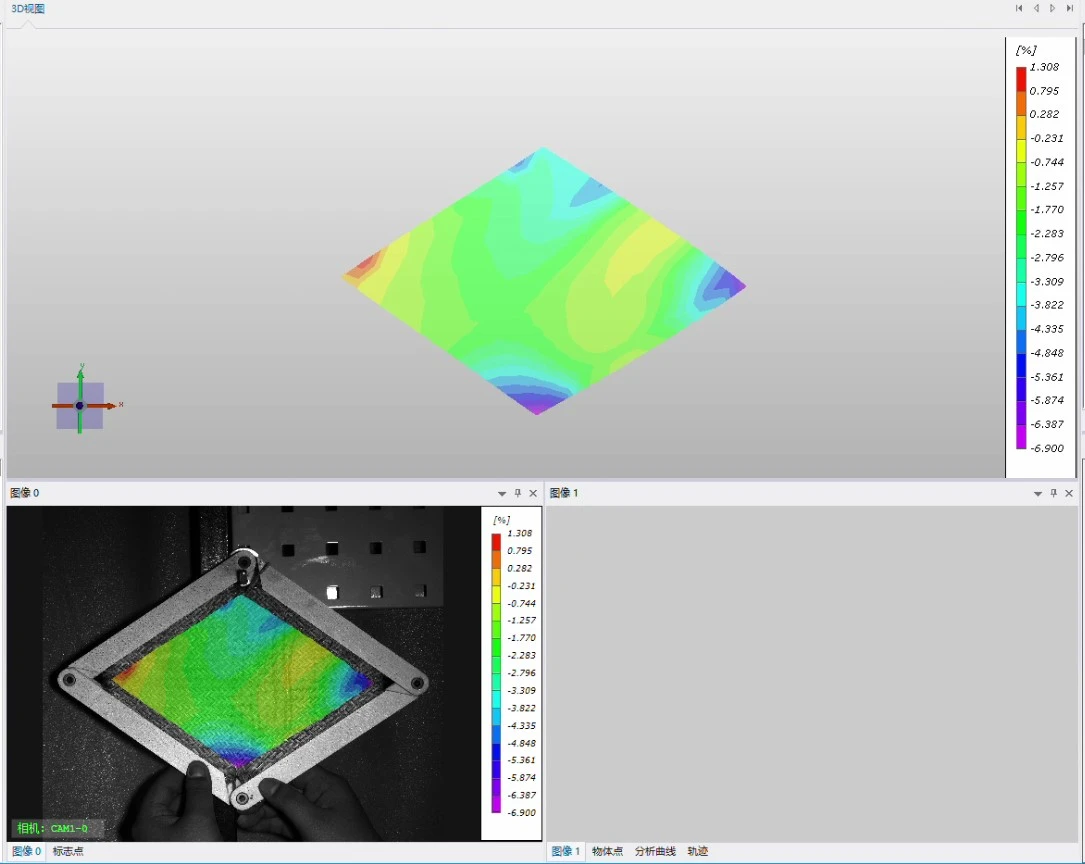
X-direction strain contour map
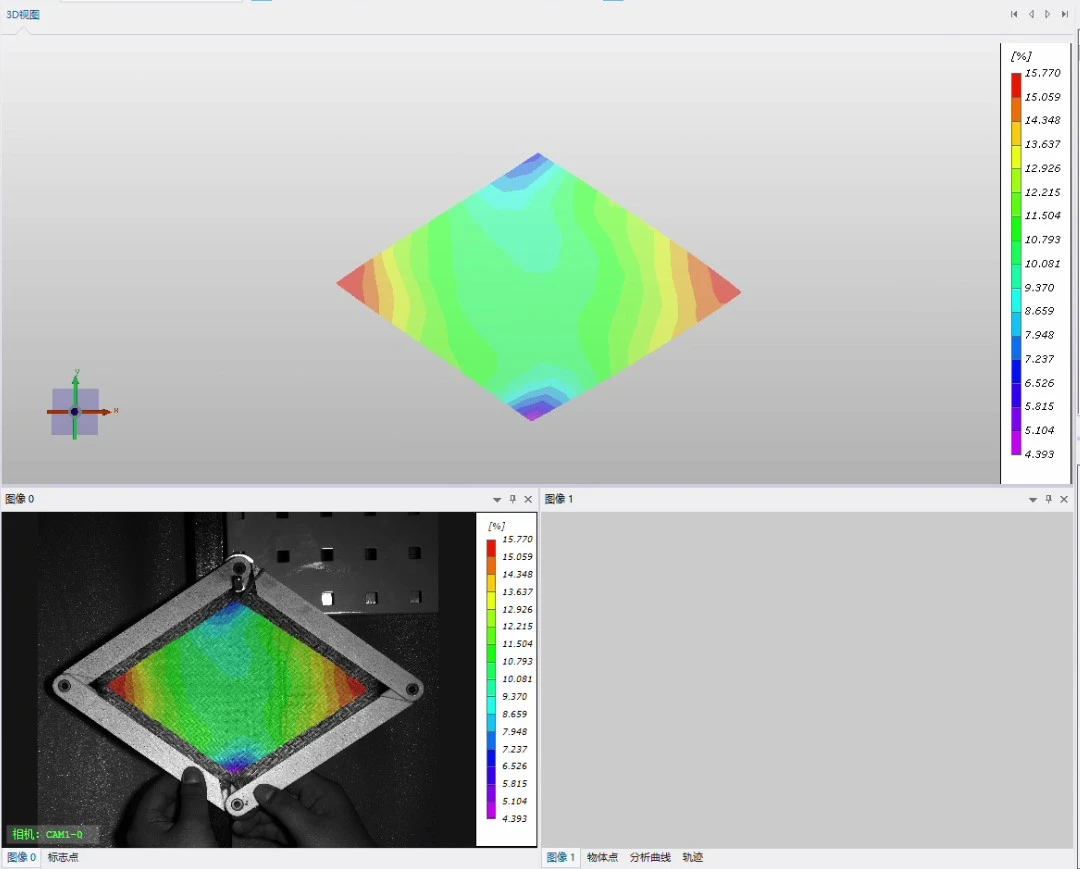
Y-direction strain contour plot
The XTOP3D XTDIC 3D full-field strain measurement system is suitable for applications involving fragile surfaces, extreme temperatures (high or low), micro-structures, curved surfaces, or hard-to-reach areas. It is particularly advantageous for composite materials, especially components with complex structures or surfaces sensitive to contact.
The system offers a resolution far superior to the spatial density of discrete strain gauges, enabling the precise capture of localized stress variations—such as those caused by micro-features in composites (e.g., individual plies, fiber bundles, or interfaces) or high stress gradients near drilled hole edges. This capability is crucial for the accurate assessment of stress concentrations and potential failure points, making the system ideal for testing scenarios that require extensive data collection or parametric studies.