Composite Material Quality Monitoring: Challenges and Opportunities
The global composite material testing market is projected to reach $12.8 billion by 2028, with the non-destructive testing (NDT) market expected to surpass $14.2 billion ([1]). However, due to the concealed nature of damage such as interlaminar delamination and fiber breakage, traditional strain gauge monitoring suffers from two major limitations: insufficient spatial resolution (achieving a strain error of <0.1% requires a sensor density of >50 points/cm²) and low sensitivity to damage.
"Detecting micro-strain anomalies of 0.1% prior to composite failure represents the final line of defense against catastrophic structural collapse" ([2]).
-Sutton, M. A. (2013). Experimental Mechanics
Reliability of DIC Technology for Quality Monitoring of Composite Materials
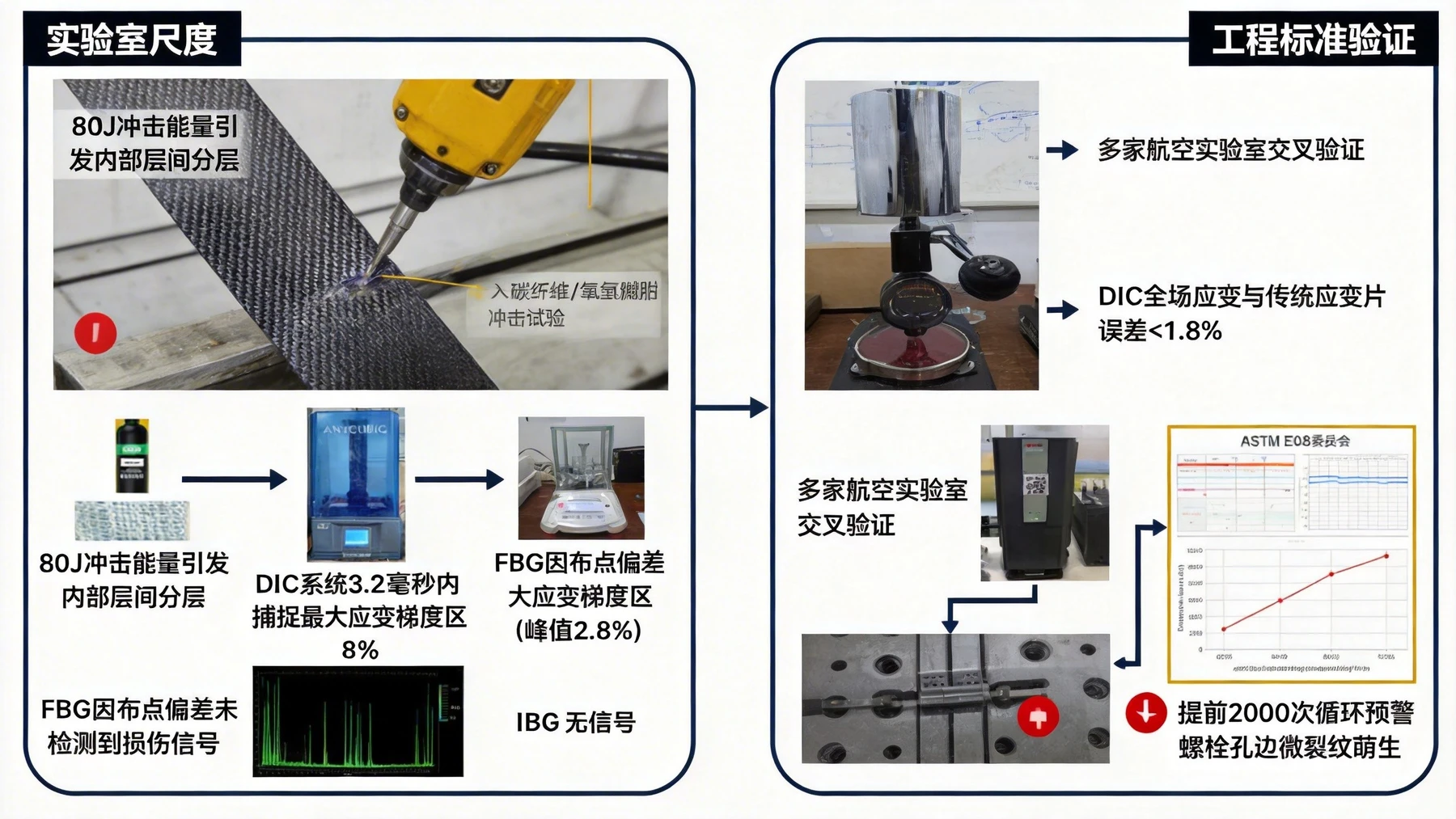
Laboratory Scale: In impact tests on carbon fiber/epoxy composites, Pan et al. [3] simultaneously employed DIC and fiber Bragg grating (FBG) sensors. When an impact energy of 80 J triggered internal interlaminar delamination, the DIC system captured the region of maximum strain gradient (peaking at 2.8%) within 3.2 milliseconds, whereas the FBG sensors failed to detect the damage signal due to sensor placement misalignment.
Engineering Standard Validation: The ASTM E08 Committee [4] organized a cross-validation fatigue test program for CFRP bolted joints involving multiple aerospace laboratories. The data showed that the discrepancy between DIC full-field strain measurements and traditional strain gauge data was less than 1.8%; furthermore, DIC provided early warning of micro-crack initiation at the bolt hole edge 2,000 cycles in advance, demonstrating its suitability for engineering applications.
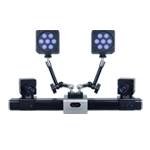
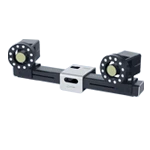
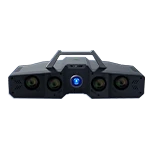
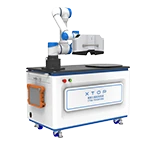
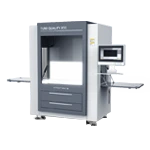
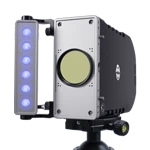
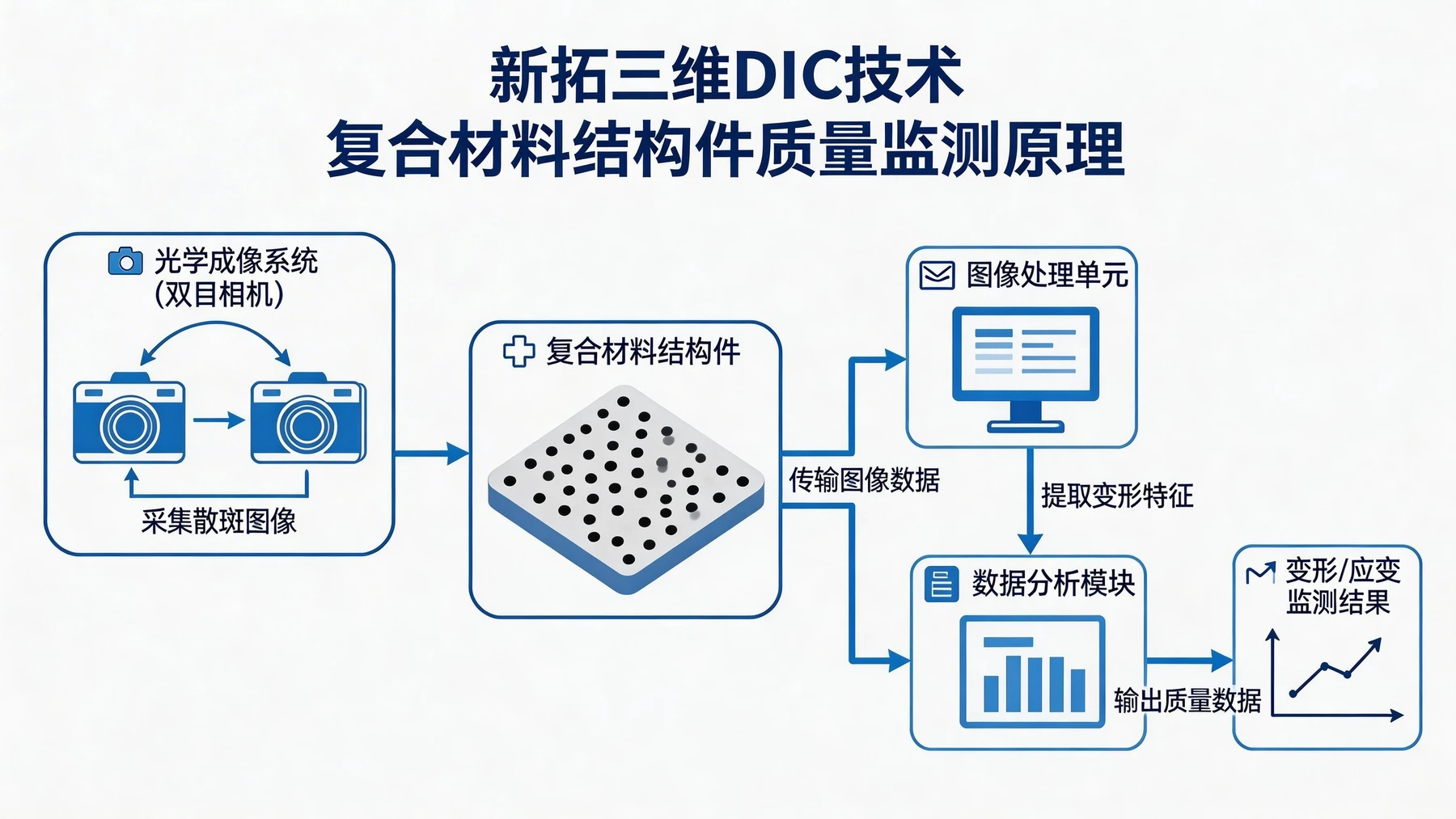
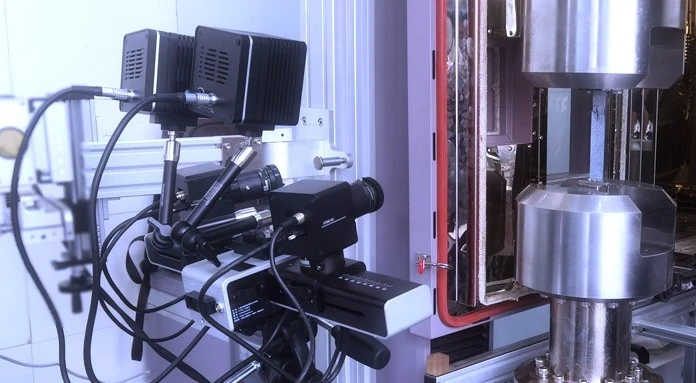
In engineering practice, the XTOP3D XTDIC 3D full-field strain measurement system is not constrained by material electrical conductivity or magnetic permeability, making it suitable for CFRP, GFRP, and ceramic matrix composites (CMCs). It accommodates scales ranging from small laboratory specimens (millimeter level) to massive on-site components (meter level, such as wind turbine blades and aircraft fuselages). When combined with high-temperature speckle patterns and protective measures, it enables in-situ monitoring of autoclave curing processes (>180°C), while high-speed cameras support the measurement of dynamic events such as impacts and vibrations.
Cutting-edge Applications of DIC Technology: From Fundamental Validation to Engineering Breakthroughs
1. Multidimensional Validation of Mechanical Properties
In the field of polymer-matrix composites, Lecompte’s team [5] utilized a dual-camera 3D-DIC system to quantify, for the first time, the out-of-plane warping effect in carbon fiber/epoxy laminates subjected to off-axis tension. This study corrected a 12% prediction error inherent in classical laminate theory, providing a critical basis for aerospace structural design.
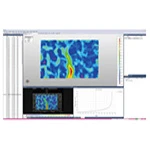
Regarding the in-plane mechanical response of polymer-matrix composites, the AVIC Composite Materials Center (2023) monitored an axial compression test of a CFRP stiffened panel [6] using an XTDIC-3D system (equipped with dual 12-megapixel cameras) in accordance with the ASTM D6641 standard. The system precisely captured the onset load for stiffener buckling (78.3 kN)—with a deviation of less than 2.4% from the theoretical value—while full-field strain analysis revealed the critical point of buckling mode transition (local wrinkling occurred at 92% of the load). Validation method: Comparison with electrical resistance strain gauges demonstrated a strain measurement consistency of 98.7% [6].
2. Intelligent Identification of Early-Stage Damage
Static Damage Monitoring: Wang et al. ([7]) innovatively combined DIC with Convolutional Neural Networks (CNNs) to enable early warning of delamination damage in glass fiber-reinforced plastic (GFRP) by automatically identifying "butterfly pattern" features in strain fields. This system issued alerts 15% earlier in the service life compared to traditional acoustic emission technology, while reducing the false alarm rate to below 5%.
Extreme Environment Monitoring: Zhang Jianjun et al. (2023) utilized the XTDIC-HT1200 system (Xintuo 3D) to monitor the strain evolution of C/SiC ceramic-matrix control fins during thermal shock cycles (0–1200°C). They captured micro-cracks (width: 8 ± 0.5 μm) caused by thermal mismatch within 3.2 seconds; verification via micro-focus CT showed a crack localization error of <50 μm. [8]
"The thermo-mechanical coupling effects revealed by DIC represent a dimension inaccessible to traditional sensors." ([13])
- Tiwari, V., et al. (2018). Journal of the European Ceramic Society
3. Manufacturing Monitoring for Large-Scale Structures
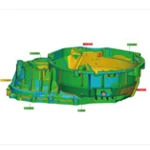
Technical Bulletin from CGC (China General Certification Center, a national-level testing agency) ([9]): An XTDIC-12 camera array was deployed during the static load testing of an 83-meter wind turbine blade. An alert for a crack in the blade root web was triggered based on a principal strain gradient threshold of 0.41%/mm (at 89% of the ultimate load); the alarm sounded 22 seconds earlier than that of fiber Bragg grating (FBG) sensors. Subsequent industrial digital radiography (DR) confirmed a crack length of 4.3 mm (localization error: 1.1 mm).
AI-Driven Technological Leap: Establishing an Intelligent Early-Warning Closed Loop
Zhang et al. ([10]) developed a DIC data analysis architecture based on Graph Neural Networks (GNNs). By extracting topological features of strain fields (such as singular values of the Hessian matrix), they increased the speed of composite material damage identification by 40-fold (latency < 50 ms). In the future, the deep integration of DIC with AI, the Internet of Things (IoT), and digital twins will shape a new paradigm for the intelligent monitoring of composite structural components:
"When DIC is deeply integrated with AI, experimental mechanics leaps from an era of 'describing phenomena' into a new era of 'foreseeing the future'" ([12]).
-Farrar, C. R., & Worden, K. (2022). Structural Health Monitoring
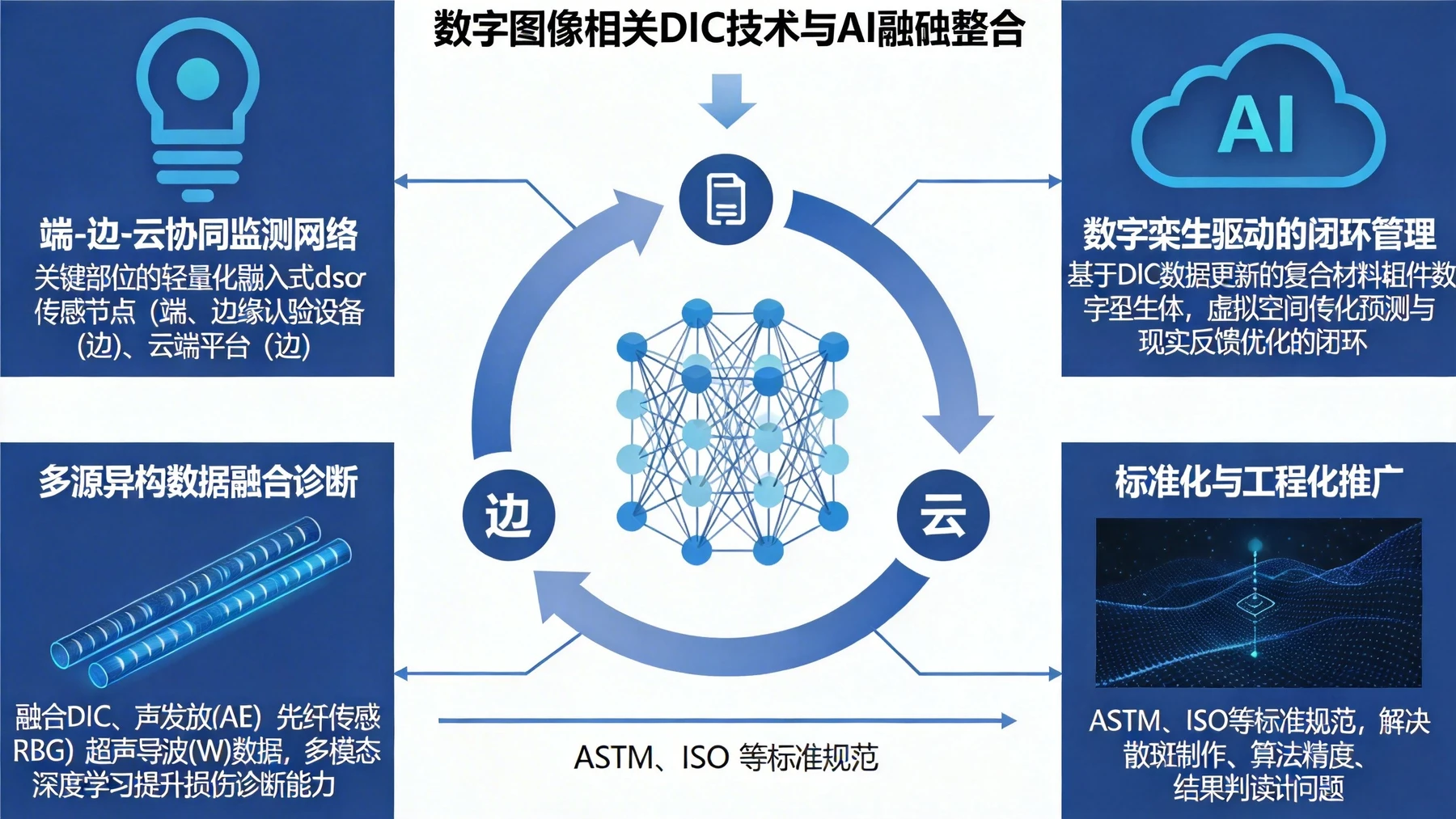
"Device-Edge-Cloud" collaborative monitoring network: Lightweight embedded DIC sensor nodes are deployed at critical locations (Device); edge computing devices process data in real-time and trigger preliminary warnings (Edge); and cloud platforms perform in-depth big data analysis, model training, and global optimization (Cloud), thereby achieving efficient, low-latency monitoring [11].
Digital twin-driven closed-loop management: High-fidelity digital twins of composite components are dynamically updated based on actual DIC measurement data; structural response, damage evolution, and maintenance outcomes are simulated and predicted in a virtual space; and insights are fed back to optimize design, manufacturing processes, and operation and maintenance strategies [14].
Multi-source heterogeneous data fusion for diagnostics: DIC data is fused with multi-modal monitoring data—such as acoustic emission (AE), fiber Bragg grating (FBG), and guided waves (GW)—and multi-modal deep learning is employed to enhance the robustness, accuracy, and early warning capabilities of damage diagnostics [15].
Standardization and engineering-scale deployment: Standard specifications (e.g., ASTM, ISO) for DIC in industrial composite inspection are established to address consistency issues regarding speckle pattern application, algorithm accuracy, and result interpretation, thereby facilitating large-scale engineering applications of the technology [16].
References
[1] Mordor Intelligence. (2023). Global Non-Destructive Testing Market Analysis
[2] Sutton, M. A. (2013). Experimental Mechanics, 53(2):123-124
[3] Pan, B., et al. (2021). Composite Structures, 272:114229
[4] ASTM E08 Committee. (2020). Round-robin Test Report on DIC for Aerospace Composites
[5] Lecompte, D., et al. (2007). Polymer Testing, 26(6):777-787
[6] AVIC Composite Materials Co., Ltd. Application of XTDIC in the study of axial compression buckling behavior of CFRP stiffened panels. Journal of Materials Engineering, 2023, 51(8): 134-141.
[7] Wang, Y., et al. (2020). Mechanical Systems and Signal Processing, 145:106962
[8] Zhang, J., et al. Application of XTDIC system in thermal shock damage monitoring of aerospace ceramic matrix composites. Acta Materiae Compositae Sinica, 2023, 40(5): 1120-1128.
[9] CGC (China General Certification Center). Technical Bulletin: Full-scale Testing of Wind Turbine Blades with XTDIC. 2023, No.TB-CGC-23-041.
[10] Zhang, Z., et al. (2023). Mechanical Systems and Signal Processing, 184:109731
[11] Shi, W., et al. (2016). Edge computing: Vision and challenges. IEEE Internet of Things Journal, 3(5), 637-646.
[12] Farrar, C. R., & Worden, K. (2022). Structural Health Monitoring: A Machine Learning Perspective. Wiley
[13] Tiwari, V., et al. (2018). DIC for ablation-induced strain in extreme environments. Journal of the European Ceramic Society, 38(4), 1374-1386.
[14]Glaessgen, E., & Stargel, D. (2012). The Digital Twin Paradigm for Future NASA and US Air Force Vehicles. 53rd AIAA/ASME/ASCE/AHS/ASC Structures, Structural Dynamics and Materials Conference.
[15] Farrar, C. R., & Worden, K. (2012). Structural Health Monitoring: A Machine Learning Perspective. Wiley.
[16] International Digital Image Correlation Society (iDICs). (Ongoing efforts in standardization - see iDICs website).