As precision electronic devices, laptops feature tightly integrated internal components; consequently, exposure to external pressure can easily lead to structural damage to the casing and harm to internal parts. Simulating drop scenarios and analyzing the resulting force distribution and deformation helps improve a laptop's drop resistance and overall durability.
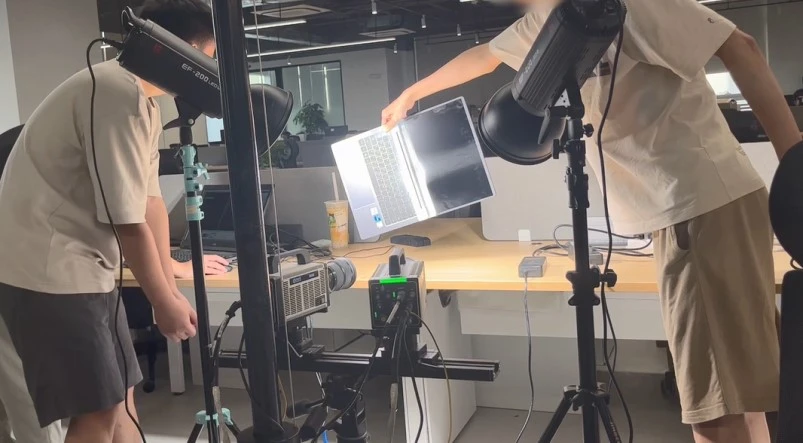
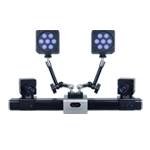
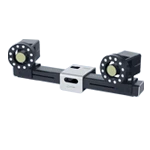
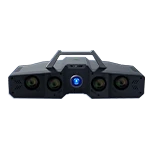
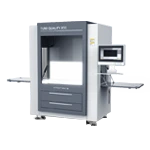
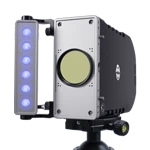
The XTOP3D XTDIC-SPARK 3D high-speed measurement system directly controls high-speed cameras to capture and track the entire motion of a target. By utilizing XTDA dynamic analysis software, the system analyzes product drop events to assess damage and evaluate the drop height tolerance and impact resistance of the product's packaging components.
DIC Drop Test for Laptops
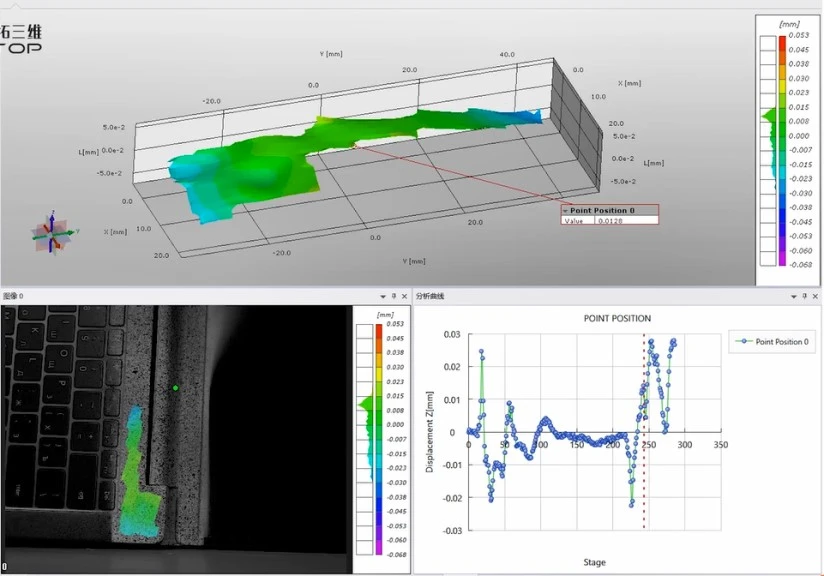
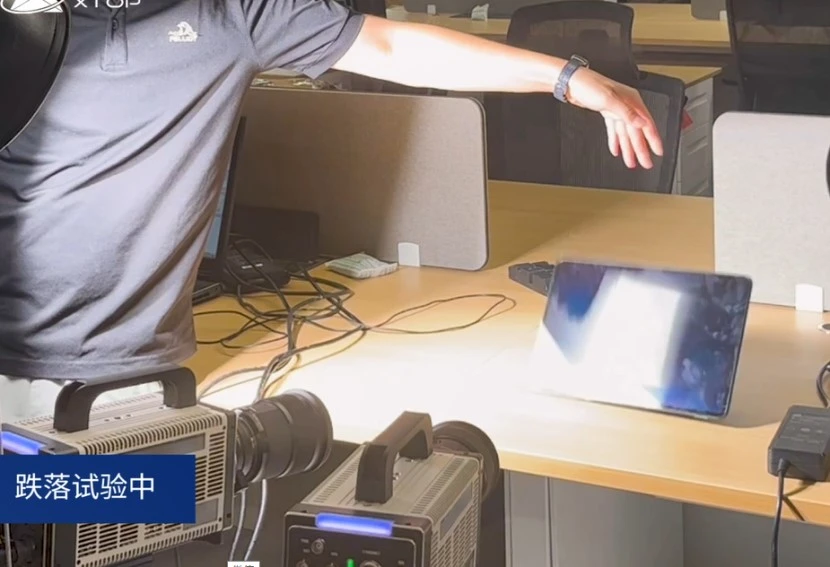
The XTDIC-SPARK 3D high-speed measurement system, paired with high-speed cameras, is used to record free-fall tests of laptops. DIC software is then employed to analyze the transient displacement and strain fields during the drop.
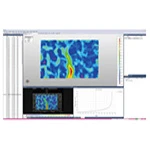
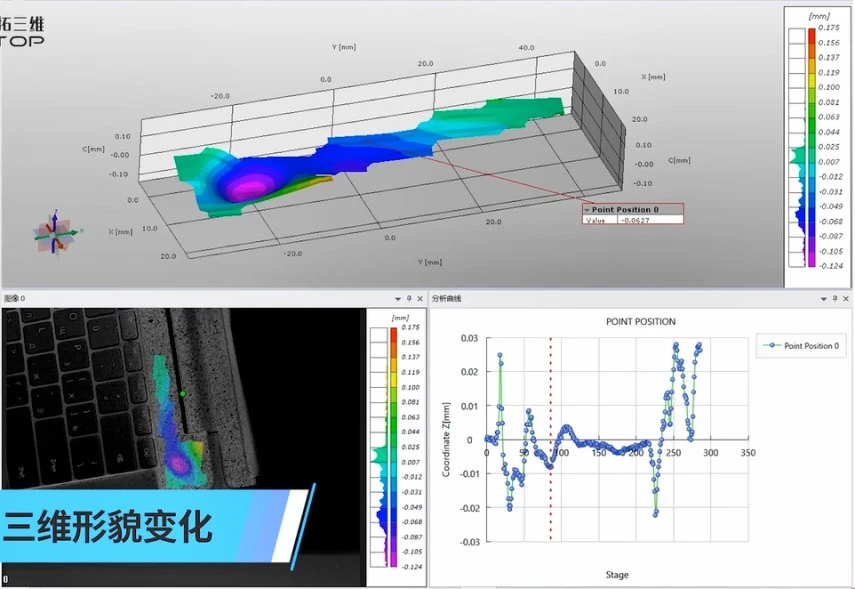
The XTDIC-SPARK system clearly captures the laptop's drop process, while the XTDA dynamic software analyzes the Z-axis displacement field and transient 3D shape changes occurring during the fall.
Z-direction displacement field
Changes in 3D morphology during the drop transient
Tablet Drop Test Using DIC
Drop resistance testing allows for the assessment of structural changes in a tablet's casing during a drop. The XTDIC-SPARK 3D high-speed measurement system is used to conduct transient deformation tests during drops, enabling the analysis of the casing's impact resistance and the observation of the entire physical prototype's behavior throughout the test.
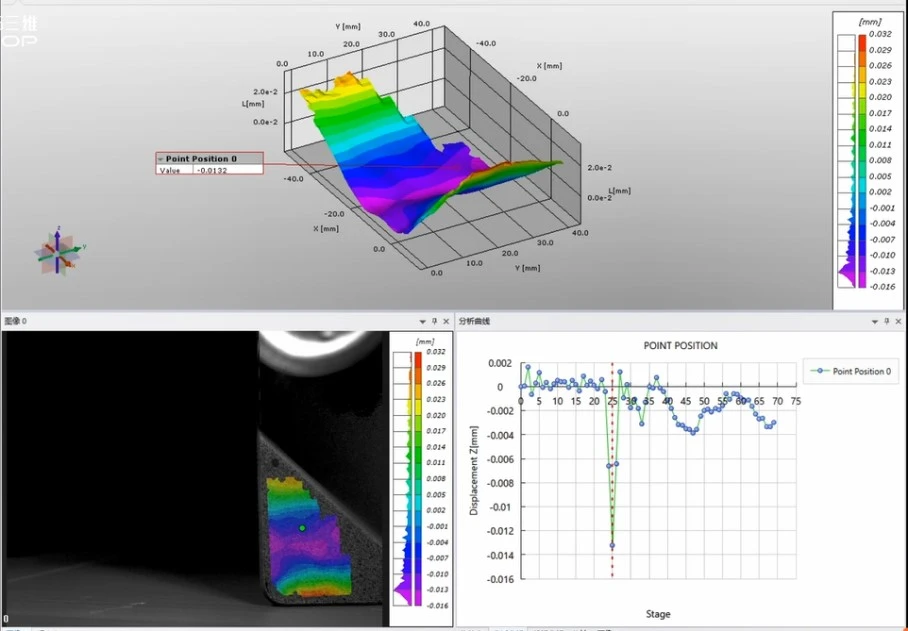
The XTDIC-SPARK 3D high-speed measurement system enables analysis of the tablet's drop event, focusing on all surface deformations within areas of interest.
Evolution of the transient displacement field during a tablet drop
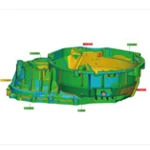
The XTDIC-SPARK 3D high-speed measurement system enables the intuitive identification of areas experiencing maximum deformation and stress; reinforcing the structure in these specific zones can effectively mitigate structural damage caused by drops.
Laptop and tablet screens are highly sensitive to impact acceleration. Test data facilitates the redesign of structural cushioning, thereby enhancing the screen's drop resistance. When used in drop testing, the XTDIC-SPARK system generates intuitive outputs—such as heat maps and data curves—that pinpoint critical structural areas, helping engineers make informed decisions.