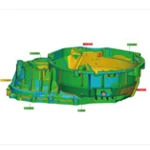
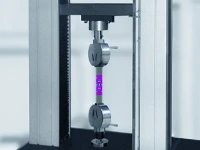
In the consumer electronics industry, products may be subjected to accidental drops during transportation or use after leaving the factory. Statistics show that over 30% of post-sales issues with electronic products are related to physical impact.
Drop testing simulates scenarios where products are accidentally dropped during transport or usage. It allows for the assessment of structural integrity and the impact resistance of internal components, guides structural optimization, informs material selection, and helps reduce costs.
-
Verify reliability: Detect design defects (such as housing cracks or detachment of internal components);
-
Reduce after-sales costs: lower the rate of returns caused by drops;
-
Compliance with regulatory requirements: Passing mandatory tests for authoritative certifications (such as Amazon and CE certifications).

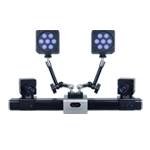
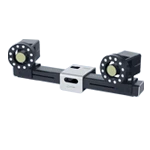
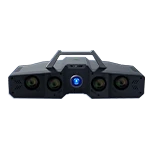
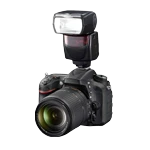
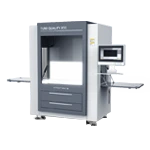
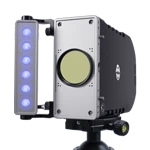
Deformation during drop and impact events can be analyzed by examining product deformation and strain data captured during the collision. The XTOP3D XTDIC-SPARK 3D high-speed measurement system directly controls high-speed cameras to acquire dynamic images of high-speed motion—such as drops and impacts—and combines binocular stereo vision with Digital Image Correlation (DIC) to enable dynamic monitoring and quantitative analysis of the transient deformation of electronic products during a drop.
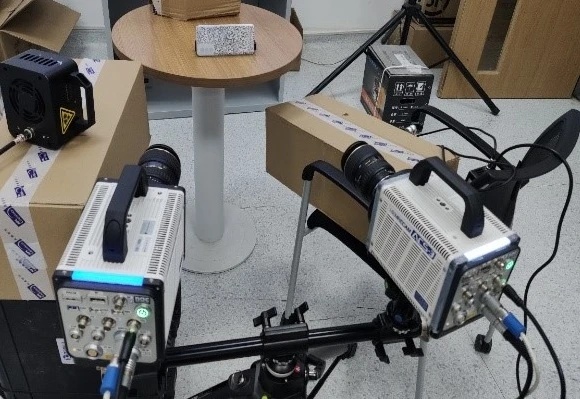
Challenges in Using High-Speed DIC Systems for Drop Testing
1. Reorientation and occlusion during a drop can cause weak correlation in speckle images and induce local light intensity fluctuations, leading to reduced measurement accuracy or even matching failure.
2. Product tumbling during impact affects speckle matching, necessitating improvements to the correlation and matching algorithms.
Solutions for Measuring Transient Deformation During Drops
Algorithmic Optimization and Improvements
1. A least-squares distance function incorporating two unknown parameters is employed to mitigate the impact of light intensity fluctuations caused by angular changes—such as tumbling—during motion.
2. Bicubic spline interpolation offers superior predictive capability for grayscale values at sub-pixel locations; utilizing this method during iterative grayscale calculations enhances computational accuracy.
Sequential Frame-by-Frame Reference Matching
1. An adaptive seed-point matching method is used, prioritizing the matching of the initial undeformed speckle image; this significantly reduces the cumulative error associated with using only the immediately preceding frame as a reference, thereby ensuring matching accuracy.
2. Sequential frame-by-frame matching is applied to previously unmatched speckle points, improving the completeness of the deformation field data.
The application of high-speed DIC systems to analyze deformation during drop impacts comprises two main stages: testing and computation. In the following section, the XTOP3D XTDIC-SPARK 3D high-speed measurement system is used to conduct drop strain tests on mobile phone screens, casings, batteries, and tablet computers, analyzing the evolution of surface strain and displacement fields during the drop process.
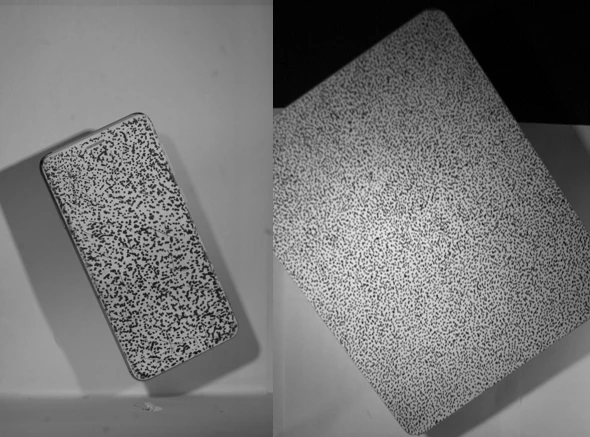
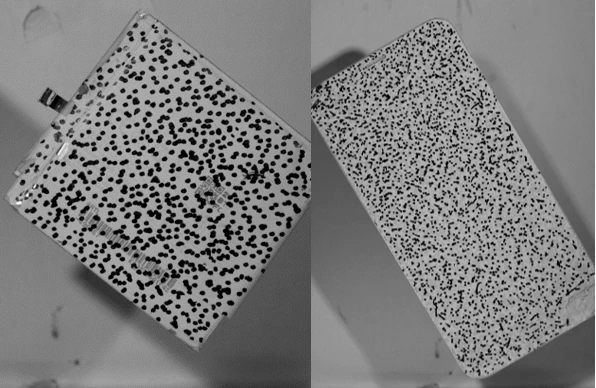
The product features a black-and-white speckled finish.
Drop Test for Mobile Phone Accessories
The XTDIC-SPARK 3D high-speed measurement system was configured with a 100mm lens and a measurement field of view of 200 × 150 mm. After adjusting the high-speed cameras' focal lengths and completing system calibration, the drop test commenced.
The mobile phone was dropped vertically from a height of 1 meter, ensuring impact occurred on its side or corner. Throughout the process, the speckle pattern remained aligned with the viewing angles of the two high-speed cameras, which captured multiple sets of video footage showing the impact of the phone case, battery, and screen.

Analysis of Mobile Phone Screen Drop Tests
Individual tests are conducted on vulnerable components (battery and screen) to pinpoint design weaknesses.
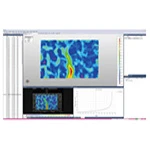
DIC software processes the data to output full-field transient displacement and strain data for the screen during the drop. By analyzing regions of strain localization, as well as displacement and strain curves at critical points, the areas of the glass subject to peak stress and its impact resistance capabilities are identified.
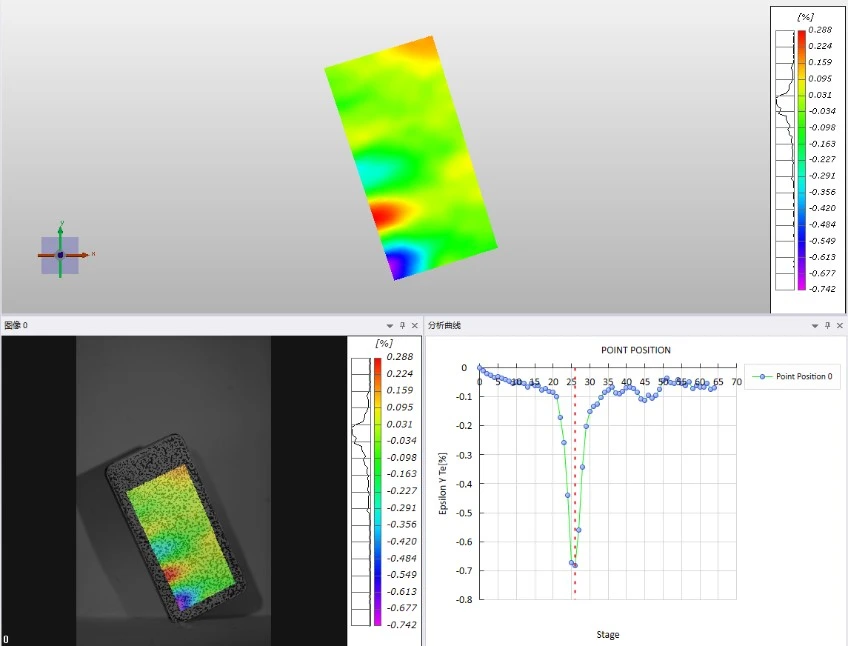
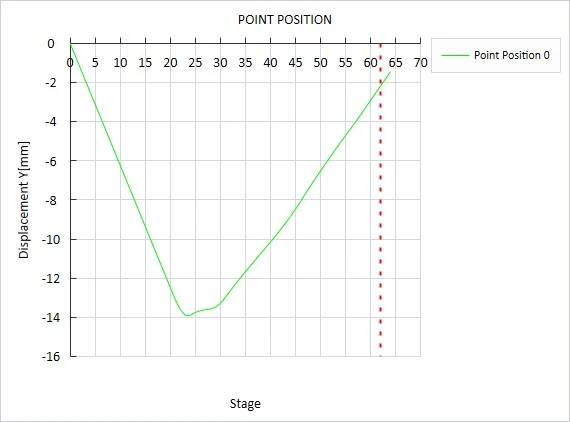
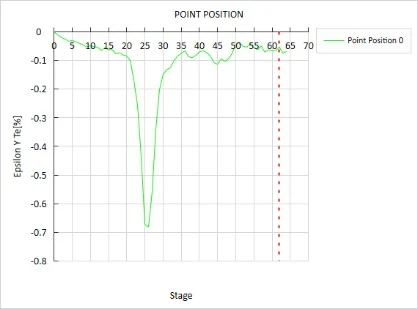
Curves for screen stress concentration, key point displacement, and point strain.
Drop Test Analysis of Mobile Phone Middle Frames
This test simulates scenarios where a mobile phone is accidentally dropped, verifying the structural integrity and the impact resistance of internal components.
DIC software is used to analyze strain concentration areas on the middle frame, clearly visualizing deformations in structural elements, corners, and edges caused by impact. The test data aids in analyzing the design of the frame's reinforcing ribs, helping to prevent issues such as screen ribbon cable breakage or the detachment of camera modules during a drop.

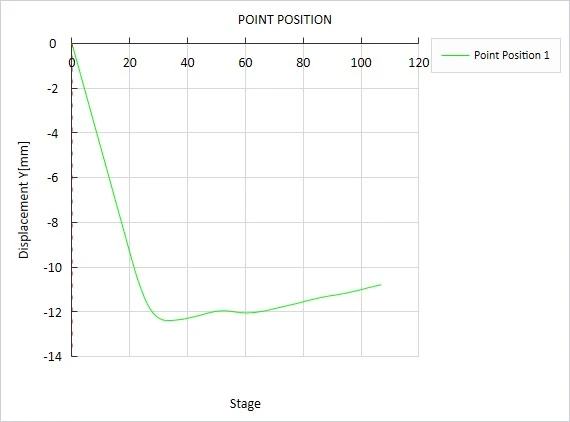
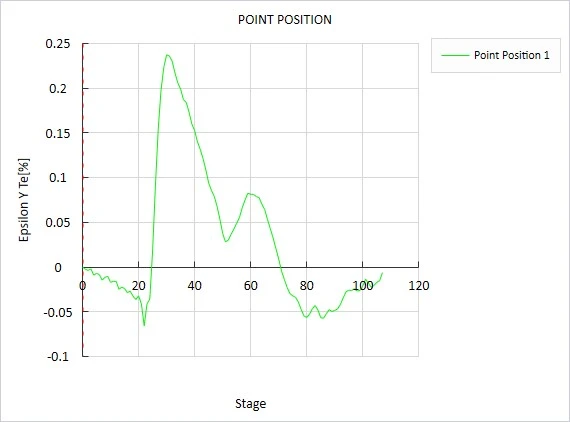
Displacement and strain curves at stress concentration points on the mobile phone middle frame
Analysis of Mobile Phone Battery Drop Tests
When a mobile phone battery with a rigid casing is dropped, excessive strain concentration at the casing's edges and corners can lead to electrolyte leakage.
DIC analysis of the strain field reveals points of stress concentration and characterizes the battery's transient deformation, localized strain concentration, and potential failure risks—such as the formation of a small, permanent indentation at a side corner—thereby providing critical data to support the safe structural design of the battery.
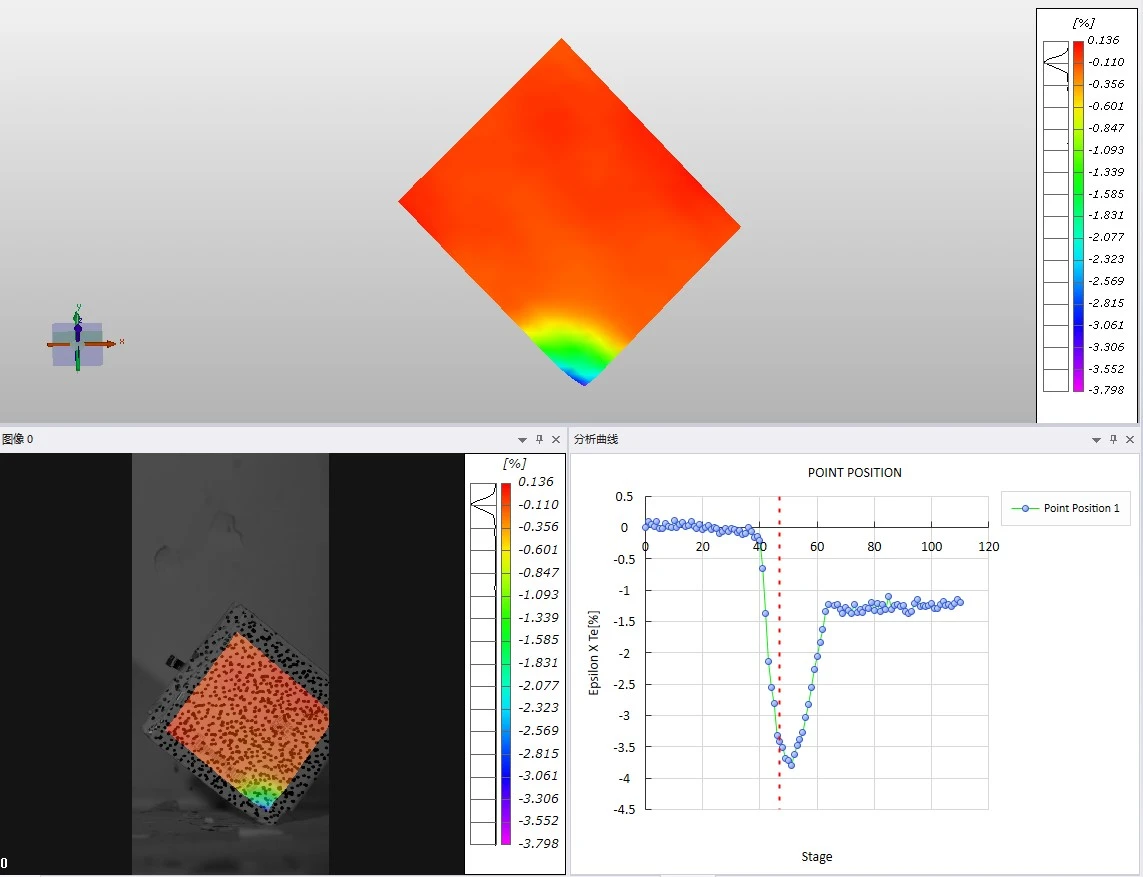
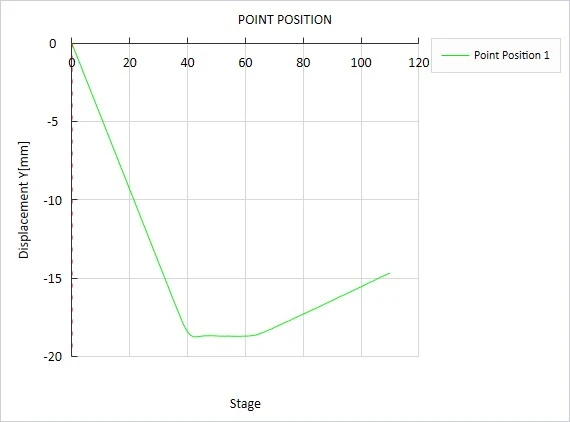

Displacement and point strain curves at stress concentration points of mobile phone batteries
Tablet Drop Test
The XTDIC-SPARK 3D high-speed measurement system is configured with a 50mm lens and a measurement area of 400 x 300 mm; the high-speed camera's focal length is adjusted, and the drop test commences following system calibration.
Tablet Drop Test Analysis
The tablet undergoes a drop test—specifically, an impact by an object striking it at speed while it rests on a platform—to evaluate its resistance to accidental impacts.
DIC analysis captures the deformation and stress experienced at the tablet's edges and corners during the drop. Upon impact with the ground, the tablet rebounds, generating stress waves that propagate force toward points of stress concentration. The resulting data helps assess the maximum drop height the tablet can withstand and its overall impact resistance.
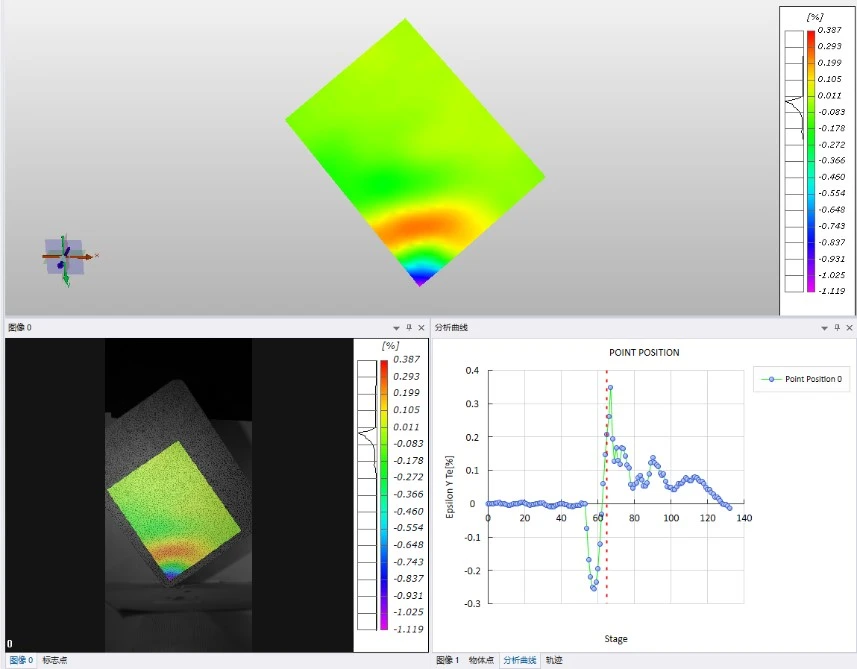
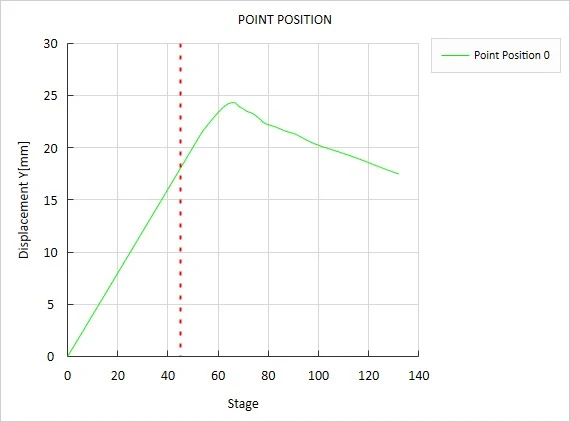
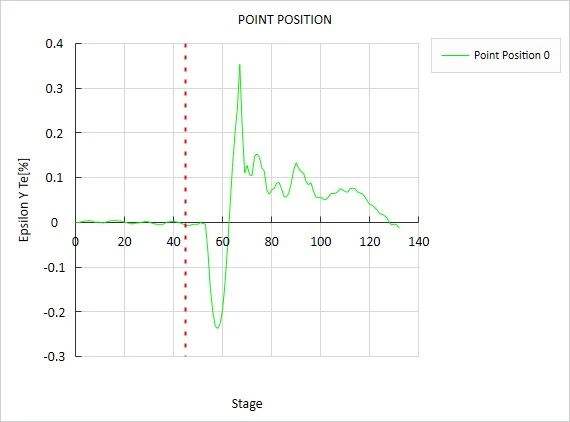
Displacement and strain curves at the point of stress concentration in a flat plate
The XTOP3D XTDIC-SPARK 3D high-speed measurement system offers advantages such as non-contact operation, high precision, and full-field dynamic measurement. It serves as an effective solution for measuring deformation in 3C electronics during drop and impact events, enabling precise quantification of everything from displacement fields and strain concentration to failure evolution, thereby accelerating the development of highly reliable electronic devices.
1. Structural design: Enhance corner cushioning (e.g., TPU edge wrapping) and optimize internal mounting points;
2. Material selection: Prioritize energy-absorbing materials (e.g., aluminum honeycomb panels, silicone pads);
3. Testing iteration: Use high-speed 3D-DIC technology to analyze drop-related weak points and failure modes, enabling targeted improvements.