As the "vascular network" of modern industrial equipment, the manufacturing quality of piping systems directly impacts the safety and operational reliability of aerospace vehicles and automobiles. Components such as hydraulic, fuel, and environmental control system piping in aerospace, as well as engine, braking, and new energy battery cooling lines in the automotive sector, demand high precision, complex spatial geometries, and excellent assembly compatibility.
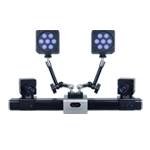
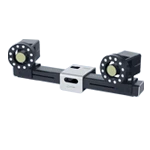
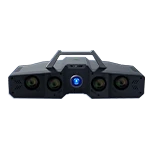
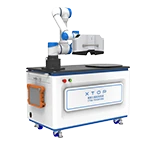
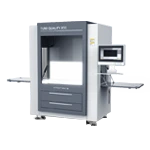
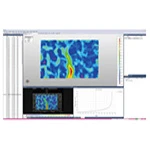
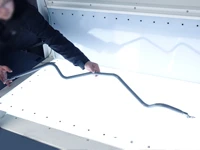
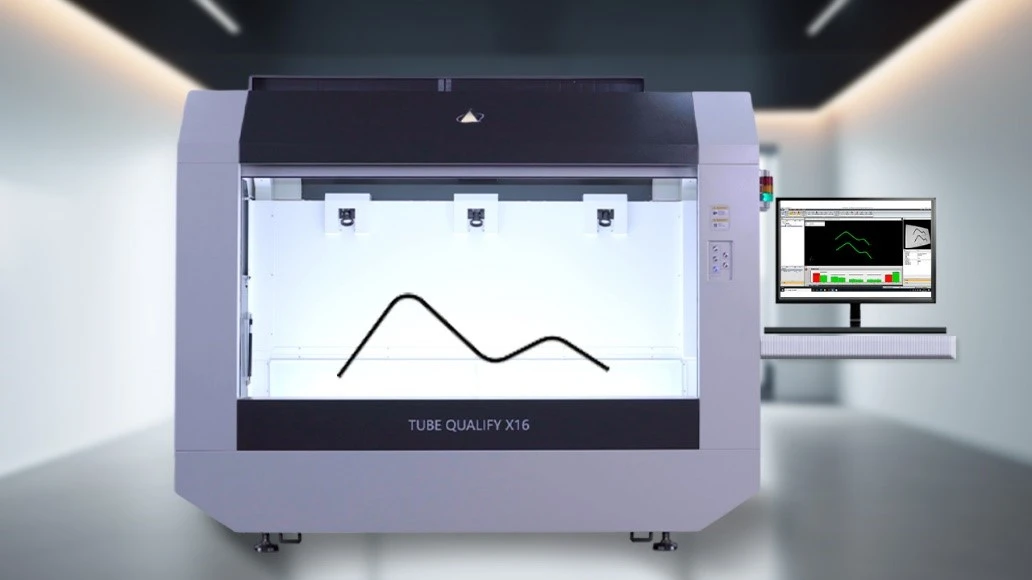
The XTOP3D Tube Qualify 3D optical tube measurement system, paired with dedicated inspection software, meets the measurement needs of diverse tube types. It enables the acquisition of key parameters—such as LRA, PRB, XYZ coordinates, and sleeve tolerances—via a single-click operation. The software automatically calculates processing corrections and springback compensation values, communicating directly with the tube bender to streamline setup, simplify workflows, and reduce operator skill requirements, ultimately helping users cut costs and boost efficiency.
1. A Paradigm Shift in Metrology for Aerospace and Automotive Smart Manufacturing
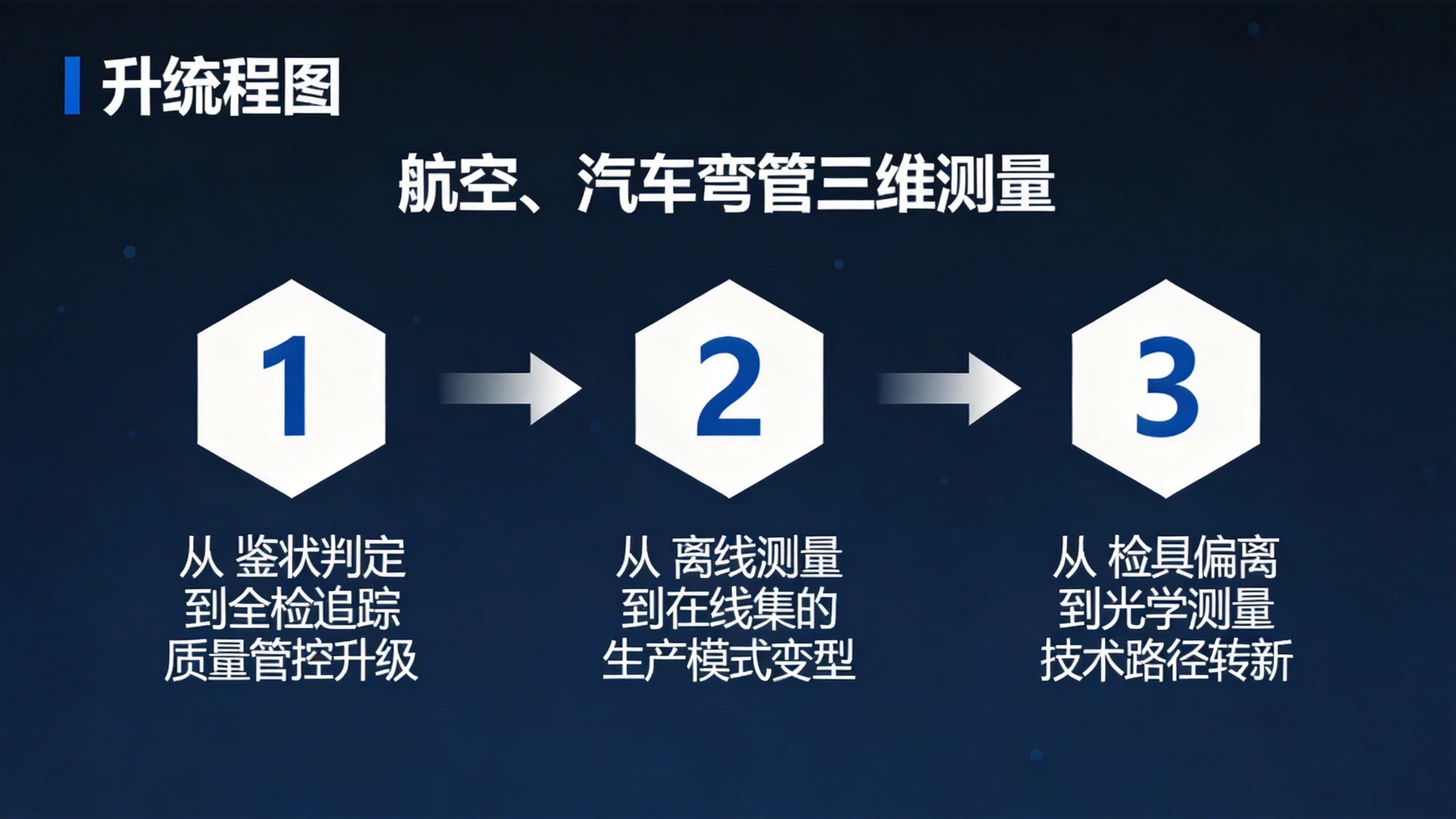
Traditional pipeline inspection typically relies on sampling methods due to technological limitations and efficiency bottlenecks. However, civil aviation airworthiness standards (CTSO-C161) mandate 100% inspection for critical pipelines—a requirement that traditional methods struggle to meet within production cycle times. In contrast, the automotive manufacturing sector relies heavily on sampling, which entails potential quality risks.
Traditional pipeline inspection employs an offline approach: components must be transferred from the production line to an inspection station, with results fed back to production only after inspection is complete—a process characterized by long information chains and delayed responses. In the aerospace sector, the cost of trial-bending Ti-6Al-4V tubing reaches ¥36,000 per unit, and contact-based measurement risks scratching the pipeline surface; meanwhile, in high-volume automotive assembly lines, offline inspection acts as a bottleneck that constrains production capacity expansion.
2. Measurement Requirements Driven by Complex Tube Bending
According to industry standards (such as ISO 8574 and GB/T 41028), spatial position tolerances for aerospace hydraulic system tubing must be controlled within ±0.5 mm, with critical sections requiring ±0.1 mm. Furthermore, aerospace-grade tubing materials (e.g., titanium alloys, superalloys) are costly; consequently, material waste during trial bending results in significant economic losses.
Automotive tubing comes in a wide variety of types, and automotive manufacturing demands strict production cycle times, meaning inspection efficiency directly impacts production line capacity. In mass production environments, key challenges for automotive tubing inspection include achieving 100% inspection, rapidly assessing processing quality, and establishing a data closed-loop with the tube bending machine.
Additionally, tube bending is a complex elastoplastic deformation process in which behaviors such as springback and elongation are difficult to predict accurately. In actual production, determining the bending machine's processing parameters requires an iterative "trial bend–measure–adjust–re-bend" process; this results in long iteration cycles, substantial material waste, and poor parameter consistency.
3. Comparison with Contact Measurement Technology
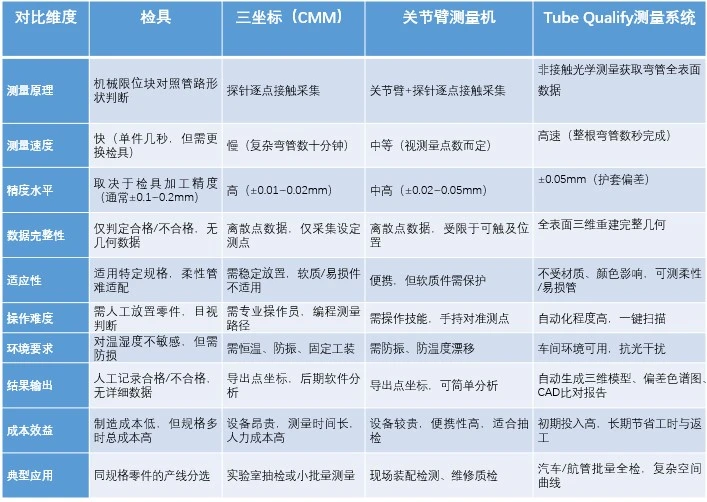
Contact measurement methods—exemplified by checking fixtures, CMMs, and articulated arms—are characterized by slow measurement speeds, the risk of scratching soft tube surfaces, and difficulty in measuring complex structures or minute features. The table below provides a systematic comparison between contact measurement and Tube Qualify optical measurement in the context of tubing inspection:
4. Comparison with mainstream non-contact measurement technologies
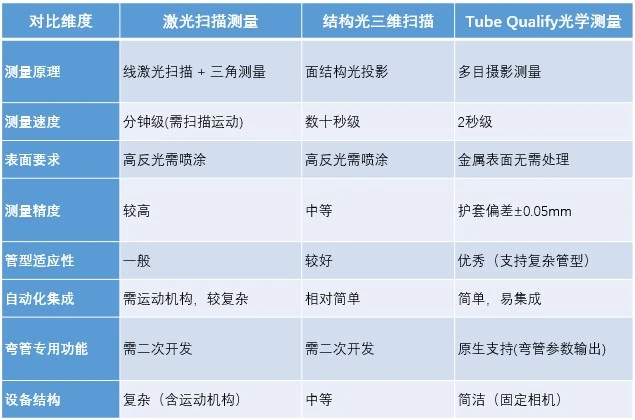
Non-contact measurement technologies are based on optical principles and are characterized by high efficiency, non-destructive operation, and long working distances; key technical approaches include laser triangulation, structured light, and binocular stereo vision. In the field of pipeline measurement, each technical solution has its own distinct characteristics.
5. Technical Advantages of the Tube Qualify Tube Measurement System
-
Specialized measurement capabilities for bent tube parameters.
-
Advantages in batch in-line inspection and automated system integration.
-
Closed-loop data advantages for calibrating tube-bending machine parameters.
-
Advantages of a processing parameter database built upon accumulated tube manufacturing expertise.
-
Cost savings on inspection fixtures, labor, and materials.
6. Typical Application Cases: Pipeline Measurement
Pipeline Inspection in the Aerospace Sector
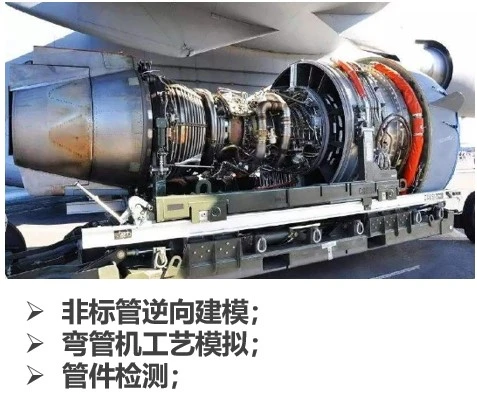
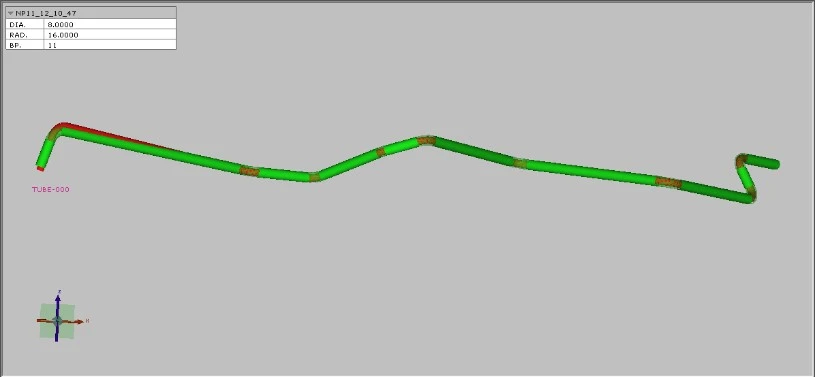
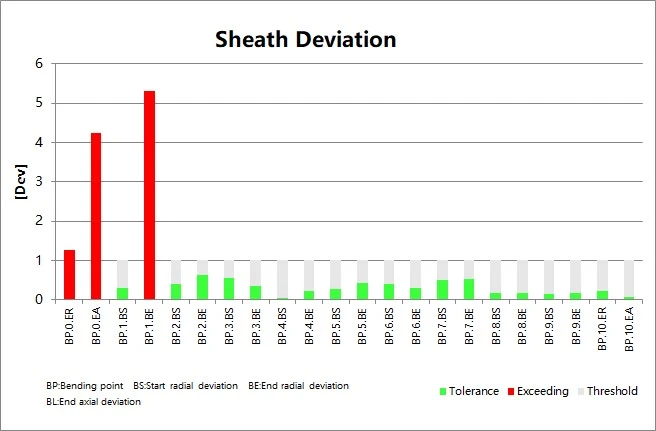
Airworthiness regulations mandate 100% inspection of critical pipelines. Given the high cost of aerospace-grade tubing and the significant expense associated with physical trial bending, aerospace manufacturers face a major challenge: how to reduce production costs while ensuring inspection quality. By adopting the "Tube Qualify" 3D optical tube measurement solution from Xintuo 3D, manufacturers can achieve full inspection of complex tube components and significantly shorten machine setup times, thereby meeting the aerospace industry's rigorous requirements for quality traceability.
Pipeline Inspection in Automotive Manufacturing
Automotive pipelines come in a wide variety of types, each with stringent quality requirements. With the rise of new energy vehicles (NEVs), specialized components—such as high-pressure lines and battery cooling pipes—demand even higher levels of sealing integrity and dimensional precision. XTOP3D’s proprietary Tube Qualify 3D optical tube measurement system has been successfully deployed across leading NEV production lines, global automotive OEM supply chains, and tube-bending machinery manufacturers. A single unit can handle the inspection needs for diverse pipeline types, significantly reducing equipment investment costs and optimizing workshop floor space.
Calibration of Tube-Bending Machine Parameters
The Tube Qualify system facilitates a "measurement-analysis-correction" data closed-loop, supporting the optimization of tube-bending processes. By connecting directly to the tube-bending machine to provide real-time correction data, the system enables the machine to automatically adjust processing parameters (YBC values). This closed-loop control enhances parameter consistency. Furthermore, processing parameters for various materials and specifications can be compiled into a database, building a knowledge base of manufacturing expertise and serving as a reference for future production.
The evolution of pipeline inspection technology mirrors the profound transformation from traditional manufacturing to intelligent manufacturing. In the aerospace and intelligent automotive manufacturing sectors, rising demands for precision, inspection efficiency, and quality traceability are driving a paradigm shift in measurement technology: moving from contact to non-contact methods, from offline to online processes, from sampling to 100% inspection, and from reliance on physical gauges to optical measurement solutions.
Leveraging its specialized, efficient, and intelligent capabilities, the Tube Qualify 3D optical tube measurement system establishes a closed-loop data workflow—integrating tube measurement, batch online inspection, and machine parameter calibration. It offers a breakthrough solution for pipeline quality control in the aerospace and intelligent automotive manufacturing industries.