
Applications

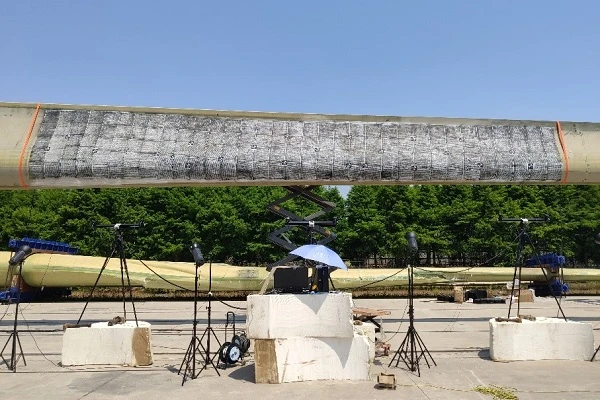
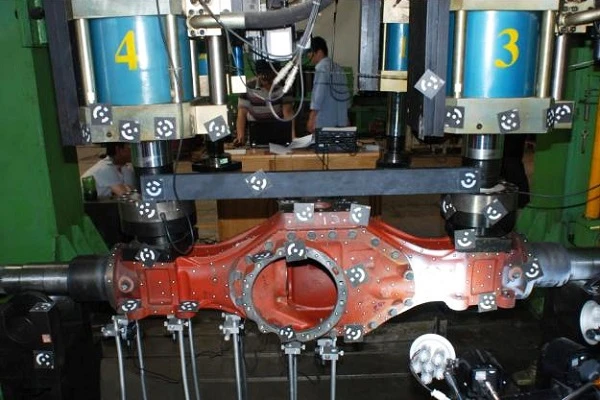
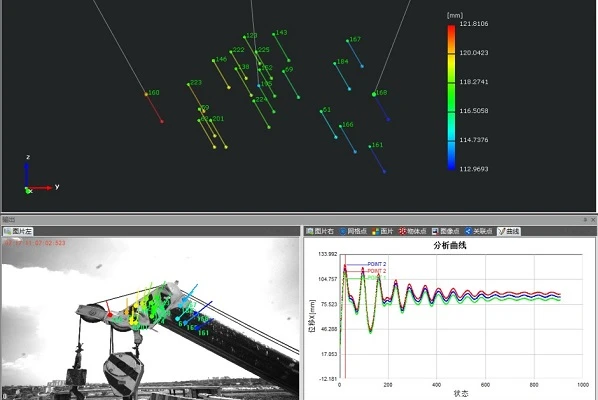
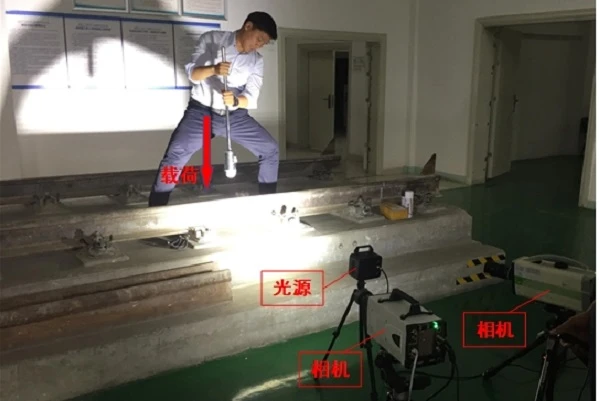
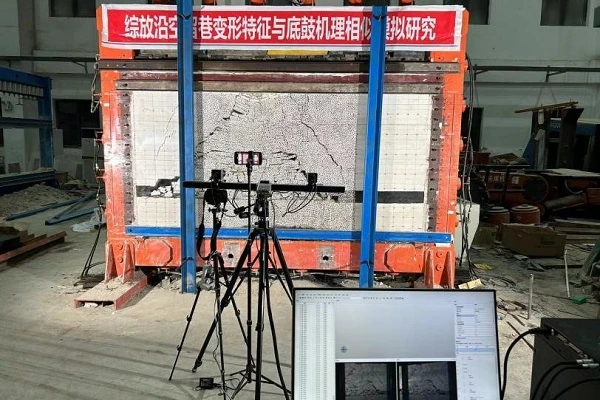
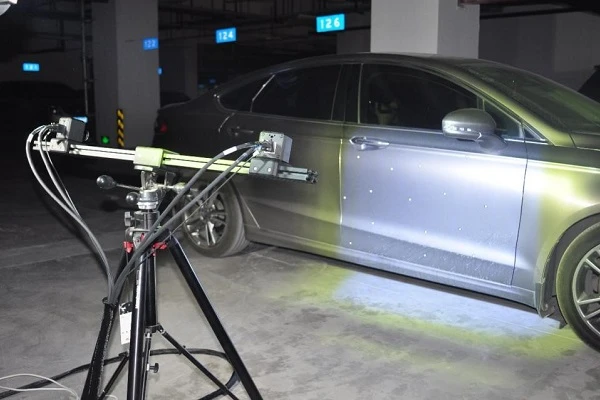
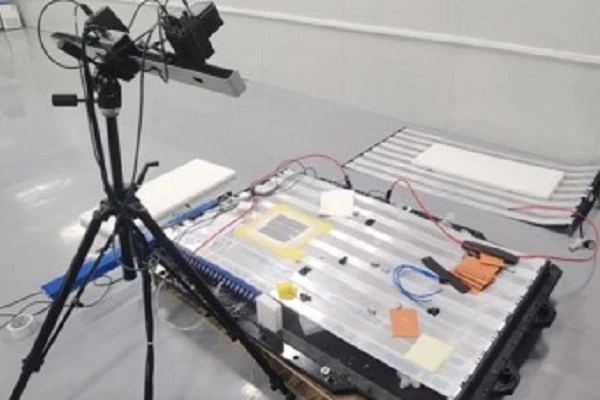
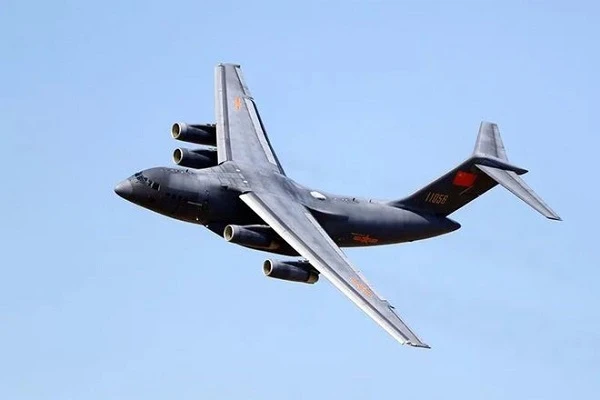
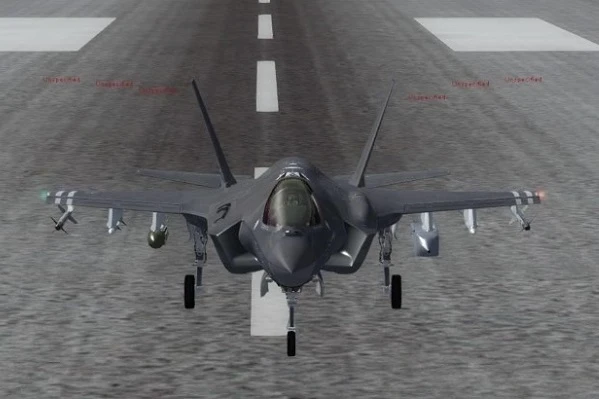
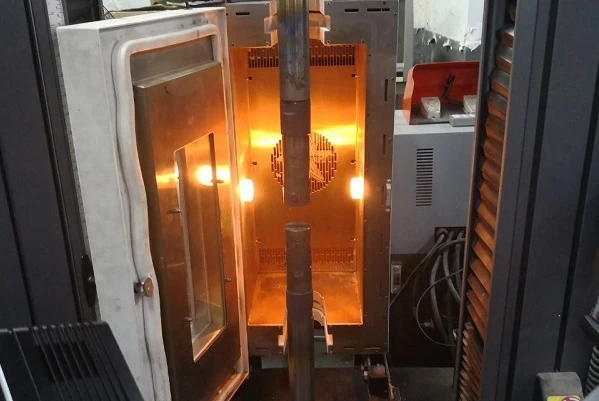
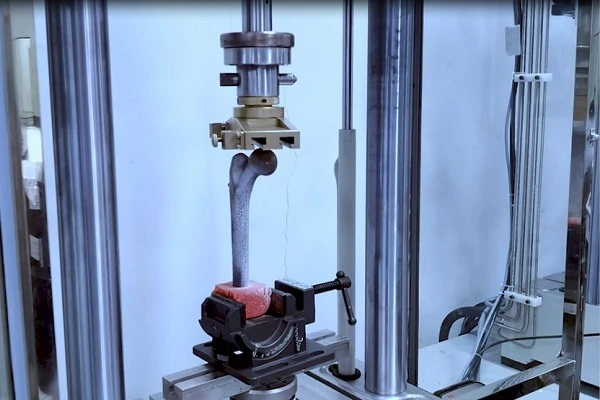
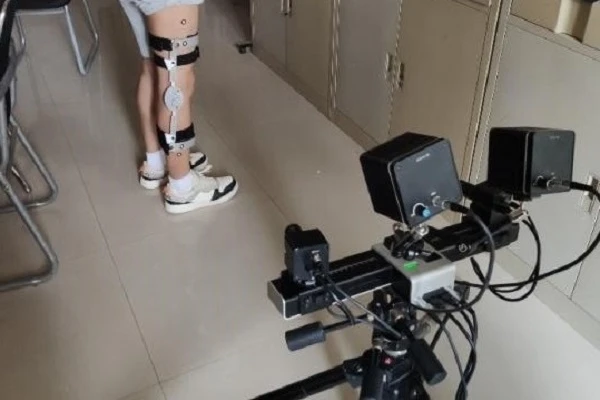
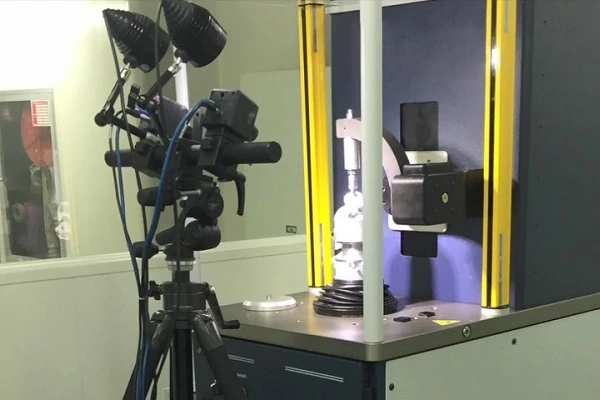
Applications cover aerospace, automotive manufacturing, electronics manufacturing, energy and heavy industry, biomedicine, geotechnical engineering, materials testing and other industries.
Photographic blue light 3D scanner, high-precision 3D scanner, 3D strain measurement system, non-contact strain measurement, digital image correlation method (DIC technology), 3d DIC, video extensometer, 3D bent tube inspection system
  • 3D tube bending measurement, 3D tube reconstruction, tube bending machine adjustment and calibration
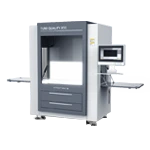
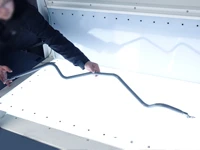
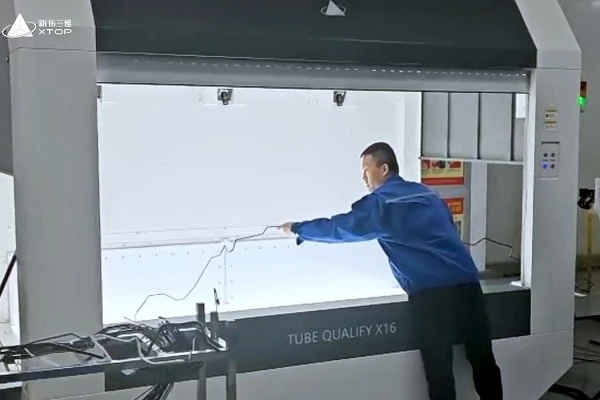
    The XTOP3D TUBE QUALIFY online inspection system for tube bends can be used for quality control during online tube production, machine calibration during new tube bending machine development, and 3D reverse reconstruction of conduits. The system offers repeatable calculation and review capabilities, resulting in accurate and stable 3D reconstruction of pipe bends. Its well-developed calibration interface makes it user-friendly, fast, and easy to use.
    2025-03-27
  • 3D tube bending measurement, 3D pipeline inspection, automated 3D tube bending measurement
    The Tube Qualify 3D optical tube bend measurement system offers enhanced inspection efficiency, completing in-line inspections in just 2 seconds with higher accuracy and producing illustrated inspection reports. The Tube Qualify system is not only suitable for pipeline inspection, but can also be used for pipeline reversal, tube bending machine commissioning, and non-standard tube inspection. It can be combined with robotic arms, loading and unloading racks, and a host computer control system to achieve highly efficient automated 3D tube bend inspection.
    2025-03-27
  • Industrial close-range photogrammetry technology, static deformation measurement of similar models
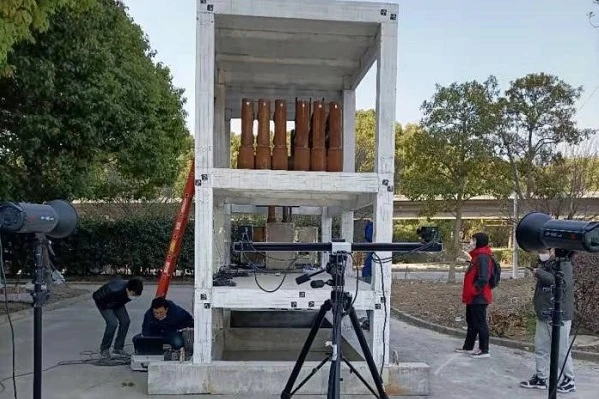
    The XTOP3D XTDP 3D optical photogrammetry system, based on industrial close-range photogrammetry technology, uses internal and external camera parameter calibration and pattern recognition technology to track image feature points, enabling full-field displacement measurement of structures. This computer vision-based, non-contact displacement measurement solves the challenges of multi-point displacement and limited range testing. It also offers simple installation, high test frequency, and minimal interference with the measured object caused by contact.
    2025-03-27
  • Close-range 3D photogrammetry, static deformation measurement of similar material models
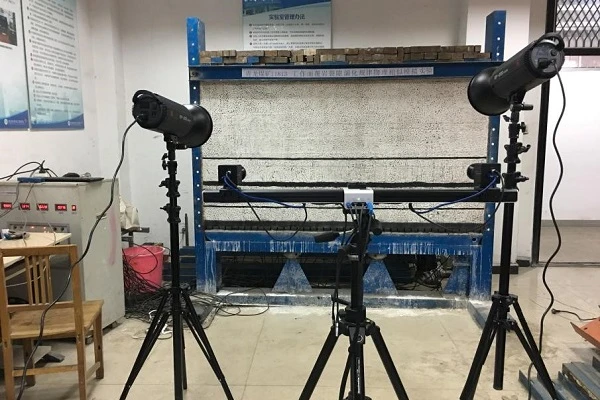
    Similarity simulation experiments are one of the primary methods for studying indoor mining models. Traditional observation methods rely primarily on physical or mechanical measurements, which suffer from drawbacks such as cumbersome installation of observation devices or sensors, high workload, and limited sampling points. The XTDP 3D optical photogrammetry system, incorporated into similarity model observations, provides a convenient measurement method for similarity model experiments in mining.
    2025-03-27
  • 3D photogrammetry, 3D static deformation measurement
    The XTOP3D XTDP 3D optical photogrammetry system, based on the principles of close-range industrial photogrammetry, takes multi-angle photos of cylindrical parts with markers attached to their surfaces. It can calculate the 3D coordinates and displacements of the markers before and after welding, and analyze the full-field 3D static deformation of cylindrical parts during welding.
    2025-03-27
  • Automated 3D scanning inspection,Automated 3D scanning inspection
    On standardized production lines, manual inspections are difficult to guarantee in terms of efficiency and repeatability, necessitating the use of automated 3D scanning and inspection methods. The XTOM-TransForm-ROB automated 3D inspection system meets these requirements, integrating data acquisition, inspection, and analysis. While ensuring measurement accuracy, it significantly improves scanning and inspection efficiency.
    2025-03-27
  • Automated 3D measurement system, automated 3D dimension detection of automotive parts
    The XTOP3D XTOM-TRANSFORM-ROB mobile automated 3D measurement system has been successfully implemented in the automotive manufacturing industry. It can be used to accurately measure the critical dimensions of various automotive parts, such as the surface, contour, and hole position. This helps manufacturers reduce scrap, production waste, and rework, and accelerate the development and time-to-market of new products.
    2025-03-27
  • Blue light 3D scanner, automated 3D scanning and inspection, 3D inspection of automotive parts
    The XTOP3D XTOM-TransForm automated 3D scanning and inspection system automatically scans and measures the entire front longitudinal beam weld assembly and sheet metal stampings of a vehicle, providing comprehensive product inspections with accurate, reliable, and traceable measurement results. Automated 3D inspection significantly improves product inspection efficiency and ensures quality control in production.
    2025-03-27
  • High-precision 3D scanning technology, Metrology, industrial inspection, reverse engineering
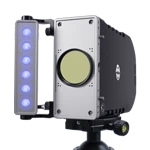
    The Blue Light 3D Scanner utilizes the blue light grating projection principle to maintain product stability and accuracy under various environmental conditions. High-precision data acquisition not only meets the needs of refined research but also provides detailed and accurate data foundation for complex scientific problems, greatly enhancing the reliability and depth of scientific research.
    2025-04-21
  • XTOM small format 3D scanner, small parts 3D size detection, metrology, industrial inspection, reverse engineering
    The XTOP3D XTOM small-format 3D scanner is suitable for measuring small-sized parts in 3C electronics and injection molding. It is equipped with 200×150mm and 100×75mm small-format industrial lenses, ensuring high-precision measurement of the surface of small parts. It can quickly scan the full size of small lens components, including the workpiece surface, hole positions, and boundaries.
    2025-03-25
  • Photographic 3D scanner, structured light scanner, 3D scanner, reverse engineering, metrology
    Recreating a part or product without schematics or digital design files was once a daunting task. Reverse engineering involves taking precise manual measurements of an object to create a blueprint. Using blue light 3D scanning technology and easier-to-use software, models and prototypes can be quickly produced, significantly improving reverse engineering and production efficiency.
    2025-04-21
  • Industrial-grade blue light 3D scanner, mold 3D scanning and detection
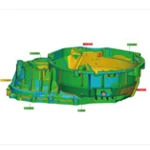
    The XTOM industrial-grade blue-light 3D scanner scans the laptop back panel mold from multiple angles, generating a high-density point cloud in real time. The scanning software removes stray points, smoothes the surface, and automatically stitches it into a complete 3D data model. The scanned 3D digital model and the original design CAD are imported into the inspection software for 3D deviation analysis (the color difference map shows the out-of-tolerance areas) and key dimensions are inspected and verified.
    2025-03-25
  • High-precision 3D scanners,XTOP3D
    The XTOM high-precision blue-light 3D scanner is used for 3D scanning, reverse modeling and virtual display of cultural relics. It can completely and accurately capture the size, texture, details, etc. of cultural relics. It plays an important role in the fields of 3D modeling, virtual restoration, reproduction and creative design of cultural relics, and has opened up new methods and approaches for the protection, restoration and research of cultural relics.
    2025-04-21
  • Metrology-grade 3D scanner, XTOP3D, large wind turbine hubs, photo scanner, optical scanner
    Using 3D photogrammetry technology and a large-format blue-light 3D scanner, massive amounts of data are transmitted and processed in real time during the wind turbine hub scanning and inspection process, generating a triangulated mesh in real time. This allows for convenient on-site viewing of detailed and complete 3D model data of the wind turbine hub, enabling timely identification and correction of gaps.
    2025-04-21
  • Blue light 3D scanner, photo 3D scanner, 3D inspection of automotive structural parts
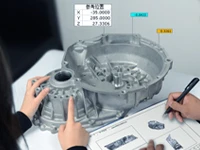
    The XTOP3D XTOM photographic blue-light 3D scanner projects a grating pattern onto the surface of the object being measured. Two high-resolution industrial cameras capture the deformation fringes and calculate the 3D coordinates of the part surface using triangulation principles. By importing the 3D scanned model into inspection software, full-scale inspection is possible, including rapid measurement of values ​​such as hole spacing. A color spectrum chart visually displays surface deviations during machining.
    2025-03-25
  • Blue light 3D scanner, 3D inspection of mobile phone injection molded parts
    Faced with the inspection challenges posed by the thinness and small size of mobile phone flash modules, as well as the high requirements for surface and positional inspection accuracy, the XTOP3D XTOM-MATRIX photographic blue light 3D scanner was used to obtain complete 3D data of the module components from different angles, and combined with inspection software to perform 3D full-size inspection and analysis.
    2025-03-25
  • XTOP3D, 3D photogrammetry,blue light 3D scanner
    The use of 3D photogrammetry technology + high-precision 3D scanners can effectively help hydropower equipment service providers complete 3D inspection of large turbines, detect dimensional deviations of blades, ensure that blades meet production and assembly standards, significantly improve the efficiency and accuracy of quality control of large-scale hydropower equipment, and greatly enhance the production efficiency of the energy equipment industry.
    2025-04-21
  • Sheet metal forming limit measurement, forming limit FLC analysis of thin-walled parts for electric vehicles
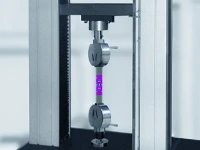
    The XTOP3D XTDIC-FLC three-dimensional sheet metal forming limit measurement system, combined with a sheet metal forming test device, can quickly complete the surface strain distribution of thin-walled specimens throughout the forming process, analyze two sets of data: primary strain and secondary strain, and perform quadratic curve fitting on each set of data. The fitting points can be used to output FLC curve data.
    2025-03-25
< 1 2 3 4 5 6 7 8 9 >