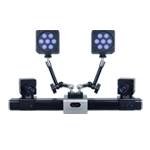
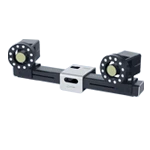
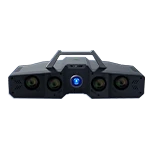
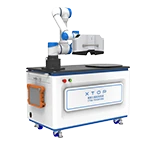
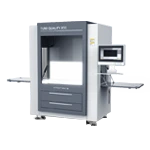
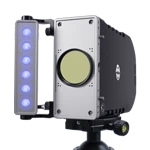
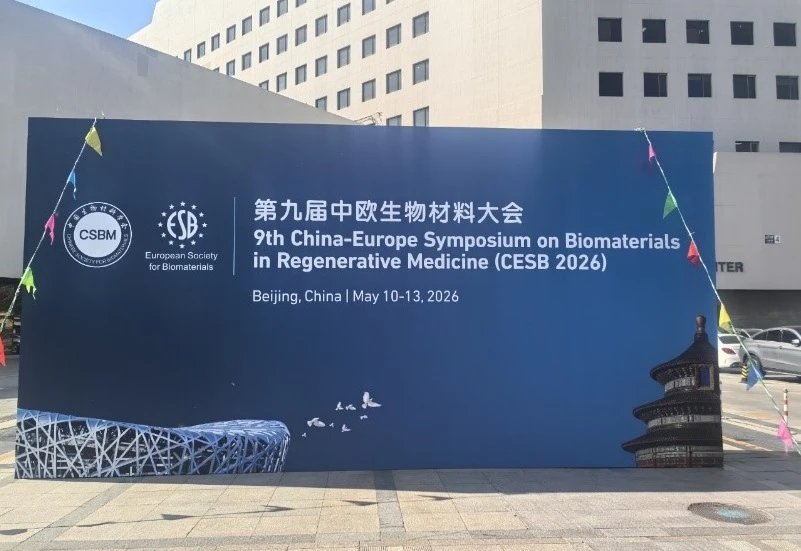
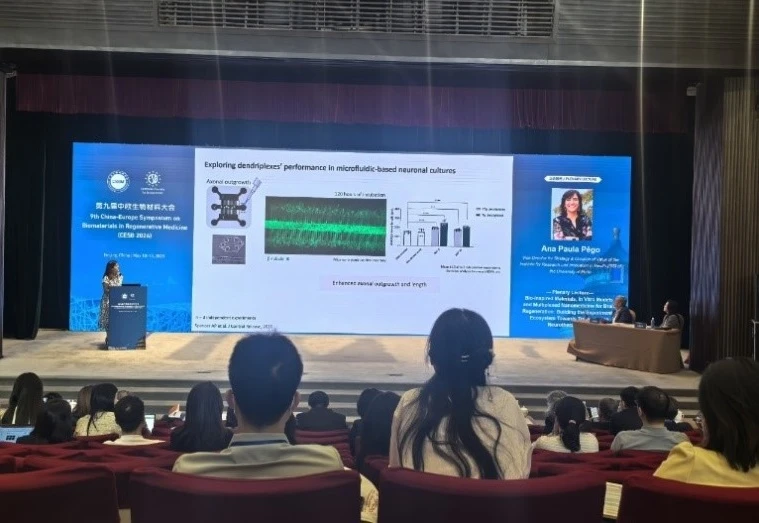
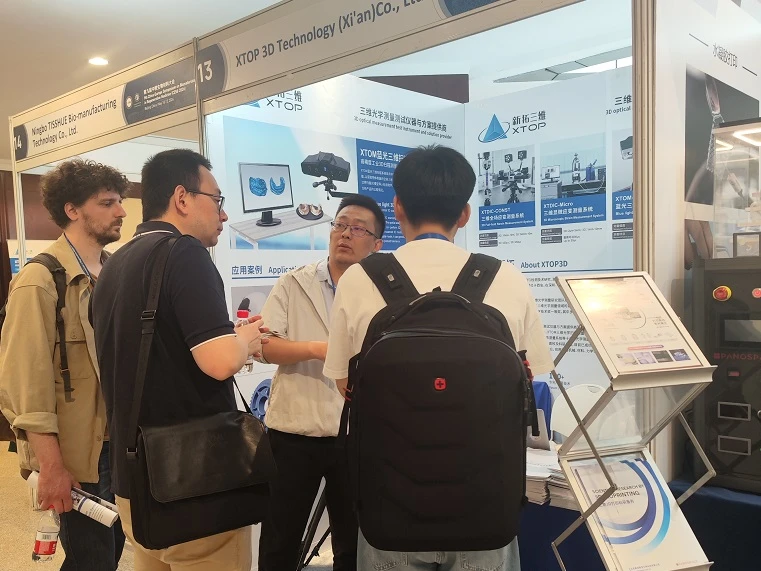
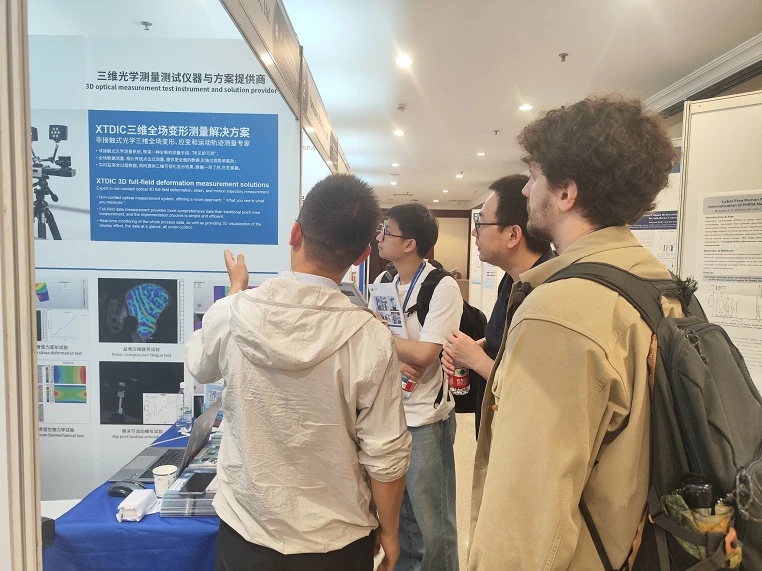
The 9th China-Europe Symposium on Biomaterials (CESB 2026) was grandly held at the Beijing International Convention Center from May 10 to 13, 2026, co-hosted by the National Center for Nanoscience and Technology (NCNST) and Peking University. As an innovator in 3D optical measurement technology, XTOP3D showcased its XTDIC 3D full-field strain measurement system at this prestigious academic event. The company demonstrated to leading scholars, researchers, and industry representatives from China and Europe the cutting-edge applications, practical case studies, and immense potential of high-precision, non-contact optical measurement technology in the fields of biomechanics, medical devices, and advanced materials research.
Focusing on Biomechanics: Precisely Quantifying Material and Tissue Behavior
The research, development, and evaluation of biomaterials—particularly regarding performance verification for implantable medical devices and biomechanical studies in tissue engineering—urgently require precise, visual, and full-field characterization of the mechanical behavior of materials and structures under simulated physiological conditions.
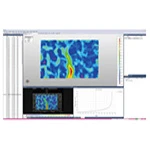
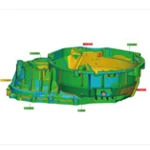
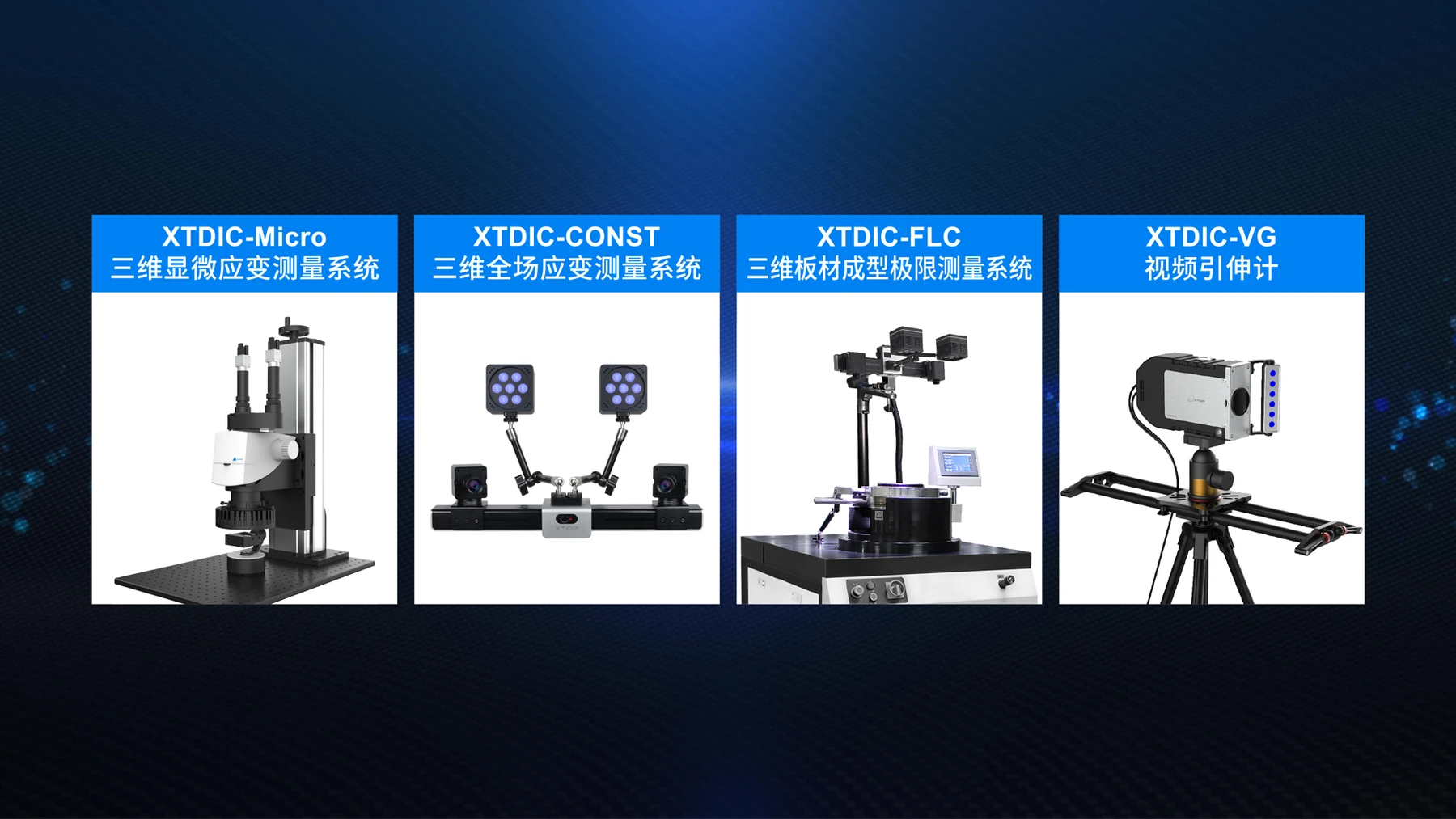
XTOP3D’s XTDIC (Digital Image Correlation) 3D full-field strain measurement system has become a vital research tool in this field, thanks to its unique advantages: non-contact operation, high precision, and full-field coverage. It enables real-time, dynamic measurement of 3D deformation, displacement, and full-field strain distribution in samples under load, transforming mechanical behaviors invisible to the naked eye into intuitive, quantitative data and imagery.
Showcase of Typical Application Cases: From Basic Research to Product Validation
At the conference, Xintuo 3D vividly demonstrated—through a series of detailed, representative case studies—how XTDIC technology addresses key challenges in biomaterials research:
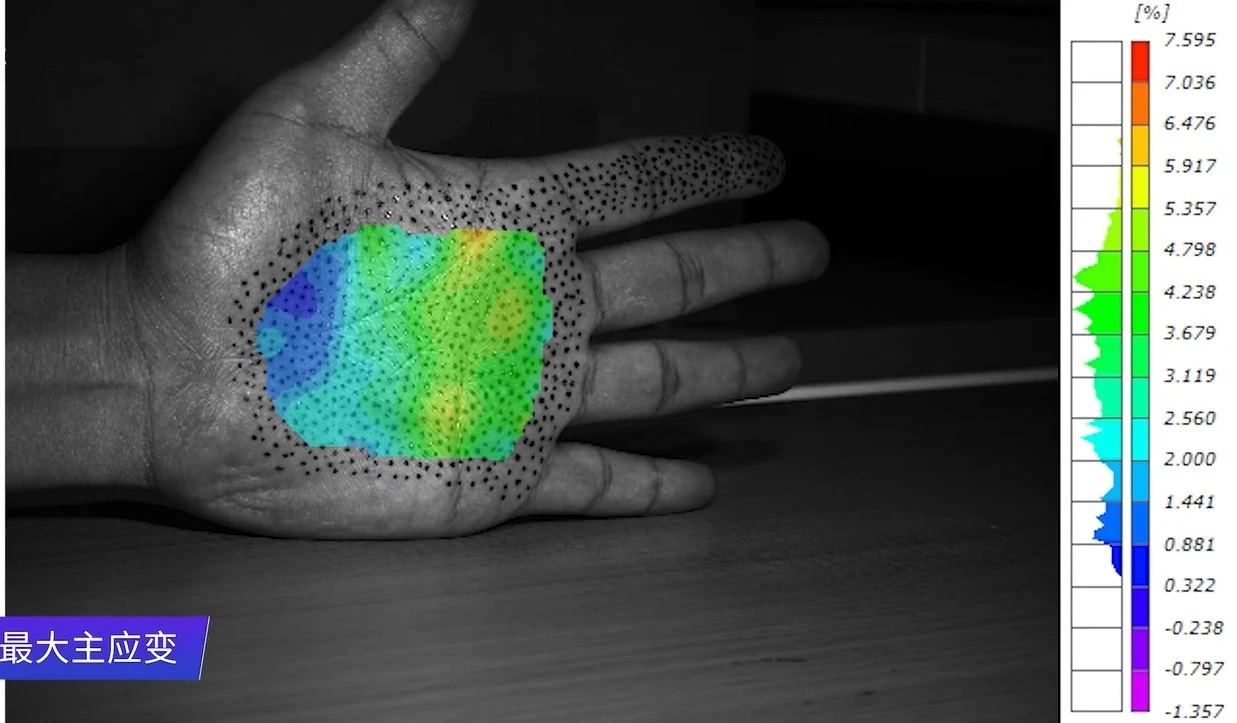
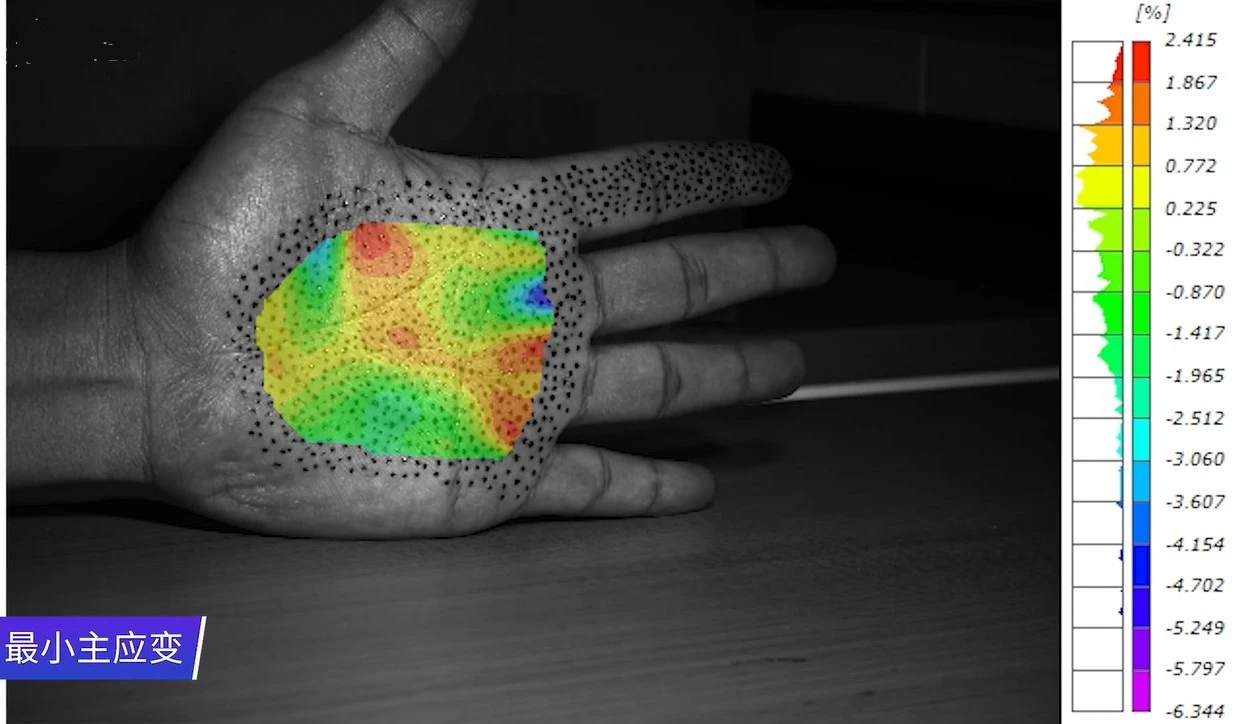
Testing of Palm Skin Flexibility and Mechanical Properties
Quantitatively assessing the mechanical response of skin under stretching, bending, and torsion is crucial in fields such as skin biomechanics, skincare product efficacy evaluation, and the design of rehabilitation aids. The XTDIC system enables non-contact, full-field 3D strain measurement of skin on the back of the hand or specific palm areas under controlled deformation. Researchers can precisely determine parameters such as directional stretch ratios, strain distribution uniformity, and stress relaxation/recovery processes. This allows for the scientific evaluation of skin flexibility, elastic modulus, and the extent of aging or damage, providing objective data to support the development of functional skincare products, the ergonomic design of wearable devices, and the assessment of scar treatments.
Biomechanical Characterization of Soft Tissues
XTDIC technology offers unique advantages for the characterization of blood vessels, tendons, ligaments, biomimetic soft tissue materials, and tissue engineering scaffolds. For instance, in vascular models simulating pulsatile flow, the system enables the dynamic monitoring of circumferential and axial strains in the vessel wall, facilitating the analysis of mechanical properties. During tensile testing of tendons and ligaments, it allows for the precise measurement of strain distribution along the length, helping to identify potential points of weakness. Regarding porous soft tissue engineering scaffolds, the technology enables the non-destructive assessment of the relationship between macroscopic deformation and internal structural changes under compression or shear, providing a direct basis for optimizing scaffold mechanical properties to match those of host tissues.
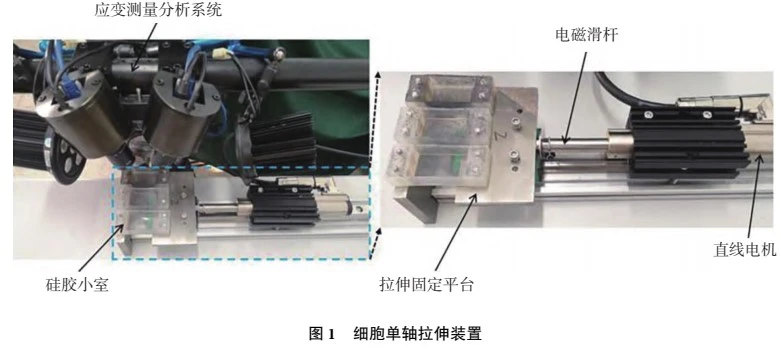
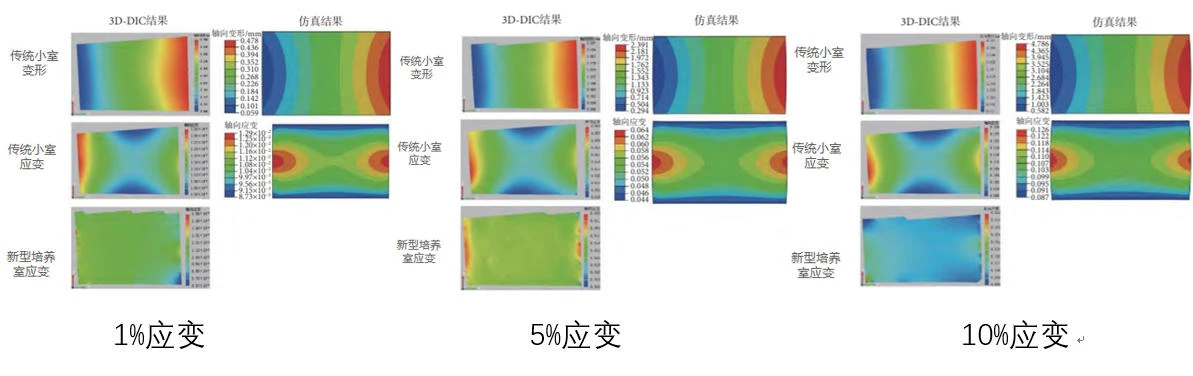
Analysis of strain fields in cell cultures using Micro-DIC technology and comparison with finite element simulation.
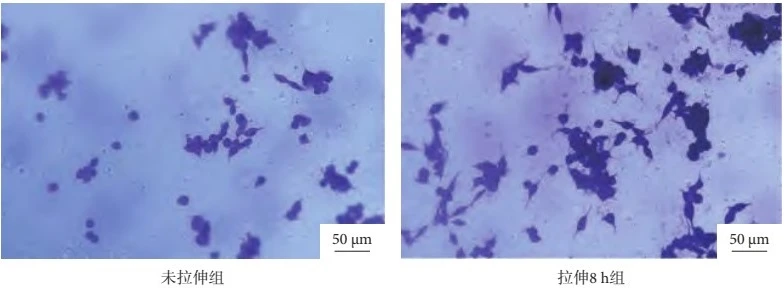
Deformation Analysis of Tongue Squamous Cell Carcinoma Cells Under Loading
Research on the Mechanical Properties of Bone and Bone Substitutes
The XTDIC system is widely used for the mechanical testing of bone, artificial bone, bone cement, and bone plate-screw constructs. During bone bending or compression tests, the system clearly visualizes the full-field strain distribution on the bone surface, intuitively revealing stress transmission paths as well as potential zones of crack initiation and propagation. For bone substitute materials, the system enables a comparative analysis of strain responses versus natural bone under identical loading conditions, facilitating the assessment of mechanical compatibility. In the testing of orthopedic implants, it allows for the precise measurement of micromotion and strain at the bone-implant interface and the investigation of stress shielding effects, providing critical feedback for the optimization of implant design.
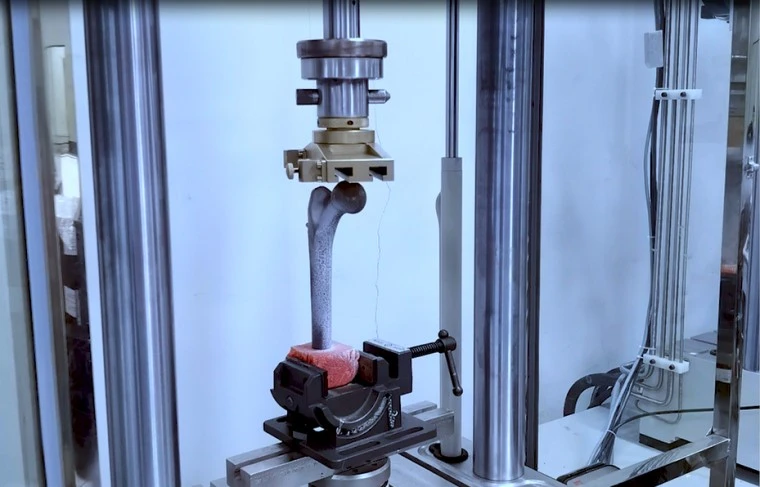
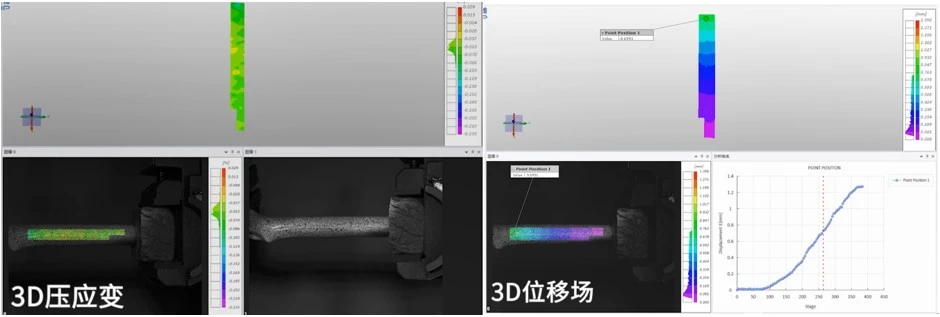
Bone compression deformation test
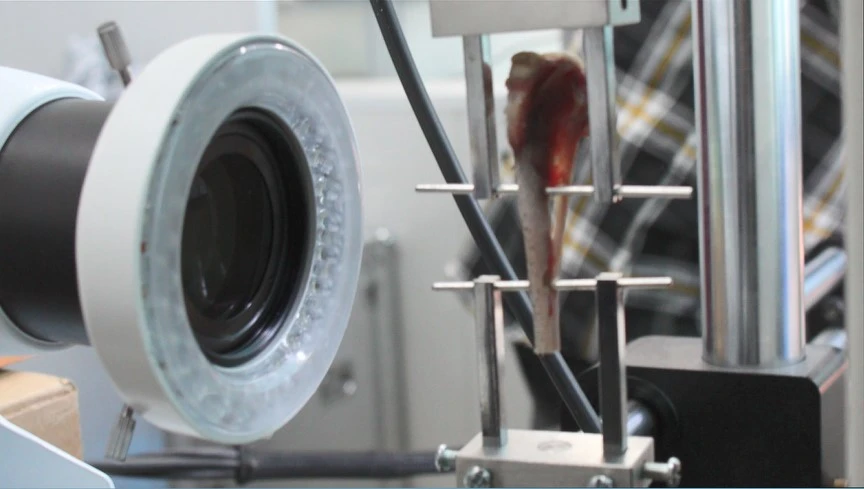
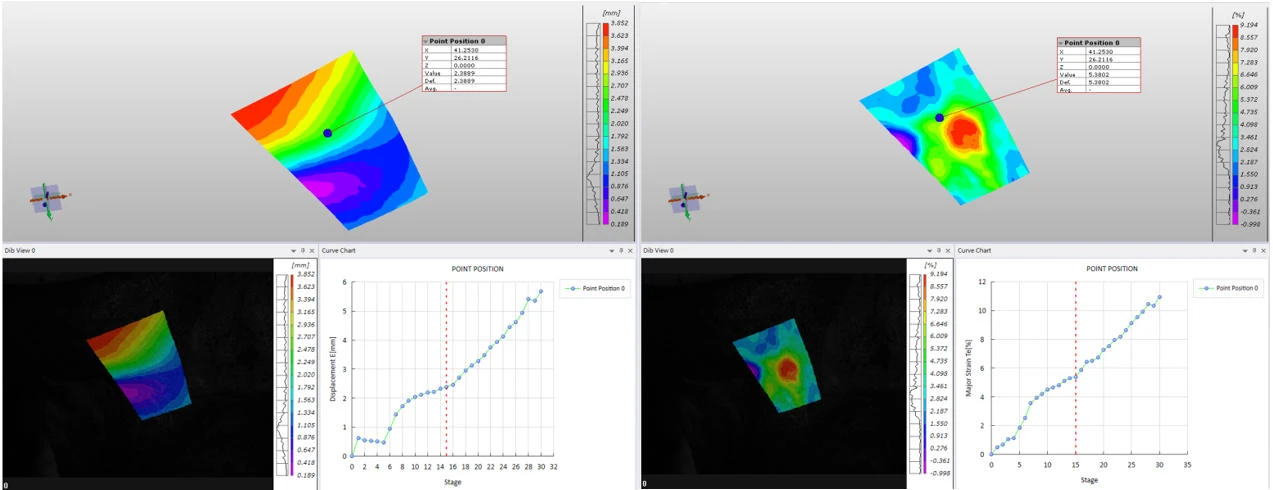
Bone Tensile Deformation Test
Biomechanics and Biomimetic Analysis
Integrating the XTDIC system with motion capture technology enables the expansion of research into biomechanics at a more macroscopic scale. For instance, in gait analysis, it allows for the measurement of surface strain fields on key areas of the foot or a prosthesis throughout the gait cycle, facilitating an analysis of their loading conditions. In the field of sports rehabilitation, the technology can be used to evaluate strain patterns in muscle groups (via surface markers) or protective gear during specific movements. It also supports the study of mechanical mechanisms underlying biological movements—such as insect flight and fish swimming—providing mechanical inspiration from nature for the design of biomimetic robots. XTDIC technology enables the quantitative capture of localized mechanical details during dynamic and complex biological movements.
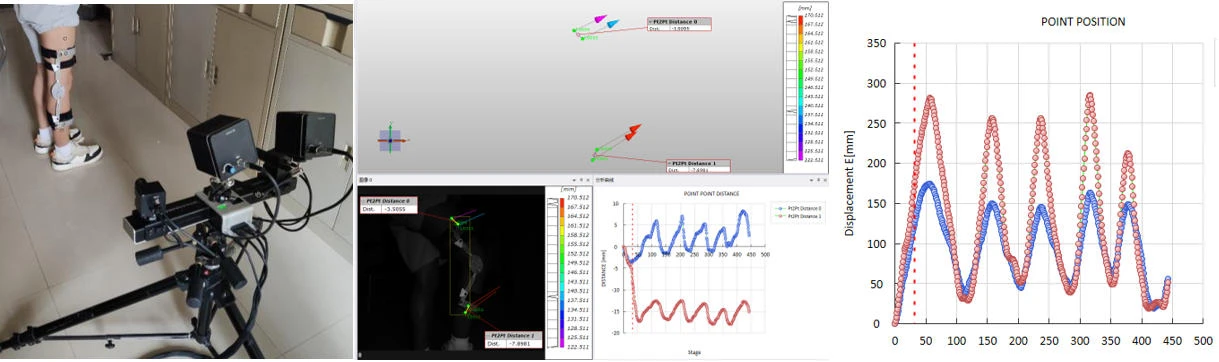
Kinematic displacement of leg braces under different conditions
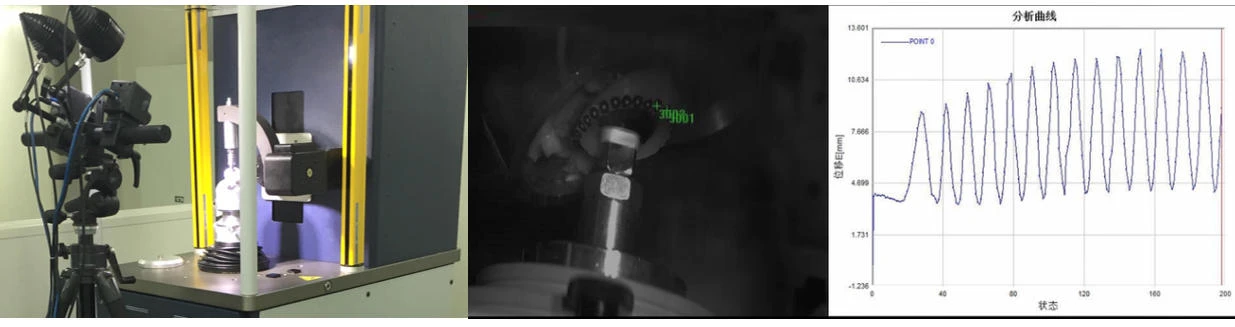
Hip joint movement simulation
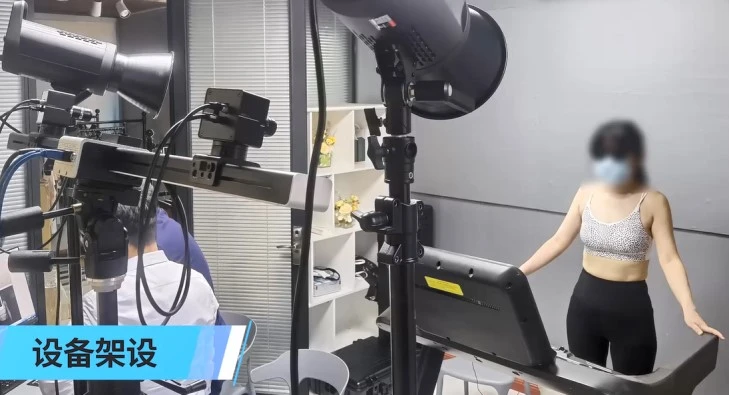
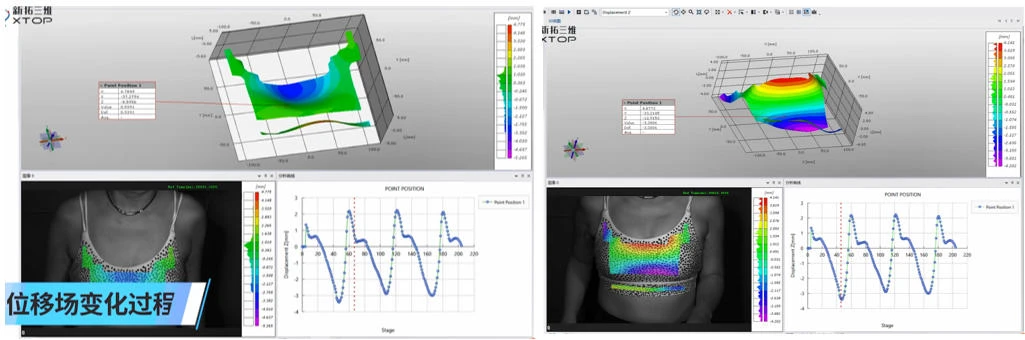
Shock-absorption test for sports bra materials
Empowering the full R&D lifecycle and accelerating the pace of innovation
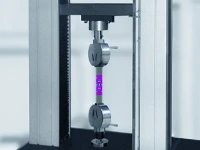
With its high sensitivity, high spatial resolution, and robust dynamic analysis capabilities, XTOP3D’s XTDIC system is perfectly suited for the entire R&D chain—ranging from fundamental material property research, product conceptual design, and prototype optimization to fatigue reliability verification, failure analysis, and compliance testing (e.g., ISO, ASTM, and YY/T standards). The XTDIC system integrates seamlessly with equipment such as universal testing machines, dynamic fatigue testers, and bioreactors, enabling synchronized mechanical loading and optical measurement.
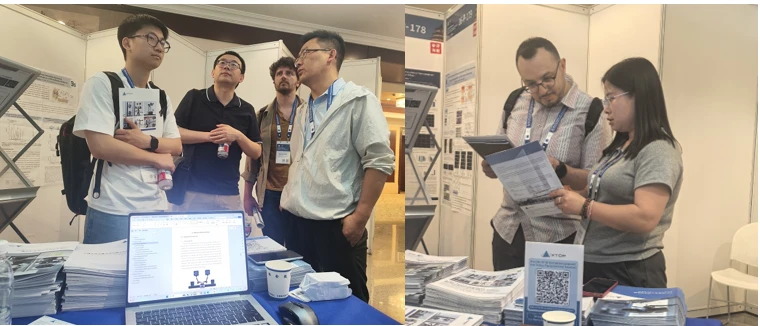
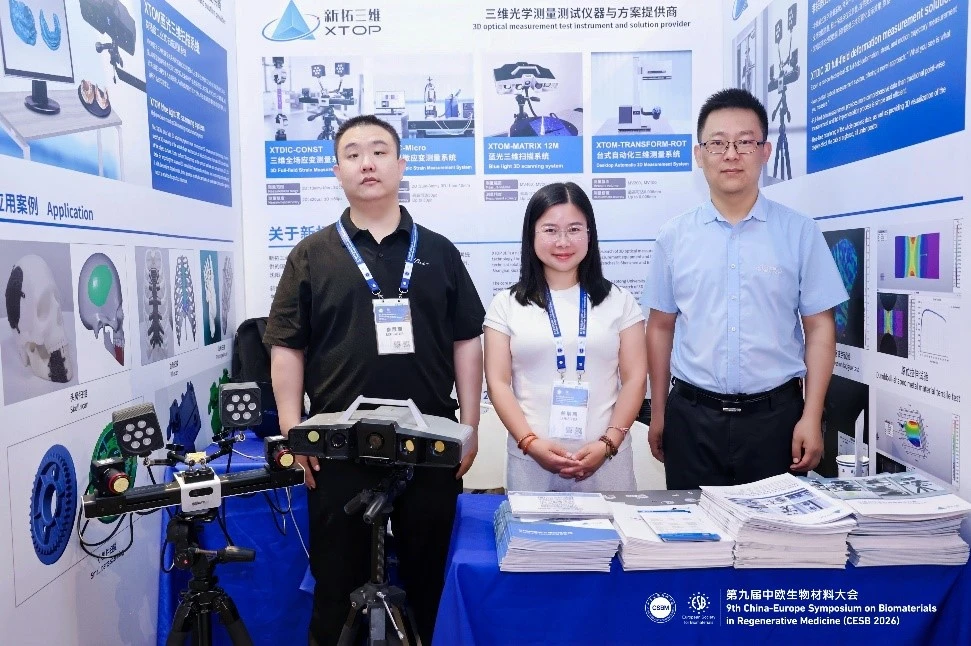
At the conference’s dedicated exhibition booth and technical sessions, sales managers and DIC technical engineers from XTOP3D’s Beijing office engaged in in-depth discussions with domestic and international attendees. Together, they explored how 3D full-field strain measurement—acting as both an "eye" and a "ruler"—can reveal the intrinsic mechanical behavior of materials more profoundly, shorten R&D cycles, and enhance the safety and efficacy of medical devices.
Advancements in biomaterials science and medical devices increasingly rely on interdisciplinary, precision measurement and characterization techniques. Xintuo 3D remains committed to advancing non-contact optical measurement technologies; by closely aligning with the specific needs of the biomedical engineering sector and collaborating with global partners in academia and industry, the company aims to drive the digitalization, visualization, and precision of the entire value chain—from material design to industrial application—thereby safeguarding technological innovation in the fields of life and health through innovative measurement solutions.