The 3rd National Academic Symposium on Fatigue for Young Researchers—a premier event in the field of fatigue research for materials and structures—was held at the Liaoning Friendship Hotel from October 18 to 20, 2019.
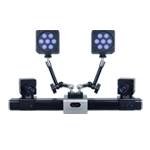
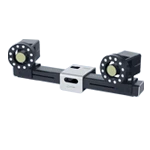
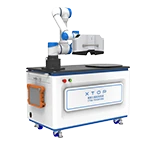
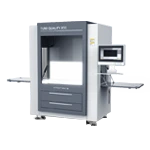
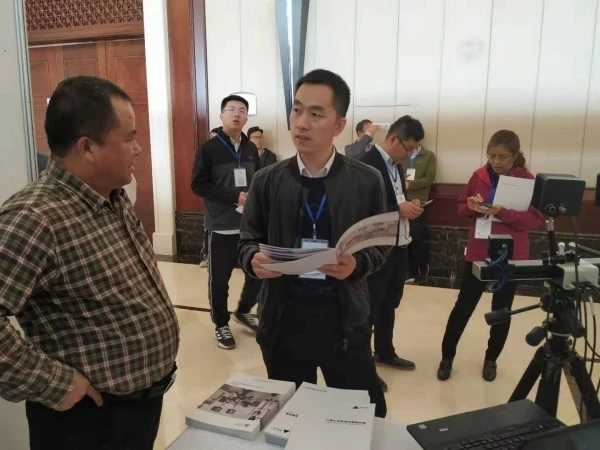
At the symposium, XTOP3D showcased its cutting-edge XTDIC 3D full-field strain measurement and analysis system, attracting significant attention from experts, scholars, research institutes, and enterprises engaged in related research and applications.
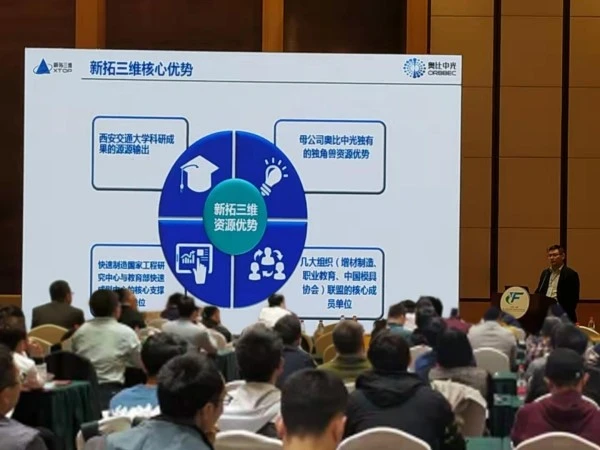
Seminar Overview
Hosted by the Chinese Materials Research Society and the Institute of Metal Research, Chinese Academy of Sciences, the seminar aims to showcase the latest progress and research achievements of young Chinese scholars in the field of fatigue—specifically regarding evaluation and characterization, micro-mechanisms, and life prediction. It seeks to establish a platform for exchange, discussion, and collaboration, thereby advancing technological development and theoretical research in this field and contributing to national economic construction and social development.
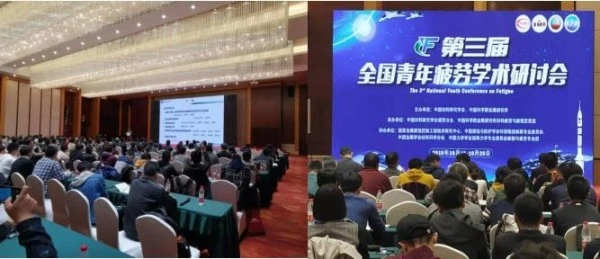
This symposium attracted nearly 200 registered participants, drawing experts, scholars, researchers, engineering technicians, and representatives from enterprises and institutions across the country who are active in relevant research and application fields. The presentations focused on four main themes: fatigue of materials and structures; fatigue testing and characterization of materials and structures; fatigue properties and micro-mechanisms of materials; coupled damage behavior in complex environments; and fatigue performance prediction for critical structures.
XTOP3D Supports Research on Material and Structural Fatigue
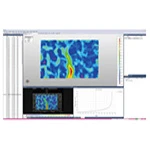
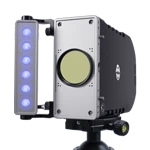
XTDIC 3D Full-Field Strain Measurement and Analysis System
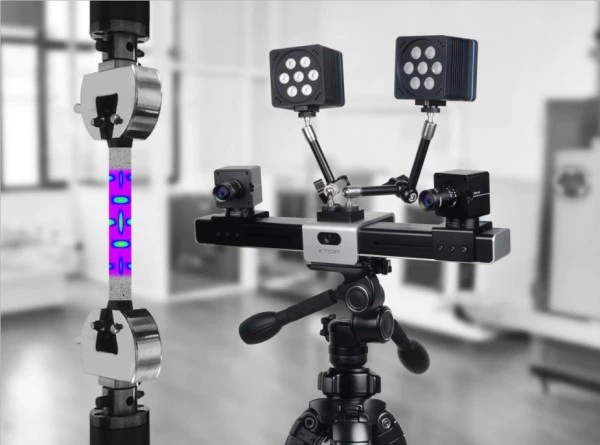
High-precision measurement enabling instantaneous capture of strain data for materials and structures.
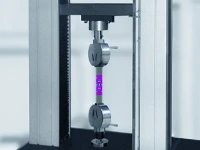
As key sectors in my country—such as aerospace, transportation, construction materials, metallurgy, mining, and petrochemicals—undergo rapid development, the issues of fatigue and fracture in materials and structures present both new opportunities and challenges. The XTDIC 3D full-field strain measurement and analysis system supports young experts and scholars in their technical development and theoretical research within the field of fatigue analysis.
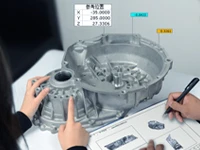
Incorporating core algorithms with proprietary intellectual property rights, the XTDIC system achieves world-class technical performance, offering exceptional precision and the ability to capture intricate details. When paired with various image acquisition hardware, it can measure objects ranging from the nanoscale to kilometer-scale satellite imagery, vastly expanding the system's capabilities regarding maximum scanning dimensions and precision.
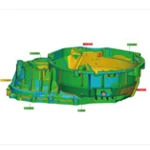
The XTDIC 3D full-field strain measurement and analysis system eliminates the need for strain gauges, system calibration, or warm-up periods, enabling the rapid acquisition of high-precision 3D models. The measurement process is fully traceable and evaluable; the captured digital image data can be re-analyzed to meet various research objectives without the need for repeat testing, thereby saving time and costs.
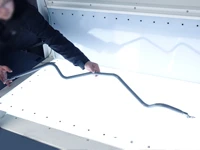
Utilizing non-contact measurement technology, the XTDIC system scans materials and structures under complex operating conditions, achieving true non-destructive testing. It is suitable for static or dynamic measurements across a wide range of materials and structures, making it ideal for scientific research and engineering measurements in disciplines such as mechanical engineering, materials science, mechanics, architecture, and civil engineering.
XTOP3D has long focused on the field of 3D industrial inspection. Committed to independent innovation, the company continuously breakthroughs key technologies, enhances inspection precision and efficiency for materials and structures, and provides professional digital 3D inspection solutions for critical sectors in my country, including transportation, construction materials, metallurgy and mining, and petrochemicals.