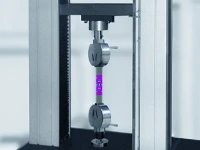
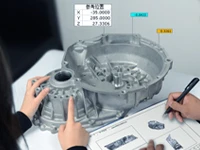
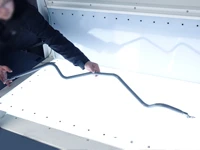
On August 19–20, the 20th National Conference on Fatigue and Fracture was grandly held in the beautiful mountain city of Chongqing, China. The event was jointly organized by the Chinese Society for Corrosion and Protection, the Chinese Mechanical Engineering Society, the Chinese Materials Research Society, the Chinese Society of Aeronautics and Astronautics, the Chinese Society for Metals, and the Chinese Society of Theoretical and Applied Mechanics, drawing over 600 experts, scholars, and researchers.
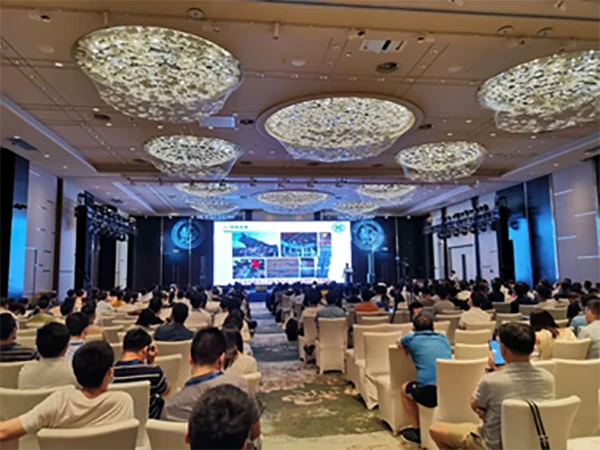
At the academic conference
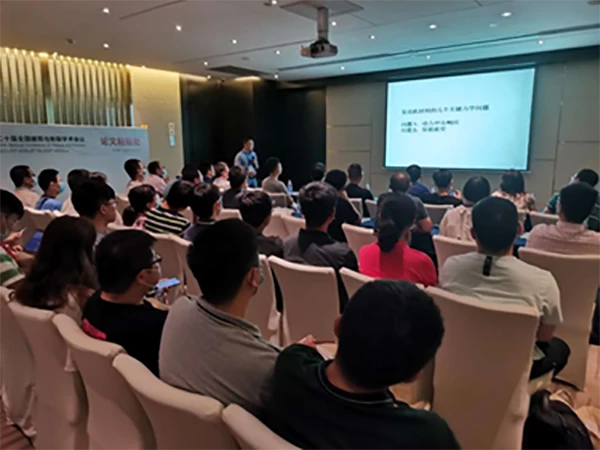
At the academic conference
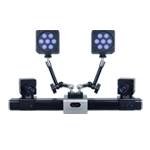
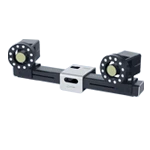
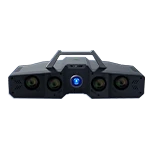
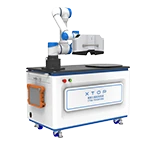
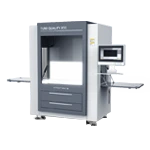
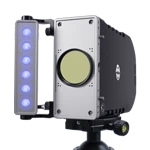
As a leader in 3D industrial inspection technology, XTOP3D showcased its proprietary XTDIC 3D optical strain measurement system at the conference, demonstrating its applications in fatigue and fracture research. The system attracted significant attention from attendees thanks to its wide measurement range, high level of automation, adaptability to various environments, and robust strain measurement capabilities.
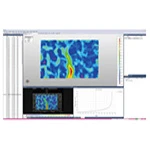
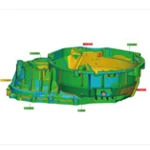
The XTOP3D XTDIC system enables full-field data acquisition on the surface of test specimens during experiments; it calculates displacement information using advanced algorithms and simultaneously outputs strain data, allowing for the analysis of deformation behavior in materials and structures under load. At the event, representatives from renowned university mechanics departments and quality inspection agencies engaged in in-depth discussions with XTOP3D’s technical engineers regarding the equipment's stability and reliability.
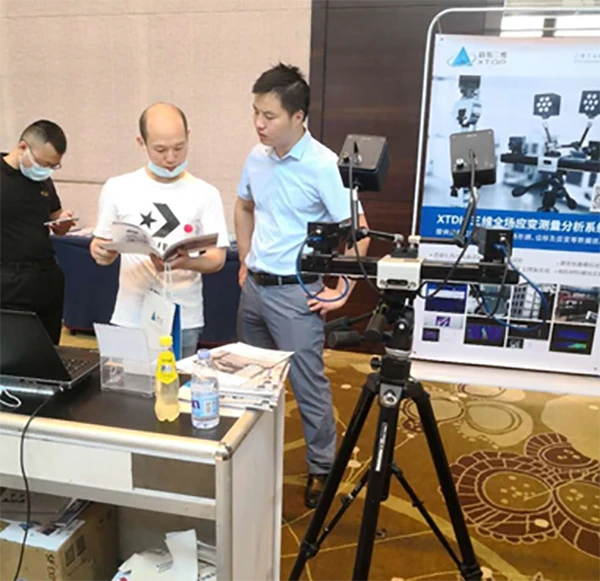
Experts attending the conference visited the XTOP3D booth for exchanges.
During discussions, experts noted that fatigue and fracture directly impact the serviceability of structures; consequently, the industry places great importance on researching the mechanisms of fatigue fracture and corresponding preventive measures. DIC technology is not only suitable for static mechanical testing but also holds significant promise for fatigue research involving dynamic mechanical testing. Experts further observed that the equipment is well-suited for displacement and strain measurement, offering a convenient process and providing rich, comprehensive data that greatly facilitates experimental research.
DIC technology is a modern, non-contact optical measurement method. XTOP3D holds independent intellectual property rights for the complete XTDIC system—encompassing algorithms, software, and hardware—and the equipment’s overall performance rivals that of leading international systems. It is widely applicable to testing the dynamic performance, fatigue characteristics, and static mechanical properties of various materials, structural elements, and components.
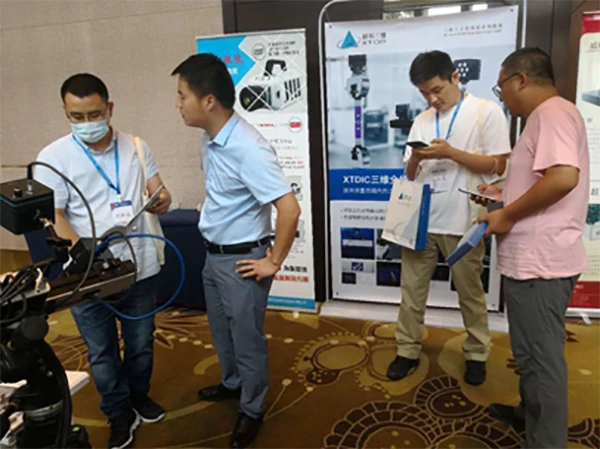
XTOP3D technical engineers introduce product applications.
During the presentation, an XTOP3D technical engineer stated: "By showcasing the XTDIC system at this conference, we hope—through on-site interaction and product demonstrations—to familiarize experts with the application of XTOP3D solutions in the fields of fatigue and fracture research. Leveraging robust data acquisition and algorithmic analysis capabilities, our systems provide critical analytical data to enhance mechanical design and material quality inspection."
Over the course of the two-day conference, XTOP3D effectively showcased its brand and products. As a provider of 3D optical measurement solutions, every technological breakthrough marks a step forward for XTOP3D in the realm of 3D strain testing for materials and structures, while every instance of customer recognition drives the company to keep progressing. XTOP3D remains committed to delivering increasingly stable and reliable products and services to its users.
Next, we will highlight several typical test cases in the fields of fatigue and fracture mechanics that utilize XTOP3D’s XTDIC technical solutions.
Structural Fatigue Testing under Load
Material fatigue is a phenomenon where a structure fails during the application of a load. Even when the applied load is below the material's static strength, structural deformation or damage can occur; indeed, structural deformation and fatigue are common causes of mechanical structural failure.
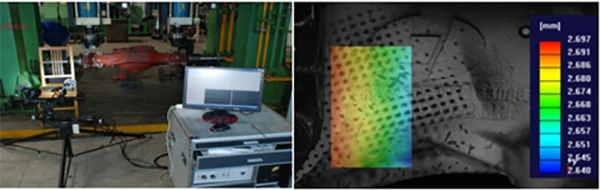
Strain measurement results for structural components
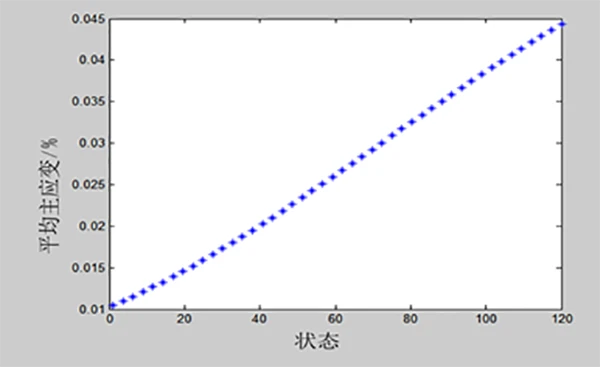
Average principal strain curve of the tested area
Crack Growth Testing
Ductile materials are susceptible to brittle fracture during service, even when stresses remain below the yield limit. Fracture mechanics employs fracture toughness to quantify the critical stress required for crack propagation—leading to material failure—in the presence of pre-existing internal or structural defects.
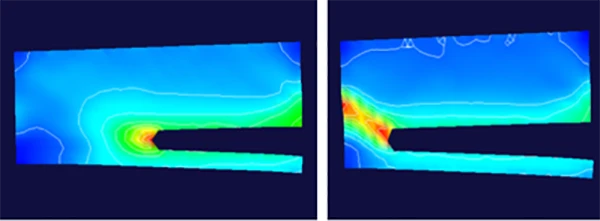
Strain distribution during the fracture process
Bending/Compression Deformation Test
This test evaluates the bending performance of materials under load, verifying their load-bearing compression and flexural strength. It facilitates material assessment and quality control, determines structural bending characteristics, and validates the material's design for intended service conditions.
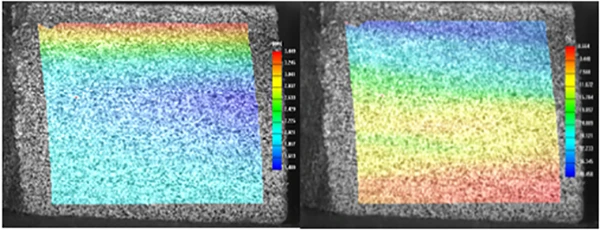
Displacement and strain fields in compression tests
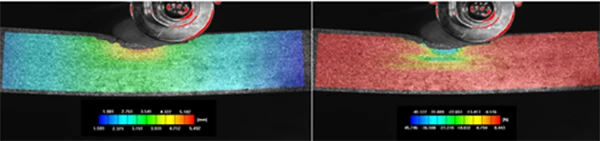
Displacement and strain fields in the three-point bending test
Hopkinson Bar Tensile Testing
The Hopkinson bar tensile test is used to acquire stress-strain curves of material specimens during dynamic tension, enabling the study of dynamic mechanical properties under dynamic loading and facilitating the engineering design and application of materials.
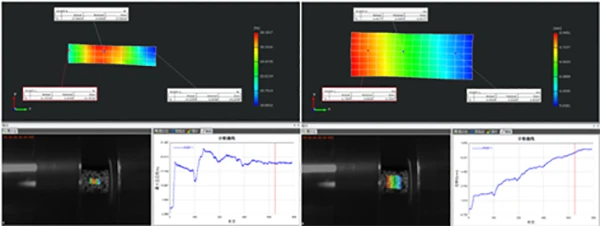
Strain and displacement fields of material specimens
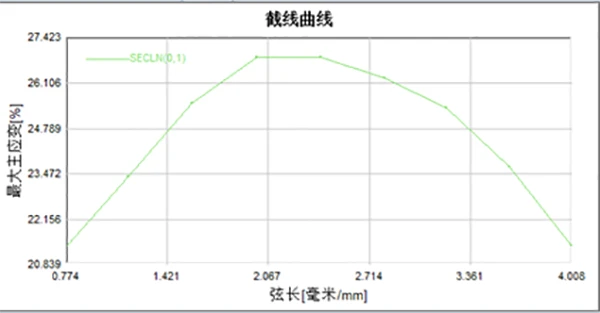
Strain distribution along the axial cross-section