In recent years, the rapid development of engineering construction in my country has led to the emergence of numerous new structural systems. To further advance academic research and technological innovation regarding new materials and structural systems in civil engineering, strengthen ties and establish cooperative channels among the engineering sector, material enterprises, and academia, and accelerate the practical application of these new materials and structures, the 2nd Academic Conference on New Materials and New Structural Systems in Civil Engineering was held in Guangzhou from September 25 to 27, 2020.
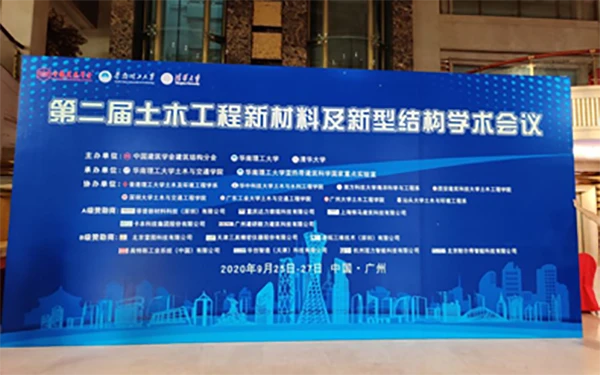
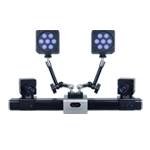
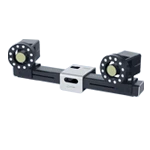
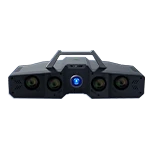
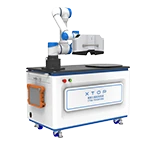
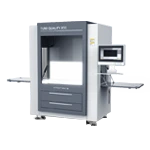
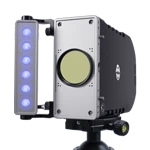
As one of the invited participating companies, XTOP3D showcased its XTDIC 3D optical strain measurement and analysis system at a dedicated exhibition area. The company demonstrated the significant achievements of DIC technology in the testing of civil engineering materials and structures, attracting numerous industry experts and scholars to visit the booth.
A representative from XTOP3D stated at the conference: "XTOP3D’s independently developed DIC solutions have been successfully adopted by civil engineering and architecture departments at many prestigious universities. These systems enhance measurement accuracy for researchers and ensure the authenticity and reliability of experimental results. Regarding service responsiveness, we leverage a network of branches and offices across multiple cities to provide nationwide users with comprehensive, one-stop services, including on-site demonstrations, pre-sales training, and post-sales maintenance."
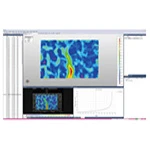
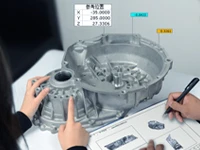
The XTDIC 3D strain measurement and analysis system utilizes binocular stereo vision technology. By tracking speckle patterns on an object's surface, it measures 3D coordinates, displacement, and strain during deformation. The system is suitable for acquiring data in various tests involving civil engineering materials and structures, such as compression, slippage, tension-compression fatigue, and seismic performance testing.
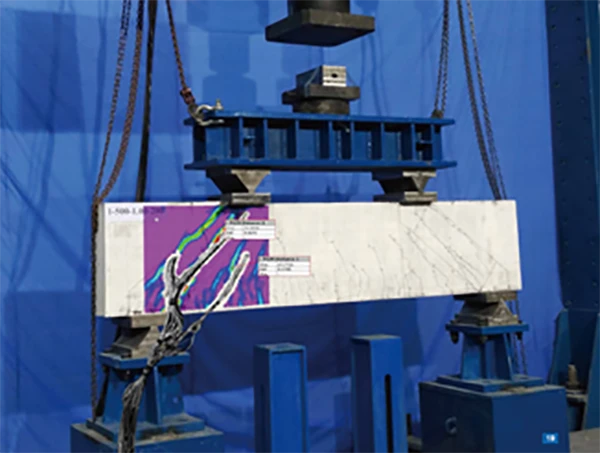
Testing of Civil Engineering Materials and Structures
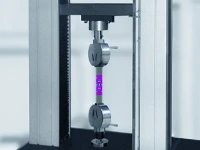
Steel structures utilize alloy materials that are widely employed in the field of civil engineering and construction. Modern structures require steel to possess not only the strength to enhance load-bearing capacity and resistance to deformation but also good ductility and toughness to prevent the unexpected failure of materials and components. The Digital Image Correlation (DIC) method enables the measurement of mechanical properties—such as tension, compression, and torsion—as well as the observation of failure processes in steel structures; this data facilitates finite element analysis and optimization of steel structure models in accordance with engineering requirements.
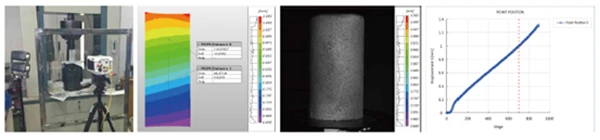
High-speed compression test of materials
Furthermore, concrete structures are widely used in civil engineering; however, due to the complexity and diversity of these structures, the inevitable occurrence of cracks and other forms of failure during construction affects their service performance and durability. Utilizing Digital Image Correlation (DIC) technology to test compressive strength and deformation characteristics—and to study novel concrete materials—can provide a reliable data basis for ensuring the safe use of building structures.
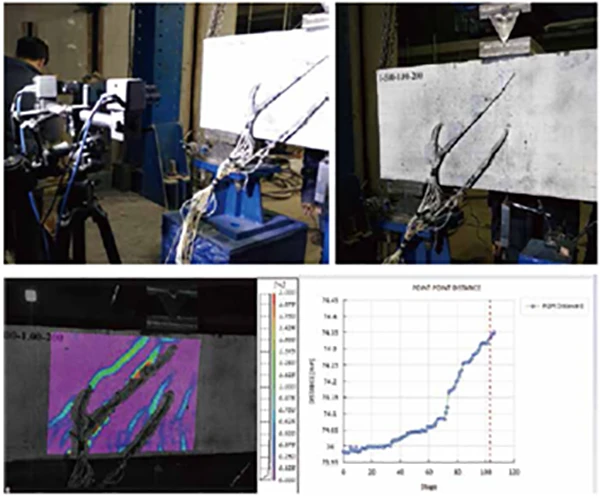
Four-point bending test of concrete
Dynamic Measurement of Vibration-Induced Displacement in Civil Engineering Structures
As the height of modern buildings continues to increase and skyscrapers rise, hybrid structural systems are being widely adopted in super-tall buildings; consequently, investigating the failure mechanisms and seismic performance of these systems under earthquake loading is of great significance. Based on machine vision and image technology, the XTDIC system enables researchers to conveniently observe the performance of hybrid structures subjected to stress.
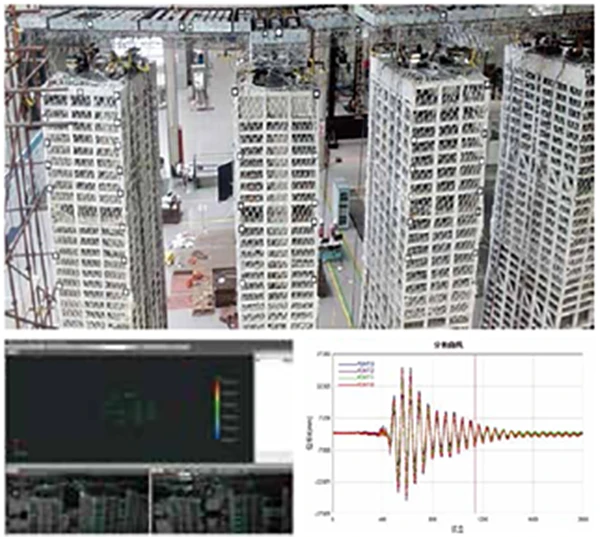
Seismic simulation test of a super-tall building
Furthermore, in dynamic displacement measurement applications, the XTOP3D XTDIC system captures full-field 3D dynamic displacement data, enabling accurate prediction of structural failure locations, critical failure points, and failure propagation paths. It is suitable for analyzing the seismic performance of building structure models, the load-bearing behavior of masonry walls with openings, and the impact of seismic events and landslides on the stability and serviceability of civil engineering structures.
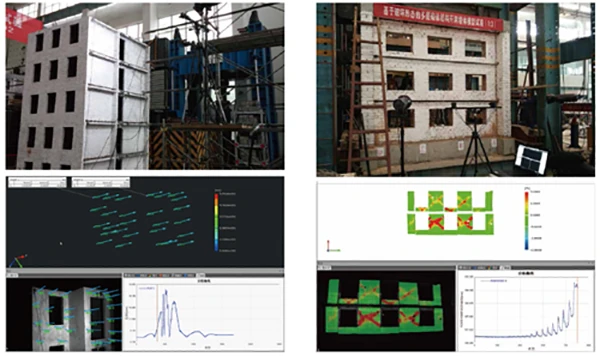
Seismic vibration simulation tests on buildings; structural performance tests on multi-story masonry walls with openings.
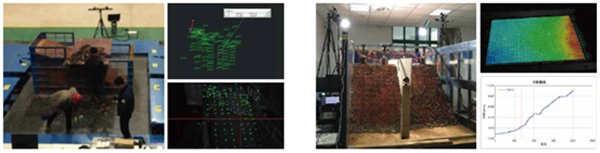
Slope seismic station vibration test; landslide experiment.
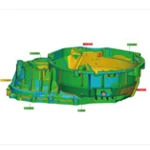
The XTOP3D XTDIC system offers significant advantages in civil engineering research. By employing a non-contact, full-field testing method, it effectively eliminates the interference often caused by traditional measurement tools—such as strain gauges, extensometers, and displacement transducers—thereby enhancing the accuracy and repeatability of measurement data. Furthermore, the XTDIC system directly measures the displacement and strain of civil engineering materials and structures, generating visual and data-rich results that are both intuitive and reliable.
At the conference, a representative from XTOP3D added: "The standards and requirements for DIC technology applications in civil engineering research are exceptionally high, necessitating tailored configurations and solutions for diverse scenarios. With years of deep engagement in the civil engineering sector, XTOP3D has amassed extensive project experience. Backed by our robust R&D team and a group of highly skilled, seasoned technical application engineers, we are well-positioned to support the research and testing needs of our users. We are confident that XTOP3D’s DIC technology will play an increasingly vital role in the advancement of infrastructure projects across China."