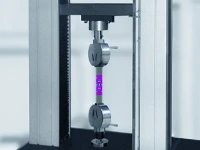
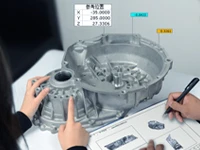
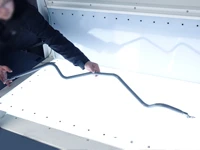
From November 18 to 21, CHINA ROCK 2019—the 16th Academic Annual Meeting of the Chinese Society for Rock Mechanics and Engineering—was held at the Jiuhua International Exhibition Center in Beijing, themed "Supporting the Construction of the Sichuan-Tibet Railway and Serving Major National Projects."
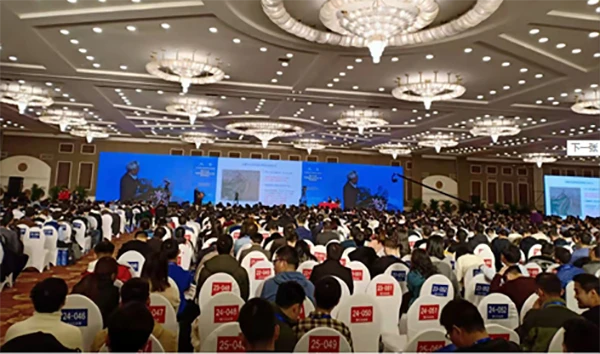
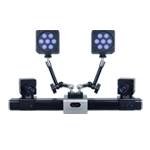
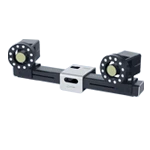
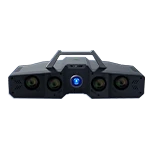
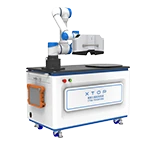
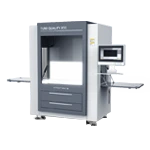
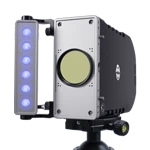
During the conference, XTOP3D was invited to participate in the CHINAROCK 2019 industrial exhibition. The company showcased its achievements and product solutions for full-field 3D measurement of morphology, displacement, and strain, earning unanimous acclaim from the attending experts and scholars.
The conference was themed "Supporting the Construction of the Sichuan-Tibet Railway and Serving Major National Projects." The Sichuan-Tibet Railway represents the world's most challenging mega-scale rock mass engineering project; the complexity of its geology, the treacherous nature of its terrain, the fragility of its environment, and the difficulties involved in its construction and operation are all unprecedented, giving rise to a series of unparalleled scientific and engineering challenges in the fields of rock mechanics and engineering.
Introduction to the CHINA ROCK Conference
The CHINA ROCK conference series is a premier, large-scale international academic event in the fields of rock mechanics and geotechnical engineering. The conference brings together academicians, renowned experts, scholars, outstanding young and mid-career technical professionals, and industry practitioners from prestigious universities, research institutes, and engineering equipment enterprises; it also features invited keynote presentations by internationally acclaimed experts.
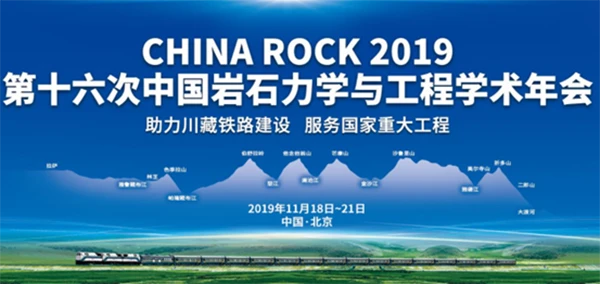
A highlight of the conference, the CHINA ROCK 2019 industrial exhibition features a 4,000-square-meter exhibition area comprising six themed zones and 120 booths. The exhibits showcase major national engineering projects; key national and provincial laboratories and innovative achievements from universities; new materials, instruments, equipment, and software; as well as award-winning scientific projects and certified technical achievements.
On-site Demonstration of Full-Field Strain Measurement Technology
As the complexity of major engineering projects increases, gaining a better understanding of the mechanical properties of in-situ rock masses requires experimental research. Such studies are essential to determine rock strength, deformation, and failure modes under complex stress conditions, thereby preventing major engineering accidents caused by rock deformation or failure.
During the excavation of rock masses in engineering projects, the internal stress state is extremely complex; changes in this state can induce plastic deformation and alter parameters related to elasticity and strength. Currently, strain measurement for laboratory rock specimens primarily relies on bonding strain gauges to the specimen surface. This method struggles to achieve proper contact with the interior surfaces of the rock, yields data reflecting only localized deformation at the bonding site, and suffers from limited accuracy and reliability. Furthermore, the process is cumbersome and restricts data acquisition, which in turn hampers the analysis of experimental results.
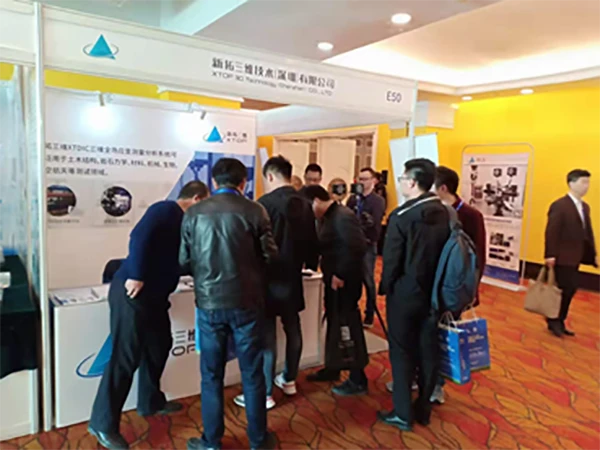
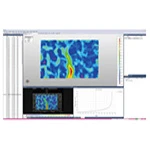
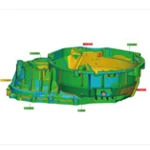
The XTOP3D XTDIC 3D full-field strain measurement and analysis system utilizes core algorithms with proprietary intellectual property rights, achieving technical specifications comparable to advanced international standards. Employing a non-contact measurement method, it directly measures full-field strain, displacement, deformation, and surface topography, as well as vibration amplitude and characteristics. It also supports real-time monitoring; experimental data is traceable and evaluable, and image data can be repeatedly analyzed and processed to meet diverse research objectives, thereby saving time and costs.
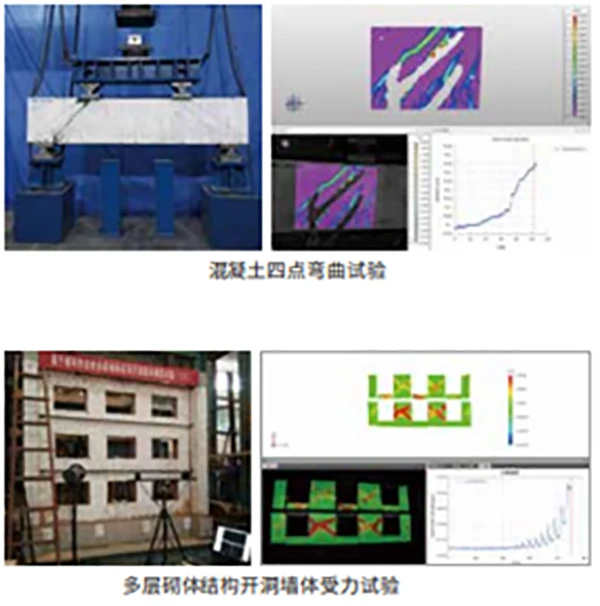
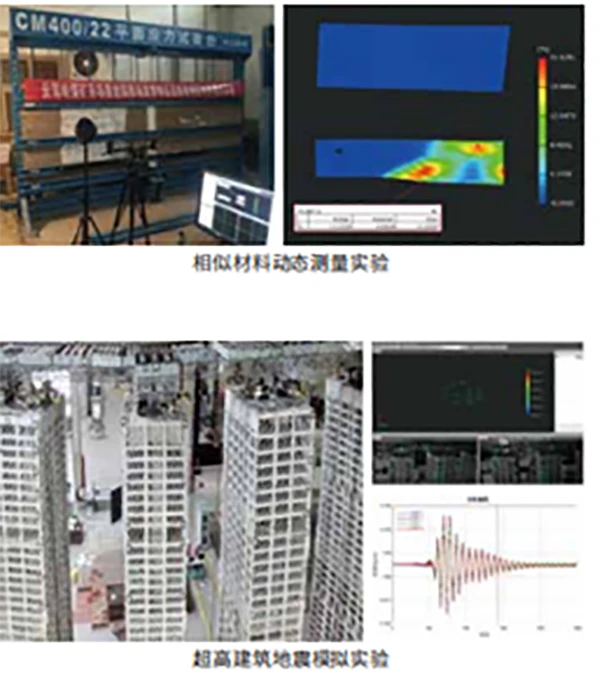
XTDIC is suitable for both indoor and outdoor applications, offering a strain measurement range of 0.005% to 2000%. By utilizing various image acquisition hardware, it can measure objects ranging in size from the nanoscale to the kilometer scale (such as satellite imagery). Theoretically, as long as high-quality images can be captured, precise strain and deformation measurements are achievable, enabling accurate prediction of structural failure locations in rock, critical failure points, and failure propagation paths.
According to a representative from XTOP3D, this exhibition provided an excellent platform to showcase the company's long-standing R&D achievements in strain and deformation measurement for engineering structures and rock materials. It effectively fostered communication between XTOP3D and researchers in relevant laboratory fields, injecting new vitality into the domain of strain and deformation measurement for major engineering experimental research.