As the focus on automotive quality and safety intensifies, automotive component manufacturers are placing increasing importance on product quality and user experience. Molds—often referred to as the "mother of industry"—play a pivotal role, as their precision and performance directly determine the quality ceiling of downstream products. Consequently, rigorous quality control is essential during the automotive mold manufacturing process.
In the following section, we will introduce how XTOP3D’s XTOM high-precision blue-light 3D scanning technology empowers dimensional quality control for automotive molds, helping enterprises achieve simultaneous improvements in both precision and efficiency.
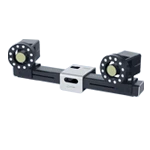
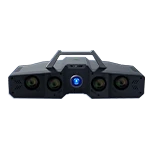
High-Precision Blue-Light 3D Scanning Technology
Application in Automotive Mold Inspection
Automotive molds feature complex overall surface contours and strict requirements regarding hole locations and positional tolerances. Inspection parameters include surface profile gaps, flush and gap (surface level differences), trim line lengths, and hole positions and sizes. Traditional inspection methods rely heavily on manual measurement and contact-based techniques; these approaches are not only complex and labor-intensive but also fail to adequately cover irregular mold surfaces and complex hole configurations. Furthermore, they struggle to ensure overall accuracy, making it difficult to meet rigorous quality control standards.
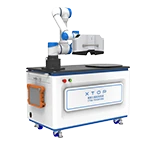
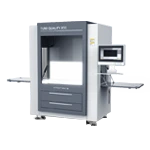
To address the measurement needs of automotive mold components, the XTOP3D XTOM high-precision blue-light 3D scanning and measurement system offers a highly efficient 3D inspection solution. Leveraging advantages such as non-contact operation, high precision, high efficiency, and full-field measurement capabilities, it empowers automotive component manufacturers to boost inspection efficiency, accelerate product iteration, and enhance the stability and accuracy of part measurements.
High-Precision Data Acquisition Capability
Based on structured light technology, the XTOM high-precision 3D scanning and measurement system rapidly and accurately captures surface details of automotive molds. Equipped with high-resolution measurement heads (5 to 9 megapixels), the system acquires millions of point cloud data points in a single scan. It clearly captures complex curved structures as well as minute scratches and textures, ensuring data integrity and accuracy—thereby providing a reliable foundation for subsequent reverse modeling and dimensional inspection.
Multi-view Data Stitching and Registration Capabilities
Automotive molds feature numerous holes and complex structures, requiring multi-view scanning to capture complete data. XTOM 3D scanning software offers powerful data stitching and registration capabilities; utilizing feature-matching algorithms, it automatically identifies common features across point cloud data from different perspectives. This enables precise alignment and automatic stitching of the point cloud data—keeping errors within a minimal range—to construct a complete 3D point cloud model of the mold.
High-Efficiency Point Cloud Processing Capabilities
Raw point cloud data often contains noise and redundant information; XTOM 3D scanning software processes this data efficiently. It employs filtering algorithms to remove outliers and smooth surfaces, and uses data reduction functions to minimize file size, thereby enhancing downstream processing efficiency while maintaining model accuracy. Specifically designed to handle the large datasets associated with automotive molds, the software rapidly optimizes data and utilizes intelligent algorithms to improve the quality of mesh triangulation.
Comprehensive Quality Inspection and Analysis Capabilities
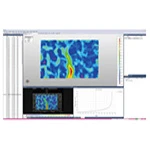
By importing the 3D model of the mold—generated via scanning and reconstruction—into 3D inspection software, it can be compared against the original design model. Dimensional discrepancies are visually represented through color-coded deviation maps, while geometric dimensioning and tolerancing (GD&T) analysis tools allow for the assessment of parameters such as surface flatness and perpendicularity. In the context of automotive mold inspection, this process enables engineers to rapidly identify machining errors and areas of wear, generate detailed inspection reports, and provide data-driven support for mold repair and design optimization.
Application Case: 3D Inspection of Automotive Electrical Mold Inserts
Automotive electrical molds (such as those for connectors and sensor housings) often require the integration of precision metal inserts; the accuracy of their dimensions and hole positions directly impacts the assembly reliability and signal stability of the electronic components.
The XTOM high-precision 3D scanning and measurement system captures high-quality 3D data and utilizes 3D inspection software to rapidly generate dimensional measurements for the entire mold. This enables the assessment of critical dimensions—such as surface geometry, contours, hole diameters, and edge margins—to verify compliance with design specifications.
Full-field dimensional deviation visualization: The XTOM high-precision 3D scanning system instantly captures millions of data points from the insert surface to generate an accurate 3D model. By comparing this with the original CAD design model, it provides an intuitive color-coded map of full-field dimensional deviations and precisely pinpoints out-of-tolerance areas, eliminating the blind spots associated with traditional sampling methods.
Hole location and positioning analysis: The system identifies hole center coordinates, diameters, roundness, and positional accuracy. It generates GD&T (Geometric Dimensioning and Tolerancing) analysis reports with a single click, ensuring that hole relationships meet stringent requirements and preventing batch mold failures caused by "hole position drift."
Interference prediction for insert assembly: Leveraging high-precision 3D data, the system simulates the insert assembly process in a virtual environment. It flags potential interference points in advance, thereby shortening the mold trial cycle and reducing mold modification costs.
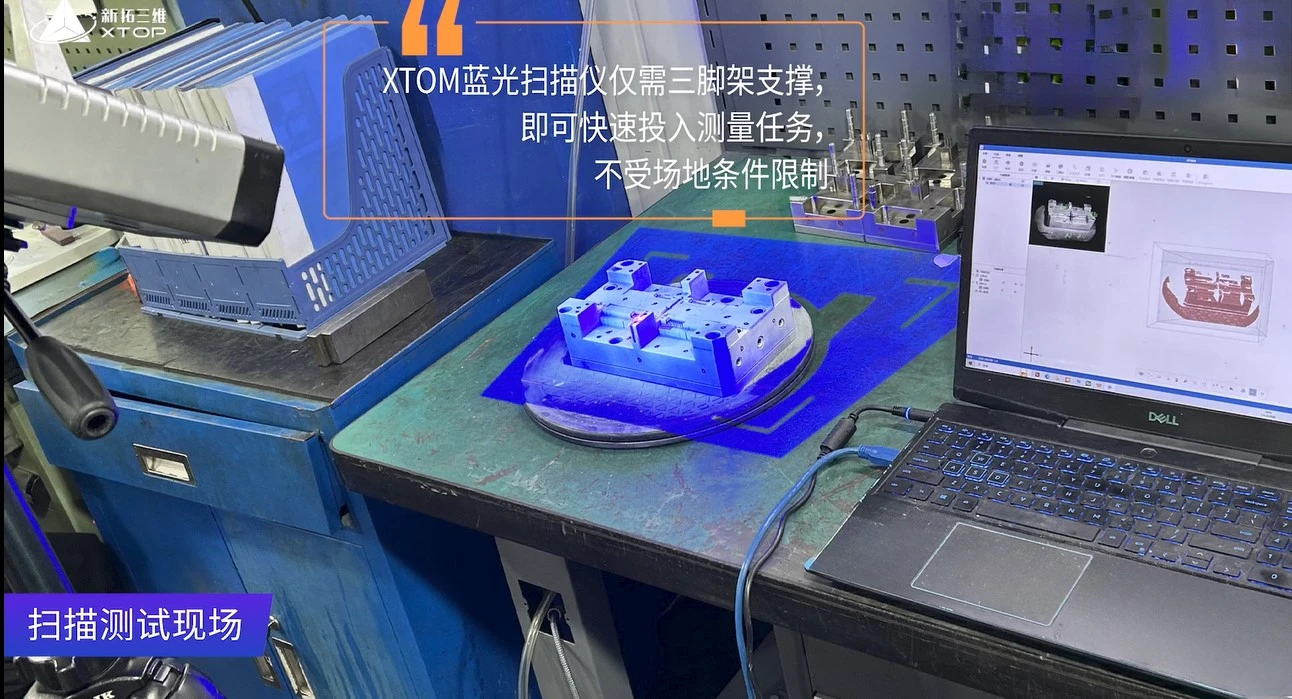
The XTOM industrial-grade blue-light 3D scanning and measurement system features robust anti-interference capabilities, enabling high-precision measurements and rapid 3D data acquisition even in complex environments. Furthermore, by utilizing professional 3D inspection software to compare the scan data against the original CAD model, the system can quickly generate intuitive quality inspection reports for mold machining.
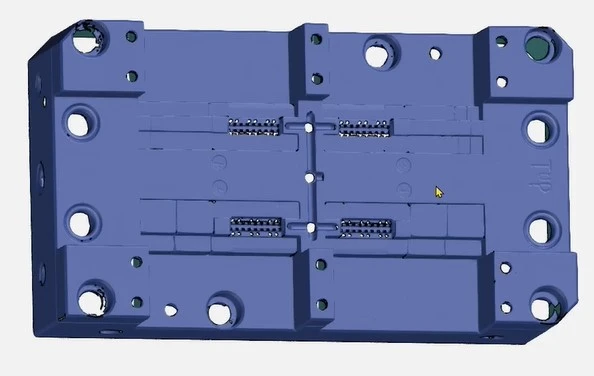
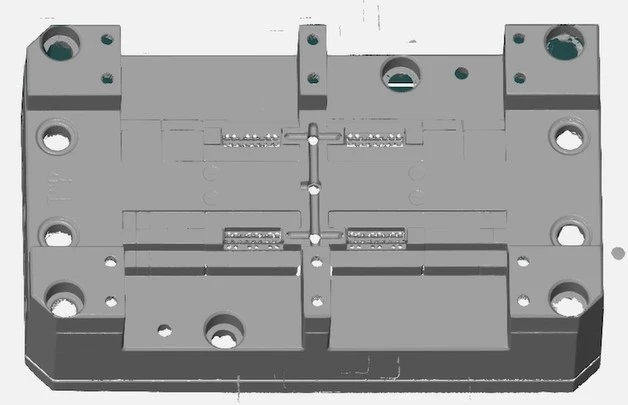
3D scan model data for automotive electrical component molds
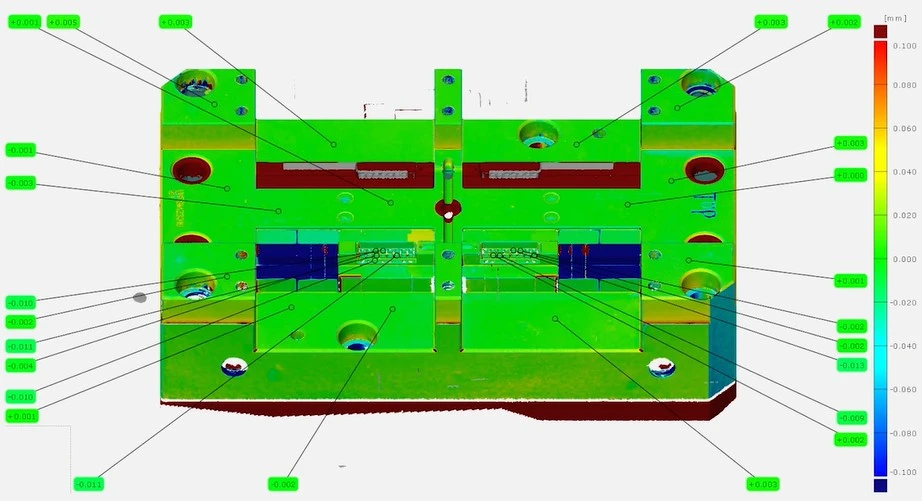
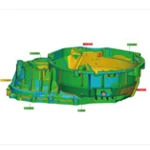
3D model deviation annotation data for automotive electrical component molds
Application Case: 3D Inspection of Automotive Wheel Hub Bearing Dies
Critical safety components—such as wheel hubs and bearing rings—are typically manufactured using hot forging. Under high-temperature and high-pressure conditions, the dies are prone to deformation and wear, which can lead to dimensional fluctuations and grain flow defects in the forgings, ultimately compromising the parts' fatigue strength.
The XTOM high-precision 3D scanning and measurement system is used to scan automotive wheel hub bearing dies, efficiently capturing accurate 3D data models. Inspection reports clearly visualize deviations via color maps, enabling engineers to better understand the die's actual operational condition and providing data-driven guidance for subsequent cavity wear analysis, die repair, and the optimization of forging parameters.
3D Wear Analysis of Mold Cavities: By scanning the mold cavity surfaces and comparing them against the initial state or a reference model, wear depth and volume loss in critical areas (such as flash gutters and fillets) are quantified, providing data to support mold life prediction and informed mold maintenance.
Forging Reverse Engineering and Closed-Loop Process Optimization: Workpieces are scanned after hot forging to generate actual 3D models via reverse engineering. By comparing forging and mold data, material fill uniformity and flash thickness distribution are analyzed; combined with CAE simulation, this enables the optimization of pre-forging and finish-forging die designs, as well as forging temperature and speed parameters, thereby enhancing material utilization and microstructural properties.
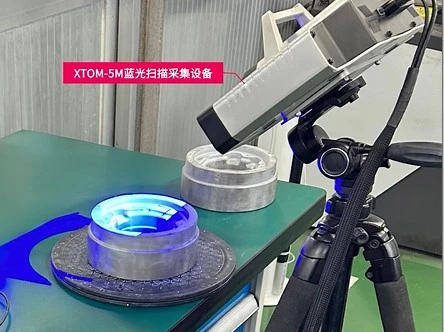
On-site 3D scanning of an automotive wheel hub bearing mold
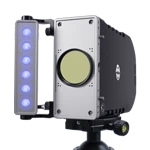
The XTOM industrial-grade blue-light 3D scanner rapidly captures the 3D features of molds, measures dimensions, shapes, and surface defects, and efficiently performs geometric dimensioning and tolerancing (GD&T) inspections to ensure mold production quality.
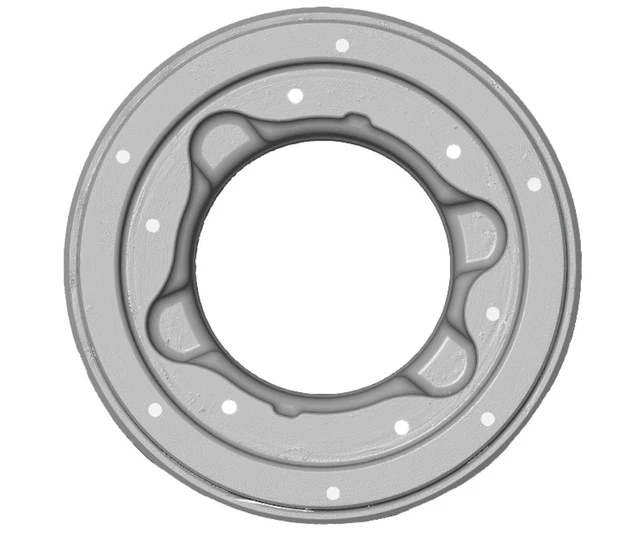
3D scanned model data of an automotive wheel hub bearing mold
By integrating 3D inspection software to perform a full-dimensional comparison between the 3D model and design drawings, GD&T reports can be generated. Deviations—such as dimensional inaccuracies, shape errors, gate position offsets, or surface curvature anomalies—are intuitively visualized through color-coded deviation maps. This visual analysis significantly reduces labor costs and prevents material waste and time loss during mass production.
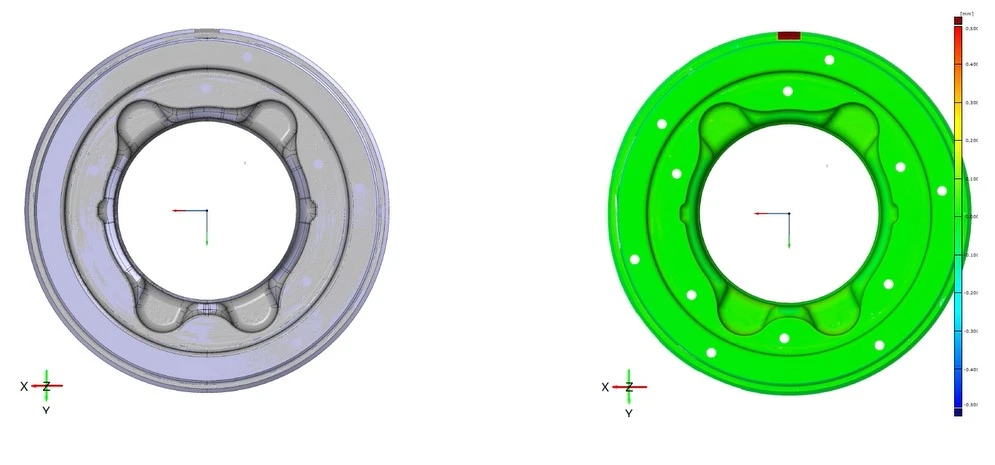
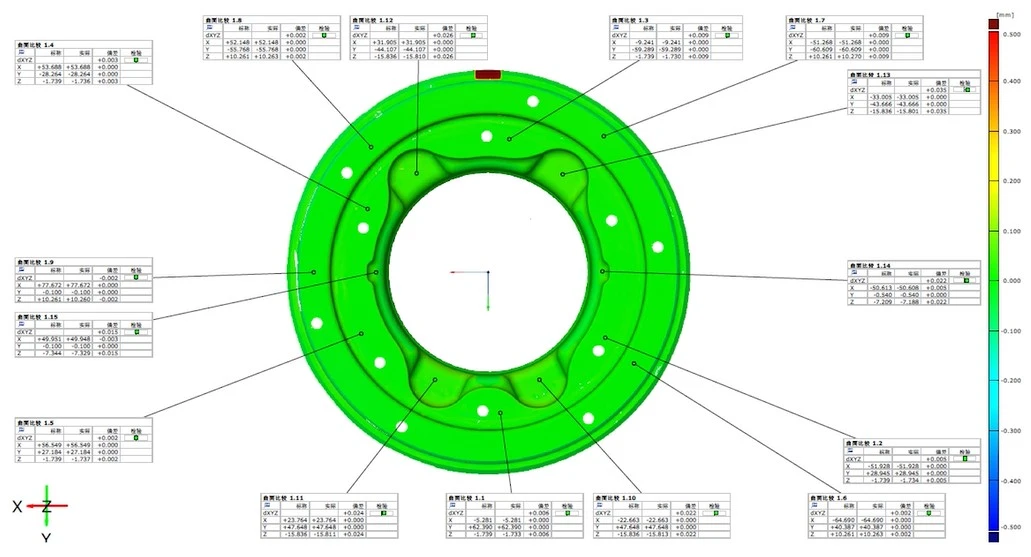
Amid the trend of industrial transformation and upgrading, the application of 3D digital solutions in the mold industry—powered by blue-light 3D scanning technology—spans the entire lifecycle, including quality control, assembly and production, reverse engineering, and wear analysis. This approach significantly shortens injection mold manufacturing cycles, helps address the industry's three core challenges of precision, efficiency, and cost, and enables the maintenance of traceable quality records.