The "2nd National Symposium on Structural Protection Against Dynamic Multi-Hazards," co-hosted by the International Society for Protective Structures (ISPS) and other organizations, was held in Mianyang, Sichuan, from July 2 to 4. The symposium brought together renowned experts and distinguished scholars from both China and abroad. It served not only as an academic platform for exchanging the latest research findings across various disciplines but also as a vital opportunity for experts to showcase innovative ideas, engage in in-depth dialogue, inspire one another, and collaborate on shared challenges, thereby charting a course for future research aimed at enhancing the comprehensive performance of engineering structures subjected to dynamic multi-hazards.
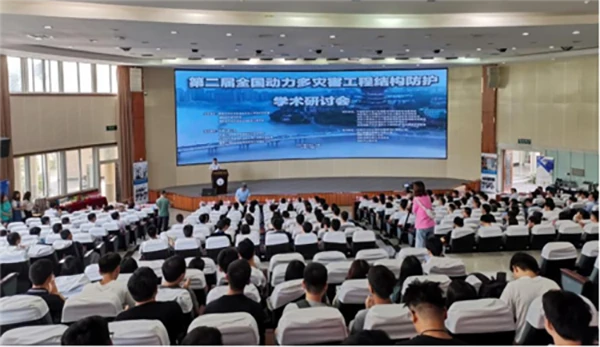
The meeting venue
Throughout their service life, engineering structures are exposed not only to dynamic natural hazards—such as earthquakes and severe typhoons—but also to intense dynamic loads resulting from accidental events, including explosions and impacts. Currently, the response, damage mechanisms, and protective design methods of engineering structures subjected to multiple dynamic hazards represent a key area of research both domestically and internationally. XTOP3D participated in this seminar, showcasing its proprietary 3D optical measurement solutions and engaging in discussions regarding the latest research findings and advanced technologies in structural protection against multiple dynamic hazards.
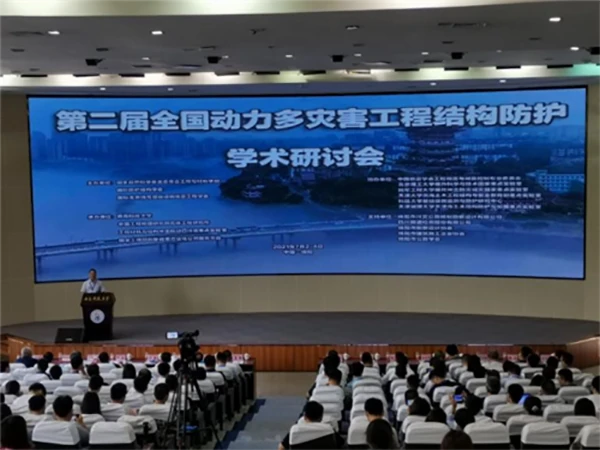
Guest delivers keynote presentation.
The theme of this conference is "Research on the Protection of Engineering Structures Subjected to Dynamic Multi-Hazard Actions." Topics include the dynamic properties and constitutive models of engineering materials; the resilience of engineering structures against single or multiple hazards; dynamic analysis and numerical methods for engineering structures under single or multiple hazards; novel materials and structural systems for single or multiple hazard resistance; design methods for engineering structures to withstand single or multiple hazards; and disaster prevention and protection for engineering structures in mountainous areas.
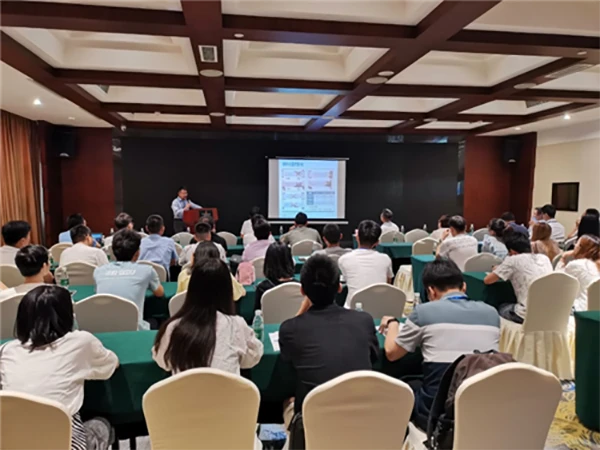
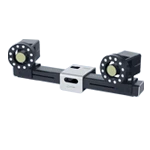
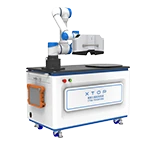
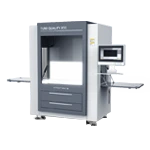
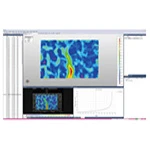
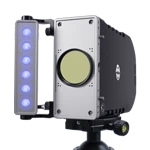
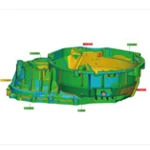
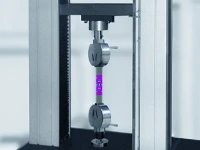
As a renowned domestic provider of 3D optical measurement solutions, XTOP3D’s XTDIC 3D optical full-field strain measurement system earned recognition from industry professionals on-site, who praised the company's solutions for assessing material mechanical properties, engineering structural safety, and fatigue monitoring. The full-field strain measurement technology offered by XTDIC enables the measurement of material mechanical properties, crack propagation, and fatigue fracture, while also providing intuitive, comprehensive data on component strength, fatigue, and service life.
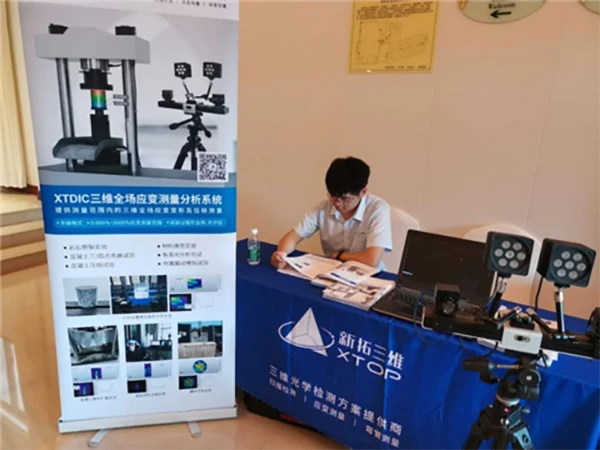
Furthermore, the XTDIC system is suitable for both static and dynamic testing—whether applied to materials or large-scale engineering structures, or even under high-speed loading conditions. It captures comprehensive test data, enabling analyses of strength, fatigue, and durability through full-field measurement technology. By comparing and analyzing actual test data against theoretical data from finite element simulation software, targeted verification and optimization can be performed to meet research needs regarding multi-hazard dynamics and the protection of engineering structures.
Application of DIC Technology in Engineering Protection
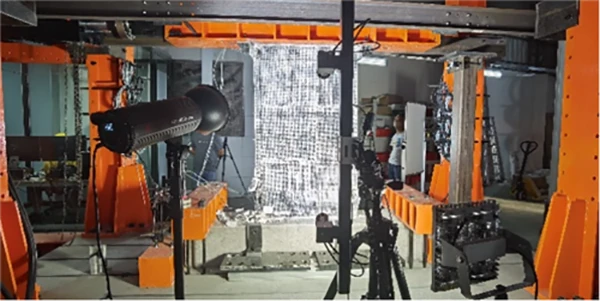
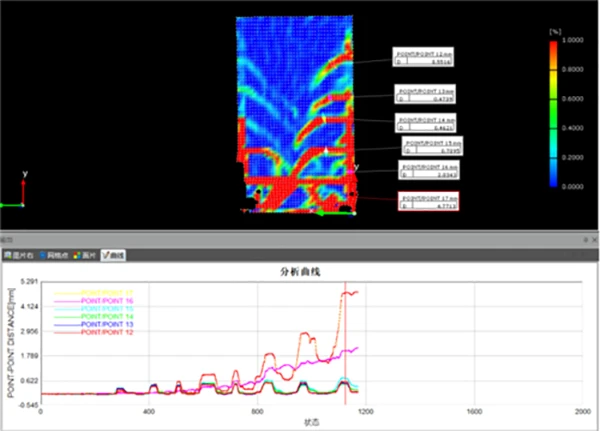
Seismic Cracking Tests on Concrete Components
Many regions in my country lie within seismic zones, where perceptible earthquakes occur frequently. Structural failure during earthquakes is a primary cause of loss of life and property; therefore, robust seismic design is an effective means of disaster prevention.
Walls serve as key lateral-force-resisting components; cracking occurs when the principal tensile stress exceeds the ultimate stress limit. Analyzing the stress state of structures during earthquakes and enhancing the load-bearing capacity of components helps minimize earthquake-induced damage to buildings.
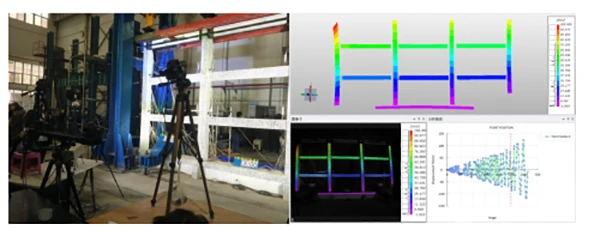
Seismic Testing of Reinforced Concrete Frames
Investigating the maximum response of concrete frame structures under seismic action—and establishing rational seismic design methods and structural detailing measures to minimize damage and prevent collapse—is of great significance for seismic design and the mitigation of earthquake-related disasters.
The XTDIC system is suitable for displacement measurement in large-scale structures. It enables the study of deformation characteristics and collapse resistance of frame structures under strong seismic action, thereby enhancing structural stability and improving capabilities for seismic disaster prevention and mitigation.
Fracture Testing of Granite Under Simulated Strong-Motion Conditions
The fault zone along the northern margin of the West Qinling Mountains is a large-scale, highly active regional deep-seated fault zone located at the northeastern edge of the Tibetan Plateau. Since the Wenchuan earthquake (Magnitude 8.0), the potential for strong earthquakes along this fault zone has drawn significant attention from the scientific community.
Experiments simulating granite fracture and collapse under strong-motion conditions allow for the analysis of stress field characteristics associated with structural collapse and cross-fault deformation. These data enable the inference of relative stress accumulation levels within the active fault zone, facilitating an assessment of the risk of future strong earthquakes and the identification of potential seismogenic fault segments.
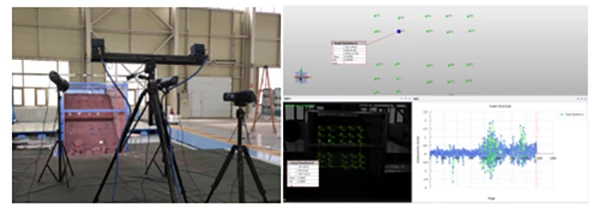
Simulated Seismic Vibration Analysis of Building Structural Components
Earthquakes are sudden, highly destructive natural disasters that can induce structural movement and inertial forces, or cause various surface defects—such as cracks, vertical displacements, localized subsidence, and landslides.
By simulating vibration excitation on building structures, the forces acting on the building during an earthquake can be replicated; this allows for the precise measurement of the model structure's dynamic response and the analysis of the vibration characteristics of structural components under such excitation.
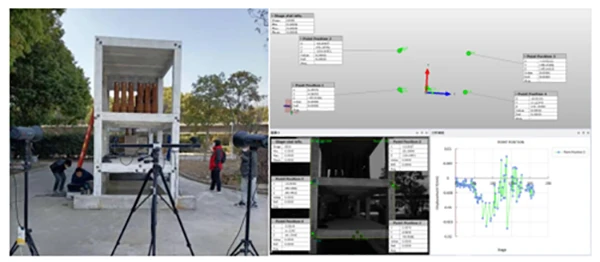
Deformation Monitoring of Tunnel Structures During Foundation Pit Excavation
With the acceleration of urbanization, subway networks have increasingly permeated the urban underground. Meanwhile, the scale and excavation depth of surface construction projects—particularly foundation pit excavations—continue to grow, inevitably impacting subway tunnels.
Subway tunnels and stations in operation have extremely strict requirements regarding structural deformation, necessitating precise assessment of the impact caused by foundation pit excavation. Digital Image Correlation (DIC) technology enables the measurement of deformation and strain in retaining structures during excavation, providing robust support for data analysis.
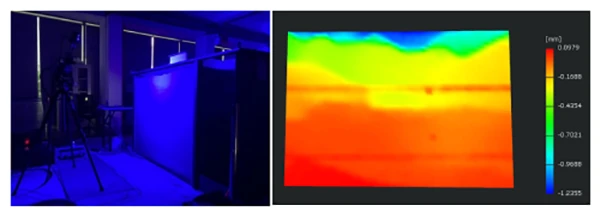
By mastering core technologies and focusing on user needs, we empower scientific research and engineering projects. This seminar facilitated discussions on the protection of engineering structures against dynamic multi-hazard loads, highlighting the immense potential of DIC technology in the study of structural mechanical performance. Committed to core technology, top-tier local service, and the continuous creation of value for users, XTOP3D aims to ensure—through its comprehensive DIC full-field strain measurement solutions—the long-term sustainability of structural engineering efforts dedicated to disaster prevention, mitigation, and public safety.