Why do some foam cushions still look brand new after years of use, while others collapse so quickly? The key metric that determines the "lifespan" of foam is its compression set.
Have you ever encountered a situation like this?
-
The sofa cushion went flat after just three months—why won’t it spring back?
-
After two years of use, the driver’s seat in the car has a noticeable indentation, while the passenger seat remains as good as new.
-
A year into using the mattress, a "human-shaped dip" has formed in the middle, making it impossible to get a good night’s sleep no matter how much I toss and turn.
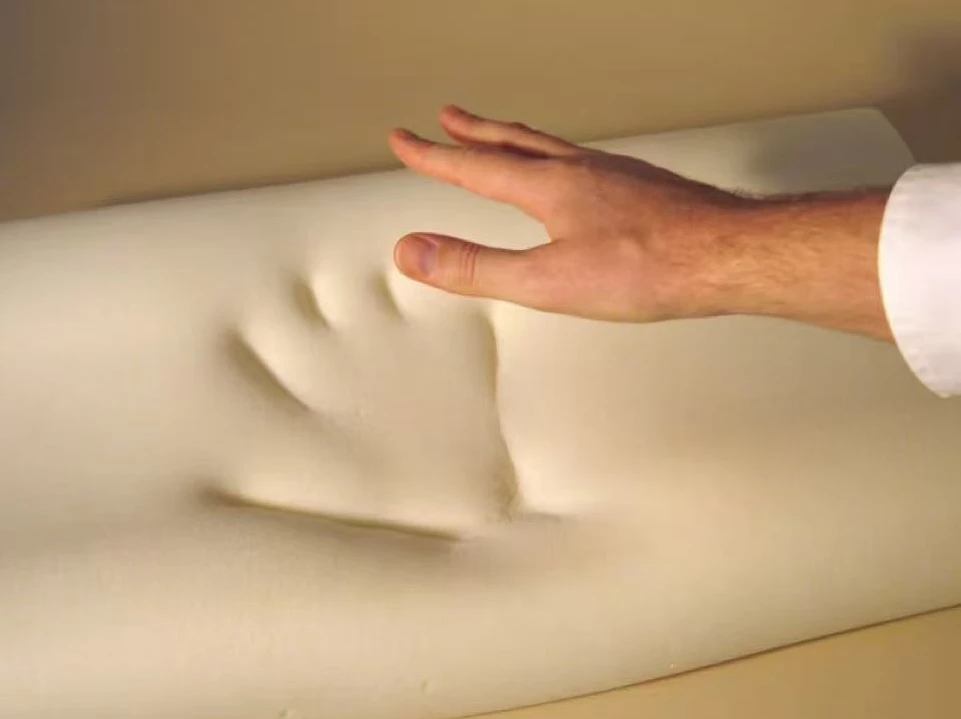
How significant is this metric?
Foam with low compression set retains its original shape and resilience even after years of use, offering a lifespan two to three times longer than that of conventional foam.
Conversely, foam with high compression set—essentially material with poor "memory"—not only loses comfort and support but also leads to the premature failure of the product.
How can extreme, non-linear deformation be measured?
Under compressive loading, polymer sponges undergo extreme, non-linear deformation—reaching magnitudes as high as 70%—which poses significant challenges for conventional Digital Image Correlation (DIC) measurement techniques:
1. As the cellular structure collapses, the speckle pattern on the specimen surface undergoes severe distortion. This leads to image decorrelation, computational divergence, and the loss of data within the DIC algorithm.
2. The stochastic rupture of individual cells introduces substantial local noise, which interferes with the extraction of macroscopic strain results.
3. Compressive deformation is spatially non-uniform; therefore, single-point analysis cannot adequately characterize the deformation across the entire field.
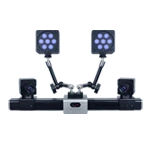
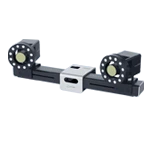
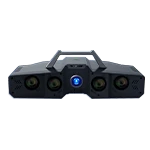
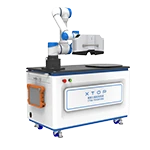
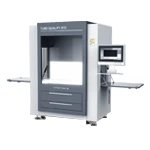
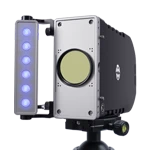
The XTOP3D XTDIC 3D strain measurement system employs advanced algorithmic strategies—including iterative matching for large deformations, dynamic reference tracking, and spatial averaging for noise reduction—to overcome the challenge of decorrelation. This enables continuous, full-field measurement of the sponge throughout the entire process: from initial contact and cell buckling/collapse, all the way to the onset of densification.
How is it measured, and what are the challenges involved?
Under compression, porous polymer sponges undergo extreme, non-linear deformation. Conventional non-contact Digital Image Correlation (DIC) optical methods face several technical bottlenecks:
1) Image Decorrelation: As the sponge is compressed, its internal cells continuously collapse and are crushed, causing severe distortion of the speckle pattern. This leads to "image decorrelation" in standard DIC, which can interrupt calculations—either locally or across the entire field of view—making it difficult to capture data throughout the full duration of the test.
2) Discrete Signal Noise: Due to the random distribution of cells within the sponge, the collapse and rupture of these cells generate discrete, abrupt noise. This interferes with the quality of the strain curves and obscures the material's true macroscopic mechanical response.
3) Non-uniform Deformation: Because the cell distribution is stochastic, the deformation across the specimen's surface is non-uniform. Relying on data from only a few discrete points makes it impossible to identify strain concentrations or variations in deformation.
To address these DIC measurement challenges, the XTOP3D XTDIC 3D strain measurement system utilizes specialized algorithmic optimizations, enabling stable and continuous full-field deformation monitoring—even under conditions of extreme compression.
Uniaxial Compression Test of Porous Foam
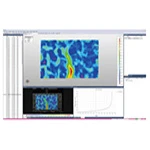
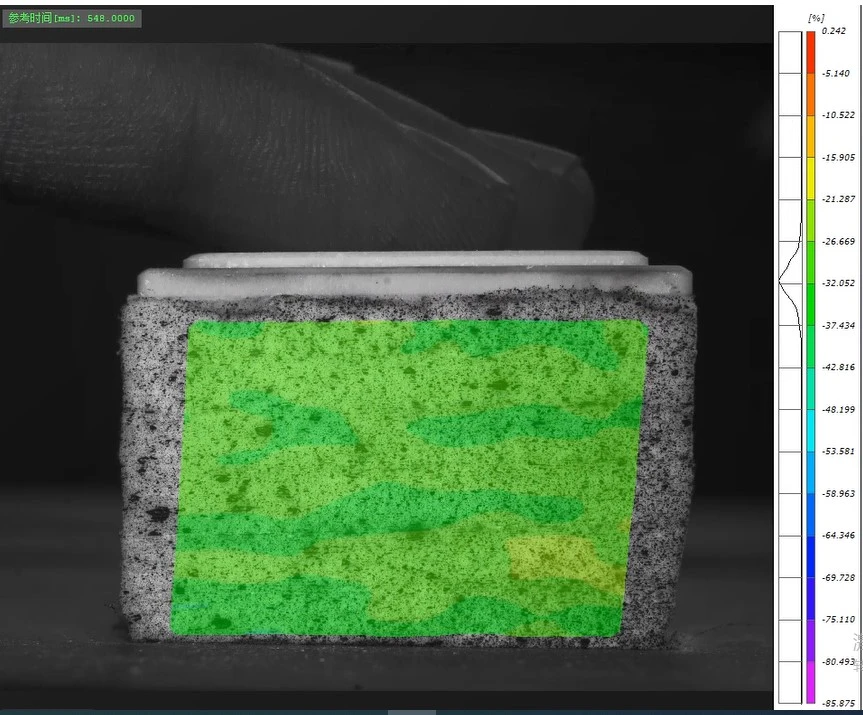
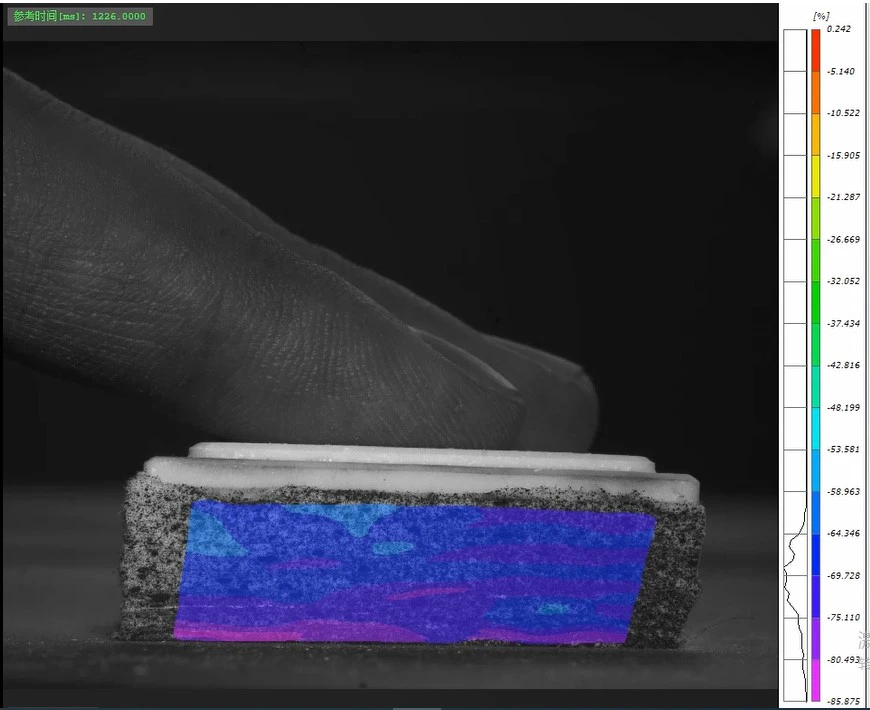
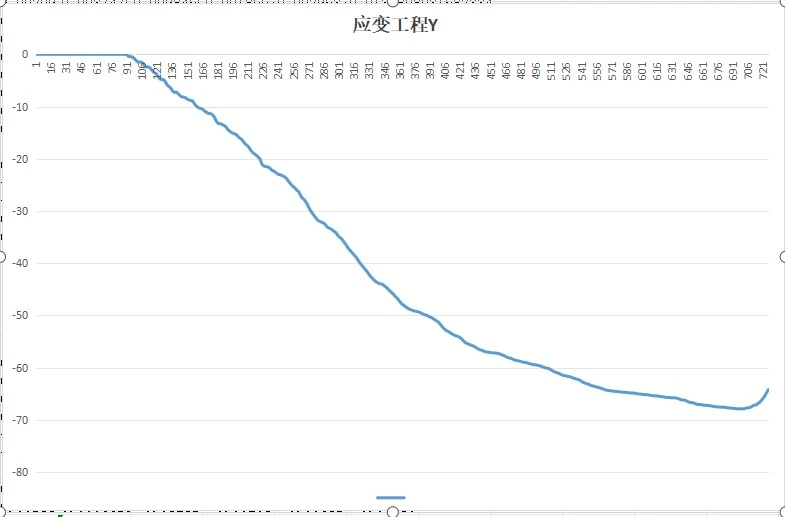
The specimen consists of a polymeric porous foam. The XTOP3D XTDIC 3D strain measurement system was employed to capture the entire uniaxial compression process. The system outputs full-field engineering strain maps along the loading direction (Y-axis), as well as the evolution curve of the average strain within the region of interest (ROI) as a function of the loading step.
How does the DIC algorithm mitigate decorrelation?
During the compression of foam materials, severe distortion of the speckle pattern can lead to DIC decorrelation and computational failure. XTOP3D DIC addresses this through multi-dimensional optimizations—encompassing matching logic, tracking mechanisms, and noise processing—to ensure measurement continuity and reliability in scenarios involving large deformations:
1. Iterative Correlation Matching for Large Deformations: Utilizing a deformation-adaptive iterative matching strategy, the algorithm dynamically adjusts the size and orientation of computational subsets in response to the intense surface deformation of the specimen. This accommodates the compression-induced squeezing and distortion of the speckle pattern, effectively suppressing image decorrelation.
2. Dynamic Reference Frame Tracking: During stages of large deformation, the reference frame is updated dynamically. By continuously tracking changes in speckle features, the system ensures greater data continuity, even under high levels of compression.
3. ROI-based Spatial Averaging for Noise Reduction: The random rupture of foam cells can generate localized noise. A spatial averaging algorithm applied to the Region of Interest (ROI) filters out discrete, microscopic noise while preserving the material's true macroscopic deformation signals, resulting in smooth and reliable macroscopic strain evolution curves.
4. Full-Field Data Output: The system provides comprehensive full-field strain distribution maps, offering an intuitive visualization of deformation variations across different locations on the specimen and fully capturing the non-uniform deformation characteristics of porous materials.
Interpretation of Experimental Data
By integrating the full-field strain maps and Y-direction strain curves obtained via DIC, the entire compression process of the sponge is divided into three distinct stages, comprehensively illustrating the deformation evolution—from initial contact and settling, through cell buckling and collapse, to the onset of densification.
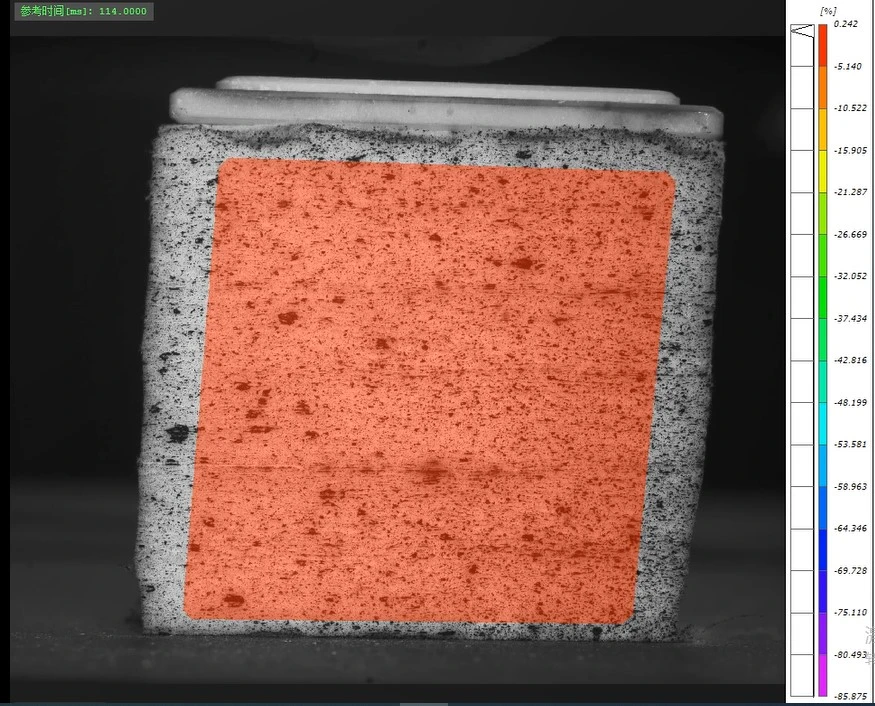
Phase I: Contact Adjustment and Linear Elastic Region (Loading Steps 0–100)
The strain values remain near zero, showing minimal variation.
During the initial stage of the test, the indenter comes into contact with the sponge; the applied load primarily serves to eliminate gaps, resulting in negligible macroscopic compression. DIC strain maps indicate that the strain across the region of interest (ROI) is nearly zero. Leveraging the high sensitivity of the DIC measurement system, it is possible to capture the minute deformations occurring during this phase, thereby verifying the stability of the sample's initial state.
Stage II: Yielding and Onset of the Stress Plateau (Loading Steps 100–300)
The strain curve drops sharply, with the compressive strain in the Y-direction rapidly reaching approximately –30%.
During this stage, the cell walls of the foam begin to bend and buckle, marking the transition of the material from a linear-elastic state to a yielding state. The corresponding strain contour plots show that the compressive strain spreads rapidly across the entire surface of the specimen. Digital Image Correlation (DIC) precisely captures this abrupt change in strain, identifying the onset of cell-wall yielding; a large-deformation matching algorithm continuously tracks the distorted speckle pattern, ensuring no localized computational failures occur.
Stage III: Cell Collapse Plateau Region (Pre-densification, Loading Steps 300–650)
As strain continues to increase—reaching a maximum compressive strain of nearly -70%—the rate of change in the curve slows down, entering the core stress plateau region where the sponge absorbs energy.
A large number of internal cells collapse progressively, resulting in significant volumetric compression of the material. Despite the extreme deformation and severe distortion of the speckle pattern, the use of robust correlation algorithms allows the Digital Image Correlation (DIC) technique to maintain continuous full-field data output. The curve remains smooth, free from sharp, jagged fluctuations; a spatial averaging algorithm filters out local noise caused by the rupture of individual cells, accurately reflecting the macroscopic energy-absorption response of the sponge.
Strain contour plots provide a clear visualization of the compressive strain distribution across the specimen surface, enabling the identification of regions with non-uniform local deformation. Furthermore, by outputting the engineering strain curve along the Y-axis, the entire process—from elastic deformation and plastic collapse to final densification—is successfully quantified for the sponge material.
What is the value of these test results?
1. Quantification of Mechanical Parameters: Through full-field DIC (Digital Image Correlation) testing, the ultimate compressive engineering strain of this foam was determined to be approximately -70%. The test yielded comprehensive data—covering the elastic region, the yield point, and the energy-absorption plateau—providing empirical evidence for material selection and the calibration of constitutive parameters for numerical simulations.
2. Evaluation of Cushioning and Energy-Absorption Performance: The test revealed a long, stable strain plateau, clearly demonstrating the foam’s excellent cushioning and energy-absorption capabilities. This supports the assessment of its suitability for applications such as vibration-dampening pads and protective packaging.
3. Measurement of Flexible Porous Materials: By employing optimized algorithms—including iterative matching for large-deformation DIC, dynamic reference tracking, and spatial noise reduction—the system overcomes common DIC limitations such as image decorrelation, noise interference, and inadequate characterization of non-uniform deformation under extreme compression. This enables continuous, full-cycle measurement throughout the foam compression process.
For low-modulus, porous, flexible materials like foams, extreme compression scenarios pose significant challenges for conventional DIC algorithms, including image decorrelation, noise interference, and data loss. XTOP3D DIC utilizes specialized algorithmic optimizations to overcome these measurement hurdles. It provides both macroscopic strain evolution curves and full-field local strain maps, capturing both the overall mechanical response and the distribution of local deformation. This offers a robust optical testing solution for the R&D, formulation iteration, and simulation benchmarking of flexible, porous polymeric materials.